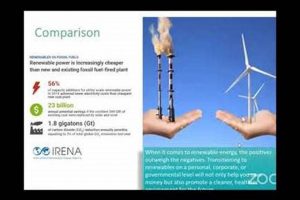
Harnessing power from naturally replenishing resources presents a dual perspective. While offering long-term sustainability and reduced environmental impact, such methods also encounter limitations in reliability and scalability. The overall assessment requires a balanced consideration of these countervailing factors.
The rising concern over climate change and the depletion of fossil fuels underscores the significance of these alternative energy systems. Historically, harnessing wind and water power was commonplace, but modern technologies have amplified their potential, alongside the development of solar, geothermal, and biomass energy, promising cleaner and more secure energy futures.
This exploration delves into the merits and drawbacks associated with various forms of sustainable power generation. It examines the economic, environmental, and societal impacts, offering a comprehensive overview of the potential and the challenges in transitioning to a predominantly sustainable energy landscape.
Careful evaluation is paramount when considering the integration of sustainable power options. These tips offer a pragmatic approach to assessing the viability of different solutions.
Tip 1: Assess Resource Availability: Conduct a thorough evaluation of the readily available renewable resources in a given geographic location. For instance, solar irradiance levels are crucial for solar power viability, while consistent wind patterns are essential for effective wind energy generation.
Tip 2: Analyze Grid Integration Capabilities: Evaluate the capacity of the existing electrical grid to accommodate intermittent power generation. Integrating renewable sources often necessitates grid modernization and smart grid technologies to manage fluctuating output.
Tip 3: Evaluate Storage Solutions: Recognize that some renewable resources are intermittent. Implement energy storage solutions, such as battery storage or pumped hydro, to ensure a consistent and reliable power supply when renewable generation is low.
Tip 4: Consider Lifecycle Costs: Move beyond initial investment and assess the entire lifecycle cost, including maintenance, decommissioning, and component replacement. This offers a more accurate understanding of the long-term economic viability.
Tip 5: Analyze Environmental Impact: While generally cleaner, certain approaches may still have environmental consequences. Consider the land use requirements for large-scale solar farms or the potential impact on aquatic ecosystems from hydroelectric projects.
Tip 6: Model Economic Impacts: Determine how the deployment of such technology will effect local and regional economics. Will the influx of the technology increase labor, and create jobs and new skillsets for the work force.
Tip 7: Study the Geothermal gradient: Research the land that the renewable technology will be deployed on. The characteristics of the land will determine what works and what does not.
Implementing the strategies allows one to realize substantial savings over time, as well as lessen one’s dependency on fossil fuels. Ultimately, these approaches allows one to have cleaner energy for a brighter future.
In summation, prudent planning and comprehensive analysis are vital for maximizing the benefits and mitigating the challenges associated with harnessing sustainable power sources. This informed approach will pave the way for a more sustainable energy future.
1. Environmental Sustainability

Environmental sustainability is a central argument for transitioning to renewable energy. The ability to meet current energy needs without compromising the ability of future generations to meet their own is a core tenet. While not without environmental impact, renewable options generally present a substantially lower ecological footprint compared to fossil fuels. However, a comprehensive assessment demands scrutinizing both the positive contributions and potential negative consequences.
- Reduced Greenhouse Gas Emissions
Conventional power generation is a primary contributor to greenhouse gas emissions, driving climate change. Solar, wind, geothermal, and hydroelectric sources, in contrast, produce minimal or no direct emissions during operation. However, the manufacturing and installation phases of these technologies do involve emissions. A full life-cycle analysis is required to quantify the overall reduction achieved.
- Diminished Air and Water Pollution
Combustion of fossil fuels releases harmful pollutants into the air, leading to respiratory problems and acid rain. Mining and transportation of these fuels also risk water contamination. Renewable options, such as solar and wind, generate electricity without these pollutants. However, hydroelectric dams can alter river ecosystems, and biomass energy can contribute to air pollution if not properly managed.
- Resource Conservation
Fossil fuels are finite resources that will eventually be depleted. Renewable energy, as the name suggests, derives from continuously replenished sources. Solar radiation, wind patterns, and geothermal heat are consistently available. While these resources are abundant, the infrastructure needed to harness them solar panels, wind turbines requires materials like rare earth elements, the extraction of which also carries environmental consequences.
- Land Use Considerations
Large-scale renewable energy projects often require significant land areas. Solar farms and wind farms can impact habitats and compete with agricultural land. Hydroelectric dams flood large areas, displacing communities and altering ecosystems. Careful planning and siting are essential to minimize these impacts. Furthermore, technological advancements are driving more efficient land use, such as floating solar farms and vertical axis wind turbines.
The pursuit of environmental sustainability through renewable energy is a complex undertaking. While offering a substantial improvement over fossil fuels, the deployment of renewable technologies must be carefully managed to minimize unintended environmental consequences. A holistic approach that considers the entire life cycle and prioritizes responsible resource management is essential to maximize the benefits and ensure a truly sustainable energy future.
2. Intermittency Challenges

The inconsistent availability of certain renewable resources presents a substantial challenge to widespread adoption. Solar irradiance fluctuates with daylight hours and cloud cover, while wind power varies with atmospheric conditions. Managing this intermittency is critical for ensuring grid stability and reliability when integrating these sources into the energy mix.
- Variability in Energy Production
Solar photovoltaic (PV) systems generate electricity only during daylight hours, with output dependent on weather. Wind turbines operate when wind speeds are within a specific range, ceasing production during calms or extreme gusts. This variability necessitates backup power sources or energy storage solutions to meet continuous demand.
- Predictability Limitations
While forecasting tools have improved, accurately predicting short-term variations in solar and wind resources remains a challenge. Unexpected cloud cover or sudden shifts in wind patterns can lead to rapid fluctuations in power generation. This unpredictability complicates grid management and requires real-time adjustments to maintain balance between supply and demand.
- Grid Management Complexities
Integrating intermittent renewable sources into the grid requires sophisticated management strategies. Balancing supply and demand necessitates advanced control systems, flexible generation resources, and enhanced transmission infrastructure. Over-reliance on intermittent sources without adequate management can lead to grid instability and potential blackouts.
- Storage Requirements and Costs
Energy storage technologies, such as batteries and pumped hydro, can mitigate intermittency by storing excess energy generated during peak production periods and releasing it when demand exceeds supply. However, energy storage solutions are currently expensive and add to the overall cost of renewable energy systems. Further innovation and cost reductions in storage technologies are crucial for widespread adoption of intermittent renewable sources.
Successfully addressing intermittency is paramount for realizing the full potential of renewable energy. Developing robust grid management strategies, improving forecasting accuracy, and reducing the cost of energy storage are essential steps towards creating a reliable and sustainable energy future. The investment into all three aspects will be the linchpin to renewable energy’s success.
3. Long-term cost savings

The promise of long-term cost savings is a significant, albeit complex, aspect of evaluating sustainable power generation. While initial investment in renewable energy infrastructure may exceed that of conventional fossil fuel plants, the operational expenditures often present a more favorable economic trajectory over time. This advantage stems primarily from the elimination or reduction of fuel costs, which are subject to market volatility and geopolitical instability. For example, a solar power installation requires substantial upfront capital, but subsequent electricity generation relies on sunlight a free resource thereby mitigating exposure to fluctuating fuel prices. Similarly, wind farms, after the initial construction phase, operate with minimal fuel expenditure.
However, realizing these long-term cost savings is contingent upon several factors. The lifespan and performance of renewable energy systems must meet or exceed expectations. Technological advancements play a crucial role; more efficient solar panels and wind turbines can generate more electricity for a given investment, accelerating the payback period. Maintenance costs, including component replacement, must also be factored into the economic equation. Moreover, the availability of government subsidies, tax incentives, and carbon pricing mechanisms can significantly influence the financial viability of renewable energy projects. The levelized cost of energy (LCOE), which accounts for all costs over the lifetime of a project, is a useful metric for comparing the economic competitiveness of different energy sources. In regions with high solar irradiance or consistent wind patterns, renewable energy can already be economically competitive with fossil fuels on an LCOE basis.
The realization of long-term cost savings is not guaranteed but represents a potential advantage when carefully considered and managed. A comprehensive assessment of project costs, performance expectations, and external economic factors is essential to determine the true economic viability of renewable energy investments. Successful deployment of these technologies can contribute to both environmental sustainability and long-term economic prosperity, but only with diligent planning and execution. In this way, long-term savings are intertwined with the overall assessment of renewable energy sources, necessitating a case-by-case approach that acknowledges the nuances of each specific deployment.
4. High Initial Investment

The substantial upfront capital expenditure required for renewable energy projects represents a significant barrier to their widespread adoption and, therefore, constitutes a key disadvantage that directly impacts their competitive standing relative to conventional energy sources. This high initial investment influences numerous factors, ranging from project financing to consumer affordability, ultimately shaping the overall trajectory of the renewable energy transition.
The elevated capital costs associated with technologies such as solar photovoltaic (PV) systems, wind farms, and geothermal power plants stem from several factors, including the manufacturing of specialized equipment, site preparation, grid connection infrastructure, and the need for advanced energy storage solutions to address intermittency. For instance, constructing a large-scale solar farm necessitates considerable investment in solar panels, inverters, land acquisition, and grid interconnection. Similarly, developing a wind farm requires erecting wind turbines, installing substations, and establishing transmission lines. These costs can be prohibitive, particularly for developing nations or smaller-scale projects, hindering their ability to deploy renewable energy solutions. While technological advancements and economies of scale are gradually driving down the costs of some renewable energy technologies, the initial investment remains a significant hurdle. Project financing often relies on attracting private investment, which requires demonstrating a clear pathway to profitability and a low level of risk. The higher upfront costs associated with renewable energy projects can make them less attractive to investors compared to conventional fossil fuel plants, which may have lower initial capital requirements and a more established track record. Government incentives, such as tax credits, subsidies, and feed-in tariffs, can help to mitigate the high initial investment burden and encourage private sector participation.
In summary, the high initial investment associated with renewable energy projects is a critical disadvantage that influences financing, affordability, and overall deployment. Addressing this challenge through technological innovation, policy support, and innovative financing mechanisms is essential for accelerating the transition to a sustainable energy future. Successfully navigating this obstacle will unlock the numerous advantages offered by renewable energy, including reduced emissions, energy security, and long-term cost savings.
5. Resource availability constraints
The uneven geographic distribution and inherent variability of sustainable resources impose substantial limitations on the global deployment of renewable energy technologies. These constraints directly influence the feasibility and economic viability of specific projects, thereby shaping the assessment of their overall advantages and disadvantages.
- Geographic Limitations
The viability of particular renewable energy sources is intrinsically linked to specific geographic characteristics. Solar energy production hinges on ample sunlight, rendering regions with persistent cloud cover less suitable. Wind energy requires consistent wind patterns, limiting optimal locations to coastal areas or elevated terrains. Geothermal energy depends on accessible geothermal reservoirs, concentrated in geologically active zones. This geographic specificity necessitates a tailored approach to energy planning, hindering the uniform implementation of renewable solutions across all regions.
- Temporal Variability
The intermittent nature of solar and wind resources poses further challenges. Solar energy generation is confined to daylight hours and fluctuates with weather conditions, while wind energy varies with wind speed and direction. This temporal variability necessitates sophisticated energy storage solutions or backup power sources to ensure a reliable and continuous electricity supply. Without adequate management of this variability, the advantages of these resources are tempered by operational limitations and the need for supplementary systems.
- Land Use Competition
Large-scale renewable energy projects often require significant land areas, creating competition with other land uses such as agriculture, forestry, and urban development. Solar farms and wind farms can impact habitats and ecosystems, potentially leading to environmental concerns. Hydroelectric dams can flood vast areas, displacing communities and altering riverine environments. Balancing the benefits of renewable energy production with the potential impacts on land use is a critical consideration in project planning and development.
- Material Resource Dependency
The manufacturing of renewable energy technologies relies on specific materials, some of which are subject to limited availability or geopolitical constraints. Solar panels require rare earth elements, the mining and processing of which can have environmental and social consequences. Wind turbines require steel, concrete, and other materials that contribute to the overall carbon footprint of the project. Addressing the material resource dependency of renewable energy technologies through recycling, material substitution, and sustainable sourcing practices is essential for ensuring long-term viability.
In conclusion, the inherent limitations in resource availability, whether geographic, temporal, or material, significantly influence the cost-effectiveness and overall feasibility of renewable energy projects. A comprehensive assessment of their advantages and disadvantages must account for these constraints to ensure a realistic and sustainable energy transition.
6. Technological Advancements

Technological progress is a pivotal factor shaping the landscape of renewable energy. Innovations directly influence the advantages and disadvantages of sustainable power sources, affecting efficiency, cost-effectiveness, and overall viability. A cause-and-effect relationship exists: advancements in materials science, engineering, and grid management drive down costs, enhance performance, and address limitations, thereby increasing the appeal of renewable energy options. For example, the development of higher-efficiency solar cells has increased the energy output of solar panels, making them more competitive with traditional power sources. Similarly, advancements in battery storage technology mitigate the intermittency challenges associated with solar and wind power, enabling a more reliable and consistent supply of electricity.
The importance of technological advancements as a component of the overall assessment of renewable energy cannot be overstated. Consider the evolution of wind turbine technology: larger rotor diameters, taller towers, and improved blade designs have significantly increased energy capture, enabling wind farms to operate more efficiently and generate more electricity. Furthermore, smart grid technologies, such as advanced metering infrastructure (AMI) and real-time monitoring systems, facilitate the integration of renewable energy sources into the grid, optimizing energy distribution and enhancing grid stability. These advancements enhance the attractiveness of renewable energy as a sustainable and economically viable option.
In summary, technological advancements play a crucial role in overcoming the limitations and maximizing the benefits of renewable energy sources. Continuous innovation is essential for driving down costs, improving performance, and addressing the challenges associated with intermittency and grid integration. Investment in research and development, coupled with supportive policies that encourage innovation, is critical for accelerating the transition to a sustainable energy future, ensuring that the advantages of renewable energy sources outweigh their disadvantages. Successfully managing and promoting technological advancements is, therefore, a linchpin in the broader discussion of renewable energy’s role in global energy systems.
7. Grid integration complexity

The seamless incorporation of sustainable power generators into existing electrical grids presents a formidable challenge, directly impacting the overall assessment of sustainable power sources’ strengths and weaknesses. The variable nature of wind and solar energy, characterized by fluctuations based on weather conditions and time of day, contrasts sharply with the stable, dispatchable power output of traditional fossil fuel plants. This variability necessitates sophisticated grid management systems and infrastructure upgrades to maintain grid stability and prevent power outages. The cost associated with these upgrades, including advanced metering infrastructure, smart grid technologies, and energy storage solutions, adds to the overall expense of renewable energy deployment, thus affecting its economic competitiveness. The integration complexity, therefore, becomes a significant disadvantage that must be balanced against the environmental and long-term cost advantages of sustainable power.
An example of grid integration challenges can be seen in regions with high penetration of solar power. During periods of peak solar irradiance, the grid may experience an oversupply of electricity, leading to voltage fluctuations and potential curtailment of solar power generation. Conversely, during periods of low solar irradiance, the grid must rely on other power sources to meet demand. This requires careful coordination and communication between grid operators, power generators, and consumers. Moreover, integrating large-scale wind farms often necessitates the construction of new transmission lines to transport electricity from remote locations to urban centers, further increasing the cost and complexity of grid integration. These practical examples underscore the need for innovative solutions, such as advanced forecasting tools, demand response programs, and energy storage technologies, to address the challenges associated with grid integration. The implementation of smart grids, which utilize digital technology to monitor and control the flow of electricity, is crucial for managing the intermittent nature of sustainable resources and ensuring grid stability.
In summary, grid integration complexity represents a significant challenge in the widespread adoption of renewable energy sources. Addressing this challenge requires a comprehensive approach that encompasses technological innovation, policy support, and infrastructure investment. The successful integration of renewable energy into the grid is essential for unlocking its full potential and achieving a sustainable energy future. Failure to address grid integration complexity will limit the deployment of sustainable generators and undermine efforts to reduce carbon emissions and enhance energy security. Therefore, the need for upgrades is not just a matter of logistics, but a strategic necessity for the realization of sustainable energy goals.
Frequently Asked Questions
This section addresses common inquiries concerning the benefits and drawbacks of energy derived from replenishing natural resources. Understanding these aspects is crucial for informed decision-making in the energy sector.
Question 1: What constitutes a renewable energy source?
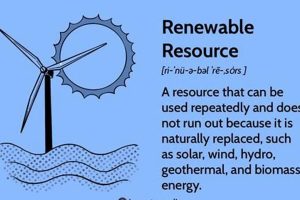
Renewable energy sources derive from natural processes that are replenished at a higher rate than they are consumed. These sources include solar, wind, geothermal, hydropower, and biomass.
Question 2: What are the primary environmental advantages of transitioning to renewable energy?
The primary environmental benefits include reduced greenhouse gas emissions, decreased air and water pollution, and conservation of finite fossil fuel resources. However, the environmental impact of renewable energy infrastructure, such as land use changes, must also be considered.
Question 3: What are the main economic challenges associated with renewable energy deployment?
The economic hurdles include high initial capital investment, intermittency-related costs, and grid integration complexities. However, these costs can be offset by long-term fuel savings and reduced environmental externalities.
Question 4: How does intermittency affect the reliability of renewable energy sources?
The intermittent nature of solar and wind resources can pose challenges to grid stability and reliability. Addressing intermittency requires advanced energy storage solutions, grid management strategies, and forecasting technologies.
Question 5: Are renewable energy sources truly sustainable, considering the resources required for their infrastructure?
While renewable energy sources offer a more sustainable alternative to fossil fuels, their infrastructure does require materials and resources. Sustainable sourcing, recycling, and material substitution are essential for minimizing the environmental impact of renewable energy technologies.
Question 6: What role does government policy play in promoting renewable energy adoption?
Government policies, such as tax credits, subsidies, feed-in tariffs, and renewable energy standards, can play a crucial role in incentivizing renewable energy investments and accelerating the transition to a sustainable energy future.
In summary, renewable energy sources offer significant environmental and economic advantages, but also face challenges related to intermittency, high initial costs, and grid integration. Overcoming these challenges requires technological innovation, supportive policies, and careful planning.
The subsequent section will explore the future prospects and emerging trends in the renewable energy sector.
Renewable Energy Sources
This article has explored the complexities inherent in “renewable energy sources advantages and disadvantages,” elucidating key considerations for policymakers, investors, and the public. The assessment reveals a spectrum of factors, from reduced environmental impact and long-term cost savings to intermittency challenges, high initial investment, resource availability constraints, technological advancements, and grid integration complexities. A comprehensive understanding of these interwoven elements is crucial for informed decision-making within the energy sector.
The pursuit of sustainable energy requires a pragmatic approach, acknowledging both the promise and the limitations of renewable technologies. Strategic investment, policy innovation, and technological development are essential to overcome existing hurdles and fully realize the potential of sustainable energy sources. The future of energy depends on a balanced and informed transition, mitigating risks while harnessing the benefits of a cleaner, more resilient energy system.