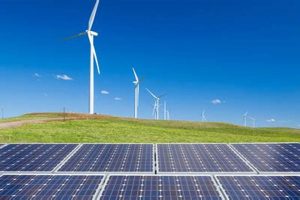
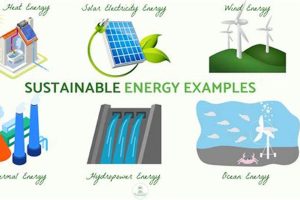
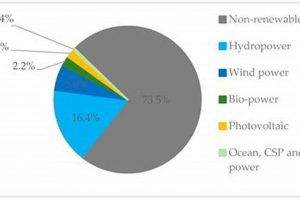
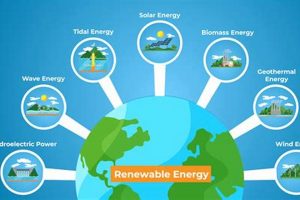
Energy resources that naturally replenish themselves over a human timescale are considered sustainable. These resources derive from natural processes that are constantly renewed, ensuring their availability for future generations. Solar radiation, wind currents, geothermal heat, and flowing water exemplify these resources, providing continuous energy flows.
The significance of these energy options lies in their reduced environmental impact compared to finite fossil fuels. Their utilization mitigates greenhouse gas emissions, lessening the effects of climate change. Historically, reliance on these resources was limited by technological constraints; however, advancements now enable widespread adoption and integration into modern energy grids.
The following sections will explore specific examples of sustainable energy resources, examining their operational principles, advantages, disadvantages, and current applications across various sectors. This includes solar power, wind energy, hydropower, geothermal energy, and biomass.
Strategies for Optimizing the Integration of Sustainable Energy Resources
The effective implementation of sustainable energy necessitates strategic planning and informed decision-making. The following guidelines aim to enhance the deployment and utilization of these resources, maximizing their potential contribution to a sustainable energy future.
Tip 1: Prioritize Grid Modernization: Upgrading existing electrical grids is crucial for accommodating the intermittent nature of some sustainable resources. Smart grid technologies enable efficient energy distribution and enhance grid stability.
Tip 2: Invest in Energy Storage Solutions: Energy storage systems, such as batteries and pumped hydro, address the variability of solar and wind power. These solutions store excess energy for later use, ensuring a consistent energy supply.
Tip 3: Diversify the Energy Portfolio: Relying on a single sustainable energy resource creates vulnerability. A diversified approach, incorporating a mix of solar, wind, geothermal, and hydropower, enhances energy security and resilience.
Tip 4: Implement Supportive Policy Frameworks: Government policies, including tax incentives and carbon pricing mechanisms, encourage investment in sustainable energy projects and create a level playing field for competing energy sources.
Tip 5: Foster Public Awareness and Education: Educating the public about the benefits and potential of sustainable energy is essential for gaining widespread support and promoting responsible energy consumption habits.
Tip 6: Promote Research and Development: Continuous investment in research and development is necessary for improving the efficiency, affordability, and scalability of sustainable energy technologies.
Tip 7: Consider Life Cycle Assessments: Evaluate the environmental impact of sustainable energy technologies across their entire life cycle, from manufacturing to decommissioning. This ensures that the chosen technologies are truly sustainable.
Adopting these strategies contributes to a more resilient, environmentally responsible, and economically viable energy system. Successful integration of these resources requires a holistic approach, encompassing technological innovation, policy support, and public engagement.
The subsequent section will conclude this exploration of sustainable energy, summarizing the key findings and outlining future prospects.
1. Natural Replenishment

Natural replenishment constitutes a fundamental characteristic of sustainable energy, defining it in contradistinction to finite resources. Without consistent renewal on a human timescale, an energy source is, by definition, unsustainable. This self-regenerating capacity directly influences the long-term viability and environmental impact of energy production. Solar radiation, for instance, is constantly replenished by the sun, ensuring an inexhaustible supply of energy. Wind currents are generated by differential heating of the Earth’s atmosphere, a continuous process driven by solar energy. Geothermal heat originates from the Earth’s core, a source that, for all practical purposes, is continuously available. The cyclical nature of these phenomena forms the bedrock upon which sustainable energy systems are built.
The absence of natural replenishment in fossil fuels leads to depletion and associated environmental consequences. Extraction processes disrupt ecosystems, and combustion releases greenhouse gases. Sustainable energy alternatives, however, mitigate these issues by harnessing naturally occurring, self-renewing flows of energy. For example, hydropower utilizes the water cycle, a continuous process of evaporation, precipitation, and runoff. Wind energy leverages atmospheric circulation, a dynamic system driven by solar input. Understanding the principle of natural replenishment is crucial for differentiating truly sustainable energy options from those that may appear environmentally friendly but ultimately rely on finite or depleting resources. Misinterpreting this distinction can lead to flawed energy policies and investment decisions.
In summary, the principle of natural replenishment is inextricably linked to the very definition and practical application of sustainable energy sources. It ensures long-term availability, reduces environmental impact, and differentiates them from unsustainable alternatives. Recognizing this connection is paramount for developing informed strategies for energy production and consumption, and for mitigating the risks associated with climate change and resource depletion.
2. Resource Diversity
Resource diversity, within the context of sustainable energy, represents the strategic deployment of multiple energy sources to enhance energy security and resilience. Reliance on a single energy resource, even a sustainable one, introduces vulnerabilities to disruptions in supply, technological obsolescence, or environmental changes. Diversification mitigates these risks by distributing energy production across a range of options.
- Geographic Variability
Different geographical regions possess varying levels of sustainable energy potential. Solar irradiance is higher in desert regions, while wind speeds are greater in coastal areas and mountainous terrains. Geothermal resources are concentrated in geologically active regions. Deploying a diverse portfolio of sustainable energy technologies allows for leveraging the unique resources available in different locations, optimizing energy production and reducing transportation costs.
- Technological Redundancy
Each sustainable energy technology has its own set of limitations and constraints. Solar power generation is intermittent, dependent on sunlight availability. Wind energy is subject to fluctuations in wind speed. Hydropower can be affected by droughts or changes in precipitation patterns. Diversifying the energy portfolio with multiple technologies provides redundancy, ensuring a more stable and reliable energy supply, even in the face of technical challenges or environmental variations.
- Economic Hedging
The costs associated with different sustainable energy technologies vary and are subject to change over time. Fluctuations in raw material prices, technological advancements, and policy incentives can impact the economic viability of specific technologies. A diversified approach allows for hedging against economic risks, mitigating the impact of cost increases in any single technology. Investments can be strategically allocated to the most cost-effective options at any given time.
- Environmental Impact Mitigation
While sustainable energy resources have a lower environmental impact compared to fossil fuels, each technology has its own set of environmental considerations. Solar farms can require significant land area, wind turbines can pose risks to bird populations, and hydropower dams can alter river ecosystems. Diversification enables the selection of technologies with the least environmental impact in specific locations and circumstances, minimizing the overall environmental footprint of energy production.
The effective integration of resource diversity into sustainable energy strategies requires comprehensive assessment of resource availability, technological feasibility, economic viability, and environmental impact. A well-diversified portfolio enhances energy security, promotes technological innovation, and contributes to a more resilient and sustainable energy future. Such strategies are central to realizing the potential of sustainable energy resources.
3. Reduced Emissions

The utilization of sustainable energy resources is directly linked to decreased emissions of greenhouse gases and air pollutants, a critical advantage over conventional fossil fuels. Combustion of coal, oil, and natural gas releases significant quantities of carbon dioxide, methane, nitrous oxide, and particulate matter into the atmosphere. These emissions contribute to climate change, respiratory illnesses, and other adverse environmental and health effects. Sustainable energy technologies, in contrast, produce minimal or no emissions during operation.
Solar photovoltaic (PV) systems, for instance, convert sunlight directly into electricity without emitting any air pollutants or greenhouse gases. Wind turbines harness the kinetic energy of wind to generate electricity, again with no operational emissions. Geothermal power plants utilize heat from the Earth’s interior, a process that can release small amounts of greenhouse gases, but significantly less than fossil fuel combustion. Hydropower relies on the force of flowing water, a process that is inherently emission-free. The displacement of fossil fuel-based energy generation by these sustainable alternatives leads to a measurable reduction in air pollution and greenhouse gas emissions.
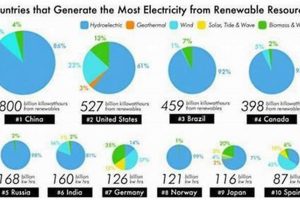
The global transition toward sustainable energy systems is essential for mitigating the impacts of climate change and improving air quality. Countries and regions that have invested heavily in renewable energy sources, such as Germany, Denmark, and California, have demonstrated substantial reductions in their carbon footprints. The environmental and public health benefits associated with reduced emissions are a primary driver for the continued expansion of sustainable energy infrastructure, and understanding this connection is crucial for informed policy decisions and responsible energy consumption.
4. Technological Advancements
Technological advancements represent a driving force behind the increasing viability and widespread adoption of sustainable energy resources. Innovation in materials science, engineering, and energy storage systems has dramatically improved the efficiency, affordability, and reliability of these resources, enabling their integration into modern energy grids.
- Enhanced Solar Panel Efficiency
Significant progress has been made in increasing the efficiency of solar panels. Traditional silicon-based panels have seen incremental improvements, while newer technologies like perovskite and multi-junction solar cells offer the potential for substantially higher conversion rates. Improved efficiency translates directly into greater energy yield per unit area, reducing land usage and lowering the cost per kilowatt-hour generated. For example, thin-film solar cells are becoming more efficient and cost-effective, making solar power more competitive with traditional energy sources. This impacts what renewable sources of energy are viable for broader applications.
- Advanced Wind Turbine Design
Wind turbine technology has evolved significantly, with larger rotor diameters, taller towers, and more sophisticated control systems. These advancements allow turbines to capture more energy from the wind and operate more efficiently in a wider range of wind conditions. Offshore wind farms, in particular, benefit from these innovations, where stronger and more consistent winds are available. The development of floating wind turbine platforms further expands the potential for offshore wind energy deployment. New blade materials, such as carbon fiber composites, allow for longer blades that capture more wind. This contributes to the overall effectiveness of wind as a renewable source.
- Improved Energy Storage Solutions
One of the major challenges associated with renewable energy is its intermittency. Energy storage technologies, such as lithium-ion batteries, flow batteries, and pumped hydro storage, are crucial for addressing this challenge. Advances in battery technology have led to increased energy density, longer lifespans, and lower costs, making energy storage systems more practical for grid-scale applications. Pumped hydro storage continues to be a reliable and cost-effective option for large-scale energy storage. These advancements allows for the reliable and consistent delivery of energy generated from what are renewable sources of energy.
- Smart Grid Technologies
Smart grid technologies are transforming the way energy is distributed and managed. These technologies utilize advanced sensors, communication networks, and data analytics to optimize grid performance, improve reliability, and integrate renewable energy sources more effectively. Smart grids enable real-time monitoring of energy demand and supply, allowing for dynamic adjustments to maintain grid stability. They also facilitate the integration of distributed generation sources, such as rooftop solar panels, into the grid. Smart grids improve the management and use of what are renewable sources of energy.
These technological advancements collectively contribute to the increasing competitiveness and feasibility of sustainable energy resources. As innovation continues, what are renewable sources of energy are poised to play an ever-greater role in meeting global energy needs, reducing greenhouse gas emissions, and promoting a more sustainable energy future. The ongoing progress in these areas is essential for maximizing the potential of these resources.
5. Grid Integration

The successful assimilation of sustainable energy resources into existing electrical grids represents a pivotal challenge in the transition away from fossil fuels. Effective grid integration ensures that intermittent and variable energy sources can reliably supply power to meet consumer demand, maintaining grid stability and preventing disruptions. This process involves a complex interplay of technological advancements, policy frameworks, and strategic planning.
- Transmission Infrastructure Enhancement
Existing transmission lines often lack the capacity to transport electricity from renewable energy generation sites, which are frequently located in remote areas with high resource potential (e.g., wind farms in open plains or solar farms in deserts). Upgrading and expanding transmission infrastructure is essential for connecting these resources to load centers. High-Voltage Direct Current (HVDC) transmission lines are particularly well-suited for transmitting large amounts of power over long distances with minimal losses. A real-world example is the Tres Amigas SuperStation in New Mexico, designed to interconnect the Eastern, Western, and Texas Interconnections, facilitating the transfer of renewable energy across different regions. Improved transmission capacity is critical for integrating what are renewable sources of energy into the broader energy system.
- Smart Grid Technologies Deployment
Smart grid technologies enable real-time monitoring, control, and optimization of the electricity grid. Advanced sensors, communication networks, and data analytics provide grid operators with the information needed to manage the variability of renewable energy sources. Smart meters allow consumers to adjust their energy consumption in response to price signals, reducing peak demand and improving grid stability. Distributed generation management systems coordinate the output of multiple renewable energy sources, ensuring a consistent and reliable supply of power. For example, demand response programs incentivize consumers to reduce their energy use during peak periods, helping to balance the grid and accommodate intermittent renewable energy generation. These technologies are integral to effectively utilizing what are renewable sources of energy.
- Energy Storage System Integration
Energy storage systems, such as batteries, pumped hydro storage, and compressed air energy storage, play a crucial role in mitigating the intermittency of renewable energy sources. These systems store excess energy generated during periods of high production and release it during periods of low production, ensuring a consistent and reliable supply of power. Lithium-ion batteries are increasingly being deployed for grid-scale energy storage, providing fast response times and high energy density. Pumped hydro storage remains a cost-effective option for large-scale energy storage. The Hornsdale Power Reserve in South Australia, one of the world’s largest lithium-ion battery storage systems, demonstrates the effectiveness of energy storage in stabilizing the grid and integrating renewable energy. The integration of energy storage systems is vital for the seamless incorporation of what are renewable sources of energy into the grid.
- Policy and Regulatory Frameworks Development
Supportive policy and regulatory frameworks are essential for incentivizing investment in renewable energy and grid integration. Renewable portfolio standards (RPS) mandate that utilities generate a certain percentage of their electricity from renewable sources. Feed-in tariffs provide guaranteed payments to renewable energy producers, encouraging investment in these technologies. Interconnection standards ensure that renewable energy projects can connect to the grid in a timely and cost-effective manner. The Investment Tax Credit (ITC) and Production Tax Credit (PTC) in the United States have been instrumental in driving the growth of solar and wind energy. Clear and consistent policies are critical for creating a stable investment environment and promoting the widespread adoption of what are renewable sources of energy.
The successful grid integration of sustainable energy resources requires a comprehensive approach that addresses technological, economic, and policy challenges. By investing in transmission infrastructure, deploying smart grid technologies, integrating energy storage systems, and developing supportive policy frameworks, it becomes possible to harness the full potential of what are renewable sources of energy and create a cleaner, more sustainable energy future. The continuous evolution of these components is essential to achieving a reliable, affordable, and environmentally responsible energy system.
Frequently Asked Questions
The following addresses common inquiries and clarifies potential misconceptions regarding sustainable energy resources and their implementation.
Question 1: Are sustainable energy resources truly inexhaustible?
Sustainable energy resources are considered inexhaustible on a human timescale. They naturally replenish themselves, ensuring availability for the foreseeable future. However, some resources, like biomass, require careful management to prevent depletion.
Question 2: How does the cost of sustainable energy compare to fossil fuels?
The upfront costs of some sustainable energy technologies can be higher than fossil fuel-based systems. However, the long-term operational costs are typically lower due to the absence of fuel expenses. Technological advancements are continuously driving down the costs of sustainable energy, making it increasingly competitive.
Question 3: What are the limitations of relying solely on sustainable energy resources?
Intermittency is a primary limitation. Solar and wind power generation fluctuate depending on weather conditions. Energy storage systems and grid modernization are necessary to address this variability and ensure a reliable energy supply.
Question 4: Can sustainable energy resources meet global energy demand?
With sufficient investment and technological advancements, sustainable energy resources have the potential to meet global energy demand. This requires a diversified energy portfolio, including a mix of solar, wind, geothermal, hydropower, and other renewable sources.
Question 5: What is the environmental impact of manufacturing sustainable energy technologies?
Manufacturing sustainable energy technologies, such as solar panels and wind turbines, requires energy and resources. However, the overall environmental impact is significantly lower than fossil fuel-based systems, considering the long-term emissions reductions and the absence of fuel extraction impacts.
Question 6: What role do government policies play in promoting sustainable energy?
Government policies, such as tax incentives, renewable portfolio standards, and carbon pricing mechanisms, are crucial for encouraging investment in sustainable energy projects and creating a level playing field for competing energy sources. These policies help to accelerate the transition to a sustainable energy future.
In summary, sustainable energy resources offer a viable path towards a cleaner, more secure energy future. Addressing the remaining challenges through continued innovation and strategic planning will be crucial for realizing their full potential.
The next section will provide a concluding overview of sustainable energy resources and their future prospects.
Conclusion
This exploration of what are renewable sources of energy underscores their fundamental importance in addressing global energy challenges. From natural replenishment and resource diversity to reduced emissions, technological advancements, and grid integration, these resources offer a pathway to a more sustainable and secure energy future. The transition to these resources necessitates strategic planning, policy support, and continuous innovation.
The continued and accelerated deployment of what are renewable sources of energy is imperative for mitigating climate change, improving air quality, and ensuring long-term energy security. Recognizing the transformative potential and proactively addressing the remaining challenges will shape a resilient and environmentally responsible energy landscape for generations to come. The widespread adoption and effective management of these resources represents a critical investment in a sustainable future.