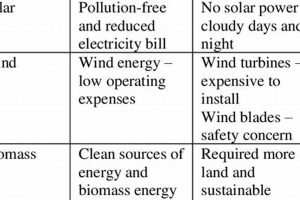
Energy resources with the capacity for natural regeneration within a human lifespan, or those that are actively generated through ongoing processes, represent a sustainable approach to power generation. Solar radiation, wind currents, geothermal heat, and biomass are examples of such resources, offering continuous or repeatable energy yields.
The significance of these energy sources lies in their reduced environmental impact compared to finite reserves. Their utilization mitigates depletion concerns and offers a buffer against volatile energy markets. Historically, societies have harnessed renewable resources like hydropower and wind power, and modern technologies are expanding the potential of these and other sustainable energy options.
The subsequent discussion will explore the technological advancements, economic considerations, and environmental benefits associated with these sources, delving into specific applications and future prospects. Furthermore, challenges related to scalability and infrastructure development will be addressed.
Harnessing Renewable Energy Sources
Optimizing the adoption and effectiveness of continually available energy sources necessitates strategic planning and implementation across various sectors.
Tip 1: Diversify Energy Portfolio: Implement a broad mix of renewable technologies, including solar, wind, hydro, and geothermal, to mitigate risks associated with intermittency and regional resource limitations. For example, combining solar photovoltaic systems with wind farms can provide a more consistent energy supply.
Tip 2: Invest in Energy Storage Solutions: Prioritize the development and deployment of energy storage technologies, such as advanced batteries and pumped hydro storage, to address the variable nature of renewable energy generation. This enables grid stabilization and facilitates reliable power delivery during peak demand periods.
Tip 3: Modernize Grid Infrastructure: Upgrade existing electrical grids to accommodate the integration of distributed renewable energy sources. This includes investing in smart grid technologies that enhance monitoring, control, and real-time management of energy flows.
Tip 4: Implement Supportive Policy Frameworks: Establish clear and consistent policy frameworks that incentivize renewable energy development, such as feed-in tariffs, renewable portfolio standards, and tax credits. These policies create a stable investment environment and drive market growth.
Tip 5: Foster Public-Private Partnerships: Encourage collaboration between government entities and private sector companies to accelerate the deployment of renewable energy projects. Shared resources and expertise can streamline project development and reduce financial burdens.
Tip 6: Promote Energy Efficiency Measures: Implement comprehensive energy efficiency programs across residential, commercial, and industrial sectors to reduce overall energy demand. Lowering demand enhances the impact of renewable energy sources and minimizes the need for additional generation capacity.
Tip 7: Support Research and Development: Invest in ongoing research and development efforts to improve the performance, cost-effectiveness, and reliability of renewable energy technologies. This includes exploring innovative materials, designs, and system integration approaches.
Adopting these strategies contributes to a more secure, sustainable, and economically viable energy future. Successfully incorporating and managing these energy streams is crucial for long-term energy independence and environmental stewardship.
The subsequent section will address the potential challenges and future directions for maximizing the utilization of these essential energy resources.
1. Sustainability

Sustainability, in the context of energy production, refers to the capacity to meet current energy demands without compromising the ability of future generations to meet their own. This concept is inextricably linked to energy sources that replenish naturally or are actively created, as these inherently possess a lower environmental impact and a reduced risk of resource depletion compared to finite fossil fuels. The causative relationship is clear: reliance on sustainable energy sources promotes long-term environmental and economic stability. The alternative continued dependence on non-renewable resources precipitates ecological damage and resource scarcity.
The importance of sustainability as a core component of perpetually available energy stems from its role in mitigating climate change and preserving ecosystems. Wind energy, for example, is a source that can be harnessed continuously if managed properly, thus minimizing carbon emissions and reducing the extraction of natural resources. A poorly executed wind farm project, however, can disrupt local ecosystems and affect biodiversity, highlighting the need for careful consideration of all aspects, from resource extraction to lifecycle impacts. Solar energy presents a similar scenario; while the sun’s energy is inexhaustible, the production and disposal of solar panels present sustainability challenges that must be addressed through circular economy principles and environmentally sound manufacturing practices.
In summary, sustainability is not merely an attribute of replenishable energy sources, but a fundamental requirement for their effective implementation. Successfully integrating such energy sources into the global energy mix requires careful planning, investment in innovative technologies, and a commitment to minimizing environmental and social impacts throughout the entire energy lifecycle. Challenges remain in terms of scalability, cost-effectiveness, and grid integration, but the long-term benefits of a sustainable energy future outweigh the hurdles that must be overcome. The practical significance of understanding this connection is that it guides decision-making towards responsible and environmentally conscious energy practices.
2. Availability

Availability, in the context of continually created or renewed energy sources, signifies the extent to which these resources can be accessed and utilized consistently within a given timeframe and location. The connection between availability and renewable energy is fundamental, as it directly dictates the feasibility of relying on these sources for energy production. A resource that is inherently sustainable holds little practical value if it is geographically restricted or fluctuates significantly in its output. The degree of availability is thus a crucial factor in assessing the potential contribution of any energy source to a diversified and secure energy system. For example, solar energy is abundant globally, but its actual availability for power generation is contingent upon factors such as latitude, cloud cover, and seasonal variations. This variability necessitates careful planning and integration with other energy sources or storage solutions to ensure a reliable power supply.
Geothermal energy presents a contrasting scenario, where its availability is largely dependent on geological factors. While regions with high geothermal activity can benefit from a consistent and baseload power supply, the geographical distribution of these areas is limited. Likewise, wind energy availability is determined by wind patterns, which can vary significantly across different regions and even within relatively short distances. The implication is that large-scale wind farms are typically located in areas with consistent wind resources, such as coastal regions or open plains. Understanding these spatial and temporal variations in availability is crucial for optimizing the deployment of renewable energy technologies and minimizing the need for backup power sources.
In conclusion, the availability of sustainable energy dictates their practicality and scalability as alternatives to conventional energy sources. While the concept of energy replenishment or continuous creation underscores the long-term sustainability of these resources, their actual utility hinges on their reliable and consistent availability. Therefore, a comprehensive assessment of availability, taking into account geographic factors, environmental conditions, and technological limitations, is an essential step in developing sustainable energy strategies and ensuring energy security.
3. Environmental Impact
The environmental consequences of energy production are a critical consideration in the context of perpetually available power sources. These resources, by their nature, aim to minimize ecological disruption compared to traditional fossil fuels. However, a thorough understanding of their specific impacts is essential for responsible implementation.
- Greenhouse Gas Emissions
While the utilization of replenished energy sources inherently reduces direct greenhouse gas emissions from combustion, the entire lifecycle must be considered. Manufacturing renewable energy technologies, such as solar panels and wind turbines, requires energy and materials, which can result in emissions. However, these lifecycle emissions are generally significantly lower than those associated with fossil fuels. Furthermore, the displacement of fossil fuel-based power generation by renewable sources results in a net reduction in overall greenhouse gas emissions.
- Land Use and Habitat Disruption
Renewable energy projects often require significant land areas, which can lead to habitat disruption and biodiversity loss. Large-scale solar farms, wind farms, and hydroelectric dams can impact ecosystems and displace wildlife. Careful site selection, environmental impact assessments, and mitigation strategies are crucial to minimize these effects. For instance, offshore wind farms can reduce land use concerns but may present risks to marine ecosystems.
- Water Consumption
Certain renewable energy technologies, such as concentrated solar power (CSP) plants with cooling towers, can consume substantial amounts of water. Hydropower dams also alter river flow patterns, impacting aquatic ecosystems and water availability for other uses. Conversely, photovoltaic solar panels and wind turbines generally have low water consumption during operation. Careful planning and water management strategies are essential to minimize the water footprint of renewable energy projects.
- Resource Depletion and Waste Management
The manufacturing of renewable energy technologies relies on various materials, including rare earth elements and metals. Mining and processing these materials can have significant environmental impacts. Furthermore, the disposal of end-of-life renewable energy equipment, such as solar panels and wind turbine blades, poses waste management challenges. Developing sustainable supply chains, promoting material recycling, and designing for durability are crucial to address these concerns.
The environmental impact of perpetually available power sources is multifaceted and requires a holistic assessment. While these energy sources offer substantial advantages over fossil fuels in terms of emissions reduction and resource sustainability, careful planning, responsible implementation, and ongoing research are essential to minimize their potential negative effects and maximize their contribution to a sustainable energy future. For example, the development of biodegradable wind turbine blades would significantly reduce the environmental impact associated with their disposal.
4. Economic Viability

Economic viability is a critical determinant in the widespread adoption of energy sources capable of replenishment or continuous generation. The capacity for these resources to compete with established energy production methods, primarily fossil fuels, directly influences their integration into the global energy mix. Historically, the high upfront costs associated with renewable energy technologies, such as solar photovoltaic systems and wind turbines, have presented a barrier to their widespread implementation. A positive relationship exists between decreasing capital expenditures and increasing adoption rates: as the cost of renewable energy technologies declines, their economic attractiveness to investors and consumers increases proportionally.
Government policies play a crucial role in enhancing the economic viability of replenishable energy sources. Subsidies, tax incentives, and carbon pricing mechanisms can effectively level the playing field, making renewable energy projects more competitive. For example, feed-in tariffs, which guarantee a fixed price for renewable energy generated and fed into the grid, have been instrumental in promoting the growth of solar and wind power in numerous countries. Furthermore, technological advancements contribute significantly to economic viability. Increased efficiency in solar panels, improved turbine designs, and enhanced energy storage solutions all contribute to lowering the cost per unit of energy generated, thereby making renewable energy more competitive. The economic success of large-scale renewable energy projects, such as solar farms and wind parks, validates the technological and economical feasibility of these energy sources.
In conclusion, economic viability represents a fundamental condition for the successful integration of constantly available energy sources into the global energy landscape. Lowering costs through technological innovation, supporting investments through targeted policies, and demonstrating long-term economic benefits are essential for creating a sustainable and affordable energy future. The challenge lies in balancing short-term economic considerations with the long-term environmental and social benefits that these energy sources offer. Overcoming this challenge requires concerted efforts from governments, industry, and research institutions to promote a favorable economic environment for renewable energy development.
5. Technological Advancements
Technological advancements are instrumental in unlocking the full potential and expanding the accessibility of renewable energy sources. Innovations across various fields enhance efficiency, reduce costs, and improve the reliability of systems harnessing these resources, directly impacting their viability as mainstream energy alternatives.
- Increased Efficiency of Solar Photovoltaics
Advancements in materials science and cell design have significantly increased the efficiency of solar photovoltaic (PV) panels. Traditional silicon-based cells are being augmented or replaced by thin-film technologies and perovskite materials, boosting energy conversion rates. This translates to higher electricity generation from the same surface area, reducing land use requirements and improving the economic competitiveness of solar energy.
- Improved Wind Turbine Design and Materials
Wind turbine technology has evolved to maximize energy capture from wind resources. Taller towers, longer blades, and optimized airfoil designs enhance the ability of turbines to harness wind energy effectively. Furthermore, the development of lighter and stronger composite materials allows for the construction of larger, more efficient turbines, increasing energy output and reducing maintenance costs.
- Advanced Energy Storage Solutions
The intermittent nature of renewable energy sources necessitates effective energy storage solutions. Technological advancements in battery technologies, such as lithium-ion and flow batteries, are improving energy storage capacity, efficiency, and lifespan. Additionally, other storage methods like pumped hydro storage and compressed air energy storage are being refined to provide large-scale, long-duration energy storage capabilities, enabling a more stable and reliable supply of renewable energy.
- Smart Grid Technologies for Integration
Integrating renewable energy sources into existing power grids requires advanced grid management technologies. Smart grids, equipped with sensors, communication networks, and advanced control systems, enable real-time monitoring and optimization of energy flows. These technologies facilitate the seamless integration of distributed renewable energy generation, enhance grid stability, and improve overall energy efficiency.
These technological strides not only improve the performance of individual renewable energy technologies but also foster the development of integrated energy systems. Continued innovation across these areas is essential for realizing the full potential of constantly replenished or created energy resources, paving the way for a sustainable and resilient energy future.
6. Energy Storage

Energy storage constitutes a critical element in the effective utilization of energy resources capable of replenishment or continuous generation. These resources, characterized by intermittent availability, necessitate robust storage mechanisms to ensure a consistent and reliable power supply.
- Grid Stabilization and Balancing
Energy storage systems play a vital role in stabilizing the electrical grid and balancing supply with demand. Renewable energy sources, such as solar and wind, exhibit fluctuating power outputs that can destabilize the grid. Energy storage technologies, including batteries and pumped hydro, can absorb excess energy during periods of high generation and release it when demand exceeds supply, thus maintaining grid frequency and voltage within acceptable limits. For example, large-scale battery storage facilities connected to wind farms can mitigate the variability of wind power and provide a more predictable energy supply to the grid.
- Peak Shaving and Load Leveling
Energy storage can be deployed to reduce peak demand on the grid, shifting energy consumption from high-demand periods to off-peak hours. This process, known as peak shaving or load leveling, reduces the need for expensive peaking power plants, which are typically fueled by natural gas and emit greenhouse gases. Energy storage systems can store excess renewable energy generated during periods of low demand and release it during peak hours, thereby lowering overall energy costs and reducing emissions. Commercial buildings equipped with battery storage systems can reduce their electricity bills by discharging stored energy during peak demand periods, minimizing their reliance on the grid.
- Improved Renewable Energy Integration
Energy storage enhances the integration of renewable energy sources into the power grid by addressing their inherent intermittency. The availability of solar and wind power is dependent on weather conditions, which can vary significantly throughout the day and year. Energy storage technologies provide a means of capturing and storing excess renewable energy when it is available and releasing it when it is needed, irrespective of weather conditions. This capability enables a higher penetration of renewable energy in the grid, reducing reliance on fossil fuels and promoting a cleaner energy mix. Microgrids incorporating solar panels, wind turbines, and battery storage systems can provide reliable power to remote communities, reducing their dependence on diesel generators.
- Ancillary Services and Grid Support
Energy storage systems can provide various ancillary services to the power grid, enhancing its stability and reliability. These services include frequency regulation, voltage support, and spinning reserve. Frequency regulation involves maintaining the grid frequency within a narrow band by quickly injecting or absorbing power. Voltage support helps stabilize voltage levels on the grid, preventing voltage sags and ensuring reliable power delivery. Spinning reserve refers to the ability of generators or storage systems to quickly respond to sudden losses of power generation. Battery energy storage systems, due to their rapid response times, are particularly well-suited for providing these ancillary services. Grid-scale battery installations can participate in frequency regulation markets, earning revenue while simultaneously supporting grid stability.
The integration of energy storage solutions with these energy sources is essential to maximize their contribution to a sustainable and resilient energy future. Widespread deployment of storage technologies will enable a higher penetration of renewable energy, reduce reliance on fossil fuels, and enhance the stability and reliability of the power grid.
7. Grid Integration

The seamless assimilation of continually replenished energy sources into existing electrical grids, referred to as grid integration, is paramount for their widespread adoption and effectiveness. It addresses the challenges posed by the inherent variability and distributed nature of these energy resources, ensuring a stable and reliable power supply.
- Managing Intermittency
Renewable energy sources such as solar and wind power are intermittent, meaning their output fluctuates based on weather conditions. Grid integration strategies employ advanced forecasting tools, energy storage systems, and flexible grid infrastructure to manage these fluctuations and maintain a balance between supply and demand. For example, smart grid technologies can predict solar energy output and dispatch other resources to compensate for any shortfalls, ensuring a consistent power supply.
- Distributed Generation
Many renewable energy installations, such as rooftop solar panels, are distributed throughout the grid. Grid integration facilitates the connection of these distributed generation resources, allowing them to contribute to the overall power supply. This requires advanced metering infrastructure, bidirectional power flows, and sophisticated grid management systems. Community solar projects, where multiple households feed excess power back into the grid, exemplify this distributed generation model.
- Grid Modernization and Smart Grids
Integrating renewable energy sources often necessitates upgrading existing grid infrastructure to accommodate the increased complexity and variable power flows. Smart grids, equipped with sensors, communication networks, and advanced control systems, enable real-time monitoring, optimization, and management of the grid. These technologies enhance grid stability, improve energy efficiency, and facilitate the seamless integration of renewable energy resources. The deployment of smart meters and advanced distribution automation systems are key components of this grid modernization effort.
- Ancillary Services
Renewable energy resources can also provide ancillary services to the grid, such as frequency regulation, voltage support, and spinning reserves. These services are essential for maintaining grid stability and reliability. Advanced control systems and energy storage technologies enable renewable energy resources to respond quickly to changes in grid conditions, providing these critical ancillary services. Wind farms equipped with fast-acting control systems can adjust their output to stabilize grid frequency, contributing to overall grid reliability.
In conclusion, effective grid integration is essential for maximizing the contribution of perpetually available energy resources to a sustainable and secure energy future. Investments in smart grid technologies, advanced forecasting tools, and energy storage systems are crucial for overcoming the challenges associated with intermittent generation and distributed resources. By seamlessly integrating these resources into the grid, their ability to meet our energy needs while minimizing environmental impact is significantly enhanced.
Frequently Asked Questions
The following questions address common inquiries regarding energy sources that are naturally replenished or actively created, exploring their characteristics, limitations, and potential.
Question 1: Why are perpetually available energy sources considered important?
Their significance stems from their capacity to provide long-term energy security while mitigating environmental impacts associated with finite energy reserves. Reliance on these resources diminishes dependence on fossil fuels, thereby reducing greenhouse gas emissions and resource depletion.
Question 2: What are the primary types of energy resources that are either replenished or created?
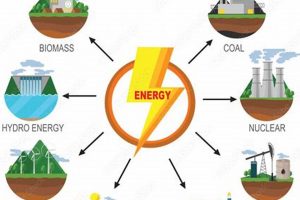
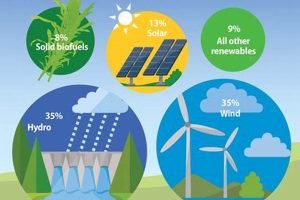
The main categories encompass solar, wind, hydro, geothermal, and biomass. Each type harnesses different natural processes to generate electricity or heat, contributing to a diversified energy portfolio.
Question 3: What are the limitations associated with relying on renewable energy sources?
Intermittency poses a significant challenge, as the availability of solar and wind energy fluctuates depending on weather conditions. Additionally, some renewable energy technologies require significant land areas and can have localized environmental impacts.
Question 4: How does energy storage address the variability of renewable energy sources?
Energy storage technologies, such as batteries and pumped hydro, store excess energy generated during periods of high production and release it when demand exceeds supply. This enhances the reliability and stability of renewable energy systems.
Question 5: What role does government policy play in promoting the adoption of energy resources that are continually available?
Government policies, including subsidies, tax incentives, and renewable portfolio standards, create a favorable investment environment and incentivize the development and deployment of these resources.
Question 6: How can the economic viability of perpetually available energy sources be further improved?
Continued technological advancements, economies of scale, and streamlined permitting processes are crucial for lowering the costs of renewable energy technologies and making them more competitive with conventional energy sources.
In summary, while these energy options offer a pathway to a sustainable energy future, addressing the challenges related to intermittency, environmental impact, and economic viability is essential for their widespread adoption.
The subsequent section will examine the future prospects and challenges associated with expanding the utilization of these resources.
Renewable Energy
The preceding discussion has underscored the multifaceted importance of sources of energy that can be replenished or created are. These resources represent a departure from finite and environmentally damaging energy sources, offering a pathway towards energy security and ecological stewardship. The feasibility and effectiveness of their implementation are contingent on technological innovation, strategic policy frameworks, and careful management of environmental impacts.
The continued pursuit of advancements in these energy sectors is not merely an option, but a necessity. A concerted global effort, encompassing research, development, and responsible deployment, is crucial to realizing the full potential of these resources and ensuring a sustainable energy future for generations to come. The decisions made today will irrevocably shape the energy landscape of tomorrow.

![[PPT] Eco Power: Renewable Sources of Energy Guide Now! | Renewable Energy Solutions for a Sustainable Future | Clean & Green Power](https://pplrenewableenergy.com/wp-content/uploads/2026/04/th-80-300x200.jpg "[PPT] Eco Power: Renewable Sources of Energy Guide Now! Renewable Energy Solutions for a Sustainable Future | Clean & Green Power")