Harnessing power from naturally replenishing resources such as solar, wind, and water presents several practical and economic challenges. These challenges include intermittency of supply, geographical limitations, and the need for significant upfront capital investment. For example, solar energy generation is heavily dependent on sunlight availability, rendering it unreliable during nighttime hours or periods of heavy cloud cover. Similarly, wind energy relies on consistent wind patterns, which are not always predictable or uniformly distributed across all regions.
Addressing the limitations associated with sustainable power generation is crucial for achieving a balanced and resilient energy infrastructure. Understanding these drawbacks enables policymakers, researchers, and investors to strategically allocate resources, develop innovative solutions, and refine existing technologies. Historically, the pursuit of environmentally friendly energy alternatives has been driven by growing concerns over fossil fuel depletion, climate change, and the need for a more sustainable future. Successfully overcoming these obstacles is essential for maximizing the potential of clean energy and mitigating its negative aspects.
The subsequent sections will delve into specific factors that contribute to the challenges associated with integrating these power sources into established energy grids. These factors include the environmental impact of manufacturing and deployment, the complexities of energy storage, and the economic considerations that influence consumer adoption. Furthermore, the discussion will examine the technological advancements aimed at mitigating these problems and facilitating a wider transition towards cleaner energy solutions.
Addressing the Challenges of Renewable Energy
Maximizing the viability of sustainable energy requires strategic planning and technological advancement to mitigate inherent drawbacks.
Tip 1: Invest in Energy Storage Solutions: The intermittent nature of resources necessitates robust storage. Batteries, pumped hydro, and thermal storage enhance grid stability by providing power during periods of low resource availability.
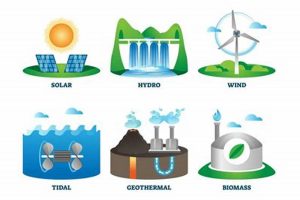
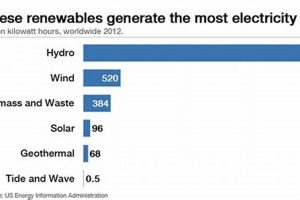
Tip 2: Diversify Energy Sources: Relying solely on one source creates vulnerability. Combining solar, wind, geothermal, and hydropower reduces risk and ensures a more consistent energy supply.
Tip 3: Improve Grid Infrastructure: Modernizing transmission networks is crucial. Smart grids with enhanced monitoring and control capabilities minimize energy loss and accommodate distributed generation.
Tip 4: Conduct Thorough Environmental Impact Assessments: Evaluating the full lifecycle impact is essential. This includes manufacturing, deployment, and decommissioning processes to minimize ecological damage.
Tip 5: Implement Strategic Siting Policies: Location is paramount for efficiency. Careful selection of sites minimizes environmental disruption and optimizes energy capture based on resource availability.
Tip 6: Promote Research and Development: Continued innovation is key to reducing costs and improving efficiency. Investing in research yields advancements in materials, technologies, and integration methods.
Tip 7: Develop Robust Recycling Programs: End-of-life management is crucial for sustainable resource use. Establishing recycling programs for components like solar panels and wind turbine blades minimizes waste and environmental impact.
Effectively addressing the constraints associated with renewable sources is critical for realizing a sustainable energy future. By strategically mitigating these shortcomings, clean energy can become a reliable and economically viable alternative to fossil fuels.
The final section will summarize the key points and discuss the long-term outlook for renewable energy adoption.
1. Intermittency

Intermittency, a fundamental characteristic of several renewable energy sources, directly contributes to the challenges associated with their widespread implementation. Solar energy generation is inherently linked to daylight availability; thus, power production ceases during nighttime hours and is diminished by cloud cover. Wind energy’s output fluctuates with wind speed and is dependent on consistent wind patterns, leading to periods of low or no generation. This inherent variability creates a mismatch between energy supply and demand, requiring mechanisms to stabilize the grid.
The practical significance of understanding intermittency lies in the need for robust grid management strategies. Energy storage solutions, such as battery systems and pumped hydro storage, become essential for smoothing out fluctuations and ensuring a continuous power supply. Geographic diversification of renewable energy projects can mitigate localized intermittency by leveraging different weather patterns across regions. Furthermore, accurate forecasting of renewable energy generation is critical for grid operators to anticipate and manage variability effectively. For instance, California’s experience with integrating large-scale solar power demonstrates the importance of flexible natural gas power plants to compensate for rapid changes in solar output during peak demand periods. In many countries, utilities are also actively incentivizing residential and commercial customers to shift their consumption patterns to match renewable availability and peak production periods.
In summary, intermittency is a core limitation that shapes the operational characteristics and economic viability of renewable energy sources. Addressing intermittency requires a multifaceted approach involving technological advancements in energy storage, strategic grid management, and policy interventions to promote flexible energy consumption. Overcoming these challenges is essential for realizing the full potential of renewable energy and transitioning towards a sustainable energy future.
2. Land Use
The considerable land area required for renewable energy infrastructure represents a significant constraint. Solar farms and wind turbine installations, particularly when scaled to utility-level production, necessitate substantial tracts of land. This demand can lead to habitat disruption, deforestation, and competition with agricultural or other land uses. The physical footprint of these facilities directly impacts ecosystems, potentially fragmenting habitats, displacing wildlife, and altering local biodiversity. For example, the construction of large-scale solar plants in desert ecosystems can disrupt fragile plant communities and impact the habitat of desert-dwelling species. The visual impact of wind turbine arrays can also raise concerns in scenic areas, affecting property values and tourism.
Practical considerations surrounding land use extend to siting decisions and community engagement. Careful planning is essential to minimize environmental impacts and address local concerns. Strategies such as co-location of solar arrays with agricultural activities (agrivoltaics) can mitigate land use conflicts by allowing for simultaneous food production and energy generation. Off-shore wind farms, while technically more complex and costly, reduce land use pressures and can capitalize on stronger, more consistent wind resources. Furthermore, involving local communities in the planning process and providing economic benefits, such as lease payments to landowners, can foster acceptance and reduce opposition to renewable energy projects. In Germany, for example, many wind farms are partially owned by local residents, providing a direct economic incentive for their support.
In summary, land use is a critical consideration in the deployment of renewable energy technologies. The extensive land requirements can lead to environmental impacts, resource competition, and community concerns. Strategic planning, innovative land management practices, and community engagement are essential for minimizing these drawbacks and ensuring that renewable energy development proceeds in a sustainable and socially responsible manner. Addressing these land-use challenges is crucial for maximizing the benefits of sustainable energy while mitigating its potential negative consequences.
3. Resource Dependence

The reliance on specific materials for manufacturing and deploying renewable energy technologies introduces vulnerabilities related to resource availability, geopolitical factors, and environmental impacts. This dependence constitutes a significant aspect when evaluating the drawbacks of these energy sources.
- Rare Earth Elements in Solar Panels and Wind Turbines
Many solar panel designs and wind turbine generators incorporate rare earth elements (REEs) to enhance efficiency and performance. The extraction and processing of REEs often involve environmentally damaging practices, including habitat destruction and water pollution. Moreover, the geographic concentration of REE reserves, primarily in countries with varying environmental and labor standards, creates supply chain risks and geopolitical dependencies.
- Lithium and Cobalt for Energy Storage
Lithium-ion batteries, essential for energy storage systems that address the intermittency of solar and wind power, depend on lithium and cobalt. Cobalt mining, particularly in certain regions, has been associated with ethical concerns regarding labor practices and environmental degradation. Securing a stable and ethically sourced supply of these materials presents ongoing challenges as the demand for energy storage increases.
- Critical Minerals for Electronics and Components
The electronic components used in renewable energy systems, such as inverters and control systems, require various critical minerals. The availability and cost of these minerals can influence the overall economics of renewable energy projects. Fluctuations in mineral prices, driven by supply constraints or geopolitical events, can impact project viability and competitiveness.
- Material Availability and Recycling Challenges
Increased deployment of renewable energy technologies necessitates proactive measures to address the end-of-life management of components. Establishing robust recycling programs for solar panels, wind turbine blades, and batteries is crucial to mitigate resource depletion and minimize environmental impacts. However, current recycling infrastructure and technologies face challenges in recovering valuable materials efficiently and cost-effectively.
These facets of resource dependence highlight the need for sustainable material sourcing practices, innovation in material science to reduce reliance on scarce resources, and the development of effective recycling strategies. Addressing these challenges is essential for minimizing the environmental and geopolitical risks associated with renewable energy deployment and ensuring a more sustainable and resilient energy transition.
4. Upfront Costs
The substantial initial capital investment required for renewable energy projects constitutes a significant impediment to their widespread adoption. These expenses, incurred during the planning, construction, and installation phases, often surpass those associated with traditional fossil fuel-based power plants, thereby influencing investment decisions and overall economic feasibility.
- High Initial Investment in Infrastructure
The establishment of renewable energy facilities, such as solar farms or wind parks, necessitates considerable investment in equipment, land acquisition, and grid connection infrastructure. Solar panel manufacturing, wind turbine production, and the construction of associated transmission lines contribute significantly to the overall project cost. For example, a large-scale offshore wind farm demands substantial upfront capital for turbine construction, subsea cabling, and specialized installation vessels. These high initial costs can deter potential investors, particularly in regions with limited financial resources or uncertain policy frameworks.
- Financing Challenges and Risk Perception
Securing financing for renewable energy projects can be challenging due to the perceived risks associated with new technologies and the fluctuating nature of renewable resources. Investors often demand higher rates of return to compensate for these perceived risks, increasing the overall cost of capital. Long project development timelines and regulatory uncertainties further contribute to financing difficulties. Consequently, project developers may encounter obstacles in obtaining necessary funding, hindering the implementation of otherwise viable renewable energy projects.
- Grid Integration and Modernization Expenses
Integrating renewable energy sources into existing power grids requires significant upgrades and modernization of transmission infrastructure. The intermittent nature of solar and wind power necessitates investments in grid stabilization technologies, energy storage solutions, and smart grid systems to ensure reliable electricity supply. These grid integration costs can be substantial, particularly in regions with outdated or inadequate infrastructure, adding to the overall financial burden of renewable energy deployment. For example, expanding transmission capacity to connect remote wind farms to urban centers can involve significant capital expenditure.
- Technological Obsolescence and Replacement Costs
The rapid pace of technological innovation in the renewable energy sector raises concerns about the potential for technological obsolescence. Renewable energy equipment, such as solar panels and wind turbines, has a limited lifespan, requiring periodic replacement and upgrades. These replacement costs, although typically lower than the initial investment, can still represent a significant financial burden over the project’s lifecycle. Furthermore, the emergence of newer, more efficient technologies may incentivize early replacement of existing equipment, leading to additional expenses.
In conclusion, the high upfront costs associated with renewable energy projects represent a substantial barrier to their widespread adoption. These costs, encompassing infrastructure development, financing challenges, grid integration expenses, and technological obsolescence concerns, can significantly impact project feasibility and investment decisions. Addressing these economic constraints through policy incentives, technological advancements, and innovative financing mechanisms is crucial for accelerating the transition towards a sustainable energy future.
5. Environmental Impacts

The pursuit of environmentally sustainable energy sources is often perceived as inherently beneficial. However, a comprehensive evaluation reveals that renewable energy technologies are not without their own ecological consequences. These impacts, stemming from various stages of the lifecycle, represent a crucial consideration when assessing the overall drawbacks of renewable energy adoption.
- Habitat Disruption from Infrastructure Development
The construction of renewable energy facilities, such as solar farms, wind turbine arrays, and hydroelectric dams, invariably alters landscapes and disrupts ecosystems. Land clearing for solar installations can lead to habitat loss, soil erosion, and fragmentation of wildlife corridors. Wind turbine placement can pose a threat to avian and bat populations through collisions. Hydroelectric dams alter riverine ecosystems, impacting fish migration and water quality. These disruptions, though often localized, contribute to biodiversity loss and ecological imbalance. For example, desert solar projects have faced scrutiny for their impact on threatened tortoise populations, necessitating mitigation measures to minimize harm.
- Manufacturing and Material Sourcing Impacts
The manufacturing of renewable energy components, including solar panels, wind turbine blades, and batteries, entails the consumption of raw materials and energy, as well as the generation of waste and emissions. The extraction of rare earth elements and other critical minerals used in these technologies can result in significant environmental damage, including habitat destruction, water contamination, and air pollution. Furthermore, the transportation of materials and components adds to the carbon footprint of renewable energy systems. For instance, the production of silicon for solar panels requires energy-intensive processes that can contribute to greenhouse gas emissions if not powered by renewable sources.
- Waste Disposal and Recycling Challenges
The end-of-life management of renewable energy equipment presents a growing environmental challenge. Solar panels and wind turbine blades, composed of complex materials, are difficult to recycle, often ending up in landfills. The leaching of toxic substances from discarded equipment poses a threat to soil and water resources. Effective recycling programs and innovative waste management strategies are essential to mitigate these impacts. However, the current recycling infrastructure for renewable energy components is limited, and the cost of recycling often exceeds the value of recovered materials.
- Impacts on Water Resources
Certain renewable energy technologies, particularly hydropower and concentrated solar power (CSP), can have significant impacts on water resources. Hydroelectric dams alter river flow regimes, affecting downstream ecosystems and water availability. CSP plants require large volumes of water for cooling, potentially straining water supplies in arid regions. The construction of these facilities can also lead to water pollution and sedimentation. Careful water management strategies are crucial to minimize the environmental impacts of these technologies. For example, dry-cooling systems can reduce water consumption in CSP plants, but at the expense of increased energy consumption and capital costs.
- Aesthetic and Noise Pollution
Though less ecologically damaging, the aesthetic impacts of large-scale renewable energy installations and the noise generated by some technologies can also be considered negative environmental consequences. Large wind farms, for instance, can visually dominate a landscape, leading to opposition from local communities. The “whooshing” sound produced by turning turbine blades can also contribute to noise pollution that affects the sleep and wellbeing of local residents. It is therefore important to include careful selection of project sites and appropriate noise reduction measures to mitigate these impacts.
These ecological considerations are not intended to undermine the importance of transitioning to a sustainable energy future. Rather, they underscore the need for a comprehensive and balanced approach to renewable energy deployment, one that recognizes and addresses the environmental consequences associated with these technologies. By implementing sustainable material sourcing practices, developing effective recycling programs, and conducting thorough environmental impact assessments, it is possible to minimize the ecological footprint of renewable energy and ensure that these technologies truly contribute to a more sustainable future. Failing to mitigate these factors will only perpetuate a different set of environmental problems, highlighting the complexity of achieving a truly ‘green’ energy transition.
Frequently Asked Questions
This section addresses common inquiries concerning the limitations associated with renewable energy technologies. Understanding these drawbacks is essential for informed decision-making regarding energy policy and investment.
Question 1: Are renewable energy sources always reliable?
No. Sources like solar and wind exhibit intermittency. Solar power generation depends on sunlight availability, and wind power is contingent upon consistent wind patterns. This variability necessitates energy storage solutions or backup power generation systems to ensure a stable electricity supply.
Question 2: Do renewable energy installations require significant land area?
Yes. Utility-scale solar farms and wind turbine arrays necessitate considerable land tracts. This can lead to habitat disruption, deforestation, and competition with agricultural or other land uses. Strategic siting and land management practices are crucial to minimize these impacts.
Question 3: Are renewable energy technologies truly environmentally benign?
Renewable energy technologies do have environmental impacts. Manufacturing processes consume raw materials and energy. The extraction of certain minerals used in solar panels and wind turbines can result in environmental damage. End-of-life disposal of equipment poses challenges due to the difficulty in recycling complex materials.
Question 4: Are renewable energy projects economically viable?
High upfront costs for renewable energy projects can be a barrier. The initial investment in infrastructure, equipment, and grid integration can exceed that of traditional fossil fuel-based power plants. Financing challenges and perceived risks can further complicate project economics.
Question 5: Does the geographical location affect renewable energy production?
Yes. Resource availability varies by location. Solar power is more efficient in regions with high solar irradiance, while wind power depends on consistent wind speeds. Hydropower is limited to areas with suitable water resources and topography. This geographical dependence can restrict the widespread deployment of certain renewable energy technologies.
Question 6: Does renewable energy technology require specific materials?
The reliance on specific materials represents a point of vulnerability. Rare earth elements are often used in solar panels and wind turbines, creating supply chain risks and geopolitical dependencies. Lithium and cobalt, critical for energy storage batteries, are subject to ethical sourcing concerns and potential resource scarcity.
Understanding these limitations provides a more complete picture of renewable energy’s role in future energy systems. Overcoming these challenges requires ongoing research, technological innovation, and strategic policy interventions.
The subsequent section will summarize the core arguments presented and offer concluding remarks.
Cons of Renewable Energy Sources
The preceding analysis has illuminated the multifaceted drawbacks associated with renewable energy sources. Intermittency, land use implications, resource dependence, upfront costs, and environmental impacts represent critical considerations that demand careful evaluation. The inherent variability of solar and wind power necessitates robust storage solutions and grid management strategies. The extensive land requirements for renewable energy facilities can lead to habitat disruption and resource competition. Reliance on specific materials introduces supply chain vulnerabilities and environmental concerns. The high upfront costs of projects can hinder investment, and the environmental consequences, while generally less severe than those of fossil fuels, are not negligible. These complexities underscore the need for a balanced and nuanced perspective on the transition to sustainable energy.
Acknowledging these limitations is essential for formulating effective energy policies and fostering technological innovation. Strategic investments in energy storage, smart grid infrastructure, and sustainable material sourcing are crucial for mitigating the drawbacks of renewable energy. Continued research and development are needed to improve efficiency, reduce costs, and minimize environmental impacts. By confronting these challenges directly and proactively, a more sustainable and resilient energy future can be achieved, but only with a comprehensive understanding of the inherent limitations present in renewable energy technologies.