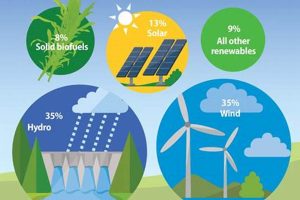
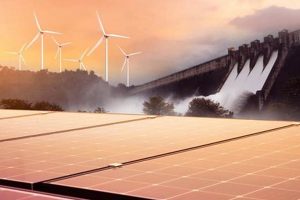
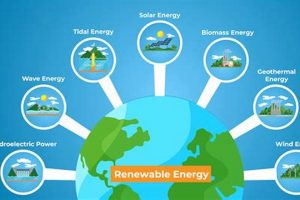
Harnessing power from naturally replenishing resources presents a sustainable alternative to traditional fossil fuels. Solar energy, derived from the sun’s radiation, can be converted into electricity via photovoltaic cells or used for heating purposes through solar thermal collectors. Wind power, another prominent example, leverages the kinetic energy of moving air to drive turbines, generating electricity without depleting natural resources.
Adopting these methods offers numerous advantages, including reduced greenhouse gas emissions, decreased reliance on finite resources, and the potential for energy independence. Historically, their development was spurred by concerns over air quality and the increasing awareness of the environmental impact of conventional energy generation. These environmentally conscious options are vital for securing a sustainable energy future and mitigating the effects of climate change.
Further exploration reveals diverse applications and innovative technologies within each category. Investigating the efficiency, scalability, and integration challenges associated with specific implementations offers a deeper understanding of their potential contribution to a diversified energy portfolio. Detailed analysis of current research and development efforts further clarifies the trajectory of these critical power generation methods.
Optimizing the implementation and utilization of environmentally conscious power sources necessitates careful consideration of various factors. Adhering to the following guidelines can contribute to a more effective and sustainable energy strategy.
Tip 1: Assess Resource Availability: Prior to investing in solar or wind energy, a thorough evaluation of regional sunlight exposure and wind patterns is essential. Geographic location significantly impacts the feasibility and potential energy output of these systems.
Tip 2: Prioritize Energy Efficiency: Reducing overall energy consumption through improved building insulation, energy-efficient appliances, and optimized industrial processes minimizes the demand for any power source, including renewable options.
Tip 3: Explore Energy Storage Solutions: Integrating battery storage systems allows for the capture and utilization of excess energy generated during peak production periods. This mitigates the intermittency challenges associated with renewable resources.
Tip 4: Consider Hybrid Systems: Combining solar and wind energy systems can provide a more consistent and reliable power supply, as the strengths of one can compensate for the limitations of the other during variable weather conditions.
Tip 5: Analyze Lifecycle Costs: Evaluating the total cost of ownership, including installation, maintenance, and eventual decommissioning, is crucial for determining the long-term economic viability of a renewable energy project.
Tip 6: Research available incentives: Many governments and utility companies offer rebates, tax credits, and other financial incentives to encourage the adoption of environmentally friendly power solutions. Thoroughly investigate these possibilities to minimize upfront costs and maximize return on investment.
Implementing these measures enhances the efficiency and reliability of renewable energy systems, ultimately contributing to a more sustainable and resilient energy infrastructure. Informed decision-making is paramount for effectively harnessing the benefits these solutions offer.
Continuing research and development into advanced technologies and optimized system designs are essential for realizing the full potential of environmentally conscious power alternatives. Further exploration of these areas will contribute to a cleaner and more sustainable energy future.
1. Solar Photovoltaic

Solar photovoltaic (PV) technology is a critical component within the realm of renewable energy generation. As one of several non-depleting energy sources, PV systems convert sunlight directly into electricity via semiconductor materials. The connection to “two types of renewable energy sources” lies in its role as a prominent example of sustainable electricity generation, contributing significantly to reducing reliance on fossil fuels. The causal relationship is straightforward: incident sunlight triggers electron movement within the PV cell, resulting in electric current. The increasing adoption of solar PV systems globally is a direct consequence of their environmental benefits and decreasing costs.
The importance of solar PV extends beyond its capacity to generate clean electricity. Its modular nature allows for diverse applications, ranging from small-scale residential installations to large utility-scale power plants. For example, in regions with high solar irradiance, such as the southwestern United States, solar PV provides a substantial portion of the electricity demand. Furthermore, the development and deployment of solar PV technology stimulate economic growth through job creation in manufacturing, installation, and maintenance sectors. Continuous innovation in PV cell materials and system design is further enhancing its efficiency and affordability.
In summary, solar PV stands as a vital contributor to the broader landscape of sustainable energy solutions. Addressing challenges such as intermittency through energy storage and optimizing grid integration are essential steps for maximizing its impact. Understanding the fundamental principles of PV technology, coupled with its practical applications and economic considerations, is crucial for advancing the transition towards a cleaner energy future. Its integration within diversified energy portfolios will play a key role in mitigating climate change and ensuring energy security.
2. Wind turbine technology

Wind turbine technology represents a crucial component within the established discourse on renewable energy sources. Its prominence stems from its capacity to convert kinetic energy present in moving air into electrical power, thereby offering a sustainable alternative to conventional fossil fuel-based generation. Wind energy serves as a direct instance of harnessing a naturally replenishing resource. The availability of wind resources within a given geographic location directly influences the energy output and feasibility of wind-based power generation. The increasing reliance on wind-generated electricity is demonstrably linked to global efforts aimed at curbing greenhouse gas emissions and enhancing energy security.
The practical application of wind turbine technology extends across diverse settings, ranging from onshore wind farms strategically positioned in areas with consistently high wind speeds to offshore installations capitalizing on stronger and more stable marine wind resources. Furthermore, the development and refinement of wind turbine designs, including advancements in blade aerodynamics and generator technology, has demonstrably increased energy capture efficiency. A specific example lies in the growth of wind power in regions such as the Great Plains of the United States, where extensive wind farms contribute significantly to the regional energy mix. The ongoing research and development efforts focus on addressing key challenges such as grid integration and reducing potential impacts on wildlife.
In summation, wind turbine technology represents an integral element within the pursuit of sustainable energy solutions. The effectiveness of wind power generation is contingent upon optimizing turbine design, strategically siting installations, and addressing associated environmental concerns. Its integration into diversified energy portfolios plays a pivotal role in mitigating climate change and augmenting the stability of electricity grids. Continued innovation in this field is essential for realizing the full potential of wind as a renewable energy source.
3. Energy conversion efficiency

Energy conversion efficiency, defined as the ratio of useful energy output to total energy input, constitutes a critical parameter in evaluating the performance and economic viability of renewable energy technologies. Its optimization is paramount for maximizing the energy generated from available resources, directly impacting the overall cost-effectiveness and environmental benefits derived from these systems. Regarding solar and wind resources, improvements in conversion rates significantly influence their competitive standing relative to conventional power generation methods.
- Photovoltaic Cell Efficiency
Photovoltaic cell efficiency measures the percentage of sunlight converted into electricity by solar panels. Higher efficiency translates to greater power output from a given surface area, reducing land requirements and overall system costs. For instance, advancements in multi-junction solar cells have pushed efficiencies beyond 40% in laboratory settings, with commercially available panels reaching efficiencies of over 20%. This increased performance enables broader adoption of solar energy in regions with limited space or lower sunlight irradiance.
- Wind Turbine Power Coefficient
The power coefficient of a wind turbine, often referred to as the Betz limit, represents the theoretical maximum fraction of wind energy that a turbine can extract. Modern wind turbines typically achieve power coefficients in the range of 40-50%. Enhancements in blade design, such as optimized airfoil profiles and variable pitch control, contribute to improved energy capture. An example is the use of larger rotor diameters, enabling turbines to sweep larger areas and extract more energy from the wind, particularly in areas with lower average wind speeds.
- Impact on Levelized Cost of Energy (LCOE)
Energy conversion efficiency directly influences the levelized cost of energy (LCOE), a metric used to compare the cost-effectiveness of different energy generation technologies. Higher efficiency reduces the capital and operational expenses per unit of energy produced, thereby lowering the LCOE. This makes renewable energy sources more competitive with fossil fuels. For example, continuous improvements in solar panel efficiency have contributed to a significant reduction in the LCOE of solar power over the past decade, making it an increasingly attractive option for utilities and consumers.
- Material Science and Technological Advancements
Ongoing research in material science and nanotechnology plays a crucial role in enhancing energy conversion efficiency. Novel materials, such as perovskites in solar cells and advanced composites in wind turbine blades, offer the potential for improved performance and durability. Technological innovations, such as bifacial solar panels that capture sunlight on both sides and smart grid technologies that optimize energy distribution, further contribute to maximizing the efficiency of renewable energy systems. These advancements represent a continued effort to unlock the full potential of these resources.
The interconnectedness of energy conversion efficiency and the two prominent types of renewable sources discussedsolar and windis evident in their shared pursuit of maximizing resource utilization and minimizing energy production costs. As efficiency metrics improve through scientific and technological advancements, the competitiveness and overall sustainability of these energy technologies continue to strengthen. By focusing on optimizing efficiency, the integration of solar and wind energy into the global energy mix becomes more economically viable and environmentally beneficial, contributing significantly to a cleaner and more sustainable energy future.
4. Geographic resource availability
Geographic resource availability exerts a defining influence on the viability and economic feasibility of deploying solar and wind energy technologies. Solar irradiance, a function of latitude, cloud cover, and atmospheric conditions, dictates the energy yield potential of photovoltaic systems. Regions characterized by high average solar irradiance, such as the southwestern United States or the Sahara Desert, are inherently better suited for large-scale solar power generation. Similarly, consistent and strong wind patterns, often found in coastal areas, mountain passes, and open plains, determine the energy output potential of wind turbine installations. The causal relationship is direct: abundant resource availability translates to higher energy production and lower levelized cost of energy (LCOE). Recognizing the spatial distribution of these resources is paramount for strategic planning and investment in renewable energy infrastructure.
The practical implications of geographic resource availability are evident in the spatial distribution of solar and wind energy projects worldwide. For instance, Germany, despite its relatively high latitude, has historically been a leader in solar power deployment due to government incentives and technological advancements, though its performance relative to sunnier regions remains constrained. Conversely, Denmark, with its favorable wind resources and advanced turbine technology, has successfully integrated wind power into its national grid. These examples underscore the necessity of aligning technology deployment with resource endowment to maximize energy production and minimize costs. Further, microclimates and localized resource variations necessitate detailed site assessments prior to project development. Optimizing grid infrastructure to transport energy from resource-rich areas to demand centers is a critical consideration for large-scale renewable energy integration.
In conclusion, geographic resource availability serves as a fundamental determinant in the effectiveness of solar and wind energy generation. Understanding the spatial distribution and temporal variability of solar irradiance and wind patterns is essential for informed decision-making in the renewable energy sector. While technological advancements can partially mitigate resource limitations, the inherent availability of solar and wind resources remains a primary driver of project economics and long-term sustainability. Overcoming challenges associated with resource intermittency and grid integration requires strategic planning and investment in energy storage and transmission infrastructure, ensuring that renewable energy can effectively contribute to a diversified and reliable energy portfolio.
5. Intermittency mitigation strategies
The inherent variability of solar irradiance and wind speed presents a significant challenge to the reliable integration of solar and wind energy into power grids. Intermittency mitigation strategies are essential for ensuring a stable and consistent electricity supply when relying on these renewable resources.
- Energy Storage Systems
Energy storage systems, such as batteries, pumped hydro storage, and thermal energy storage, provide a buffer against fluctuations in solar and wind energy production. These systems store excess energy generated during periods of high resource availability and release it when production declines. For instance, large-scale battery storage projects coupled with solar farms can smooth out the diurnal variations in solar power output, enabling more predictable and dispatchable electricity supply. Pumped hydro storage, utilizing reservoirs at different elevations, offers a proven method for storing large amounts of energy, particularly valuable for balancing wind power generation.
- Geographic Smoothing
Geographic smoothing leverages the spatial diversity of solar and wind resources to reduce overall variability. By interconnecting geographically dispersed solar and wind farms, fluctuations in one location can be offset by variations in another. For example, a wide-area transmission network connecting wind farms across several states can reduce the impact of localized wind lulls, providing a more stable aggregate output. This approach requires investment in transmission infrastructure and coordinated operation across different regions.
- Demand Response Programs
Demand response programs incentivize consumers to adjust their electricity consumption in response to changes in grid conditions. These programs can shift electricity demand from periods of low renewable energy production to periods of high availability, effectively reducing the need for backup generation. For example, smart thermostats and automated industrial processes can be programmed to reduce electricity consumption during peak demand hours or when solar and wind output is low. Effective demand response requires sophisticated communication and control systems.
- Improved Forecasting
Accurate forecasting of solar irradiance and wind speed is critical for managing the variability of these resources. Advanced weather models and machine learning algorithms can predict short-term fluctuations in solar and wind energy production, enabling grid operators to make informed decisions about dispatching other resources. For example, improved solar forecasting can help grid operators anticipate the ramp-up and ramp-down of solar power generation, allowing them to schedule conventional power plants or energy storage systems accordingly. Enhanced forecasting improves the overall reliability and efficiency of renewable energy integration.
The integration of these mitigation strategies is vital for ensuring the reliable and cost-effective incorporation of solar and wind energy into the power grid. By addressing the challenges associated with intermittency, these strategies enable a greater reliance on these renewable resources, contributing to a cleaner and more sustainable energy future.
6. Grid integration challenges

The effective integration of solar and wind energy, representing two principal forms of renewable energy sources, into existing electrical grids presents a complex array of technical and economic challenges. These challenges stem primarily from the intermittent nature of these resources, which deviates substantially from the predictable output of conventional power plants. The variable generation profiles of solar and wind systems necessitate sophisticated grid management strategies to maintain system stability and reliability. Consequently, grid integration is not merely an ancillary consideration, but rather an integral component of successfully deploying solar and wind power on a large scale. For instance, the expansion of wind power capacity in regions like the Midwest United States has placed considerable strain on transmission infrastructure, requiring substantial investments in grid upgrades to accommodate the influx of renewable energy.
Addressing these integration challenges requires a multi-faceted approach encompassing advanced forecasting techniques, energy storage solutions, and modernized grid infrastructure. Accurate prediction of solar and wind energy output is crucial for grid operators to anticipate fluctuations and adjust generation accordingly. Energy storage technologies, such as batteries and pumped hydro, offer a means of buffering against intermittency by storing excess energy during periods of high production and releasing it when demand exceeds renewable generation. Furthermore, upgrading transmission lines and implementing smart grid technologies are essential for facilitating the efficient transport and distribution of renewable energy across wider geographic areas. The implementation of smart grid technologies, such as advanced metering infrastructure and real-time monitoring systems, allows for improved control and optimization of grid operations, enhancing its ability to accommodate variable renewable energy sources.
In summary, the successful integration of solar and wind energy into existing power grids hinges upon addressing the inherent challenges posed by their intermittent nature. Investing in advanced forecasting, energy storage, and grid modernization is crucial for ensuring grid stability and reliability while maximizing the utilization of these renewable resources. Overcoming these challenges is not only essential for decarbonizing the energy sector but also for creating a more resilient and sustainable energy system. The development and deployment of effective grid integration strategies are paramount to realizing the full potential of solar and wind energy as key contributors to a clean energy future.
7. Long-term cost analysis
Long-term cost analysis is a crucial undertaking when evaluating the economic viability and sustainability of any energy generation technology, especially those classified as renewable. For solar and wind energy projects, such analyses extend beyond initial capital expenditure to encompass a comprehensive assessment of costs and benefits accrued over the entire operational lifespan. Accurate long-term cost estimations are essential for informed decision-making, influencing investment strategies, policy development, and technology adoption rates.
- Initial Capital Expenditure (CAPEX)
CAPEX represents the upfront costs associated with constructing solar and wind power facilities. This includes the expense of procuring solar panels or wind turbines, land acquisition or leasing, grid interconnection infrastructure, and project development fees. For instance, a large-scale solar farm may involve significant CAPEX for acquiring photovoltaic panels and installing inverters, transformers, and transmission lines. Accurately estimating CAPEX is critical, as it forms the basis for subsequent financial modeling and rate projections. Differences in CAPEX between various solar panel technologies or wind turbine designs can significantly impact the overall project economics. For example, newer, more efficient solar panels may have a higher initial cost, but their increased energy output can lead to lower long-term costs.
- Operational Expenditure (OPEX)
OPEX encompasses the ongoing costs of operating and maintaining solar and wind energy facilities throughout their operational life. This includes expenses for routine maintenance, repairs, insurance, property taxes, and labor. For example, wind turbines require periodic inspections, lubrication, and blade repairs to ensure optimal performance, while solar panels may need occasional cleaning to remove dust and debris. OPEX can vary significantly depending on factors such as the location of the facility, the technology employed, and the availability of skilled technicians. Effective O&M strategies are vital for minimizing downtime and maximizing energy production, thereby improving the overall economic performance of these projects.
- Decommissioning Costs
Decommissioning costs represent the expenses associated with dismantling and removing solar and wind energy facilities at the end of their useful life. This includes the cost of disposing of solar panels or wind turbine components, remediating the site, and complying with environmental regulations. For example, wind turbine blades are often made of composite materials that are difficult to recycle, leading to potentially high disposal costs. Accurately estimating decommissioning costs is essential for ensuring that sufficient funds are set aside to cover these expenses, preventing future financial liabilities. The implementation of responsible decommissioning practices is also crucial for minimizing environmental impacts.
- Levelized Cost of Energy (LCOE)
The levelized cost of energy (LCOE) is a metric used to compare the cost-effectiveness of different energy generation technologies over their entire lifespan. LCOE takes into account all relevant costs, including CAPEX, OPEX, decommissioning expenses, and the expected energy output. It represents the average cost of producing one unit of electricity (e.g., per kilowatt-hour) over the project’s lifetime. LCOE calculations are essential for evaluating the economic competitiveness of solar and wind energy compared to conventional sources such as fossil fuels. Declining LCOE for solar and wind power in recent years has made them increasingly attractive investment options. However, accurate LCOE calculations require reliable data on costs, performance, and financing terms, as well as realistic assumptions about future energy prices and discount rates.
In conclusion, long-term cost analysis serves as a cornerstone for assessing the economic viability and sustainability of solar and wind energy projects. The integration of CAPEX, OPEX, decommissioning costs, and LCOE provides a holistic framework for evaluating the financial implications of these renewable energy sources. Continued advancements in technology, optimized operational strategies, and favorable policy frameworks are expected to further reduce the long-term costs of solar and wind power, accelerating their deployment and contributing to a cleaner and more sustainable energy future.
Frequently Asked Questions
The following section addresses common inquiries regarding solar and wind energy, providing objective information on their characteristics, applications, and limitations.
Question 1: What defines solar and wind energy as renewable?
Solar energy derives from sunlight, a virtually inexhaustible resource. Wind energy harnesses the kinetic energy of moving air, continuously replenished by atmospheric processes. Unlike fossil fuels, these resources regenerate naturally, ensuring long-term availability.
Question 2: What are the primary environmental advantages associated with solar and wind energy?
Both solar and wind energy produce minimal greenhouse gas emissions during operation, reducing the carbon footprint compared to fossil fuel-based power generation. They also decrease reliance on finite resources and mitigate air and water pollution associated with conventional energy production.
Question 3: What factors influence the efficiency of solar and wind energy systems?
Solar energy efficiency depends on factors such as solar irradiance, panel technology, and system design. Wind energy efficiency is affected by wind speed, turbine blade design, and turbine height. Geographic location significantly impacts resource availability and system performance.
Question 4: How is the intermittent nature of solar and wind energy addressed?
Strategies for managing intermittency include energy storage systems (e.g., batteries, pumped hydro), grid integration technologies, demand-response programs, and geographically distributed renewable energy generation. These approaches aim to ensure a stable and reliable electricity supply.
Question 5: What are the key economic considerations for solar and wind energy projects?
Economic considerations include initial capital costs, operating and maintenance expenses, financing options, and the levelized cost of energy (LCOE). Government incentives, tax credits, and long-term energy contracts can significantly influence project economics.
Question 6: What are some potential challenges associated with the large-scale deployment of solar and wind energy?
Challenges include land-use requirements, environmental impacts (e.g., avian mortality), grid integration complexities, and public acceptance. Careful planning, mitigation strategies, and community engagement are crucial for addressing these concerns.
This overview provides foundational insights into the nature, benefits, and challenges associated with solar and wind energy, enabling a more informed understanding of their role in a sustainable energy future.
The following section explores the future prospects and emerging trends in solar and wind energy technologies.
Concluding Remarks on Two Types of Renewable Energy Sources
This exposition has addressed the fundamental characteristics, benefits, and challenges associated with solar and wind energy. Investigation encompassed the technological foundations, resource availability considerations, grid integration complexities, and long-term cost analyses pertinent to these prominent renewable energy sources. Further, intermittency mitigation strategies and frequently raised questions were addressed. This comprehensive overview establishes a foundation for understanding their respective roles in the global energy transition.
The continued development and strategic deployment of these environmentally conscious methods remain paramount to achieving a sustainable energy future. The pursuit of technological advancements, coupled with supportive policy frameworks and informed public discourse, are essential for unlocking their full potential and effectively mitigating the environmental impacts of conventional energy generation. The ongoing transition toward these power generation methods necessitates sustained commitment and collaborative action to realize a cleaner and more resilient energy landscape.