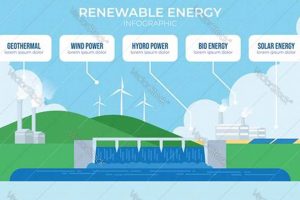
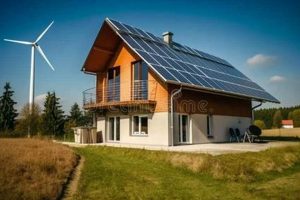
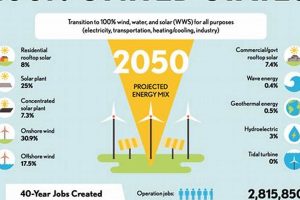
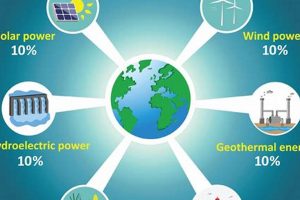
Harnessing power from the Earth’s inherent processes offers a sustainable alternative to fossil fuels. Examples include solar radiation, the kinetic energy of wind, geothermal heat from the Earth’s core, and the potential energy of flowing water. These resources replenish naturally and are considered inexhaustible on a human timescale. Utilizing these offers a path towards decreased reliance on finite and environmentally damaging resources.
Adopting these methods provides multiple benefits, from mitigating climate change and reducing air pollution to enhancing energy security and creating employment opportunities. Historically, civilizations have relied on these principles, such as using wind for sailing and water for milling. Modern technology expands upon these concepts, enabling large-scale electricity generation with minimized environmental impact. The advantages extend beyond environmental considerations, offering economic resilience and a transition to a more sustainable global economy.
The following sections will examine these individual resources in detail, outlining their operational mechanisms, associated technologies, and real-world applications. Furthermore, the discussion will cover potential challenges and ongoing advancements within each sector, offering a comprehensive perspective on their role in a sustainable energy future.
Practical Considerations for Renewable Energy Adoption
Maximizing the effectiveness of renewable energy necessitates strategic planning and informed decision-making. The following considerations provide guidance for governments, organizations, and individuals seeking to integrate these technologies.
Tip 1: Assess Resource Availability: Prior to investment, conduct a thorough evaluation of the specific renewable resource potential at the intended location. Solar irradiance, wind speed patterns, geothermal gradient, and hydrological data are critical factors.
Tip 2: Prioritize Energy Efficiency: Reduce overall energy demand through efficiency improvements in buildings, transportation, and industrial processes. Lower demand decreases the scale and cost of renewable energy systems required.
Tip 3: Invest in Energy Storage Solutions: Address the intermittent nature of some resources by incorporating energy storage technologies such as batteries, pumped hydro, or thermal storage. This enhances grid stability and reliability.
Tip 4: Develop Supportive Policies: Governments should establish clear and consistent policies, including incentives, regulations, and standards, to encourage renewable energy deployment and investment.
Tip 5: Promote Grid Modernization: Upgrading existing electricity grids to accommodate distributed generation and facilitate the integration of variable renewable energy sources is crucial for seamless operation.
Tip 6: Engage with Local Communities: Ensure community involvement and address local concerns during project development. Transparency and stakeholder engagement build trust and promote acceptance.
Tip 7: Support Research and Development: Invest in ongoing research and development to improve the efficiency, cost-effectiveness, and reliability of renewable energy technologies.
Successful implementation requires a holistic approach that considers resource availability, efficiency measures, storage options, policy frameworks, grid modernization, community engagement, and continuous technological advancement. Adhering to these principles facilitates the effective integration of sustainable energy sources.
The subsequent sections will explore the challenges and future prospects associated with these resources, fostering a comprehensive understanding of their long-term potential.
1. Solar Irradiance

Solar irradiance, the radiant energy emitted by the sun, constitutes a fundamental component of the Earths renewable energy budget. Its direct conversion into electricity via photovoltaic (PV) systems represents a primary application. However, solar irradiance’s influence extends beyond this direct utilization, affecting other resource dynamics. It is a driving force behind wind patterns, as differential heating of the Earth’s surface creates pressure gradients that generate wind. Similarly, it is instrumental in the water cycle, where solar energy evaporates water, leading to precipitation that replenishes hydropower reservoirs. In essence, solar irradiance underpins multiple aspects of the “four natural sources,” serving as an indirect, yet vital, contributor to wind and hydropower generation.
Real-world examples demonstrate the practical significance of solar irradiance. Regions with high solar potential, such as the southwestern United States or the Sahara Desert, are prime locations for large-scale PV installations. The design and optimization of wind farms consider solar-induced thermal variations that impact wind patterns. Hydropower projects depend on consistent solar-driven precipitation to maintain water levels. Understanding these interdependencies allows for strategic deployment of renewable energy technologies, maximizing their combined effectiveness. Variations in solar irradiance, whether seasonal or due to weather patterns, can also affect the stability of the electrical grid, requiring integrated energy management strategies.
In summary, solar irradiance is not merely a source of direct solar energy but an underlying driver of other renewable resources. Its influence on wind patterns and the water cycle emphasizes the interconnected nature of Earth’s energy systems. Recognizing and accounting for these relationships is crucial for sustainable energy planning. Future challenges include mitigating the intermittency of solar-derived energy through storage solutions and optimizing the integrated management of different renewable resources to ensure a reliable and resilient energy supply.
2. Wind Velocity

Wind velocity, a critical parameter in atmospheric dynamics, represents a key component within naturally replenishing energy resources. This kinetic energy manifests as moving air masses, driven primarily by differential heating of the Earth’s surface, a phenomenon intrinsically linked to solar irradiance. Variations in temperature and pressure create pressure gradients that initiate and sustain wind flow. The capacity to harness this kinetic energy depends directly on the magnitude of wind velocity; higher velocities correspond to greater energy potential, making areas with consistent and strong winds ideal locations for wind turbine installations. The interdependence between solar radiation and wind underscores the intricate interplay of the “four natural sources.”
Wind velocity’s practical application extends beyond simple energy extraction. Accurate measurement and prediction of wind patterns are vital for optimizing turbine placement and energy output. For example, coastal regions often exhibit higher average wind velocities due to temperature contrasts between land and sea, making them prime locations for wind farms. Moreover, understanding seasonal variations in wind velocity allows for strategic integration with other energy sources, such as solar power, to mitigate intermittency. Furthermore, sophisticated weather forecasting models, incorporating detailed wind velocity data, enable grid operators to anticipate energy generation and adjust supply accordingly. The development of advanced turbine technologies, designed to operate efficiently across a range of wind velocities, contributes significantly to the increased reliability and cost-effectiveness of wind energy.
In summary, wind velocity is not merely a meteorological phenomenon but a crucial determinant of renewable energy potential. Its dependence on solar energy and the critical role it plays in powering wind turbines highlight its integral connection to “four natural sources of renewable energy.” Accurate assessment, prediction, and technological advancements centered on wind velocity are essential for maximizing wind energy’s contribution to a sustainable energy future. Challenges remain in minimizing the environmental impact of wind farms and improving energy storage solutions to address variability, but ongoing research and development continue to enhance wind power’s feasibility and efficiency.
3. Geothermal Gradient

The geothermal gradient, representing the rate of increasing temperature with respect to increasing depth in the Earth’s interior, is a fundamental component of Earth’s inherent renewable energy. It’s a direct consequence of residual heat from planetary formation and radioactive decay within the Earth’s core and mantle. Unlike solar and wind energy, which are surface phenomena, geothermal energy taps into a constant, internally generated source of heat. This characteristic imparts a base-load capacity absent in intermittent renewable resources. The gradient’s magnitude varies geographically, influenced by factors such as tectonic activity, rock conductivity, and hydrothermal circulation. High geothermal gradients signify regions with significant potential for geothermal power generation, heating, and industrial applications. While indirectly related to solar and wind, geothermal resources contribute to a diversified energy portfolio, mitigating reliance on weather-dependent energy sources. The connection to the hydrological cycle manifests through geothermal heating of groundwater, creating geysers, hot springs, and subsurface reservoirs exploited for energy extraction.
Practical applications of geothermal gradient exploitation are diverse. In Iceland, geothermal energy provides a substantial portion of electricity and heating needs, owing to the country’s location on a geologically active region. Geothermal power plants, utilizing either steam or binary cycle technology, convert subsurface heat into electricity. Direct-use applications include district heating systems, greenhouse heating, aquaculture, and industrial processes like drying crops. Enhanced Geothermal Systems (EGS) are being developed to access geothermal resources in regions with lower natural permeability, artificially fracturing rocks to create pathways for fluid circulation. Geothermal heat pumps leverage the relatively constant subsurface temperature to provide efficient heating and cooling for buildings, offering a sustainable alternative to conventional HVAC systems. The ability to harness geothermal energy depends on precise mapping of the geothermal gradient and the development of efficient extraction technologies tailored to specific geological conditions.
In summary, the geothermal gradient is a critical element within “four natural sources of renewable energy,” providing a stable, internally generated heat source independent of external weather conditions. Its exploitation contributes to energy security, reduces greenhouse gas emissions, and offers diverse applications across various sectors. Challenges include the initial capital costs of geothermal projects, potential induced seismicity associated with EGS, and the need for sustainable reservoir management. However, ongoing technological advancements and improved understanding of geothermal systems continue to enhance the viability of geothermal energy as a significant contributor to the global renewable energy mix. Its capacity to complement intermittent resources like solar and wind is especially valuable for establishing resilient and reliable energy grids.
4. Hydrological Cycle

The hydrological cycle, also known as the water cycle, constitutes a fundamental Earth system process intimately connected with several forms of renewable energy. This cyclical process involves the continuous movement of water on, above, and below the surface of the Earth. Its influence extends across a range of energy generation methods, shaping their availability, efficiency, and overall sustainability.
- Hydropower Generation
Hydropower harnesses the potential energy of water stored at higher elevations. The hydrological cycle ensures the replenishment of reservoirs and rivers, providing a consistent source of water for hydroelectric power plants. Variations in precipitation patterns directly impact the energy output of these facilities. For instance, droughts reduce water availability, affecting power generation capacity, whereas abundant rainfall can lead to increased energy production. The construction of dams and reservoirs, integral to hydropower, modifies natural water flow, with environmental ramifications that require careful consideration.
- Indirect Influence on Solar Energy
The hydrological cycle indirectly influences solar energy production. Evaporation, a key component of the cycle, increases atmospheric humidity, which can affect the transmission of solar radiation to the Earth’s surface. High humidity levels can reduce the efficiency of photovoltaic cells, impacting energy conversion rates. Furthermore, water resources are essential for cleaning solar panels, maintaining their operational efficiency. Water scarcity in arid regions can present challenges for large-scale solar installations, requiring innovative water management strategies.
- Geothermal Energy Extraction
Geothermal energy extraction often relies on water as a heat transfer medium. In hydrothermal systems, naturally heated groundwater is pumped to the surface and used to generate electricity or for direct heating applications. The hydrological cycle replenishes these subsurface water reservoirs, ensuring the long-term sustainability of geothermal resources. Enhanced Geothermal Systems (EGS) involve injecting water into hot, dry rocks to create artificial geothermal reservoirs. The hydrological cycle is integral to both conventional and enhanced geothermal energy extraction, influencing the availability of water for injection and the sustainability of geothermal resources.
- Bioenergy Production
The hydrological cycle plays a vital role in bioenergy production, influencing the growth and productivity of biomass feedstocks. Water availability is a key determinant of crop yields and the growth of forests used for bioenergy. Irrigation systems, reliant on surface and groundwater resources, are often employed to enhance biomass production, particularly in regions with limited rainfall. Sustainable water management practices are crucial for ensuring the long-term viability of bioenergy, preventing water depletion and environmental degradation. The water footprint of bioenergy production needs careful assessment to balance energy generation with responsible water resource utilization.
In conclusion, the hydrological cycle is inextricably linked to the four natural sources of renewable energy, influencing their availability, efficiency, and sustainability. A comprehensive understanding of these interconnections is essential for effective energy planning and resource management. Variations in precipitation patterns, influenced by climate change, pose significant challenges for renewable energy production, necessitating adaptive strategies and sustainable water management practices to ensure a reliable and environmentally responsible energy future.
5. Resource Availability

The practicality and economic viability of harnessing the “four natural sources of renewable energy” solar irradiance, wind velocity, geothermal gradient, and the hydrological cycle are fundamentally dictated by resource availability. The geographical distribution and temporal consistency of these resources are critical determinants of the feasibility and scalability of renewable energy projects.
- Geographic Distribution
The uneven distribution of renewable resources across the globe significantly influences energy production. For example, concentrated solar power plants are most efficient in regions with high direct normal irradiance, such as deserts, while wind farms benefit from consistent, strong wind patterns often found in coastal or mountainous areas. Geothermal energy potential is localized to regions with high geothermal gradients, typically near tectonic plate boundaries or volcanic hotspots. Hydropower relies on consistent precipitation and river flows, making certain regions more suitable for hydroelectric development than others. This uneven distribution necessitates careful resource assessment and strategic planning for effective renewable energy deployment.
- Temporal Consistency
The temporal variability of renewable resources presents challenges for grid integration and energy supply reliability. Solar irradiance fluctuates diurnally and seasonally, requiring energy storage solutions or grid connections to balance supply and demand. Wind velocity can be intermittent, necessitating forecasting and grid management strategies to accommodate fluctuations in wind power generation. Hydropower generation is subject to seasonal variations in precipitation and snowmelt, influencing reservoir levels and energy output. Geothermal energy offers a more consistent, base-load power supply, but its availability is geographically constrained. Addressing temporal variability through diverse energy portfolios and storage technologies is crucial for ensuring a reliable and sustainable energy supply.
- Accessibility and Land Use
The accessibility of renewable resources and associated land use considerations impact project feasibility and environmental sustainability. Constructing solar farms or wind farms requires significant land areas, potentially competing with agricultural or conservation land. Geothermal energy extraction may require access to subsurface resources, necessitating careful geological surveys and environmental impact assessments. Hydropower projects can inundate land and alter river ecosystems, requiring careful planning and mitigation measures. Balancing the need for renewable energy development with responsible land use practices and environmental protection is essential for achieving sustainable energy goals. Considerations also include the proximity of resources to existing grid infrastructure and population centers, which can influence transmission costs and overall project economics.
- Technological and Economic Factors
The economic viability of harnessing renewable resources depends on technological advancements and cost reductions. The cost of solar panels, wind turbines, and geothermal drilling has decreased significantly in recent years, improving the competitiveness of renewable energy compared to fossil fuels. Continued research and development are essential for further reducing costs and improving the efficiency of renewable energy technologies. Government policies, such as tax incentives and feed-in tariffs, can incentivize renewable energy development and accelerate the transition to a cleaner energy system. The availability of skilled labor, manufacturing capacity, and supply chains also influences the feasibility and cost-effectiveness of renewable energy projects. A comprehensive assessment of technological and economic factors is critical for making informed investment decisions and promoting the widespread adoption of renewable energy technologies.
The interplay between resource availability, technological advancements, economic incentives, and policy frameworks determines the extent to which the “four natural sources of renewable energy” can contribute to a sustainable energy future. Recognizing the geographic and temporal limitations of each resource, while addressing accessibility and economic challenges, is crucial for developing a resilient and environmentally responsible energy system.
6. Technological Maturity

The operational efficacy and widespread adoption of technologies harnessing “four natural sources of renewable energy” are intrinsically linked to their level of technological maturity. The technological maturity of solar photovoltaic (PV) systems, wind turbines, geothermal power plants, and hydropower facilities significantly impacts their efficiency, reliability, cost-effectiveness, and environmental footprint. Advancements in materials science, engineering design, and control systems directly translate into improved energy conversion rates, reduced maintenance requirements, and enhanced operational lifespans. The progression from rudimentary water wheels to sophisticated hydroelectric dams illustrates the influence of technological advancements on the extraction and utilization of energy from flowing water. Similarly, the evolution of solar cell technology, from low-efficiency prototypes to high-performance thin-film and multi-junction cells, demonstrates the transformative potential of technological innovation in harnessing solar irradiance.
Furthermore, technological maturity facilitates the integration of renewable energy sources into existing energy grids. Advanced grid management systems, incorporating smart grid technologies and energy storage solutions, mitigate the challenges posed by the intermittent nature of solar and wind power. The development of Enhanced Geothermal Systems (EGS) expands the geographic accessibility of geothermal energy by enabling the extraction of heat from previously inaccessible resources. Modern wind turbines, equipped with sophisticated control algorithms and aerodynamic designs, maximize energy capture and minimize noise pollution. Examples include the increased efficiency of wind turbines due to advanced blade designs, and the reduced environmental impact of hydropower facilities through fish passage technologies. Investment in research and development, aimed at improving the technological maturity of renewable energy systems, is paramount for achieving sustainable energy goals. The economic competitiveness of renewable energy is directly proportional to the technological advancements that drive down costs and improve performance.
In summary, technological maturity is a critical enabler of the widespread adoption and sustainable utilization of “four natural sources of renewable energy.” Continued innovation in materials science, engineering, and control systems is essential for enhancing the efficiency, reliability, and cost-effectiveness of renewable energy technologies. Challenges remain in further reducing costs, improving energy storage capabilities, and mitigating environmental impacts. However, ongoing investments in research and development, coupled with supportive policy frameworks, will accelerate the technological advancements required to transition to a cleaner and more sustainable energy future. The pursuit of technological maturity is not merely a technical endeavor but a strategic imperative for securing a reliable and environmentally sound energy supply.
Frequently Asked Questions
This section addresses common inquiries regarding “four natural sources of renewable energy” , providing factual information to enhance understanding.
Question 1: What defines a resource as ‘renewable’ within the context of energy?
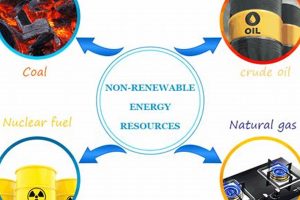
A resource is classified as renewable if it replenishes naturally within a human timescale. This distinguishes it from finite resources like fossil fuels, which require millions of years to form.
Question 2: Why are solar and wind often considered intermittent energy sources?
Solar energy generation is dependent on sunlight availability, while wind energy generation is dependent on wind velocity. Both are subject to weather patterns and diurnal/seasonal variations, leading to fluctuating energy output.
Question 3: How does geothermal energy differ from other renewable energy sources?
Geothermal energy utilizes heat from the Earth’s interior, providing a relatively constant energy source compared to solar and wind. Its accessibility is geographically limited to areas with high geothermal gradients.
Question 4: What are the primary environmental considerations associated with hydropower?
Hydropower projects can alter river ecosystems, impact fish migration, and potentially inundate land. Careful planning and mitigation measures are essential to minimize environmental damage.
Question 5: What role does energy storage play in maximizing the utilization of renewable energy?
Energy storage technologies, such as batteries or pumped hydro, can store excess energy generated during peak production periods and release it during periods of low production, improving grid stability and reliability.
Question 6: How does government policy influence the development of renewable energy projects?
Government policies, including tax incentives, feed-in tariffs, and renewable energy mandates, can incentivize investment in renewable energy projects and accelerate the transition to a cleaner energy system.
In summary, understanding the characteristics, limitations, and interdependencies of each is crucial for developing sustainable and reliable energy solutions.
The following section will examine future trends and innovations in renewable energy technologies.
Conclusion
The preceding discussion has detailed the scientific principles, technological applications, and practical considerations surrounding four natural sources of renewable energy: solar irradiance, wind velocity, geothermal gradient, and the hydrological cycle. These resources, individually and collectively, offer a pathway towards a more sustainable energy future, mitigating dependence on finite fossil fuels and reducing environmental impacts.
Continued research, technological innovation, and strategic policy implementation are essential to fully realizing the potential of these resources. Investment in advanced materials, efficient energy storage solutions, and optimized grid management systems will be crucial for enhancing reliability and cost-effectiveness. A sustained commitment to sustainable practices and resource management is paramount to ensuring a cleaner and more secure energy future for subsequent generations. The collective impact will depend on embracing the principles of responsible innovation and conscientious stewardship.