Determining the superior option among power generation methods that naturally replenish is complex, involving multiple metrics beyond raw energy conversion. Assessing effectiveness requires considering factors such as resource availability, technological maturity, geographic suitability, and environmental impact. The ultimate goal is to identify technologies that offer the greatest energy output relative to their resource input and overall cost, while minimizing ecological disruption.
The significance of pinpointing high-performing technologies lies in their potential to drive the transition away from fossil fuels, mitigating climate change and enhancing energy security. Throughout history, the pursuit of cleaner energy has been driven by concerns over air quality and resource depletion, leading to innovation across various energy sectors. Identifying optimal technologies helps governments and investors allocate resources effectively, accelerating the development and deployment of environmentally sound energy solutions.
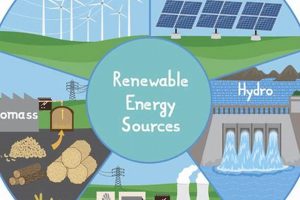
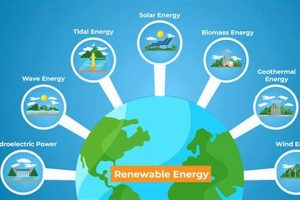
This article will delve into various methods of renewable energy production, including solar photovoltaic, concentrated solar power, wind power (onshore and offshore), hydropower (large-scale and run-of-river), geothermal energy, and biomass. Each technology will be examined in terms of its energy output per unit of input, its capacity factor, its lifecycle environmental footprint, and its overall cost-effectiveness. A comparative analysis will then be presented to shed light on the relative strengths and weaknesses of each approach, allowing for a nuanced understanding of their performance and potential.
Understanding the performance characteristics of various renewable energy technologies is crucial for effective energy planning and investment. The following insights provide guidance in evaluating and comparing these resources.
Tip 1: Consider Lifecycle Analysis: Evaluate not only the energy output during operation, but also the energy consumed during manufacturing, installation, and decommissioning. This comprehensive approach provides a more accurate picture of overall energy efficiency.
Tip 2: Assess Capacity Factors: Compare capacity factors, which represent the actual energy output over a period relative to the maximum possible output. Higher capacity factors indicate more consistent and reliable energy generation.
Tip 3: Evaluate Geographic Suitability: Recognize that certain technologies are more effective in specific locations. Solar energy is optimized in areas with high solar irradiance, while wind energy thrives in windy regions. Match the technology to the available resources.
Tip 4: Account for Storage Requirements: Understand that intermittent resources like solar and wind often require energy storage solutions. The efficiency and cost of these storage systems must be factored into the overall assessment.
Tip 5: Analyze Grid Integration Costs: Consider the costs associated with integrating renewable energy sources into the existing grid infrastructure. These costs can vary depending on the technology and the grid’s capacity to handle variable energy sources.
Tip 6: Investigate Technological Advancements: Stay informed about ongoing advancements in renewable energy technologies. Efficiency improvements, cost reductions, and new storage solutions are continually being developed.
Tip 7: Review Environmental Impact Assessments: Examine the environmental impact assessments associated with each technology. Factors such as land use, water consumption, and wildlife impact should be carefully considered.
Employing these guidelines allows for a more informed and holistic assessment of the comparative effectiveness of different energy generation methods. This leads to more sustainable and economically viable energy choices.
The subsequent sections of this article will delve deeper into specific comparisons and case studies to further illuminate the factors impacting energy efficiency.
1. Resource Availability

Resource availability constitutes a primary determinant in the viability and overall effectiveness of renewable energy technologies. The abundance and accessibility of a particular energy resource directly influence the energy output, cost-effectiveness, and scalability of the corresponding technology. As such, a thorough understanding of resource characteristics is essential when evaluating energy options.
- Solar Irradiance and Photovoltaic Potential
Solar irradiance, the amount of solar radiation received per unit area, varies significantly based on geographic location, latitude, and atmospheric conditions. Regions with high solar irradiance, such as deserts or areas near the equator, offer greater potential for electricity generation from photovoltaic (PV) systems. The efficiency of a PV system is directly correlated with the available sunlight; therefore, locations with consistent high irradiance are likely to see a better return on investment for this technology.
- Wind Speed and Wind Turbine Performance
Wind speed is a crucial factor in determining the energy output of wind turbines. Wind power is proportional to the cube of the wind speed, meaning that even small increases in wind speed can result in substantial gains in energy generation. Coastal regions and areas with open plains or mountain passes typically experience higher average wind speeds, making them optimal locations for wind farms. The consistency and predictability of wind patterns also affect the capacity factor and reliability of wind power.
- Geothermal Gradient and Geothermal Energy Production
The geothermal gradient, the rate at which temperature increases with depth beneath the Earth’s surface, is a key determinant in the feasibility of geothermal energy production. Areas with high geothermal gradients, often associated with volcanic activity or tectonic plate boundaries, can provide access to high-temperature geothermal resources suitable for electricity generation. Lower-temperature geothermal resources can be utilized for direct heating applications. The accessibility and temperature of these resources influence the type of geothermal technology that can be deployed and its overall economic viability.
- Hydrological Cycle and Hydropower Potential
The hydrological cycle, encompassing precipitation, runoff, and evaporation, dictates the availability of water resources for hydropower generation. Regions with abundant rainfall and mountainous terrain often possess significant hydropower potential, allowing for the construction of large dams and reservoirs to generate electricity. Run-of-river hydropower projects, which divert water without large storage reservoirs, are also viable options in areas with consistent streamflow. The seasonal variability of water availability and the environmental impacts of dam construction must be carefully considered when evaluating hydropower projects.
The interaction between resource availability and technological capability shapes energy landscapes. Understanding these dynamics is crucial for developing viable, sustainable energy solutions. For instance, deploying advanced solar technologies in high-irradiance regions represents a strategic synergy, while investing in enhanced geothermal systems in areas with moderate geothermal gradients illustrates adaptation to resource constraints. Such location-specific strategies are pivotal in optimizing the performance and economic feasibility of energy initiatives.
2. Conversion Technology

The efficiency of energy conversion technologies is directly proportional to the overall effectiveness of any given renewable energy source. The ability to transform raw renewable resources, such as solar radiation, wind, geothermal heat, or hydro potential, into usable energy forms like electricity is fundamental to the viability of energy options. Improvements in conversion technology lead to greater energy yields from the same resource input, thereby enhancing overall economic and environmental performance. Solar photovoltaic cells, for instance, exhibit varying efficiencies depending on their composition and design. Advanced multi-junction cells convert a greater percentage of sunlight into electricity compared to traditional silicon-based cells. Similarly, advancements in wind turbine blade design and generator technology enable more effective extraction of kinetic energy from wind. The selection and optimization of appropriate conversion technologies are thus crucial for maximizing the potential of renewable resources.
The practical significance of understanding conversion technology is evident in project development and investment decisions. Developers must evaluate available technologies based on cost, performance, and suitability for the specific resource characteristics at a given location. For example, concentrated solar power (CSP) plants may be preferred over photovoltaic systems in regions with high direct normal irradiance, as CSP can achieve higher efficiencies through thermal energy storage. Conversely, geothermal power plants require efficient heat exchangers and turbines to convert geothermal heat into electricity. The choice of technology influences the project’s lifecycle costs, environmental footprint, and overall return on investment. Furthermore, ongoing research and development efforts are continuously pushing the boundaries of conversion efficiency, leading to new technologies that promise higher energy yields and reduced costs. Perovskite solar cells, for example, are emerging as a potential alternative to silicon-based cells, offering the prospect of increased efficiency and lower manufacturing costs.
In summary, conversion technology serves as a critical link between renewable resources and usable energy. Technological advancements in this area directly impact the efficiency and economic viability of renewable energy projects. A comprehensive understanding of conversion technologies, including their performance characteristics, costs, and suitability for different resource types, is essential for informed decision-making and the successful deployment of projects. Continuous investment in research and development is necessary to unlock the full potential of resources and drive the transition to a sustainable energy future.
3. Geographic Suitability

Geographic suitability is a fundamental determinant in establishing energy options. Certain renewable energy technologies exhibit a performance dependency on specific environmental and geological conditions. The effectiveness of energy depends on aligning the appropriate technology with the inherent characteristics of a given location. This alignment directly affects energy output, cost-effectiveness, and overall sustainability, thus playing a pivotal role in answering the question.
Solar power serves as an illustrative example. Regions characterized by high solar irradiance, such as the southwestern United States or desert areas, present optimal conditions for generating energy from photovoltaic systems. Conversely, wind energy projects thrive in locations with consistent and strong wind patterns, such as coastal regions or open plains. Geothermal energy production is contingent on the presence of accessible geothermal resources, typically found in areas with volcanic activity or tectonic plate boundaries. Hydropower projects require suitable river systems and topography to facilitate dam construction and water storage. Mismatches between technology and geographic conditions can lead to suboptimal energy yields, increased costs, and reduced project viability. The selection of energy solutions must prioritize a detailed assessment of resource availability and geographic constraints to ensure efficient resource utilization.
In summation, a clear understanding of geographic dependencies is critical for maximizing the potential of renewable energy sources. Site-specific considerations drive the selection and deployment of appropriate technologies, thus significantly impacting the overall performance and economic viability of a project. Ignoring these constraints can compromise efficiency. Prioritizing geographic suitability fosters sustainable and economically sound energy solutions.
4. Storage Solutions

Effective integration of energy is a key factor in determining the practical utility and overall effectiveness of renewable energy technologies. The inherent intermittency of certain renewable sources, such as solar and wind, necessitates the incorporation of storage mechanisms to ensure reliable and continuous energy supply. The selection and implementation of appropriate storage solutions profoundly affect the economic viability and grid compatibility of technologies, thus factoring prominently into answering the query.
- Batteries and Grid-Scale Storage
Battery storage systems, including lithium-ion and flow batteries, offer the capacity to store excess energy generated during periods of high renewable energy production and release it during periods of low production or high demand. Grid-scale battery installations can provide frequency regulation, voltage support, and peak shaving services, enhancing grid stability and enabling greater penetration of sources. The cost, efficiency, and lifespan of battery technologies are critical factors influencing their economic feasibility. For instance, a solar power plant coupled with a large-scale battery system can provide a dispatchable, 24/7 energy supply, increasing its overall value and competitiveness compared to standalone solar.
- Pumped Hydro Storage
Pumped hydro storage (PHS) involves pumping water from a lower reservoir to an upper reservoir during periods of low energy demand, utilizing excess electricity from renewable sources. During periods of high demand, the stored water is released through turbines to generate electricity. PHS is a mature and cost-effective storage technology, particularly suitable for large-scale energy storage applications. The geographic requirements for PHS, including suitable topography and water availability, limit its deployment to specific locations. However, PHS facilities can provide significant grid stabilization services and enable greater integration of intermittent energy sources.
- Thermal Energy Storage
Thermal energy storage (TES) involves storing energy in the form of heat or cold. TES systems can be integrated with concentrated solar power (CSP) plants to store thermal energy collected by solar collectors, allowing for electricity generation even when sunlight is not available. TES systems can also be used for district heating and cooling applications, storing excess heat or cold generated from sources. The efficiency and storage capacity of TES systems are critical factors influencing their economic viability. TES can significantly improve the dispatchability and reliability of CSP plants, making them more competitive with traditional fossil fuel-based power plants.
- Hydrogen Production and Storage
Hydrogen production through electrolysis, powered by renewable electricity, offers a means of converting excess renewable energy into a storable and transportable fuel. Hydrogen can be stored in various forms, including compressed gas, liquid hydrogen, or metal hydrides. The stored hydrogen can then be used for various applications, including electricity generation via fuel cells, transportation fuel, or industrial feedstock. The efficiency of hydrogen production and storage technologies is crucial for their economic feasibility. Hydrogen can provide long-duration energy storage and enable the integration of large amounts of energy into the energy system.
The strategic deployment of energy solutions is essential for optimizing the utilization of technologies and enhancing grid reliability. The selection of appropriate storage technology depends on factors such as the scale of energy generation, the duration of storage required, and the specific grid characteristics. As energy technologies continue to evolve and costs decline, energy storage will play an increasingly important role in facilitating the transition to a sustainable energy future and optimizing the overall efficiency and effectiveness of sustainable technologies.
5. Lifecycle Impacts

Lifecycle impacts are a crucial consideration when evaluating energy effectiveness. A comprehensive analysis encompasses the entire lifespan of a energy technology, from resource extraction and manufacturing to operation, decommissioning, and waste management. Ignoring these impacts can lead to an inaccurate assessment of overall sustainability and effectiveness.
- Manufacturing Emissions and Material Footprint
The manufacturing of energy components, such as solar panels, wind turbines, and batteries, involves energy-intensive processes and the use of various materials. These processes generate greenhouse gas emissions and contribute to resource depletion. For instance, the production of solar panels requires silicon purification, a process with significant energy consumption and the release of fluorinated gases. Similarly, wind turbine manufacturing involves the use of steel, concrete, and rare earth elements, each with its own environmental footprint. Assessing the material intensity and emissions associated with manufacturing is essential for comparing technologies.
- Operational Energy Consumption and Emissions
While energy sources generate electricity without direct emissions during operation, indirect emissions may arise from maintenance, repairs, and grid integration. For example, hydropower reservoirs can release methane, a potent greenhouse gas, due to the decomposition of organic matter. Additionally, the transmission of electricity from remote sources to urban centers involves energy losses and associated emissions. Evaluating the operational energy consumption and emissions is crucial for determining the net environmental benefit of source.
- Land Use and Ecosystem Disruption
The deployment of energy technologies can have significant impacts on land use and ecosystems. Large-scale solar and wind farms require extensive land areas, potentially displacing agricultural activities or fragmenting natural habitats. Hydropower projects can alter river ecosystems, affecting fish migration and water quality. Biomass energy production can lead to deforestation and soil degradation if not managed sustainably. Evaluating the land use and ecosystem impacts is essential for minimizing the environmental footprint of energy.
- Decommissioning and Waste Management
The decommissioning of energy facilities and the management of waste materials pose challenges for sustainability. Solar panels contain hazardous materials, such as lead and cadmium, requiring careful recycling or disposal. Wind turbine blades, often made of composite materials, are difficult to recycle and may end up in landfills. Nuclear waste disposal remains a complex and controversial issue. Planning for decommissioning and waste management is crucial for mitigating the long-term environmental impacts of energy technologies.
A holistic lifecycle assessment provides a more accurate and nuanced understanding of the true environmental cost of energy technologies. By considering all stages of the energy lifecycle, policymakers, investors, and consumers can make informed decisions that promote sustainable energy development and minimize environmental harm. Ultimately, a focus on lifecycle impacts is essential for identifying energy sources that offer the greatest environmental benefits.
Frequently Asked Questions
This section addresses common inquiries regarding the evaluation and comparison of renewable energy sources, focusing on factors that influence their overall effectiveness.
Question 1: What metric provides the most accurate measure of energy effectiveness?
A singular metric cannot fully encapsulate energy effectiveness. A comprehensive evaluation requires considering energy output per unit of input, capacity factor, lifecycle environmental footprint, and overall cost-effectiveness. Each aspect contributes to a more complete understanding.
Question 2: Why is geographic location significant in assessing the performance of energy solutions?
Certain technologies demonstrate optimized performance in specific geographic locations. Solar energy solutions thrive in high solar irradiance regions, while wind energy technologies require consistent wind patterns. The alignment between resource availability and technology capability impacts performance.
Question 3: How do storage solutions influence the efficacy of energy technologies?
Storage solutions, such as batteries or pumped hydro, address the intermittency of certain energy sources like solar and wind. The ability to store excess energy and release it during periods of low production enhances reliability and grid compatibility.
Question 4: What constitutes a comprehensive lifecycle analysis of a energy technology?
A lifecycle analysis encompasses all stages, from resource extraction and manufacturing to operation, decommissioning, and waste management. It accounts for energy consumption, emissions, land use, and potential environmental impacts throughout the technology’s lifespan.
Question 5: Are there emerging technologies poised to enhance the effectiveness of renewable energy generation?
Ongoing research and development efforts are continuously yielding improvements in energy technologies. Perovskite solar cells, advanced wind turbine designs, and enhanced geothermal systems are examples of innovations that promise greater energy yields and reduced costs.
Question 6: How does grid integration affect the overall feasibility of technologies?
The costs associated with integrating energy sources into the existing grid infrastructure can significantly affect their economic viability. Factors such as grid capacity, transmission distance, and the need for grid stabilization services must be considered.
A holistic assessment, accounting for these diverse factors, is essential for informed decision-making and the promotion of sustainable solutions.
The subsequent section will delve into case studies that further illustrate the complexities of evaluating energy performance across varying contexts.
Determining the Optimal Renewable Energy Source
This article has explored the multifaceted factors influencing the effectiveness of various renewable energy sources. While a single, universally superior option remains elusive, the analysis underscores the critical importance of considering resource availability, conversion technology, geographic suitability, storage solutions, and lifecycle impacts. Each technology exhibits strengths and weaknesses, demanding a nuanced, context-specific evaluation.
The pursuit of truly effective renewable energy systems necessitates ongoing investment in research and development, alongside strategic policy initiatives that incentivize sustainable practices. A comprehensive understanding of these technologies, combined with careful planning and responsible implementation, is crucial for achieving a sustainable energy future. The path forward requires a commitment to informed decision-making and a dedication to maximizing the potential of all available renewable resources.