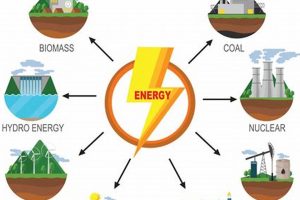
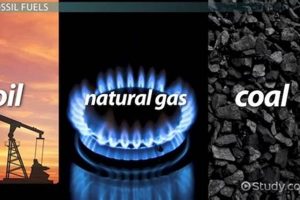
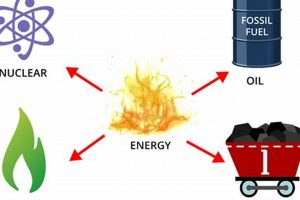
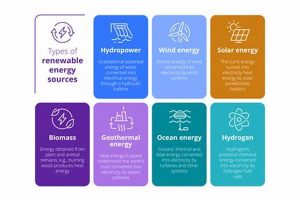
Fossil fuels and nuclear materials constitute the primary forms of finite energy sources. These encompass coal, petroleum, natural gas, and uranium. Their defining characteristic is that their formation processes occur over geological timescales, rendering their replenishment impractical within human lifespans. Combustion of materials like coal exemplifies a non-renewable energy process, releasing stored chemical energy while simultaneously depleting the Earth’s finite reserves.
Reliance on these finite resources has historically propelled industrial development and facilitated societal advancement. Their concentrated energy density and relative accessibility made them instrumental in powering economies and enabling technological progress. However, their extraction and utilization pose significant environmental consequences, including greenhouse gas emissions, habitat destruction, and the potential for radioactive waste accumulation. Recognizing the environmental burdens associated with these sources is increasingly crucial.
The following sections will detail specific examples of these energy sources, their extraction methods, environmental impact, and their contribution to the overall global energy landscape. This information serves to provide a comprehensive understanding of their role in both past and future energy strategies, with consideration given to emerging renewable alternatives.
Considerations Regarding Finite Energy Sources
The responsible management of finite energy sources necessitates a comprehensive understanding of their characteristics and implications.
Tip 1: Diversify Energy Portfolio: Reduce dependence on any single finite energy source by exploring and integrating diverse options like natural gas alongside existing coal or petroleum infrastructure to enhance supply security and resilience to market fluctuations.
Tip 2: Invest in Enhanced Recovery Techniques: Promote research and development in advanced extraction technologies, such as enhanced oil recovery (EOR) or coal seam gas extraction, to maximize the yield from existing reserves, thereby extending the lifespan of available resources.
Tip 3: Prioritize Efficiency Improvements: Implement energy efficiency measures across all sectors, from industrial processes to residential buildings, to minimize the overall demand for these resources. Examples include upgrading industrial equipment with energy-efficient alternatives, promoting the construction of well-insulated buildings, and implementing smart grid technologies.
Tip 4: Support Carbon Capture and Storage (CCS): Invest in and deploy CCS technologies to mitigate the environmental impact of combustion. This involves capturing CO2 emissions from power plants and industrial facilities and storing them underground, thereby preventing their release into the atmosphere.
Tip 5: Implement Robust Environmental Regulations: Enforce stringent environmental regulations to govern the extraction, processing, and transportation of these resources, minimizing the potential for habitat destruction, water contamination, and air pollution.
Tip 6: Promote Responsible Waste Management: Ensure the safe and secure disposal of waste products from the nuclear cycle, including spent fuel rods, using geological repositories. Additionally, explore advanced reactor designs that produce less waste and can potentially utilize existing stockpiles of nuclear materials.
The strategic application of these considerations is vital for minimizing the environmental impact and maximizing the long-term availability of these critical energy resources.
The following sections will explore strategies for transitioning towards renewable energy sources, complementing the responsible management of the resources outlined above.
1. Fossil Fuel Abundance

The significant availability of fossil fuels represents a core dimension within the context of finite energy sources. The perceived abundance, however, often overshadows the long-term implications of their extraction and combustion. Understanding the facets of this abundance is crucial for informed decision-making regarding energy policy and resource management.
- Geographical Distribution
Fossil fuel deposits are not uniformly distributed across the globe. Substantial coal reserves exist in regions like the United States, Russia, and China. Significant oil reserves are concentrated in the Middle East and parts of South America. This uneven distribution creates geopolitical dependencies and influences global energy markets. The nations possessing large deposits wield considerable influence, while others rely on imports, impacting economic and political stability.
- Extraction Technologies and Accessibility
Advancements in extraction technologies, such as hydraulic fracturing and deep-sea drilling, have unlocked previously inaccessible fossil fuel reserves. While this has increased the immediate supply, these methods carry environmental risks, including water contamination, habitat destruction, and increased seismic activity. The ease of access, though technologically enhanced, does not negate the long-term consequences and the depletion of finite resources.
- Economic Viability and Market Dynamics
The economic viability of fossil fuel extraction depends on market dynamics, including global demand, production costs, and geopolitical factors. Fluctuations in these factors can significantly impact the profitability of different fossil fuel sources. Periods of high oil prices, for example, can incentivize the development of more expensive and environmentally damaging extraction projects. This interplay highlights the volatile nature of fossil fuel markets and the need for diversified energy strategies.
- Perception of Endless Supply
The historical accessibility and relative affordability of fossil fuels have contributed to a perception of an almost endless supply. This perception has, in turn, fueled unsustainable consumption patterns and delayed the widespread adoption of renewable energy alternatives. Overcoming this mindset requires a shift towards acknowledging the finite nature of these resources and embracing a future powered by sustainable energy sources.
The multifaceted nature of fossil fuel availability underscores the complexities associated with finite energy resources. The geographical concentration, technological advancements in extraction, market dynamics, and the persistent perception of abundance all contribute to the challenges of transitioning towards a more sustainable energy future. Acknowledging these factors is essential for formulating realistic and effective energy policies that prioritize environmental protection and long-term energy security.
2. Environmental Consequences

The utilization of finite energy sources is inextricably linked to a range of adverse environmental effects. Extraction, processing, and combustion of materials such as coal, petroleum, and natural gas result in significant ecological disturbances. Coal mining, for example, leads to habitat destruction, soil erosion, and water contamination through acid mine drainage. Petroleum extraction often involves offshore drilling, which poses the risk of oil spills, harming marine ecosystems. The refining process further contributes to air and water pollution. Combustion of these fuels releases greenhouse gases, including carbon dioxide, methane, and nitrous oxide, which drive climate change and its associated impacts, such as rising sea levels, extreme weather events, and disruptions to agricultural systems. Nuclear energy, while not a fossil fuel, presents its own set of environmental challenges related to radioactive waste disposal and the potential for catastrophic accidents, as exemplified by the Chernobyl and Fukushima disasters. These consequences underscore the unsustainable nature of relying solely on these energy sources.
Quantifiable environmental impacts provide a tangible understanding of the magnitude of these consequences. Air pollution from coal-fired power plants contributes to respiratory illnesses, resulting in increased healthcare costs and reduced quality of life. Deforestation associated with fossil fuel extraction leads to biodiversity loss and decreased carbon sequestration capacity. Ocean acidification, caused by the absorption of excess carbon dioxide from the atmosphere, threatens marine life, including coral reefs and shellfish populations. Furthermore, the economic costs associated with climate change impacts, such as infrastructure damage from extreme weather events and reduced agricultural productivity, are projected to escalate significantly in the coming decades. These empirical data highlight the urgency of transitioning towards cleaner energy alternatives to mitigate these environmental burdens.
In conclusion, the environmental consequences associated with the consumption of finite energy sources are pervasive and far-reaching. These effects range from localized habitat destruction and pollution to global climate change, impacting human health, ecosystems, and economic stability. Addressing these challenges requires a comprehensive strategy that encompasses both reducing reliance on these sources and implementing measures to mitigate their environmental impact during the transition to sustainable energy systems. The interconnected nature of energy production and environmental sustainability demands a concerted effort to minimize ecological damage while meeting global energy needs.
3. Energy Security Concerns

Energy security, defined as the uninterrupted availability of energy sources at an affordable price, is inextricably linked to the reliance on finite energy resources. The uneven global distribution and the finite nature of these resources inherently create vulnerabilities in energy supply chains, leading to concerns about energy security for many nations.
- Geopolitical Instability and Supply Disruptions
The concentration of significant fossil fuel reserves in politically unstable regions creates a risk of supply disruptions. Conflicts, political unrest, or deliberate manipulation of production levels by major exporting countries can significantly impact the availability and price of these resources for importing nations. The 1973 oil crisis, triggered by political events in the Middle East, exemplifies how geopolitical instability can severely impact energy security, leading to economic recession and widespread fuel shortages. This reliance on specific geographic regions for essential resources poses a continuous threat to nations dependent on these imports.
- Price Volatility and Economic Impacts
The prices of finite energy resources, particularly oil and natural gas, are subject to significant volatility due to a range of factors, including supply and demand imbalances, geopolitical events, and speculative trading. Sharp increases in energy prices can negatively impact economic growth, increase inflation, and disproportionately affect low-income households and industries dependent on affordable energy. The volatility inherent in these markets creates uncertainty for businesses and consumers, hindering long-term planning and investment in energy infrastructure. Nations with limited domestic production are particularly vulnerable to these price fluctuations.
- Dependence on Foreign Sources and Strategic Vulnerabilities
Many countries are heavily reliant on imports of finite energy resources to meet their energy needs. This dependence creates strategic vulnerabilities, making them susceptible to political pressure or economic coercion from exporting nations. Furthermore, the transportation of these resources across long distances, often through vulnerable shipping lanes, exposes them to potential disruptions due to piracy, terrorism, or natural disasters. Diversifying energy sources and reducing dependence on foreign suppliers are key strategies for mitigating these strategic vulnerabilities and enhancing national energy security. The development of domestic renewable energy resources can significantly reduce reliance on foreign energy imports.
- Resource Depletion and Long-Term Availability
The finite nature of fossil fuels and uranium raises concerns about their long-term availability and affordability. As easily accessible reserves are depleted, extraction becomes more expensive and environmentally challenging, potentially leading to higher prices and reduced supply. The depletion of these resources necessitates a transition towards sustainable energy sources to ensure long-term energy security and avoid future resource scarcity. Investing in research and development of renewable energy technologies is crucial for mitigating the risks associated with resource depletion and ensuring a stable energy supply for future generations.
These interwoven facets emphasize the critical role of diversifying energy sources, fostering energy efficiency, and bolstering domestic production capabilities to mitigate the risks associated with reliance on diminishing energy resources. By implementing robust energy policies, nations can secure stable access to affordable energy and promote sustainable economic growth. The transition towards renewable energy is not only an environmental imperative but also a strategic necessity for ensuring long-term energy security.
4. Geopolitical Implications
The distribution and control of finite energy sources exert significant influence on international relations, shaping alliances, trade agreements, and even military strategies. These resources, being essential for economic activity and national security, render their access and security paramount concerns for nations worldwide.
- Resource Nationalism and Sovereignty
Many nations assert sovereign rights over their finite energy resources, leading to policies that prioritize domestic needs and control over extraction and export. This resource nationalism can result in strained relationships with energy-importing countries seeking stable and affordable supplies. Examples include OPEC’s influence on global oil prices and disputes over natural gas pipelines in Eastern Europe. The assertion of sovereign control often becomes a flashpoint in international relations, shaping diplomatic strategies and trade negotiations.
- Competition for Access and Transit Routes
The competition for access to finite energy resources, particularly in regions with limited reserves or unstable political environments, fuels geopolitical rivalries. Control over critical transit routes, such as the Strait of Hormuz or the South China Sea, becomes a strategic imperative, leading to military deployments and increased tensions. The construction of pipelines and shipping terminals is often subject to intense geopolitical maneuvering, with countries vying for influence over energy infrastructure.
- Energy Dependence and Foreign Policy Leverage
Nations heavily reliant on imports of finite energy resources are susceptible to political pressure from exporting countries. This dependence can limit their foreign policy autonomy and force them to align with the interests of resource-rich nations. Energy-exporting countries may use their leverage to advance their geopolitical objectives, such as securing favorable trade terms or influencing regional security dynamics. Diversifying energy sources and reducing reliance on foreign imports are key strategies for mitigating this foreign policy vulnerability.
- Resource Conflicts and Regional Instability
The competition for finite energy resources can exacerbate existing conflicts and contribute to regional instability, particularly in areas with weak governance and ethnic tensions. Disputes over resource ownership, control of transportation routes, or revenue sharing can trigger armed conflicts and humanitarian crises. The presence of valuable resources may attract external actors, further complicating the situation and prolonging the conflict. Addressing these resource-related conflicts requires comprehensive strategies that encompass diplomacy, development assistance, and security cooperation.
These multifaceted geopolitical implications underscore the intricate relationship between energy, security, and international relations. The control and access to finite energy resources remain pivotal factors in shaping global power dynamics and influencing the foreign policies of nations. Recognizing these interconnections is crucial for fostering international cooperation and promoting sustainable energy practices.
5. Resource Depletion Rates
The rate at which finite energy sources are consumed significantly affects their long-term availability and economic viability. High extraction and usage rates of resources such as crude oil, natural gas, coal, and uranium contribute to declining reserves. This depletion necessitates the development of more costly and technologically complex extraction methods to maintain supply levels. For example, the extraction of shale gas through hydraulic fracturing, while increasing natural gas production, involves substantial environmental risks and economic costs due to the complex technology and intensive resource requirements. Similarly, deep-sea oil drilling, employed to access dwindling reserves, carries inherent risks of environmental disasters, such as the Deepwater Horizon oil spill. These extraction methods, necessitated by depletion, exemplify the escalating challenges associated with relying on exhaustible energy.
Understanding depletion rates is critical for energy planning and policy formulation. Governments and industries must assess the remaining reserves and projected consumption to formulate strategies for ensuring future energy security. The International Energy Agency (IEA) and other organizations provide assessments of global resource depletion and projections of future energy demand. These projections often incorporate scenarios with varying depletion rates and technological advancements, allowing for informed decision-making regarding energy investments and policy interventions. The Peak Oil theory, positing a point at which global oil production reaches its maximum rate and subsequently declines, underscores the potential economic and geopolitical consequences of unchecked depletion. Accurate evaluation of these rates is essential for proactive planning.
In conclusion, resource depletion rates represent a crucial factor within the broader context of finite energy sources. Rapid consumption of these resources necessitates more complex and environmentally risky extraction methods, impacting energy security and economic stability. Accurate evaluation and forecasting of these rates are essential for informed energy planning and the development of sustainable alternatives. Effective strategies for mitigating the consequences of depletion require a combination of energy efficiency measures, diversification of energy sources, and investments in renewable energy technologies. Addressing these challenges is imperative for ensuring a stable and sustainable energy future.
Frequently Asked Questions About Finite Energy Resources
The following questions and answers address common inquiries regarding the characteristics, utilization, and implications of finite energy sources, such as fossil fuels and nuclear materials.
Question 1: What distinguishes finite energy sources from renewable energy sources?
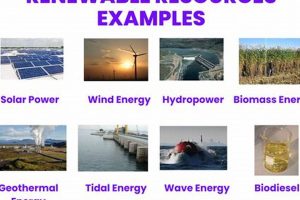
Finite, or non-renewable, energy sources are characterized by their limited availability on Earth. Their formation processes occur over geological timescales, making replenishment impractical within human lifespans. In contrast, renewable energy sources, such as solar, wind, and hydropower, are naturally replenished and can be utilized sustainably over extended periods.
Question 2: What are the primary environmental consequences associated with the use of fossil fuels?
Combustion of fossil fuels releases greenhouse gases, including carbon dioxide, methane, and nitrous oxide, which contribute to climate change. Additionally, the extraction and processing of fossil fuels can result in habitat destruction, water contamination, and air pollution, affecting both human health and ecosystems.
Question 3: How does the uneven geographical distribution of finite energy resources impact global politics?
The concentration of significant fossil fuel reserves in specific regions creates geopolitical dependencies, influencing international relations, trade agreements, and security alliances. Nations with limited domestic resources may rely on imports, making them susceptible to political pressure and economic coercion from resource-rich countries.
Question 4: What is “peak oil,” and why is it considered a significant concern?
“Peak oil” refers to the hypothetical point at which global oil production reaches its maximum rate and subsequently declines. This decline could lead to higher energy prices, economic instability, and increased competition for dwindling resources, potentially exacerbating geopolitical tensions.
Question 5: What measures can be taken to mitigate the environmental impact of finite energy sources?
Mitigation strategies include implementing carbon capture and storage (CCS) technologies, improving energy efficiency across all sectors, and diversifying energy portfolios to incorporate renewable energy sources. Additionally, stringent environmental regulations governing the extraction, processing, and transportation of finite energy resources can help minimize ecological damage.
Question 6: How does nuclear energy fit into the context of finite energy resources?
Nuclear energy utilizes uranium, a finite resource, as its fuel source. While nuclear power plants do not emit greenhouse gases during operation, concerns remain regarding the safe disposal of radioactive waste and the potential for accidents. Advanced reactor designs and improved waste management strategies are being explored to address these challenges.
In summary, a thorough understanding of finite energy sources is crucial for formulating informed energy policies and promoting sustainable practices. Balancing the need for reliable energy with the environmental and geopolitical implications of these resources remains a significant global challenge.
The subsequent section will address alternative renewable energy sources as we continue this exploration.
Finite Energy Resources
This analysis has explored the characteristics, implications, and challenges associated with the list of non renewable energy resources. From fossil fuel abundance to environmental consequences and geopolitical implications, the examination has underscored the complex interplay between energy production, economic stability, and environmental sustainability. The assessment has highlighted the finite nature of these resources, the rates of depletion, and the necessity for responsible management. The FAQs offered clarity to some of the fundamental aspects of the article.
Recognizing the unsustainable trajectory of continued reliance on these finite reserves, it is imperative that governments, industries, and individuals prioritize the development and implementation of sustainable energy solutions. Investing in renewable energy technologies, promoting energy efficiency, and enacting policies that incentivize responsible resource management are critical steps toward securing a stable and environmentally sound energy future. The future hinges on a transition toward a diversified and sustainable energy portfolio, moving away from the inherent limitations of the list of non renewable energy resources.