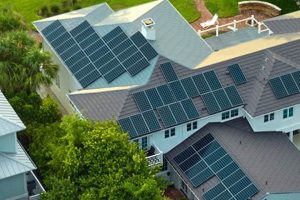
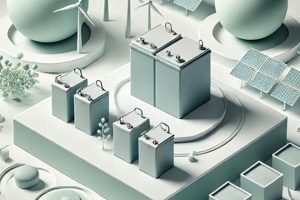
Located in Abu Dhabi, United Arab Emirates, Masdar City is a planned urban development project committed to sustainability and powered primarily by clean energy sources. Its energy infrastructure integrates various technologies, including solar photovoltaic panels, concentrated solar power, and wind turbines, aiming to create a low-carbon environment. For example, the city’s rooftops are covered extensively with solar panels, providing a significant portion of its electricity needs.
This pioneering approach to urban development serves as a global model for sustainable living and offers significant advantages. Reducing reliance on fossil fuels minimizes the city’s carbon footprint and contributes to mitigating climate change. Furthermore, the project fosters innovation in renewable energy technologies and creates a hub for research and development in the sector. Initiated in 2006, the project has evolved into a testbed for sustainable urban planning, attracting businesses and residents committed to environmentally conscious practices.
This commitment to sustainable practices extends beyond energy generation to encompass various aspects of urban design and resource management, including water conservation, waste recycling, and sustainable transportation systems. The following sections delve deeper into these critical areas, providing a comprehensive overview of Masdar City’s innovative approach to sustainable urban development.
Tips for Implementing Sustainable Practices Inspired by Masdar City
The following practical tips, drawn from the innovative approaches employed in Masdar City, offer guidance for individuals and communities seeking to adopt more sustainable practices.
Tip 1: Prioritize Energy Efficiency: Implement measures to reduce energy consumption in buildings. This can include optimizing insulation, utilizing energy-efficient appliances, and incorporating smart building management systems.
Tip 2: Embrace Solar Energy: Explore the feasibility of installing solar panels on rooftops or utilizing community solar projects. Even small-scale solar installations can significantly reduce reliance on conventional energy sources.
Tip 3: Promote Sustainable Transportation: Encourage the use of public transportation, cycling, and walking. Investing in electric vehicle infrastructure can further reduce emissions from the transportation sector.
Tip 4: Implement Water Conservation Strategies: Install low-flow fixtures, utilize greywater recycling systems, and adopt drought-tolerant landscaping practices to minimize water usage.
Tip 5: Reduce, Reuse, and Recycle: Implement comprehensive waste management programs that prioritize waste reduction, reuse, and recycling initiatives to minimize landfill waste.
Tip 6: Support Sustainable Urban Planning: Advocate for urban planning policies that promote mixed-use developments, green spaces, and pedestrian-friendly infrastructure.
Tip 7: Foster Community Engagement: Educate and engage community members on the importance of sustainable practices through workshops, outreach programs, and community initiatives.
By adopting these practices, individuals and communities can contribute to a more sustainable future and create environments that are both ecologically sound and economically viable. These efforts, collectively, create a pathway toward a cleaner, more resilient future.
These insights into sustainable practices offer a glimpse into the broader context of achieving global sustainability goals. The concluding section will further explore the long-term implications and potential for widespread adoption of these principles.
1. Solar Power

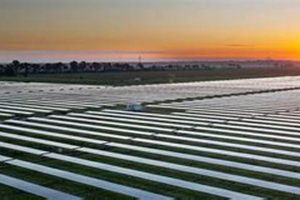
Solar power forms a cornerstone of Masdar City’s renewable energy strategy. The city’s geographical location within the sun-rich UAE provides an ideal environment for harnessing solar energy. Large-scale photovoltaic installations, strategically positioned throughout the city, convert sunlight directly into electricity. These installations range from rooftop solar panels on individual buildings to larger, ground-mounted solar farms. This commitment to solar power significantly reduces the city’s reliance on fossil fuels and contributes to a lower carbon footprint. For example, the Shams 1 concentrated solar power plant, located near Masdar City, demonstrates the potential of large-scale solar projects in the region. This plant utilizes mirrors to focus sunlight, generating heat to drive turbines and produce electricity.
The integration of solar power into Masdar City extends beyond large-scale projects. Building-integrated photovoltaics (BIPV) are incorporated into the design of many structures, seamlessly blending energy generation with architectural aesthetics. These systems often incorporate solar panels into facades, windows, and roofs, maximizing energy production while contributing to the buildings’ overall design. This localized generation reduces transmission losses and enhances energy efficiency. The use of solar thermal technologies for water heating further reduces reliance on conventional energy sources. This multifaceted approach to solar energy utilization demonstrates a commitment to maximizing the potential of this renewable resource.
The success of solar power implementation in Masdar City offers valuable lessons for other urban environments. While the specific technologies and scale may vary, the underlying principles of maximizing solar resource potential, integrating solar solutions into building design, and prioritizing energy efficiency remain applicable. Challenges such as intermittency of solar power generation and land use requirements need to be addressed through careful planning and integration with other renewable sources and energy storage solutions. Masdar City’s experience provides a practical case study for the effective implementation of solar power as a key component of a sustainable urban energy strategy.
2. Wind Energy

While solar power dominates Masdar City’s renewable energy landscape, wind energy plays a supporting role, contributing to a diversified energy mix and enhancing the city’s overall sustainability. Exploring the integration of wind power within Masdar City reveals valuable insights into the challenges and opportunities associated with harnessing this renewable resource in an urban environment.
- Resource Assessment and Turbine Placement:
Effective utilization of wind energy requires careful assessment of wind resources. While the UAE may not be known for high wind speeds compared to some regions, strategic placement of wind turbines can still yield significant energy generation. In Masdar City, wind turbines are strategically located to maximize exposure to prevailing winds, often positioned on the periphery or within designated open spaces. For example, the 10 MW Masdar City wind farm, located outside the city’s core, demonstrates this approach. The data collected from these installations informs ongoing research and development efforts aimed at optimizing wind turbine design and placement in urban settings.
- Technological Integration and Grid Connectivity:
Integrating wind power into the existing energy grid presents technical challenges. Fluctuations in wind speed lead to variable power output, requiring sophisticated grid management systems to ensure stability and reliability. Masdar City’s energy infrastructure incorporates advanced control systems to manage the intermittent nature of wind power and balance it with other energy sources. The experience gained in managing these technical complexities contributes valuable knowledge to the broader field of renewable energy integration.
- Urban Design Considerations and Visual Impact:
Integrating wind turbines into the urban landscape requires careful consideration of visual impact and potential noise pollution. Masdar City’s urban design principles address these concerns by strategically locating turbines to minimize their visual intrusion and ensuring compliance with noise regulations. The relatively low-rise building profile within the city also helps to reduce the visual dominance of wind turbines. This approach demonstrates that wind energy can be integrated harmoniously within a thoughtfully planned urban environment.
- Complementary Role to Solar Power and Future Potential:
Wind energy’s contribution to Masdar City’s renewable energy portfolio complements the dominant role of solar power. While solar energy provides the bulk of the city’s electricity needs, wind power adds diversity and resilience to the energy mix. As research and development in wind turbine technology continues, particularly in the area of urban-adapted turbines, the potential for wind energy to play an even larger role in sustainable urban development is likely to increase.
The integration of wind energy within Masdar City underscores the importance of a multifaceted approach to renewable energy adoption. By combining various clean energy sources and addressing the specific challenges associated with each technology, cities can create sustainable and resilient energy systems. Masdar City’s ongoing experimentation and innovation in wind energy integration serves as a valuable example for other urban environments seeking to diversify their renewable energy portfolios and transition towards a cleaner energy future.
3. Energy Efficiency

Energy efficiency forms a critical pillar of Masdar City’s sustainable development strategy, complementing its focus on renewable energy generation. Minimizing energy consumption reduces the overall demand, allowing the city to maximize the impact of its renewable energy sources and further reduce its carbon footprint. Examining specific facets of energy efficiency within Masdar City reveals how this principle is integrated into various aspects of the city’s design and operation.
- Building Design and Construction:
Masdar City incorporates innovative building design principles that prioritize energy efficiency. Building orientation maximizes natural light and minimizes solar heat gain, reducing the need for artificial lighting and cooling. High-performance insulation and airtight construction further minimize energy loss. The use of locally sourced building materials reduces embodied energy, the energy consumed in the production and transportation of materials. For instance, the Masdar Institute building showcases these principles, achieving LEED Platinum certification for its sustainable design.
- Smart Building Management Systems:
Intelligent building management systems play a crucial role in optimizing energy consumption within Masdar City. These systems monitor and control various building functions, including lighting, heating, ventilation, and air conditioning (HVAC). Real-time data analysis and automated adjustments ensure efficient energy use based on occupancy patterns and environmental conditions. These systems also facilitate predictive maintenance, reducing energy waste caused by equipment malfunctions. The widespread deployment of smart building technologies demonstrates Masdar City’s commitment to data-driven energy management.
- Community-Wide Energy Optimization:
Energy efficiency in Masdar City extends beyond individual buildings to encompass the entire urban environment. District cooling systems, which provide chilled water to multiple buildings from a central plant, offer significant energy savings compared to traditional individual cooling units. The city’s Personal Rapid Transit (PRT) system, a network of electric, driverless vehicles, promotes efficient and sustainable transportation. These community-wide initiatives demonstrate the importance of integrated planning and infrastructure development for maximizing energy efficiency.
- Behavioral Change and Education:
Promoting energy-conscious behavior among residents and businesses is essential for achieving long-term energy efficiency goals. Masdar City engages in educational outreach programs to raise awareness about sustainable practices and encourage energy conservation. Real-time energy consumption feedback mechanisms empower individuals to monitor their energy use and make informed decisions. This focus on behavioral change highlights the importance of community engagement in achieving city-wide sustainability targets. Furthermore, the city’s focus on research and development fosters innovation in energy-efficient technologies and practices.
The integration of these energy efficiency measures within Masdar City demonstrates a holistic approach to sustainable urban development. By combining innovative technologies with thoughtful urban planning and community engagement, the city significantly reduces its environmental impact and showcases the potential for creating truly sustainable urban environments. Masdar City’s experience provides a valuable model for other cities seeking to enhance energy efficiency and transition towards a more sustainable future.
4. Research and Development
Research and development (R&D) plays a crucial role in advancing Masdar City’s renewable energy initiatives and contributes significantly to the global advancement of sustainable technologies. The city functions as a living laboratory, fostering innovation and accelerating the development and deployment of cutting-edge solutions. This commitment to R&D is integral to Masdar City’s overarching goal of becoming a global hub for clean technology and sustainable urban development. The Masdar Institute of Science and Technology, a research-intensive university located within the city, exemplifies this focus. Its research programs explore various aspects of renewable energy, including solar photovoltaic technology, energy storage solutions, and smart grid management.
Several tangible outcomes highlight the practical significance of this R&D focus. Pilot projects within Masdar City test and validate emerging technologies in real-world conditions, providing valuable data and insights. For example, the city has experimented with different types of solar panel technologies, including thin-film and concentrated solar power, to assess their performance and suitability for desert environments. The findings from these projects inform future deployments and contribute to the development of more efficient and cost-effective renewable energy solutions. Furthermore, collaborations with international research institutions and private sector companies create a dynamic ecosystem for innovation, accelerating the commercialization of promising technologies. The development and testing of advanced building materials, optimized for energy efficiency and thermal performance, represent another area of active research within Masdar City. These materials contribute to reducing the energy consumption of buildings and enhancing overall sustainability.
Masdar City’s emphasis on R&D extends beyond technological advancements to encompass broader aspects of sustainable urban development. Research into urban planning strategies, sustainable transportation systems, and water conservation techniques contributes to the city’s holistic approach to sustainability. These efforts address the complex interplay of various factors that influence a city’s environmental footprint. While technological innovation plays a vital role, the city’s R&D initiatives recognize the importance of integrating these technologies within a broader framework of sustainable urban planning and resource management. Addressing challenges such as the intermittency of renewable energy sources and the integration of smart grid technologies remains a key focus of ongoing research. Masdar City’s commitment to R&D positions it as a leader in the global pursuit of sustainable urban solutions and provides valuable insights for cities worldwide seeking to transition towards a cleaner, more sustainable future.
5. Sustainable Urban Design
Sustainable urban design is inextricably linked to Masdar City’s renewable energy initiatives. It provides the framework for integrating renewable energy technologies effectively and maximizing their impact. By considering energy generation and consumption from the initial planning stages, sustainable urban design creates a synergistic relationship between the built environment and the renewable energy infrastructure. This approach minimizes environmental impact and fosters a truly sustainable urban ecosystem.
- Building Orientation and Density:
Optimizing building orientation and density are crucial for maximizing natural light and ventilation while minimizing solar heat gain. Narrow streets and strategically placed buildings create shade and promote airflow, reducing the need for artificial cooling. This passive design approach significantly reduces energy consumption and enhances the effectiveness of renewable energy sources. Masdar City’s compact urban form and carefully planned street layout exemplify this principle.
- Green Spaces and Urban Greenery:
Integrating green spaces and urban greenery within the urban fabric provides numerous benefits, including improved air quality, reduced urban heat island effect, and enhanced biodiversity. These green elements also contribute to a more aesthetically pleasing and livable environment. Masdar City’s parks and green corridors exemplify this approach, demonstrating the integration of nature within a dense urban setting. These green spaces also contribute to rainwater harvesting and groundwater recharge.
- Sustainable Transportation Systems:
Promoting sustainable transportation options, such as walking, cycling, and public transit, is essential for reducing reliance on private vehicles and minimizing emissions. Masdar City’s Personal Rapid Transit (PRT) system, a network of electric, driverless vehicles, provides a sustainable and efficient mode of transportation within the city. Pedestrian-friendly walkways and dedicated cycle paths further encourage non-motorized transport. Limiting private vehicle access within the city core further reduces emissions and promotes alternative transportation modes.
- Water Conservation and Management:
Efficient water management practices are crucial for minimizing water consumption and reducing the environmental impact of urban development. Masdar City incorporates water-efficient fixtures, greywater recycling systems, and drought-tolerant landscaping to conserve this precious resource. These strategies reduce the city’s water footprint and contribute to a more sustainable approach to water management. The city’s innovative water management system serves as a model for arid regions facing water scarcity challenges.
These facets of sustainable urban design demonstrate Masdar City’s holistic approach to creating an environmentally responsible and energy-efficient urban environment. By integrating renewable energy technologies within a thoughtfully designed urban fabric, the city maximizes the benefits of both. This synergistic approach not only reduces environmental impact but also enhances the quality of life for residents and serves as a model for sustainable urban development worldwide. Masdar City’s experience underscores the crucial role of sustainable urban design in achieving global sustainability goals and demonstrates the potential for creating truly sustainable urban environments for the future.
Frequently Asked Questions about Masdar City’s Renewable Energy Initiatives
This section addresses common inquiries regarding Masdar City’s approach to renewable energy, providing concise and informative responses.
Question 1: What primary renewable energy sources power Masdar City?
Masdar City primarily relies on solar energy, utilizing both photovoltaic (PV) panels and concentrated solar power (CSP) technologies. Wind energy also contributes to the city’s energy mix.
Question 2: How does Masdar City address the intermittency of renewable energy sources like solar and wind?
Strategies for managing intermittency include battery storage systems, grid management technologies, and diversification of renewable energy sources. Integration with the broader UAE grid also provides additional stability.
Question 3: What role does energy efficiency play in Masdar City’s sustainability strategy?
Energy efficiency is paramount. Building designs maximize natural light and ventilation, minimizing the need for artificial lighting and cooling. Smart building management systems optimize energy consumption based on real-time data.
Question 4: How does Masdar City contribute to research and development in renewable energy?
The Masdar Institute of Science and Technology conducts cutting-edge research in renewable energy technologies, including solar, wind, and energy storage. Pilot projects within the city test and validate emerging solutions.
Question 5: How does sustainable urban design contribute to Masdar City’s renewable energy goals?
Sustainable urban design principles, such as optimized building orientation and density, maximize natural light and ventilation, reducing reliance on artificial climate control and enhancing the effectiveness of renewable energy systems. The city’s design also prioritizes sustainable transportation, minimizing reliance on private vehicles.
Question 6: What are the key lessons learned from Masdar City’s renewable energy initiatives that can be applied to other urban environments?
Key lessons include the importance of integrated planning, the synergistic relationship between renewable energy and sustainable urban design, and the value of continuous research and innovation in advancing sustainable technologies. The city’s experience demonstrates the feasibility of integrating various renewable energy sources within a dense urban setting.
Understanding these key aspects of Masdar City’s renewable energy strategy provides valuable insights into the city’s comprehensive approach to sustainable urban development. The lessons learned offer a blueprint for other cities striving to achieve similar goals.
Further exploration of specific technologies and initiatives can provide a deeper understanding of Masdar City’s contribution to the global transition towards sustainable energy.
Conclusion
Masdar City’s commitment to renewable energy represents a significant step towards sustainable urban development. The city’s integrated approach, combining solar and wind power with energy efficiency measures and sustainable urban design principles, demonstrates the feasibility of creating a low-carbon urban environment. Key takeaways include the importance of research and development in advancing renewable energy technologies, the synergistic relationship between urban design and energy efficiency, and the potential for creating a truly sustainable ecosystem within a dense urban setting. The project’s long-term vision extends beyond technological advancements, encompassing a holistic approach to urban planning, resource management, and community engagement.
Masdar City’s ongoing evolution offers valuable lessons for cities worldwide striving to achieve sustainability targets. While challenges remain, the project’s demonstrated successes underscore the potential for widespread adoption of renewable energy and sustainable urban design principles. Continued investment in research, innovation, and collaboration will be crucial for realizing the full potential of sustainable urban development and creating a more sustainable future for all.