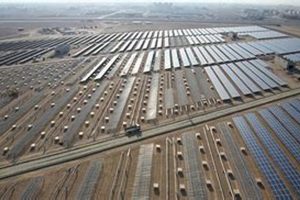
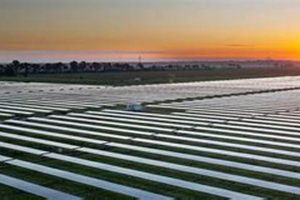
The intersection of competitive markets and sustainable energy sources represents a dynamic and rapidly evolving sector. For example, government incentives and declining technology costs are driving private investment in solar and wind power generation, creating opportunities for businesses to compete and innovate in this space. This competitive landscape fosters the development and deployment of cleaner energy solutions.
Promoting competition within the sustainable energy sector is crucial for accelerating the transition to a low-carbon economy. Market-driven innovation leads to greater efficiency, cost reductions, and wider adoption of renewable energy technologies. Historically, regulated monopolies dominated energy production, but the introduction of competitive markets has demonstrably spurred progress in renewable energy development. This shift is essential for addressing climate change and enhancing energy security.
The following sections will delve deeper into specific aspects of this evolving market, exploring the key drivers, challenges, and opportunities that shape the future of sustainable energy.
Successfully engaging with the competitive renewable energy market requires careful planning and execution. The following tips offer guidance for businesses and investors seeking to capitalize on the opportunities presented by this dynamic sector.
Tip 1: Thorough Due Diligence: Comprehensive research and analysis are critical before investing in any renewable energy project. Evaluating the financial viability, regulatory landscape, and technical feasibility of a project mitigates risks and ensures informed decision-making.
Tip 2: Strategic Partnerships: Collaborating with experienced partners can provide valuable expertise and resources. Joint ventures and strategic alliances allow companies to leverage complementary strengths and share project risks.
Tip 3: Embrace Innovation: Staying at the forefront of technological advancements is crucial in the rapidly evolving renewable energy sector. Investing in research and development and adopting cutting-edge technologies provides a competitive advantage.
Tip 4: Policy Awareness: Government policies and regulations significantly impact the renewable energy market. Staying informed about policy changes and incentives allows businesses to adapt their strategies and optimize investment decisions.
Tip 5: Community Engagement: Building strong relationships with local communities is essential for the successful development of renewable energy projects. Engaging with stakeholders and addressing community concerns fosters public support and facilitates project implementation.
Tip 6: Long-Term Vision: Renewable energy investments often require a long-term perspective. Developing a clear long-term strategy and understanding the lifecycle costs of renewable energy projects is crucial for sustainable success.
Tip 7: Diversification: Diversifying investments across different renewable energy technologies and geographic locations can mitigate risks and enhance portfolio stability. This approach helps to balance potential fluctuations in individual markets or technologies.
By adopting these strategies, stakeholders can effectively navigate the complexities of the renewable energy market and contribute to the global transition to a sustainable energy future.
These tips provide a foundation for understanding the competitive renewable energy landscape. The concluding section offers a broader perspective on the future of this dynamic sector.
1. Competitive Landscape

The competitive landscape within the renewable energy arena is a critical factor influencing its growth and evolution. Understanding the forces shaping this landscape is essential for businesses, investors, and policymakers seeking to effectively navigate this dynamic sector.
- Market Share and Concentration
Market share distribution among key players reveals the level of competition within specific renewable energy segments. A highly concentrated market, dominated by a few large companies, may present barriers to entry for smaller firms. Conversely, a fragmented market with numerous smaller players can foster innovation and rapid technological advancements. For instance, the solar photovoltaic market exhibits a mix of large multinational corporations and smaller, specialized firms competing across the value chain. The relative market shares of these entities impact pricing, innovation, and overall market dynamics.
- Technological Differentiation
Continuous technological innovation is a hallmark of the renewable energy sector. Companies constantly strive to develop more efficient, cost-effective, and reliable technologies. This competitive pressure leads to rapid advancements in areas such as solar cell efficiency, wind turbine design, and energy storage solutions. Differentiation through technological innovation provides a competitive edge and drives market growth. An example is the development of perovskite solar cells, which offer the potential for higher efficiencies and lower manufacturing costs compared to traditional silicon-based cells.
- Policy and Regulatory Frameworks
Government policies and regulations play a significant role in shaping the competitive landscape. Subsidies, tax incentives, and renewable portfolio standards can create favorable market conditions for certain technologies or companies. Conversely, regulatory barriers can hinder market entry and stifle innovation. Understanding the regulatory landscape is crucial for navigating the competitive arena. For example, feed-in tariffs and carbon pricing mechanisms can significantly impact the competitiveness of different renewable energy sources.
- Geographic Factors
Resource availability, infrastructure development, and local policies influence the competitive dynamics of renewable energy markets in different regions. Areas with abundant solar or wind resources may attract significant investment and become hubs for specific technologies. Geographic factors also influence the cost of deployment and the overall competitiveness of renewable energy projects. For example, offshore wind projects require specific coastal characteristics and grid infrastructure, influencing the competitive landscape in different regions.
These facets of the competitive landscape interact dynamically, shaping the trajectory of the renewable energy sector. Analyzing these factors provides valuable insights for stakeholders seeking to thrive in this increasingly complex and competitive arena. Understanding market share dynamics, technological differentiation, policy frameworks, and geographic influences provides a framework for strategic decision-making and successful participation in the renewable energy market.
2. Market Dynamics
Market dynamics significantly influence the renewable energy arena, impacting investment decisions, technological development, and overall market growth. Fluctuations in energy demand, fossil fuel prices, government policies, and consumer preferences create a complex interplay of factors that shape the renewable energy landscape. Understanding these dynamics is crucial for successful participation in this evolving market. For example, rising electricity demand coupled with increasing concerns about carbon emissions creates a favorable market environment for renewable energy technologies. Conversely, declining fossil fuel prices can create challenges for the competitiveness of renewable energy sources. The interplay of these factors determines the overall market attractiveness and investment potential of different renewable energy technologies.
Analyzing specific market dynamics provides further insights into their impact on the renewable energy arena. The levelized cost of electricity (LCOE) for renewable energy technologies, a key metric for comparing energy costs, is influenced by factors such as technology costs, financing rates, and capacity factors. Changes in these factors directly impact the competitiveness of renewable energy against conventional energy sources. For instance, declining technology costs for solar photovoltaics have significantly reduced the LCOE of solar power, making it a more attractive option for utilities and consumers. Similarly, government policies such as carbon pricing mechanisms can influence the relative economics of renewable and fossil fuel-based power generation. Understanding these specific market dynamics enables informed decision-making regarding investment, technology development, and policy interventions.
Navigating the renewable energy market requires a thorough understanding of these dynamic forces. Analyzing historical trends, anticipating future market conditions, and adapting strategies accordingly are crucial for success in this rapidly evolving sector. Challenges such as fluctuating commodity prices, policy uncertainty, and grid integration issues require careful consideration. Addressing these challenges through innovative solutions, strategic partnerships, and policy advocacy is essential for realizing the full potential of renewable energy and achieving a sustainable energy future. The ability to analyze and respond effectively to market dynamics will determine the long-term viability and success of renewable energy ventures.
3. Technological Innovation

Technological innovation serves as a primary driver within the renewable energy arena. Advancements in materials science, manufacturing processes, and digital technologies continuously reshape the landscape, impacting efficiency, cost-effectiveness, and the overall competitiveness of renewable energy sources. Understanding the trajectory of these innovations is crucial for assessing the future potential of renewable energy and its role in the global energy transition.
- Materials Science Advancements
Developments in materials science play a critical role in enhancing the performance and durability of renewable energy technologies. For example, the development of new composite materials for wind turbine blades enables the construction of larger, more efficient turbines capable of capturing more wind energy. Similarly, advancements in photovoltaic materials are leading to higher solar cell efficiencies and lower manufacturing costs. These materials science breakthroughs drive down the levelized cost of electricity (LCOE) for renewable energy, making it increasingly competitive with conventional energy sources.
- Manufacturing Process Improvements
Innovations in manufacturing processes contribute significantly to cost reductions and scalability within the renewable energy sector. Automated production lines, advanced robotics, and additive manufacturing techniques streamline the production of solar panels, wind turbine components, and energy storage systems. These process improvements reduce manufacturing time and labor costs, leading to economies of scale and increased market penetration of renewable energy technologies. The shift towards large-scale manufacturing also facilitates the development of localized supply chains, reducing reliance on global supply chains and enhancing energy security.
- Digitalization and Smart Grid Integration
Digital technologies are transforming the operation and integration of renewable energy systems. Advanced sensors, data analytics, and machine learning algorithms optimize the performance of renewable energy assets, predicting maintenance needs and maximizing energy output. Smart grid technologies enable the seamless integration of intermittent renewable energy sources into the electricity grid, enhancing grid stability and reliability. For example, smart inverters and grid management systems enable the efficient balancing of supply and demand, accommodating the fluctuating nature of solar and wind power.
- Energy Storage Solutions
Advances in energy storage technologies address the intermittency challenges associated with renewable energy sources. Batteries, pumped hydro storage, and other storage solutions enable the storage of excess renewable energy generated during periods of high production and its subsequent release during periods of low production or peak demand. These technologies enhance the reliability and dispatchability of renewable energy, facilitating its integration into the electricity grid and enabling a higher penetration of renewable energy sources. For example, the declining cost of battery storage is making it an increasingly viable option for grid-scale energy storage, enabling greater utilization of solar and wind power.
These interconnected technological advancements collectively drive the ongoing evolution of the renewable energy arena. The continuous pursuit of innovation in materials science, manufacturing processes, digitalization, and energy storage solutions is essential for achieving a sustainable energy future. These advancements not only reduce the cost of renewable energy but also enhance its reliability, scalability, and integration into the existing energy infrastructure. The pace and direction of these innovations will significantly influence the future trajectory of the renewable energy sector and its contribution to addressing climate change and ensuring global energy security.
4. Policy and regulation

Policy and regulation form the bedrock of the renewable energy arena, wielding significant influence over its development, deployment, and overall success. These governmental interventions establish the framework within which renewable energy technologies compete, incentivizing investment, driving innovation, and shaping market dynamics. The effectiveness of these policies directly impacts the pace of the transition to a sustainable energy future. A clear understanding of the cause-and-effect relationship between policy decisions and market outcomes is crucial for policymakers, investors, and businesses operating within this sector. For example, renewable portfolio standards (RPS), which mandate a certain percentage of electricity generation from renewable sources, create a direct market demand for renewable energy, driving investment in projects and stimulating technological advancements. Conversely, inconsistent or poorly designed policies can create uncertainty and hinder market growth. The practical significance of this understanding lies in the ability to craft effective policies that foster a stable and thriving renewable energy market.
Real-world examples illustrate the profound impact of policy and regulation on the renewable energy landscape. The success of Germany’s feed-in tariff program in driving the rapid growth of solar photovoltaic capacity demonstrates the effectiveness of well-designed incentive mechanisms. Similarly, carbon pricing policies, such as carbon taxes or cap-and-trade systems, internalize the environmental costs of fossil fuels, creating a level playing field for renewable energy sources. However, policy reversals or retroactive changes, as witnessed in some jurisdictions, can undermine investor confidence and disrupt project development. Analyzing the successes and failures of different policy approaches provides valuable insights for policymakers seeking to create effective regulatory frameworks that promote sustainable energy development. The practical application of this knowledge involves designing policies that provide long-term certainty, incentivize innovation, and streamline permitting processes, ultimately accelerating the deployment of renewable energy technologies.
In summary, policy and regulation are integral components of the renewable energy arena, acting as catalysts for growth and innovation. A nuanced understanding of the interplay between policy decisions and market outcomes is essential for crafting effective policies that drive the transition to a sustainable energy future. Challenges remain in harmonizing policies across different jurisdictions, ensuring policy stability, and addressing potential unintended consequences. Navigating these complexities requires continuous evaluation, adaptation, and collaboration among policymakers, industry stakeholders, and researchers. The future success of the renewable energy sector hinges on the development of robust and forward-looking policy frameworks that effectively address the challenges and opportunities of this dynamic landscape.
5. Investment Opportunities

Investment opportunities within the renewable energy arena represent a crucial catalyst for accelerating the global transition to a sustainable energy future. The availability of attractive investment options drives capital flows towards renewable energy projects, fostering innovation, scaling up deployment, and creating economic opportunities. The interplay between investment and market growth creates a positive feedback loop, with increased investment leading to further cost reductions and market expansion. This dynamic relationship underscores the importance of investment opportunities as a key component of the renewable energy landscape. For instance, the rapid growth of the solar photovoltaic market in recent years has been fueled by substantial investments in manufacturing capacity, research and development, and project deployment. This influx of capital has driven down costs, improved technology, and expanded market access, creating a virtuous cycle of investment and growth. The practical significance of understanding this connection lies in the ability to identify and unlock investment potential, thereby accelerating the adoption of renewable energy technologies.
Further analysis reveals distinct investment opportunities across various segments of the renewable energy arena. Project finance plays a crucial role in funding large-scale renewable energy projects such as wind farms, solar power plants, and hydroelectric dams. Equity investments in renewable energy companies provide capital for research and development, technology commercialization, and market expansion. Green bonds offer investors a way to specifically support environmentally friendly projects, including renewable energy initiatives. Furthermore, public-private partnerships can leverage the strengths of both sectors to accelerate the deployment of renewable energy infrastructure. For example, government incentives and tax credits can de-risk investments and attract private capital, while private sector expertise in project development and management ensures efficient project execution. The diversity of investment options caters to different risk profiles and investment horizons, broadening the investor base and fostering a more robust and dynamic renewable energy market.
In summary, investment opportunities are inextricably linked to the growth and success of the renewable energy arena. Attractive investment options stimulate innovation, accelerate deployment, and create economic benefits. Understanding the dynamics of investment within the renewable energy sector is essential for policymakers, investors, and businesses seeking to contribute to a sustainable energy future. Challenges remain in mobilizing sufficient capital, mitigating investment risks, and ensuring equitable access to investment opportunities. Addressing these challenges requires innovative financing mechanisms, transparent regulatory frameworks, and international collaboration. The future trajectory of the renewable energy sector hinges on the ability to effectively channel investments towards promising technologies and projects, unlocking the full potential of renewable energy to power a sustainable future.
Frequently Asked Questions about Competitive Renewable Energy
This section addresses common inquiries regarding the competitive landscape of the renewable energy sector. Clear and concise answers provide insights for stakeholders seeking to navigate this dynamic market.
Question 1: What are the primary barriers to entry for new companies in the renewable energy market?
Significant upfront capital costs, established market incumbents, complex regulatory landscapes, and securing grid connection agreements often present challenges for new entrants. Furthermore, access to specialized expertise and supply chain limitations can create additional barriers.
Question 2: How do government policies influence the competitiveness of different renewable energy technologies?
Government subsidies, tax incentives, renewable portfolio standards, and carbon pricing mechanisms significantly impact the relative economics of various renewable energy technologies. These policies can create favorable market conditions for specific technologies, influencing investment decisions and market adoption rates.
Question 3: What role does technological innovation play in the competitive renewable energy market?
Technological advancements drive cost reductions, improve efficiency, and enhance the performance of renewable energy systems. Companies that invest in research and development and successfully commercialize innovative technologies gain a competitive advantage in the market.
Question 4: How does the availability of financing impact the growth of the renewable energy sector?
Access to affordable financing is crucial for developing and deploying renewable energy projects. Limited access to capital can hinder project development, while innovative financing mechanisms can unlock investment and accelerate market growth.
Question 5: What are the key challenges associated with integrating renewable energy into existing electricity grids?
The intermittency of renewable energy sources, such as solar and wind power, poses challenges for grid stability and reliability. Grid modernization efforts, including smart grid technologies and energy storage solutions, are essential for effectively integrating renewable energy and ensuring a stable electricity supply.
Question 6: How does international cooperation contribute to the development of the competitive renewable energy market?
International collaboration facilitates the sharing of best practices, technology transfer, and harmonization of standards. Cooperative efforts can accelerate the global transition to renewable energy by fostering innovation and addressing common challenges. For example, international agreements on climate change mitigation can create a supportive policy environment for renewable energy development.
Understanding these key aspects of the competitive renewable energy landscape provides valuable insights for stakeholders navigating this dynamic market. Addressing the challenges and capitalizing on the opportunities requires careful analysis, strategic planning, and ongoing adaptation to evolving market conditions.
The subsequent section delves deeper into specific market trends and future projections within the renewable energy sector.
The Future of the Renewable Energy Arena
This exploration of the competitive renewable energy landscape has highlighted key drivers of innovation, market dynamics, and policy influences shaping this transformative sector. Technological advancements, declining costs, and growing investor confidence are propelling the transition towards a sustainable energy future. Understanding the complexities of market competition, regulatory frameworks, and technological innovation is essential for successful participation in this evolving arena. From materials science breakthroughs to smart grid integration, the renewable energy sector presents a dynamic interplay of factors that influence its trajectory and impact.
The transition to a sustainable energy system represents a significant undertaking, requiring continued investment, policy support, and technological innovation. The competitive renewable energy arena offers substantial opportunities for economic growth, job creation, and environmental stewardship. Addressing the challenges of grid integration, energy storage, and resource availability remains critical for realizing the full potential of renewable energy. Continued focus on these areas will pave the way for a cleaner, more secure, and sustainable energy future.