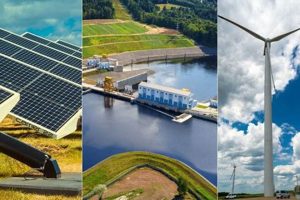
Sustainable power generation from natural resources like solar, wind, hydro, and biomass offers a cleaner alternative to traditional fossil fuels within the state. For example, the state’s mountainous eastern region offers significant potential for hydropower, while its central and western areas are well-suited for solar farms. Furthermore, agricultural byproducts can be utilized as biomass energy sources.
Clean power sources contribute to reduced air pollution, decreased reliance on finite fossil fuels, and a lower carbon footprint, fostering a healthier environment and contributing to a more sustainable future. Historically, the state has relied heavily on coal and nuclear power, but increasing interest in environmental stewardship and economic diversification has led to growing adoption of sustainable power options.
This exploration will further examine specific clean energy initiatives, challenges, and opportunities within the state, providing a detailed overview of the current landscape and future prospects for this growing sector.
Tips for Supporting Sustainable Power in Tennessee
Residents and businesses can contribute to a greener future by actively engaging with and supporting the growth of sustainable power generation. The following tips offer practical ways to participate in this important transition.
Tip 1: Explore Residential Solar Installations: Homeowners can significantly reduce their reliance on traditional energy sources by installing solar panels. Net metering programs can further offset costs by allowing excess generated electricity to be fed back into the grid.
Tip 2: Support Sustainable Power Initiatives: Advocate for policies and regulations that encourage the development and adoption of clean power technologies. Participate in public forums and contact elected officials to express support for sustainable energy projects.
Tip 3: Invest in Clean Energy Companies: Consider investing in companies specializing in sustainable power technologies, such as solar, wind, or biomass. This can provide financial support for the growth of the sector while also offering potential returns on investment.
Tip 4: Reduce Energy Consumption: Lowering overall energy use through energy-efficient appliances, better insulation, and mindful consumption habits reduces demand on the grid and supports the transition to cleaner sources.
Tip 5: Educate and Engage: Learn more about sustainable power options and share this knowledge with family, friends, and colleagues. Community engagement and awareness are crucial for driving widespread adoption.
Tip 6: Support Local Sustainable Power Projects: Explore community solar projects or other local initiatives that promote the use of clean power within the state. This localized approach can offer direct benefits to communities.
By embracing these suggestions, individuals and businesses can actively contribute to a more sustainable energy landscape within the state, fostering both environmental and economic benefits.
These collective efforts can pave the way for a cleaner, more resilient energy future, ensuring a healthier environment and a more sustainable economy for generations to come.
1. Solar Power

Solar power represents a significant component of Tennessee’s renewable energy portfolio. The state’s geographic location and generally sunny climate provide favorable conditions for solar energy generation. While not as abundant as in some southwestern states, Tennessee receives sufficient solar radiation to make photovoltaic (PV) systems a viable option for both residential and utility-scale projects. This potential contributes to reduced reliance on traditional fossil fuels and promotes energy independence. For instance, the Memphis Light, Gas and Water Division has invested in large-scale solar farms, demonstrating the growing role of solar power within the state’s energy mix. The increasing affordability of solar technology, coupled with supportive state policies like net metering, further enhances the practicality of solar power as a key element of Tennessee’s renewable energy strategy.
The growth of solar power within Tennessee offers several economic and environmental advantages. Solar installations create jobs in manufacturing, installation, and maintenance. Furthermore, solar power generation reduces greenhouse gas emissions, contributing to improved air quality and mitigating the effects of climate change. The distributed nature of solar energy also enhances grid resilience, reducing vulnerability to large-scale power outages. Several communities have initiated community solar projects, expanding access to solar power for residents who may not have suitable rooftops or sufficient capital for individual installations. These projects illustrate the potential of solar energy to foster local economic development and enhance community energy resilience.
While solar power offers promising prospects, challenges remain. Intermittency, or the variability of sunlight due to weather conditions, requires effective energy storage solutions and grid management strategies. Land use considerations for large-scale solar farms necessitate careful planning and community engagement. Continued technological advancements, coupled with supportive policies and public awareness campaigns, will play a crucial role in overcoming these challenges and maximizing the potential of solar power as a key driver of Tennessee’s transition to a more sustainable energy future.
2. Wind Energy

Wind energy presents a growing opportunity within Tennessee’s renewable energy landscape. While not as extensively developed as solar power, wind energy offers a valuable complement to the state’s clean energy portfolio. The Cumberland Plateau and Appalachian Mountains possess locations with wind resources suitable for utility-scale wind farms. Harnessing this potential can further diversify the state’s energy mix and contribute to reduced reliance on fossil fuels.
- Resource Assessment and Siting:
Accurately assessing wind resources is crucial for identifying optimal locations for wind turbine installations. Factors such as wind speed, consistency, and direction influence energy production potential. The mountainous regions of East Tennessee generally exhibit higher wind speeds compared to other areas. Thorough site assessments, including environmental impact studies, ensure responsible development and minimize potential ecological disruptions.
- Technological Advancements:
Advancements in wind turbine technology, including larger rotor diameters and improved efficiency, enhance energy capture and reduce the cost of wind power generation. Taller turbines can access higher wind speeds, maximizing energy output. These advancements contribute to the economic viability of wind energy projects in Tennessee.
- Grid Integration and Infrastructure:
Integrating wind energy into the existing power grid requires careful planning and infrastructure development. Transmission lines and substations need to be upgraded or constructed to accommodate the influx of wind-generated electricity. Smart grid technologies can optimize grid management and ensure reliable delivery of wind power to consumers. This infrastructure investment supports the growth of wind energy and strengthens the overall grid.
- Economic and Environmental Impacts:
Wind energy projects can generate economic benefits through job creation in manufacturing, construction, operations, and maintenance. Furthermore, wind power offers a clean energy source, reducing reliance on fossil fuels and minimizing greenhouse gas emissions. These positive economic and environmental impacts contribute to sustainable development within the state.
These facets of wind energy development collectively contribute to Tennessee’s transition towards a more sustainable energy future. As technology continues to advance and costs decline, wind power is poised to play an increasingly important role in the state’s renewable energy mix, alongside solar, hydro, and biomass resources. This diversified approach strengthens energy security, promotes economic growth, and mitigates the impacts of climate change.
3. Hydroelectric Power

Hydroelectric power represents a cornerstone of Tennessee’s renewable energy landscape, deeply intertwined with the state’s history and geography. The Tennessee Valley Authority (TVA), established in 1933, played a pivotal role in developing the state’s hydroelectric infrastructure, leveraging the region’s abundant river systems. Dams like Norris Dam and Chickamauga Dam, integral components of the TVA system, generate substantial clean electricity, contributing significantly to the state’s energy mix. This historical reliance on hydropower positions it as a mature and reliable component of Tennessee’s renewable energy portfolio. The existing infrastructure provides a foundation for continued reliance on this clean energy source, minimizing reliance on fossil fuel-based generation.
The ongoing role of hydropower in Tennessee’s energy future hinges on balancing its benefits with environmental considerations. While hydropower offers a clean energy source, reducing greenhouse gas emissions compared to fossil fuels, dam construction and operation can impact aquatic ecosystems. Maintaining adequate water flow for downstream ecosystems and addressing fish passage are crucial aspects of responsible hydropower management. Modernizing existing hydroelectric facilities can improve efficiency and minimize environmental impacts. Pumped storage hydropower, utilizing off-peak electricity to pump water uphill for later release during peak demand, provides a form of energy storage that enhances grid stability and complements intermittent renewable sources like solar and wind power. The TVA’s Raccoon Mountain Pumped-Storage Plant exemplifies this approach, demonstrating the versatility of hydropower in a modern energy system.
Hydropower remains a significant contributor to Tennessee’s renewable energy goals, offering a reliable and established clean energy source. Balancing the benefits of hydropower with ecological considerations necessitates careful management and ongoing modernization efforts. Integrating pumped storage technologies enhances the value of hydropower in a grid increasingly reliant on intermittent renewable sources. This balanced approach ensures the continued viability and sustainability of hydropower as a key component of Tennessee’s clean energy future.
4. Biomass Energy

Biomass energy represents a distinct component of Tennessee’s renewable energy portfolio, leveraging organic matter for electricity generation and heat production. The state’s robust agricultural sector provides a readily available source of biomass feedstock, including crop residues, forestry byproducts, and dedicated energy crops. This connection between Tennessee’s agricultural landscape and biomass energy potential offers a pathway to reduce reliance on fossil fuels while supporting rural economies. For instance, using switchgrass as a dedicated energy crop provides farmers with an alternative revenue stream while contributing to sustainable energy production. Furthermore, utilizing agricultural residues like corn stover reduces waste and provides a valuable energy resource. The University of Tennessee’s Institute of Agriculture conducts research on optimizing biomass production and utilization, demonstrating the state’s commitment to exploring this renewable energy source.
The practical application of biomass energy in Tennessee spans various scales and technologies. Anaerobic digestion converts organic waste into biogas, which can be used for electricity generation or heat production. Combined heat and power (CHP) systems utilize biomass to generate both electricity and thermal energy, increasing overall efficiency. Several industrial facilities and institutions within the state employ biomass boilers for heating purposes, reducing their dependence on fossil fuels. Furthermore, biomass can be gasified to produce syngas, a versatile fuel suitable for electricity generation or conversion into other biofuels. The diverse applications of biomass energy highlight its potential to contribute to a more sustainable and diversified energy system in Tennessee.
Sustainably managing biomass resources is crucial for ensuring the long-term viability of biomass energy in Tennessee. Harvesting biomass feedstock must be conducted in a manner that avoids soil erosion and maintains soil health. Sustainable forestry practices are essential for ensuring the responsible sourcing of woody biomass. Additionally, minimizing transportation distances between biomass production sites and processing facilities reduces costs and environmental impacts. Addressing these sustainability considerations ensures the responsible development and utilization of biomass energy, maximizing its contribution to Tennessee’s renewable energy goals while protecting the state’s natural resources.
5. Policy and Incentives
State-level policies and incentives play a crucial role in shaping the development and adoption of renewable energy technologies within Tennessee. These policy mechanisms influence investment decisions, market growth, and the overall transition towards a more sustainable energy landscape. Understanding the interplay between policy and market dynamics is essential for fostering the growth of renewable energy resources within the state.
- Renewable Portfolio Standards (RPS):
Renewable Portfolio Standards (RPS) mandate that a certain percentage of electricity generated within a state must come from renewable sources. While Tennessee does not currently have a binding RPS, voluntary goals and targets have been established. The absence of a mandatory RPS can limit the growth of renewable energy compared to states with enforceable standards. Advocacy for a stronger RPS could accelerate the adoption of renewable energy technologies within Tennessee.
- Net Metering and Interconnection Policies:
Net metering policies allow customers who generate their own renewable electricity, typically through solar panels, to sell excess energy back to the grid. These policies compensate consumers for their contributions to clean energy generation. Streamlined interconnection processes facilitate the connection of renewable energy systems to the grid, reducing administrative hurdles and encouraging adoption. Clear and consistent net metering and interconnection policies are essential for fostering distributed renewable energy generation within the state.
- Tax Incentives and Rebates:
Financial incentives, such as tax credits, rebates, and grants, can significantly reduce the upfront costs of installing renewable energy systems. These incentives stimulate investment in both residential and commercial renewable energy projects. For example, the federal Investment Tax Credit (ITC) offers a substantial tax credit for solar energy investments, making solar power more financially attractive. State-level tax incentives and rebates can further enhance the economic viability of renewable energy projects in Tennessee.
- State Grant Programs and Funding Initiatives:
Targeted grant programs and funding initiatives can support research and development in renewable energy technologies, as well as pilot projects and demonstrations. These programs foster innovation and accelerate the deployment of new clean energy solutions. For example, the Tennessee Department of Environment and Conservation (TDEC) offers various grant programs and funding opportunities related to energy efficiency and renewable energy. These initiatives play a vital role in advancing the state’s clean energy goals.
The effectiveness of these policy and incentive mechanisms depends on careful design, implementation, and ongoing evaluation. A comprehensive and consistent policy framework is crucial for creating a stable and predictable market environment that encourages long-term investment in renewable energy. By fostering a supportive policy landscape, Tennessee can accelerate the transition towards a cleaner, more sustainable energy future, maximizing the economic and environmental benefits of renewable resources.
Frequently Asked Questions about Renewable Energy in Tennessee
This section addresses common inquiries regarding the development and utilization of renewable energy resources within Tennessee, providing concise and informative responses.
Question 1: What are the primary renewable energy sources in Tennessee?
The primary renewable energy sources currently utilized in Tennessee include hydropower, solar power, wind power, and biomass energy. Hydropower, historically significant due to the Tennessee Valley Authority (TVA), remains a major contributor. Solar and wind power installations are expanding, while biomass energy utilizes agricultural residues and dedicated energy crops.
Question 2: How does Tennessee’s renewable energy capacity compare to other states?
While Tennessee utilizes renewable resources, its overall capacity, particularly in wind and solar, is currently lower than some leading states. Hydropower constitutes a significant portion of the state’s renewable generation. Growth potential exists in solar, wind, and biomass, driven by technological advancements and policy support.
Question 3: What are the key barriers to wider adoption of renewable energy in Tennessee?
Key barriers include the absence of a mandatory Renewable Portfolio Standard (RPS), historical reliance on traditional energy sources, and public awareness regarding the benefits of renewable energy. Addressing these barriers requires policy adjustments, public education campaigns, and grid modernization efforts.
Question 4: What incentives are available for residents and businesses interested in renewable energy?
Incentives include the federal Investment Tax Credit (ITC) for solar installations, net metering programs allowing customers to sell excess electricity back to the grid, and various state and local incentives promoting energy efficiency and renewable energy adoption. Available incentives vary and should be researched based on specific technologies and location.
Question 5: How can individuals and businesses contribute to the growth of renewable energy in Tennessee?
Individuals and businesses can contribute by exploring residential solar installations, supporting renewable energy policies, investing in clean energy companies, reducing overall energy consumption, educating others about renewable energy benefits, and supporting local sustainable energy projects. Collective action accelerates the transition towards a cleaner energy future.
Question 6: What is the future outlook for renewable energy in Tennessee?
The future outlook is positive, with increasing interest in renewable energy sources driven by economic factors, environmental concerns, and technological advancements. Supportive policies, public awareness, and continued investment are crucial for realizing the full potential of renewable energy in Tennessee’s future energy landscape.
Exploring these common questions provides a foundational understanding of renewable energy in Tennessee. Continued research and engagement are encouraged for a more comprehensive understanding of this dynamic landscape.
For further information and resources regarding renewable energy in Tennessee, consult the Tennessee Department of Environment and Conservation (TDEC) and the Tennessee Valley Authority (TVA).
Tennessee Renewable Energy
This exploration has examined the multifaceted landscape of sustainable energy resources within Tennessee, encompassing solar, wind, hydroelectric, and biomass energy. The analysis highlighted the state’s potential for growth in these sectors, emphasizing the importance of supportive policies, technological advancements, and public awareness. Challenges such as intermittency, infrastructure development, and historical reliance on traditional energy sources require ongoing attention and innovative solutions. The economic and environmental benefits of transitioning to cleaner energy sources underscore the significance of continued investment and development in this field.
The future of energy in Tennessee hinges on embracing the potential of sustainable resources. Strategic planning, policy adjustments, and ongoing research are essential for maximizing the benefits of clean energy technologies. The transition toward a more sustainable energy future requires collaborative efforts from policymakers, industry stakeholders, researchers, and the public. This collective action is crucial for ensuring a cleaner, more resilient, and prosperous future for the state.