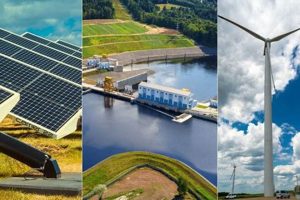
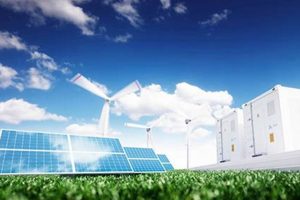
The European Union’s overarching strategy for transitioning to a climate-neutral economy by 2050 is significantly reliant on a rapid increase in the utilization of sources like wind, solar, hydro, and biomass power. This involves setting binding targets for renewable energy consumption, establishing supportive regulatory frameworks for investors, and promoting research and innovation in clean technologies. For example, directives on renewable energy sources and energy efficiency provide a legal basis for member states to integrate these resources into their national energy mixes.
This strategic focus on sustainable energy sources offers numerous potential advantages. A shift away from fossil fuels can enhance energy security by reducing dependence on volatile external markets. It can also contribute to economic growth by stimulating investments in new technologies and industries. Furthermore, decarbonizing the energy sector is essential for mitigating climate change and improving air quality, thereby safeguarding public health and the environment. Historically, the framework has evolved from initial promotional efforts to a more integrated and ambitious system driven by increasingly urgent climate concerns and technological advancements.
The following sections will explore the specific targets, instruments, and challenges associated with the Union’s transition towards a sustainable energy future, including detailed analyses of individual member state approaches and the future outlook for the sector.
Tips for Engaging with the European Union’s Renewable Energy Landscape
Individuals and organizations can contribute to the advancement of sustainable energy within the European Union’s framework. The following tips provide guidance for effective engagement:
Tip 1: Understand Local Regulations: Member states interpret and implement Union-wide directives in distinct ways. Research specific national and regional policies to identify relevant incentives, requirements, and opportunities.
Tip 2: Explore Funding Opportunities: Numerous EU funding schemes exist to support renewable energy projects, research, and innovation. Explore grants, loans, and investment programs available at the European and national levels.
Tip 3: Advocate for Policy Improvements: Engage with policymakers and participate in public consultations to contribute to the ongoing development and improvement of renewable energy policies.
Tip 4: Invest in Energy Efficiency: Reducing overall energy consumption is crucial. Implementing energy efficiency measures can complement the transition to renewable sources and maximize their impact.
Tip 5: Support Sustainable Businesses: Prioritize purchasing goods and services from companies committed to renewable energy and sustainable practices. Consumer choices can influence market trends and corporate behavior.
Tip 6: Stay Informed: The renewable energy landscape is constantly evolving. Keep abreast of policy changes, technological advancements, and market trends to make informed decisions.
Tip 7: Promote Community Engagement: Encourage local initiatives and community-based renewable energy projects. Collective action can accelerate the transition to a sustainable energy system.
By actively engaging with the policy landscape and adopting sustainable practices, individuals and organizations can contribute to a more resilient and environmentally sound energy future within the European Union.
These individual actions, coupled with broader policy initiatives, are crucial for achieving a climate-neutral future and realizing the full potential of renewable energy within the European Union. The following conclusion synthesizes the key arguments and offers a prospective outlook.
1. Targets

Ambitious and legally binding targets are central to the European Union’s renewable energy policy. These targets provide direction and create a sense of urgency for the transition to a sustainable energy system. They serve as a key driver for investments, policy development, and technological innovation within the renewable energy sector. A clear understanding of these targets is crucial for comprehending the overall policy framework.
- Overall Renewable Energy Share:
The EU has set a binding target of at least 42.5% renewable energy in final gross energy consumption by 2030. This overarching target sets the tone for the entire policy landscape and requires significant contributions from all member states. It influences national energy strategies and drives investments across various renewable energy technologies.
- Transport Sector Integration:
Within the overall target, a specific sub-target mandates that at least 14% of energy consumed in the transport sector must come from renewable sources by 2030. This aims to decarbonize transportation by promoting the use of biofuels, renewable electricity in electric vehicles, and other sustainable transport solutions. The target addresses the historically challenging task of integrating renewables into transportation systems.
- Heating and Cooling Sector Contribution:
Renewable energy sources are also expected to play a significant role in heating and cooling. Specific targets within national energy and climate plans address the integration of renewable energy in buildings and industrial processes. This encourages the adoption of technologies like heat pumps, solar thermal systems, and geothermal energy, reducing reliance on fossil fuels for thermal needs.
- National Targets and Flexibility:
While overarching EU targets provide a unified direction, individual member states have some flexibility in setting their national targets and pathways, taking into account their specific circumstances and resource endowments. This allows for tailored approaches within a common framework, ensuring each member state contributes to the collective goal while considering its unique context.
These interconnected targets, spanning across sectors and considering national contexts, form the backbone of the EU’s renewable energy policy. They provide a roadmap for the transition to a sustainable energy future, stimulating investment, innovation, and policy development towards achieving a climate-neutral economy. The effectiveness of these targets, however, relies heavily on the implementation of supportive legislation and the creation of favorable market conditions.
2. Legislation

Legislation forms the cornerstone of the European Union’s renewable energy policy, translating ambitious targets into concrete action. A robust legal framework provides certainty for investors, establishes clear rules for market participants, and drives the integration of renewable energy sources into national energy systems. The legislative landscape encompasses a range of directives, regulations, and decisions that address various aspects of renewable energy development and deployment.
A key example is the Renewable Energy Directive (RED), which sets binding targets for renewable energy consumption and establishes a common framework for promoting renewable energy sources across the EU. RED II, the updated version of the directive, strengthens these provisions and introduces new sustainability criteria for bioenergy. Other relevant legislation includes directives on energy efficiency, which complement renewable energy policies by reducing overall energy demand, and regulations on the internal energy market, which facilitate cross-border electricity trading and support the integration of renewable energy into the grid. The effectiveness of this legislative framework depends on consistent implementation and enforcement at the national level.
Understanding the legislative underpinnings of the EU’s renewable energy policy is crucial for businesses, investors, and policymakers. This knowledge enables informed decision-making, facilitates compliance with regulatory requirements, and supports the development of effective strategies for transitioning to a sustainable energy future. The legislative landscape, however, is constantly evolving to adapt to technological advancements, changing market conditions, and the increasing urgency of climate action. Ongoing monitoring and engagement with policy developments are essential for navigating this complex and dynamic field.
3. Investments

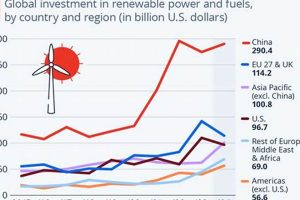
Investments play a crucial role in the success of the European Union’s renewable energy policy. The transition to a sustainable energy system requires substantial financial resources to support the development, deployment, and integration of renewable energy technologies. Significant capital is needed for research and innovation, infrastructure development, and market deployment of renewable energy solutions. Public and private investments act as catalysts, driving innovation, creating jobs, and accelerating the shift towards a low-carbon economy. The scale and direction of these investments significantly influence the pace and trajectory of the energy transition.
The European Green Deal, a comprehensive strategy for achieving climate neutrality by 2050, recognizes the critical role of investments. It mobilizes significant funding through various instruments, including the European Investment Bank, to support renewable energy projects and related infrastructure development. For example, the InvestEU program provides guarantees and financial support to de-risk investments in renewable energy projects, attracting private capital and accelerating the deployment of clean technologies. Furthermore, EU member states offer various national incentives, such as feed-in tariffs and tax breaks, to encourage private investments in renewable energy projects within their territories. These combined efforts create a favorable investment environment, enabling the scaling up of renewable energy capacity across the EU.
Attracting and effectively deploying investments are essential for achieving the EU’s ambitious renewable energy targets. While the policy framework provides direction and incentives, the availability of capital, coupled with stable regulatory frameworks and market conditions, ultimately determines the pace of the energy transition. Addressing investment barriers, such as permitting procedures and grid connection challenges, is crucial for unlocking the full potential of renewable energy and achieving a sustainable energy future. Understanding the dynamics of investment flows and their impact on the renewable energy sector is therefore critical for policymakers, investors, and businesses operating in this evolving landscape.
4. Innovation

Innovation forms a cornerstone of the European Union’s renewable energy policy, serving as a catalyst for achieving its ambitious climate and energy targets. The policy recognizes that technological advancements are essential for driving down costs, improving efficiency, and expanding the range of renewable energy applications. This emphasis on innovation translates into concrete support mechanisms for research, development, and deployment of cutting-edge technologies across various renewable energy sectors.
Examples of this commitment to innovation include funding programs like Horizon Europe, which allocates substantial resources to research and innovation projects focused on renewable energy technologies, energy storage solutions, and smart grids. These investments aim to accelerate the development and commercialization of breakthrough technologies, enabling a faster and more cost-effective transition to a sustainable energy system. Furthermore, the EU supports innovative pilot projects and demonstration plants that showcase the potential of emerging renewable energy technologies in real-world settings. Such initiatives help to de-risk investments, create market opportunities, and foster wider adoption of innovative solutions. For instance, projects focusing on floating offshore wind farms or advanced bioenergy production demonstrate the EU’s commitment to exploring and supporting cutting-edge technologies.
The practical significance of this focus on innovation is evident in the declining costs of renewable energy technologies, such as solar photovoltaic and wind power, making them increasingly competitive with conventional fossil fuels. Continued innovation is crucial for overcoming remaining technological challenges, such as developing efficient and cost-effective energy storage solutions and integrating renewable energy sources seamlessly into existing electricity grids. Addressing these challenges through targeted research and development efforts is essential for realizing the full potential of renewable energy and achieving a secure, sustainable, and affordable energy future for the European Union. Without sustained innovation, the transition to a climate-neutral economy will likely face significant hurdles and delays.
5. Integration

Integration is a critical aspect of the European Union’s renewable energy policy, focusing on seamlessly incorporating renewable energy sources into the existing energy infrastructure. This involves addressing technical, regulatory, and market-related challenges to ensure a stable and efficient energy system. Successful integration is essential for maximizing the benefits of renewable energy, including enhanced energy security, reduced emissions, and economic growth. Without effective integration, the intermittent nature of some renewable sources, like solar and wind power, could pose challenges to grid stability and reliability.
A key element of integration is the development of smart grids, which utilize digital technologies to optimize energy distribution and manage the fluctuating supply from renewable sources. Smart grids enhance grid flexibility and resilience, enabling greater penetration of renewable energy without compromising system stability. For example, advanced metering infrastructure and demand-side management tools allow for better balancing of supply and demand, reducing the need for conventional backup power plants. Furthermore, cross-border electricity interconnections play a vital role in integrating renewable energy across the EU. By connecting national grids, countries can share renewable energy resources, balancing supply and demand across wider geographical areas and mitigating the impact of intermittency. The Nord Pool electricity market, spanning several Nordic and Baltic countries, exemplifies the benefits of cross-border integration for renewable energy trading and grid stability.
Effective integration requires not only technological advancements but also supportive regulatory frameworks and market mechanisms. Regulations must adapt to the decentralized nature of renewable energy generation, facilitating grid access for smaller producers and promoting fair competition within the energy market. Furthermore, market mechanisms, such as dynamic pricing and flexibility services, can incentivize the integration of renewable energy by rewarding grid flexibility and balancing services. Successfully addressing these integration challenges is crucial for realizing the full potential of the EU’s renewable energy policy and achieving a secure, sustainable, and integrated energy system. Failure to prioritize integration could lead to grid instability, increased costs, and a slower transition to a low-carbon economy.
Frequently Asked Questions about the EU’s Renewable Energy Policy
This section addresses common inquiries regarding the European Union’s renewable energy policy framework, providing concise and informative responses.
Question 1: How does the EU’s renewable energy policy impact energy prices for consumers?
While transitioning to renewable energy requires upfront investments, which can influence prices in the short term, increased competition and technological advancements tend to drive down costs over time. Furthermore, reduced reliance on volatile fossil fuel markets enhances price stability and protects consumers from fluctuating global energy prices. The long-term impact on consumer prices depends on various factors, including the pace of technological innovation and the effectiveness of policy implementation.
Question 2: What role do individual member states play in implementing the EU’s renewable energy targets?
Member states are responsible for translating EU-level directives and targets into national policies and action plans. They have some flexibility in determining the specific mix of renewable energy sources they deploy, taking into account their unique resources and circumstances. However, they must demonstrate progress towards achieving the overall EU targets and contribute to the collective effort of transitioning to a sustainable energy system.
Question 3: How does the policy address concerns about the intermittency of renewable energy sources like solar and wind power?
The policy emphasizes the importance of grid integration and smart grid technologies to manage the fluctuating supply from intermittent renewable sources. Investments in energy storage solutions, demand-side management, and cross-border electricity interconnections help to balance supply and demand, ensuring grid stability and reliability even with high levels of renewable energy penetration.
Question 4: What measures are in place to ensure the sustainability of bioenergy production under the EU’s renewable energy policy?
The Renewable Energy Directive (RED II) introduces sustainability criteria for bioenergy, aiming to prevent deforestation, protect biodiversity, and ensure that bioenergy production does not contribute to greenhouse gas emissions. These criteria address land use change, greenhouse gas emissions from bioenergy production, and the protection of high-carbon stock forests and other valuable ecosystems.
Question 5: How does the EU’s renewable energy policy contribute to job creation and economic growth?
The transition to renewable energy stimulates investments in new technologies, manufacturing, installation, and maintenance, creating employment opportunities across various sectors. Furthermore, it fosters innovation and competitiveness within the European economy, driving sustainable economic growth and reducing dependence on imported fossil fuels.
Question 6: What are the main challenges to achieving the EU’s renewable energy targets, and how are they being addressed?
Challenges include the need for substantial investments, grid integration complexities, permitting procedures for renewable energy projects, and public acceptance. The EU addresses these through various measures, including financial incentives, streamlining permitting processes, promoting research and innovation, and engaging with stakeholders to build consensus and address public concerns.
Understanding these key aspects of the EU’s renewable energy policy is crucial for stakeholders across all sectors. Continued engagement and informed decision-making are essential for achieving a successful energy transition and realizing the benefits of a sustainable energy future.
For further information, the subsequent section provides in-depth analyses of specific policy instruments and their impact on the renewable energy landscape.
Conclusion
The European Union’s renewable energy policy represents a comprehensive and ambitious undertaking, aiming to transform the energy landscape and achieve climate neutrality. This multifaceted approach encompasses legally binding targets, supportive legislative frameworks, substantial investment programs, and a strong emphasis on innovation and integration. The policy seeks to address not only the environmental imperative of reducing greenhouse gas emissions but also the economic opportunities associated with a transition to a sustainable energy system. Success hinges on effective implementation, ongoing adaptation to technological advancements, and continuous engagement with stakeholders across all sectors.
The transition to a renewable energy-powered future presents both opportunities and challenges. Navigating this complex landscape requires sustained commitment, policy coherence, and international collaboration. The long-term success of the EU’s renewable energy policy will ultimately determine the bloc’s ability to meet its climate goals, secure its energy future, and maintain its competitiveness in the global economy. Continued investment in research and innovation, coupled with adaptive policy frameworks and proactive engagement with emerging technologies, will be crucial for navigating the path towards a sustainable and prosperous future powered by renewable energy.