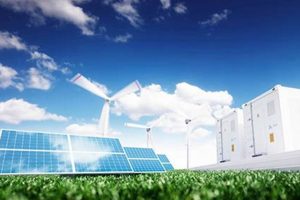
The nation of Azerbaijan is actively diversifying its energy sector by developing sustainable power sources such as solar, wind, hydro, and biomass. These efforts aim to reduce reliance on fossil fuels and contribute to a cleaner energy future. For example, several large-scale solar power plants are either under construction or already operational, harnessing the country’s abundant sunlight. Additionally, wind farms are being established in areas with high wind potential, supplementing existing hydroelectric power generation.
Promoting sustainable power generation offers several key advantages. It enhances energy security by reducing dependence on imported fossil fuels. Furthermore, it supports economic growth by creating jobs in the renewable energy sector and fostering technological innovation. Historically, Azerbaijan’s energy landscape has been dominated by oil and gas production. However, recognizing the long-term environmental and economic benefits of diversification, the country is now committed to a transition towards cleaner sources.
This exploration will delve into specific projects, policy initiatives, and challenges associated with developing this sector in Azerbaijan. It will also analyze the potential impact on the national economy, energy security, and environmental sustainability.
Tips for Supporting Sustainable Power Development in Azerbaijan
The transition to a cleaner energy future requires a concerted effort from various stakeholders. The following tips offer practical guidance for supporting sustainable power development in Azerbaijan.
Tip 1: Promote Energy Efficiency: Reducing energy consumption through efficiency measures is crucial. This can involve upgrading building insulation, promoting energy-efficient appliances, and optimizing industrial processes.
Tip 2: Invest in Research and Development: Continued investment in research and development is essential for advancing renewable energy technologies and reducing costs. Focus areas should include improving the efficiency of solar panels, wind turbines, and energy storage solutions.
Tip 3: Support Policy Initiatives: Supportive government policies, such as feed-in tariffs and tax incentives, are vital for attracting investment in the renewable energy sector. Clear and consistent regulations create a stable environment for businesses.
Tip 4: Foster Public Awareness: Educating the public about the benefits of sustainable power is key to building public support and driving adoption. This can be achieved through public awareness campaigns, educational programs, and community engagement.
Tip 5: Encourage International Collaboration: Sharing best practices and expertise with international partners can accelerate the development of sustainable power solutions. Collaboration can involve joint research projects, technology transfer, and capacity building.
Tip 6: Develop Smart Grid Technologies: Modernizing the electricity grid is crucial for integrating renewable energy sources effectively. Smart grid technologies enable better management of intermittent renewable energy generation and optimize distribution.
Tip 7: Diversify Renewable Energy Sources: Developing a mix of renewable energy sources, including solar, wind, hydro, and biomass, enhances energy security and resilience. This reduces reliance on any single source and mitigates the impact of intermittency.
By adopting these strategies, Azerbaijan can effectively transition towards a cleaner and more sustainable energy future, maximizing the economic, environmental, and social benefits of renewable power.
These tips offer a pathway to a more sustainable future for Azerbaijan, one powered by clean and renewable energy sources. The subsequent conclusion will summarize the key arguments and offer a final perspective on the topic.
1. Solar Power Expansion

Solar power expansion represents a critical component of Azerbaijan’s renewable energy strategy. The country’s abundant sunlight offers significant potential for harnessing this clean and sustainable energy source. Developing solar power capacity aligns with national goals for diversifying the energy mix and reducing reliance on fossil fuels. This exploration will delve into key facets of solar power expansion within the Azerbaijani context.
- Resource Assessment and Site Selection
Accurate assessment of solar resources and strategic site selection are fundamental for optimizing solar power plant efficiency. Factors such as solar irradiance, land availability, grid connectivity, and environmental impact must be carefully considered. For example, regions with high solar irradiance and proximity to existing transmission infrastructure are prioritized for large-scale solar installations. This process ensures that solar power plants are deployed in locations that maximize energy output and minimize environmental disruption.
- Technology Selection and Deployment
Selecting appropriate solar technologies and ensuring efficient deployment are crucial for project success. Different solar technologies, such as photovoltaic (PV) and concentrated solar power (CSP), have varying characteristics and suitability for different locations and applications. Azerbaijan’s solar power expansion primarily focuses on PV technology due to its cost-effectiveness and scalability. Efficient deployment involves utilizing advanced installation techniques and optimizing system design to maximize energy generation.
- Grid Integration and Infrastructure Development
Integrating solar power into the existing electricity grid requires robust infrastructure development. This includes upgrading transmission lines, substations, and grid management systems to accommodate the intermittent nature of solar energy. Investing in smart grid technologies can enhance grid stability and optimize the distribution of solar power. Effective grid integration ensures that solar energy can be reliably delivered to consumers and contributes to overall grid reliability.
- Policy and Regulatory Framework
A supportive policy and regulatory environment is essential for attracting investment and fostering the growth of the solar power sector. Clear regulations, streamlined permitting processes, and financial incentives, such as feed-in tariffs, can encourage private sector participation and accelerate solar power development. A stable and predictable regulatory framework provides investors with the confidence needed to commit to long-term projects, driving sustainable growth in the sector.
These facets collectively contribute to the successful expansion of solar power within Azerbaijan’s renewable energy landscape. By strategically addressing resource assessment, technology selection, grid integration, and policy framework, the country can effectively harness its solar potential and advance its transition towards a cleaner and more sustainable energy future. Furthermore, the development of solar power creates new economic opportunities, enhances energy security, and reduces greenhouse gas emissions, aligning with national development priorities.
2. Wind Energy Potential

Azerbaijan’s wind energy potential represents a significant component of the nation’s renewable energy resources. The Caspian Sea coastline and mountainous regions experience consistent winds, creating favorable conditions for wind power generation. Harnessing this potential offers a pathway to diversify the energy mix and reduce reliance on fossil fuels. The government has identified specific zones with high wind speeds suitable for large-scale wind farm development. For example, the Yeni Yashma Wind Farm, commissioned in 2020, demonstrates the practical application of this potential, contributing clean energy to the national grid. This project exemplifies the growing investment in wind energy infrastructure and its contribution to Azerbaijan’s renewable energy targets.
Further development of wind energy capacity requires detailed wind resource assessments, strategic site selection, and grid integration planning. Accurate wind mapping helps identify optimal locations for wind turbines, maximizing energy output and minimizing environmental impact. The intermittent nature of wind power necessitates grid management solutions, such as energy storage systems and smart grid technologies, to ensure grid stability and reliable power delivery. Investment in transmission infrastructure is crucial for connecting wind farms to the national grid and facilitating efficient distribution of generated electricity. For instance, ongoing assessments are exploring the potential of offshore wind farms in the Caspian Sea, which could significantly expand wind energy capacity. These initiatives highlight the continuous efforts to optimize wind energy utilization and integrate it effectively into the energy system.
Realizing the full potential of wind energy in Azerbaijan requires a combination of technological advancements, policy support, and investment. Research and development efforts focus on improving wind turbine efficiency and reducing costs. Government policies, such as feed-in tariffs and tax incentives, play a vital role in attracting private sector investment and stimulating market growth. Overcoming challenges related to grid integration and land availability requires strategic planning and collaboration between government, industry, and research institutions. This integrated approach is essential for ensuring the sustainable and effective development of wind energy as a key contributor to Azerbaijan’s renewable energy future. Addressing these challenges will pave the way for greater reliance on wind power, further diversifying the energy mix and contributing to national climate goals.
3. Hydropower Resources

Hydropower represents a well-established component of Azerbaijan’s renewable energy landscape. The country’s mountainous terrain and river systems provide ample opportunities for hydropower generation. Existing hydropower plants contribute significantly to the national electricity supply, serving as a reliable and renewable energy source. The Mingachevir Hydroelectric Power Station, the largest power plant in the South Caucasus region, exemplifies the significant role hydropower plays in Azerbaijan’s energy mix. This reliance on hydropower provides a foundation for further development of renewable energy resources and reduces dependence on fossil fuels.
Leveraging existing hydropower infrastructure and exploring opportunities for new projects are crucial for maximizing the contribution of hydropower to Azerbaijan’s renewable energy targets. Modernization efforts focus on upgrading existing hydropower plants to improve efficiency and increase electricity generation capacity. Additionally, exploring the potential for small-scale hydropower projects in remote areas can enhance energy access and support rural development. For example, the Shahdagh Hydro Power Plant, commissioned in 2021, showcases the ongoing efforts to expand hydropower capacity and contribute to the nation’s renewable energy goals. These investments demonstrate a commitment to modernizing and expanding hydropower infrastructure to support sustainable development.
Strategic planning and environmental considerations are essential for ensuring the sustainable development of hydropower resources. Balancing energy production with environmental protection requires careful assessment of potential impacts on river ecosystems and biodiversity. Implementing mitigation measures, such as fish ladders and environmental flow regimes, is crucial for minimizing negative environmental consequences. Furthermore, integrating hydropower generation with other renewable energy sources, such as solar and wind, can create a more balanced and resilient energy system. This integrated approach ensures the long-term sustainability of hydropower and its role in Azerbaijan’s transition to a cleaner energy future. Careful management of water resources and consideration of ecological impacts are essential for ensuring that hydropower development contributes positively to sustainable development objectives.
4. Biomass Utilization
Biomass utilization presents a promising avenue for diversifying Azerbaijan’s renewable energy portfolio and promoting sustainable waste management practices. The country’s agricultural sector and forestry resources generate substantial biomass residues that can be converted into bioenergy through various technologies. Integrating biomass utilization into the national energy strategy offers opportunities for reducing reliance on fossil fuels, mitigating greenhouse gas emissions, and creating new economic opportunities in rural areas. This approach aligns with broader sustainability objectives and supports a circular economy model.
- Agricultural Residue Utilization
Agricultural residues, such as crop stalks, rice husks, and livestock manure, constitute a significant biomass resource in Azerbaijan. These residues can be utilized for biogas production through anaerobic digestion or combusted to generate heat and electricity. For example, pilot projects are exploring the use of agricultural biomass for powering rural communities and providing sustainable fertilizer. This approach not only reduces reliance on fossil fuels but also addresses waste management challenges in the agricultural sector, contributing to a more circular economy.
- Forestry Residue Management
Sustainable management of forestry residues, including wood chips, sawdust, and branches, offers another pathway for biomass utilization. These residues can be processed into wood pellets for co-firing in power plants or used as feedstock for biofuel production. Promoting responsible forestry practices ensures the sustainable supply of biomass resources while minimizing environmental impact. This approach contributes to both renewable energy generation and sustainable forest management, aligning with environmental protection goals.
- Biogas Production and Utilization
Biogas production from organic waste, including municipal solid waste and agricultural residues, presents a valuable opportunity for generating clean energy and reducing methane emissions. Biogas can be used for electricity generation, heating, or as a transportation fuel. Developing biogas infrastructure, such as anaerobic digesters and biogas upgrading facilities, supports the growth of this sector. This not only contributes to renewable energy production but also provides sustainable waste management solutions and reduces reliance on landfills.
- Policy and Regulatory Framework
Establishing a supportive policy and regulatory framework is essential for fostering the development of the biomass energy sector. Incentives, such as feed-in tariffs and tax breaks, can encourage private sector investment in biomass projects. Streamlined permitting processes and clear regulations create a stable investment environment and promote market growth. Government support is crucial for attracting investment, promoting technological innovation, and ensuring the sustainable development of biomass energy resources.
Integrating these facets of biomass utilization into Azerbaijan’s renewable energy strategy offers a pathway to a more sustainable and diversified energy future. By leveraging agricultural and forestry residues, promoting biogas production, and establishing a supportive policy framework, the country can unlock the full potential of biomass energy, contributing to economic growth, environmental protection, and enhanced energy security. This approach complements other renewable energy sources, such as solar, wind, and hydropower, creating a resilient and sustainable energy mix that supports long-term development goals. Furthermore, biomass utilization offers a unique opportunity to address waste management challenges while generating clean energy, contributing to a more circular and sustainable economy.
5. Policy and Regulatory Framework

A robust policy and regulatory framework is essential for driving the growth and development of renewable energy in Azerbaijan. The legal and regulatory environment shapes investment decisions, technology adoption, and market dynamics within the renewable energy sector. Effective policies and regulations provide clarity, stability, and incentives for private sector participation, fostering innovation and accelerating the transition towards a cleaner energy future. This framework is crucial for aligning national energy goals with sustainable development objectives and ensuring the long-term viability of renewable energy projects.
- Feed-in Tariffs and Incentives
Feed-in tariffs (FITs) guarantee a fixed price for renewable energy generated and fed into the grid, providing price stability and encouraging investment in renewable energy projects. Tax incentives, such as exemptions or reductions on import duties for renewable energy equipment, further reduce project costs and enhance financial viability. These mechanisms create a favorable investment climate and stimulate market growth by reducing financial risks and increasing the profitability of renewable energy ventures. For example, Azerbaijan’s renewable energy law includes provisions for FITs and tax incentives to attract private sector participation in renewable energy projects, demonstrating a commitment to supporting the growth of the sector.
- Renewable Portfolio Standards (RPS)
Renewable Portfolio Standards (RPS) mandate a certain percentage of electricity generation from renewable sources for electricity suppliers. RPS mechanisms create demand for renewable energy, driving investment in new projects and accelerating the deployment of renewable energy technologies. These standards provide a clear signal to the market and incentivize utilities and power producers to diversify their energy portfolios with renewable sources. While Azerbaijan does not currently have a formal RPS, incorporating such a mechanism into the regulatory framework could further stimulate renewable energy development and ensure a consistent increase in renewable energy generation capacity.
- Grid Connection and Access Regulations
Grid connection and access regulations govern the process of connecting renewable energy projects to the electricity grid. Streamlined permitting processes, transparent grid connection procedures, and clear technical requirements facilitate the integration of renewable energy sources into the grid. Efficient grid integration is essential for ensuring that renewable energy can be effectively utilized and distributed to consumers. Azerbaijan’s efforts to modernize its electricity grid and establish clear grid connection regulations are crucial for enabling the seamless integration of renewable energy projects and maximizing their contribution to the national energy supply. This modernization also reduces technical barriers and facilitates the efficient utilization of renewable energy resources.
- Land Use and Permitting Procedures
Clear land use policies and streamlined permitting procedures are essential for facilitating the development of renewable energy projects. Addressing land acquisition challenges, simplifying environmental impact assessment procedures, and establishing clear guidelines for project development reduce administrative burdens and accelerate project timelines. Efficient land use management and permitting processes are crucial for minimizing project delays and ensuring the timely deployment of renewable energy installations. Azerbaijan’s ongoing efforts to simplify land use regulations and permitting procedures for renewable energy projects are vital for attracting investment and accelerating the development of the sector. These improvements reduce bureaucratic hurdles and create a more conducive environment for renewable energy project development.
These facets of the policy and regulatory framework collectively shape the development trajectory of renewable energy in Azerbaijan. A supportive and well-designed regulatory environment is crucial for attracting investment, fostering innovation, and ensuring the sustainable growth of the renewable energy sector. By implementing effective policies and regulations, Azerbaijan can create a stable and predictable market for renewable energy, accelerating the transition towards a cleaner and more sustainable energy future. Furthermore, a robust regulatory framework contributes to achieving national climate goals, enhancing energy security, and fostering economic development through the creation of new jobs and industries within the renewable energy sector.
6. Investment Opportunities

Azerbaijan’s burgeoning renewable energy sector presents significant investment opportunities for both domestic and international stakeholders. The country’s commitment to diversifying its energy mix, coupled with favorable natural resources and supportive government policies, creates an attractive environment for investment in various renewable energy technologies. These opportunities span the entire value chain, from project development and manufacturing to financing and operations, offering diverse avenues for investors seeking to contribute to a sustainable energy future.
- Project Development and Financing
Developing and financing utility-scale renewable energy projects, such as solar and wind farms, requires substantial capital investment. International financial institutions, private equity firms, and project developers can play a crucial role in mobilizing the necessary funding and expertise for these large-scale projects. For example, the Asian Development Bank has provided financing for renewable energy projects in Azerbaijan, demonstrating the potential for attracting international investment in the sector. These investments not only contribute to clean energy generation but also stimulate economic growth and create jobs.
- Manufacturing and Supply Chain Development
Establishing local manufacturing facilities for renewable energy components, such as solar panels and wind turbine blades, presents significant investment opportunities. Developing a domestic supply chain reduces reliance on imported equipment, creates local jobs, and fosters technological innovation within the country. Government incentives and support for local manufacturing can attract investment in this area and contribute to the long-term sustainability of the renewable energy sector. For example, establishing a solar panel manufacturing facility could create jobs, reduce import costs, and stimulate economic activity within the region.
- Technology Innovation and Research
Investing in research and development of innovative renewable energy technologies offers opportunities for advancements in areas such as energy storage, smart grid technologies, and energy efficiency. Collaboration between research institutions, universities, and private companies can accelerate technological progress and drive down costs. Government funding and support for research and development activities are crucial for fostering innovation and ensuring the long-term competitiveness of the renewable energy sector. For example, investing in research on advanced energy storage solutions could enhance the reliability and integration of renewable energy sources into the grid.
- Energy Efficiency and Smart Grid Technologies
Investing in energy efficiency measures and smart grid technologies complements renewable energy development by reducing energy consumption and optimizing grid management. Opportunities exist for investment in building retrofits, energy-efficient appliances, smart meters, and grid modernization projects. These investments enhance the overall efficiency of the energy system and improve the integration of renewable energy sources. For instance, implementing smart grid solutions can optimize energy distribution, reduce transmission losses, and enhance grid stability, creating a more efficient and reliable energy system.
These investment opportunities collectively contribute to the growth and diversification of Azerbaijan’s renewable energy sector. By attracting investment in project development, manufacturing, technology innovation, and grid modernization, the country can accelerate its transition towards a cleaner and more sustainable energy future while simultaneously fostering economic development and creating new employment opportunities. Furthermore, these investments enhance energy security, reduce reliance on fossil fuel imports, and contribute to national climate change mitigation efforts, aligning with global sustainability goals and positioning Azerbaijan as a leader in the regional renewable energy landscape. The ongoing development and implementation of supportive policies and regulations further enhance the attractiveness of the Azerbaijani renewable energy market for both domestic and international investors.
7. Grid Modernization Needs

Azerbaijan’s pursuit of renewable energy sources necessitates significant modernization of its electricity grid. The existing grid infrastructure, primarily designed for centralized fossil fuel-based generation, faces challenges in accommodating the intermittent nature of renewable sources like solar and wind power. Effective integration of these variable resources requires a more flexible and intelligent grid capable of managing fluctuations in energy supply and demand. Without substantial grid modernization, the full potential of Azerbaijan’s renewable energy resources cannot be realized. For instance, the increasing penetration of solar power requires advanced grid management systems to balance supply and demand, ensuring grid stability and preventing power outages. This underscores the critical link between grid modernization and the successful integration of renewable energy.
Grid modernization efforts in Azerbaijan focus on several key areas. These include enhancing grid flexibility through technologies like smart grids and advanced metering infrastructure. Smart grids enable real-time monitoring and control of energy flow, optimizing the integration of renewable energy sources and improving grid stability. Advanced metering infrastructure provides consumers with detailed information about their energy consumption, enabling demand-side management and reducing peak demand. Furthermore, investments in energy storage solutions, such as batteries and pumped hydro storage, are essential for mitigating the intermittency of renewable energy sources and ensuring a reliable electricity supply. The deployment of these technologies is crucial for maximizing the benefits of renewable energy integration and creating a more resilient and efficient energy system. For example, the implementation of pilot smart grid projects in Baku demonstrates the potential of these technologies for optimizing grid operations and integrating renewable energy resources effectively.
Modernizing Azerbaijan’s electricity grid is not merely a technical necessity but a strategic imperative for achieving the nation’s renewable energy targets and broader sustainability goals. A modernized grid facilitates greater penetration of renewable energy sources, reducing reliance on fossil fuels and mitigating greenhouse gas emissions. Moreover, grid modernization enhances energy security by diversifying energy sources and reducing dependence on imported fuels. The economic benefits of grid modernization include job creation in the technology and construction sectors, as well as increased energy efficiency, leading to cost savings for consumers and businesses. However, significant challenges remain, including the need for substantial investment, technical expertise, and regulatory reforms to support the transition to a modern, flexible, and resilient grid system. Addressing these challenges is crucial for unlocking the full potential of Azerbaijan’s renewable energy resources and ensuring a sustainable energy future for the nation. This requires a coordinated effort from government, industry, and research institutions to develop and implement effective grid modernization strategies that align with national energy and environmental objectives.
Frequently Asked Questions about Renewable Energy in Azerbaijan
This section addresses common inquiries regarding the development and utilization of renewable energy sources within Azerbaijan.
Question 1: What is the current contribution of renewable energy to Azerbaijan’s total electricity generation?
While hydropower has historically been a significant contributor, newer renewable sources like solar and wind are expanding, gradually increasing their share of the total electricity mix. The exact percentage fluctuates based on factors such as weather conditions and hydropower reservoir levels.
Question 2: What are the primary challenges hindering the faster development of renewable energy in Azerbaijan?
Key challenges include the need for substantial investments in grid modernization, streamlining administrative procedures for project approvals, and fostering greater public awareness regarding the benefits of renewable energy technologies.
Question 3: What government policies and incentives are in place to support renewable energy development?
The government has implemented various policies, including feed-in tariffs, tax incentives, and streamlined permitting processes for renewable energy projects. Ongoing efforts focus on refining these mechanisms and introducing further incentives to attract investment and stimulate market growth.
Question 4: What is the potential for job creation within the renewable energy sector in Azerbaijan?
Significant job creation potential exists across various segments of the renewable energy value chain, including manufacturing, installation, maintenance, and research. As the sector expands, these opportunities are expected to multiply, contributing to economic growth and diversification.
Question 5: How does Azerbaijan’s renewable energy development align with its international climate commitments?
Expanding renewable energy capacity directly contributes to Azerbaijan’s commitments under the Paris Agreement to reduce greenhouse gas emissions and transition towards a low-carbon economy. This commitment reflects a national strategy to mitigate climate change impacts and promote sustainable development.
Question 6: What role can international cooperation play in advancing renewable energy development in Azerbaijan?
International partnerships offer opportunities for knowledge sharing, technology transfer, and capacity building. Collaborations with international organizations, research institutions, and private companies can accelerate the development and deployment of renewable energy technologies within the country.
Understanding these key aspects of renewable energy in Azerbaijan provides a foundation for informed discussions and strategic decision-making within this evolving landscape. Continued efforts to address challenges and capitalize on opportunities will be essential for realizing the full potential of renewable energy sources and ensuring a sustainable energy future.
The following conclusion synthesizes the key information presented and offers final insights into the future of renewable energy in Azerbaijan.
Azerbaijan Renewable Energy
Azerbaijan’s pursuit of renewable energy diversification represents a crucial step toward a more sustainable energy future. Exploration of solar, wind, hydro, and biomass resources offers a pathway to reduce reliance on fossil fuels, enhance energy security, and mitigate environmental impacts. Significant progress has been made in developing solar and wind power projects, leveraging existing hydropower infrastructure, and exploring the potential of biomass utilization. Supportive government policies, including feed-in tariffs and tax incentives, are instrumental in attracting investment and fostering market growth. However, challenges such as grid modernization needs and streamlining administrative procedures require ongoing attention. Addressing these challenges will be essential for unlocking the full potential of renewable energy resources.
The transition to a cleaner energy landscape requires sustained commitment, strategic planning, and ongoing investment in research and development. Continued progress in renewable energy development holds significant promise for Azerbaijan’s economic growth, environmental sustainability, and energy independence. Realizing this potential requires a concerted effort from government, industry, and research institutions to create a supportive environment for innovation, investment, and deployment of renewable energy technologies. The future of energy in Azerbaijan hinges on successfully navigating this transition and embracing the opportunities presented by renewable resources.