Harnessing sources like solar, hydro, and biomass power is vital for the nation’s sustainable development. For instance, rural electrification projects utilizing photovoltaic systems bring electricity to remote villages, improving living standards and fostering economic opportunities. This approach offers a cleaner alternative to traditional fossil fuel-based generation, mitigating the environmental impact of energy production.
Clean power generation is crucial for reducing reliance on imported fossil fuels, enhancing energy security, and mitigating climate change impacts. Historically, the country has relied heavily on imported fuels and traditional biomass, hindering sustainable development. The shift towards sustainable sources represents a significant step towards greater energy independence, economic growth, and environmental protection. It also opens doors to international collaboration and investment in green technologies.
This exploration will delve further into specific projects, government policies, challenges, and future prospects of the sector, providing a comprehensive overview of the nation’s transition to a more sustainable energy landscape.
Tips for Supporting Sustainable Power Development
Promoting wider adoption of clean power sources requires a multifaceted approach involving individuals, communities, and businesses. These tips offer practical guidance on contributing to a greener energy future in the Kingdom of Cambodia.
Tip 1: Advocate for supportive policies. Engage with local representatives and community groups to promote policies that incentivize clean power adoption, such as feed-in tariffs and tax breaks for renewable energy investments.
Tip 2: Invest in rooftop solar. Homes and businesses can generate their own clean electricity by installing rooftop photovoltaic systems, reducing reliance on the national grid and lowering electricity bills.
Tip 3: Support sustainable businesses. Choose to patronize businesses that prioritize sustainable practices, including those powered by renewable energy sources.
Tip 4: Educate and raise awareness. Share information about the benefits of sustainable power with friends, family, and colleagues to foster a broader understanding of its importance. Organize community workshops or participate in public forums to disseminate knowledge and encourage adoption.
Tip 5: Explore community-based projects. Participate in or support community-owned renewable energy initiatives, such as micro-hydropower projects or solar farms, to foster local ownership and empower rural communities.
Tip 6: Prioritize energy efficiency. Reduce energy consumption through simple measures like using energy-efficient appliances, improving building insulation, and adopting mindful energy usage habits. This lowers overall demand and supports the transition to sustainable sources.
Tip 7: Consider career opportunities. Explore career paths in the growing clean power sector, contributing to its development and expansion while benefiting from the opportunities presented by this emerging field.
Embracing these strategies can accelerate the transition to a cleaner energy future, fostering economic growth, improving public health, and protecting the environment.
The collective effort of individuals, communities, businesses, and policymakers will be instrumental in realizing the full potential of sustainable power and ensuring a sustainable future for Cambodia.
1. Solar Power

Solar power represents a cornerstone of Cambodia’s renewable energy landscape, offering a clean, sustainable alternative to fossil fuels. Its growing importance is driven by abundant solar resources, declining technology costs, and supportive government policies. This section explores the key facets of solar power’s contribution to the nation’s energy transition.
- Rural Electrification
Off-grid solar solutions are transforming rural communities by providing access to electricity where grid extension is challenging or uneconomical. Standalone solar home systems and mini-grids empower households and businesses, fostering economic development and improving living standards. This decentralized approach reduces reliance on centralized power infrastructure, enhancing energy access and resilience.
- Grid-Connected Solar Farms
Large-scale solar photovoltaic (PV) farms are increasingly contributing to the national grid, diversifying energy sources and reducing dependence on fossil fuel imports. These projects create employment opportunities, stimulate economic growth, and contribute to national energy security. For example, the recent commissioning of large-scale solar farms near Phnom Penh and in other provinces demonstrates the growing investment in utility-scale solar power generation.
- Rooftop Solar Installations
Rooftop solar installations on residential and commercial buildings offer a distributed generation approach, empowering individuals and businesses to generate their own clean electricity. This reduces reliance on the grid, lowers electricity bills, and further contributes to the overall renewable energy mix. Government incentives and financing mechanisms are encouraging wider adoption of rooftop solar systems.
- Environmental and Social Impacts
Solar power contributes to environmental sustainability by reducing greenhouse gas emissions and minimizing air pollution compared to fossil fuel-based generation. Furthermore, solar projects can create jobs, improve local air quality, and empower communities through access to clean and affordable electricity. However, careful consideration of land use and potential environmental impacts during project development is crucial.
The continued growth of solar power is essential for Cambodia’s sustainable development goals. Further investment in infrastructure, technology, and human capital will be crucial to unlocking the full potential of solar energy and ensuring a clean, secure, and sustainable energy future for the nation. Integrating solar power with other renewable sources, such as hydropower and biomass, will create a resilient and diversified energy mix, supporting economic growth and environmental protection.
2. Hydropower Potential

Hydropower represents a significant component of Cambodia’s renewable energy mix, leveraging the nation’s abundant water resources. The Mekong River and its tributaries offer substantial potential for electricity generation, contributing to national energy security and reducing reliance on fossil fuel imports. However, hydropower development must be carefully managed to mitigate potential environmental and social impacts. The Lower Sesan 2 Dam, for instance, while contributing significantly to the national grid, has raised concerns regarding its impact on local ecosystems and communities. Understanding the complexities associated with hydropower is crucial for balancing energy needs with environmental sustainability.
Harnessing hydropower potential requires strategic planning and implementation. Factors such as dam size, location, and environmental impact assessments play a crucial role in ensuring sustainable development. Smaller-scale hydropower projects, often referred to as “mini-hydro,” offer a localized approach to power generation, minimizing environmental disruption while providing electricity to remote communities. For example, several mini-hydro projects in mountainous regions are powering villages and supporting local economic activities. This decentralized approach contributes to rural electrification and reduces transmission losses associated with large-scale grid infrastructure.
Balancing the benefits of hydropower with its potential impacts requires a comprehensive approach involving environmental assessments, community consultations, and sustainable management practices. Mitigating downstream effects on water flow, sediment transport, and aquatic ecosystems is crucial for ensuring the long-term viability of hydropower projects. Furthermore, engaging with affected communities and addressing their concerns is essential for fostering social equity and minimizing displacement. The future of hydropower in Cambodia hinges on responsible development that prioritizes both energy needs and environmental sustainability.
3. Biomass Utilization

Biomass utilization plays a complex role in Cambodia’s renewable energy landscape. While offering a locally available and potentially sustainable energy source, its traditional use also presents challenges related to deforestation, air pollution, and inefficient combustion technologies. Successfully integrating biomass into a sustainable energy strategy requires careful consideration of these factors and the development of appropriate technologies and management practices.
- Traditional Biomass Use
Traditional reliance on biomass, primarily fuelwood and agricultural residues, for cooking and heating remains prevalent in rural areas. This practice, while meeting immediate energy needs, can contribute to deforestation and indoor air pollution, posing risks to both environmental and human health. Transitioning to cleaner and more efficient biomass cookstoves is essential for mitigating these negative impacts.
- Biogas Production
Anaerobic digestion of organic waste, including livestock manure and agricultural residues, offers a sustainable pathway for biogas production. Biogas can be used for cooking, lighting, and electricity generation, providing a clean and renewable energy source while also reducing reliance on traditional biomass. Small-scale biogas digesters are being implemented in rural communities, providing both energy access and improved sanitation.
- Biofuel Potential
Cambodia possesses significant potential for biofuel production from crops such as jatropha and cassava. These biofuels can be used as a substitute for diesel fuel in transportation and power generation, reducing reliance on imported fossil fuels. However, sustainable land management practices are crucial to avoid competition with food crops and prevent deforestation.
- Sustainable Biomass Management
Sustainable biomass management practices, including reforestation, agroforestry, and efficient harvesting techniques, are essential for ensuring the long-term viability of biomass as a renewable energy source. Integrating biomass utilization with other renewable energy technologies, such as solar and wind power, can create a diversified and resilient energy mix.
Successfully integrating biomass into Cambodia’s renewable energy future requires a multifaceted approach that balances energy needs with environmental protection and social equity. Promoting sustainable biomass management practices, investing in cleaner technologies, and supporting community-based initiatives will be crucial for maximizing the benefits of biomass while minimizing its potential drawbacks. Ultimately, a comprehensive strategy that combines various renewable energy sources offers the most promising pathway to a sustainable energy future.
4. Rural Electrification

Access to electricity remains a significant challenge in rural Cambodia, hindering economic development and limiting opportunities for improved livelihoods. Renewable energy technologies offer a transformative solution, providing access to clean, reliable power where grid extension is challenging or uneconomical. The convergence of rural electrification and renewable energy is crucial for sustainable development, empowering communities and fostering economic growth.
- Decentralized Power Generation
Off-grid renewable energy systems, such as solar home systems and mini-grids, provide decentralized power generation, reducing reliance on centralized grid infrastructure. These systems empower households and businesses in remote areas, enabling access to lighting, communication, and productive uses of electricity. For example, solar-powered water pumps enable irrigation, increasing agricultural productivity and income generation. Decentralized generation fosters local ownership and control over energy resources.
- Solar Home Systems
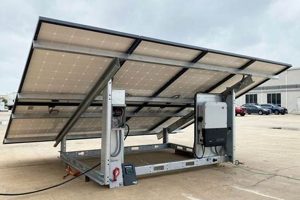
Standalone solar home systems provide a cost-effective solution for individual households, offering access to basic electricity services. These systems typically consist of a solar panel, battery, charge controller, and lighting or other small appliances. The widespread adoption of solar home systems has significantly improved living standards in rural areas, providing access to lighting, mobile phone charging, and other essential services.
- Mini-Grids
Mini-grids, powered by renewable energy sources such as solar, hydro, or biomass, serve multiple households and businesses within a defined geographic area. These systems offer a higher capacity than individual solar home systems, enabling productive uses of electricity and supporting small-scale industries. Mini-grids foster community ownership and create opportunities for local employment in operation and maintenance.
- Socioeconomic Impacts
Rural electrification through renewable energy has far-reaching socioeconomic impacts. Access to electricity improves education outcomes, enhances healthcare services, and empowers women through income-generating opportunities. Electrification also reduces reliance on kerosene lamps and other polluting energy sources, improving indoor air quality and public health. These positive impacts contribute to poverty reduction and sustainable development.
Rural electrification through renewable energy is not merely about providing access to electricity; it is about empowering communities, fostering economic growth, and improving livelihoods. The continued expansion of renewable energy-based electrification efforts is essential for achieving sustainable development goals and ensuring a brighter future for rural Cambodia. Integrating these efforts with broader rural development initiatives, such as education, healthcare, and infrastructure development, will maximize the positive impacts and create a more equitable and prosperous society.
5. Sustainable Development

Sustainable development in Cambodia is intrinsically linked to the successful integration of renewable energy sources. Transitioning away from fossil fuel dependence towards a cleaner energy mix is crucial for achieving economic growth, environmental protection, and social equity. Renewable energy offers a pathway to decouple economic progress from environmental degradation, fostering a more sustainable and resilient future.
- Reduced Greenhouse Gas Emissions
Renewable energy sources, such as solar, hydro, and biomass, produce significantly fewer greenhouse gas emissions compared to fossil fuels. This reduction is crucial for mitigating climate change impacts, including rising temperatures, extreme weather events, and sea-level rise, which pose significant threats to Cambodia’s vulnerable ecosystems and economy. For example, replacing diesel generators with solar mini-grids in rural areas directly reduces carbon emissions while also improving local air quality.
- Enhanced Energy Security
Reliance on imported fossil fuels exposes Cambodia to price volatility and supply disruptions in the global energy market. Developing domestic renewable energy resources enhances energy security, reducing dependence on external sources and strengthening national energy independence. Investing in hydropower, solar, and other renewable sources diversifies the energy mix and mitigates risks associated with geopolitical instability and fluctuating fuel prices. This enhanced energy security supports economic stability and sustainable growth.
- Improved Public Health
Air pollution from burning fossil fuels poses significant public health risks, contributing to respiratory illnesses and other health problems. Transitioning to renewable energy sources improves air quality, reducing the incidence of respiratory diseases and promoting public health. For example, replacing traditional biomass cookstoves with cleaner alternatives powered by biogas or electricity reduces indoor air pollution and improves respiratory health, particularly among women and children.
- Empowered Rural Communities
Renewable energy plays a crucial role in rural electrification, providing access to electricity where grid extension is challenging or uneconomical. This access empowers rural communities by enabling productive uses of electricity, supporting small businesses, improving education outcomes, and enhancing healthcare services. Solar home systems and mini-grids are transforming rural livelihoods and fostering economic development in previously underserved areas. This empowerment is crucial for achieving equitable and sustainable development.
The integration of renewable energy into Cambodia’s development strategy is not merely an environmental imperative; it is a fundamental driver of sustainable economic growth, social progress, and enhanced resilience. By prioritizing renewable energy development, Cambodia can build a more sustainable, equitable, and prosperous future for all its citizens. The transition to a cleaner energy future requires continued investment in renewable energy infrastructure, supportive policies, and capacity building to ensure long-term sustainability.
Frequently Asked Questions about Renewable Energy in Cambodia
This section addresses common inquiries regarding the development and utilization of renewable energy resources within the Kingdom of Cambodia.
Question 1: What are the primary renewable energy sources being utilized in Cambodia?
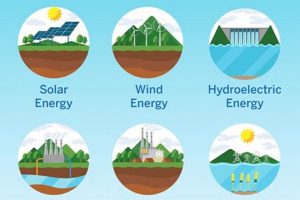
The primary renewable energy sources currently employed include solar, hydro, and biomass. Exploration of wind energy and other renewable resources is also underway.
Question 2: How does hydropower development impact local communities and the environment?
Hydropower projects can impact river ecosystems, fish migration patterns, and sediment flow. Careful environmental impact assessments and mitigation measures are crucial for minimizing adverse effects on local communities and biodiversity.
Question 3: What is the role of solar energy in rural electrification efforts?
Solar power plays a vital role in rural electrification through off-grid solutions like solar home systems and mini-grids, bringing electricity to remote areas where grid extension is challenging. This improves living standards and supports economic activities.
Question 4: What are the key challenges facing renewable energy development in Cambodia?
Key challenges include financing for large-scale projects, grid integration for intermittent renewable sources, capacity building for technical expertise, and ensuring sustainable land management practices for biomass utilization.
Question 5: How does the government support renewable energy development?
Government support includes feed-in tariffs for renewable energy projects, tax incentives for investors, promoting private sector participation, and establishing renewable energy targets within national energy plans.
Question 6: What is the future outlook for renewable energy in Cambodia?
The future outlook is positive, with continued growth expected across various renewable energy sectors. Supportive policies, declining technology costs, and increasing awareness of environmental benefits are driving further investment and development.
Understanding the complexities and opportunities within the renewable energy sector is crucial for informed decision-making and effective policy implementation. Continued exploration of these topics will contribute to a more sustainable energy future for Cambodia.
The following section will provide a deeper analysis of specific renewable energy projects and their contributions to the national energy landscape.
Cambodia Renewable Energy
This exploration has highlighted the multifaceted nature of renewable energy development within the Kingdom of Cambodia. From solar power’s growing contribution to rural electrification and grid stability, to the complexities of hydropower management and the potential of sustainable biomass utilization, the nation’s energy transition presents both opportunities and challenges. The examination of government policies, rural electrification efforts, and the broader context of sustainable development underscores the importance of a diversified and integrated approach to energy planning.
The continued pursuit of renewable energy solutions is crucial for Cambodia’s long-term prosperity and environmental well-being. Strategic investments, technological advancements, and ongoing community engagement will be essential for realizing the full potential of these resources. The transition to a cleaner, more resilient energy future requires a collective commitment to innovation, collaboration, and sustainable practices, ensuring a brighter future for generations to come.