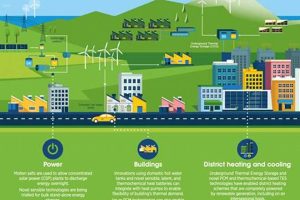
Generating electricity from sources like solar, wind, hydro, and geothermal power inherently produces far less greenhouse gas emissions than burning fossil fuels. While these sources are often considered “clean,” the complete lifecycle from manufacturing to installation and eventual decommissioning can involve some carbon dioxide emissions, though significantly less than conventional energy generation. For example, producing solar panels requires energy and manufacturing processes that can release emissions.
Minimizing reliance on fossil fuels and transitioning to cleaner energy sources is crucial for mitigating climate change and reducing air pollution. Understanding the full environmental impact of different energy technologies, including the relatively small emissions associated with renewables, is vital for making informed decisions about future energy investments. The growing awareness of the climate crisis has driven significant innovation in renewable energy technologies, leading to increased efficiency and reduced emissions over time.
The following sections will delve deeper into the specific lifecycle emissions of various renewable energy types, exploring the manufacturing processes, transportation needs, and end-of-life considerations for each. Further analysis will compare these emissions to those of traditional fossil fuel-based power generation, highlighting the overall environmental benefits of adopting renewable energy solutions.
Tips for Reducing Carbon Emissions in Energy Production
Minimizing the environmental impact of energy production is crucial for a sustainable future. While renewable energy sources offer significant advantages over fossil fuels, understanding their lifecycle emissions allows for more informed decision-making and encourages further reductions in their carbon footprint.
Tip 1: Advocate for Sustainable Manufacturing Practices: Supporting manufacturers committed to reducing emissions in the production of renewable energy components, such as solar panels and wind turbine blades, is vital. Look for certifications and transparency in manufacturing processes.
Tip 2: Promote Recycling and Responsible Disposal: End-of-life management of renewable energy infrastructure should prioritize recycling and responsible disposal of materials to minimize waste and reduce the environmental impact of decommissioning.
Tip 3: Invest in Research and Development: Continued investment in research and development of renewable energy technologies is crucial for improving efficiency, reducing material usage, and minimizing emissions throughout the entire lifecycle.
Tip 4: Optimize Transportation and Logistics: Reducing the emissions associated with transporting renewable energy components through efficient logistics and shorter supply chains can further minimize the overall carbon footprint.
Tip 5: Consider Local Environmental Impacts: Evaluate the specific environmental impact of different renewable energy projects based on their location and potential effects on local ecosystems, including land use and wildlife.
Tip 6: Support Policy and Regulatory Frameworks: Policies that incentivize the adoption of renewable energy and promote sustainable manufacturing practices are essential for accelerating the transition to a cleaner energy future.
Adopting these strategies helps minimize the environmental impact associated with all forms of energy production, paving the way for a more sustainable and cleaner energy landscape. By understanding and addressing these factors, a more comprehensive and environmentally responsible approach to energy production can be achieved.
Ultimately, minimizing the carbon footprint of energy production requires a multifaceted approach encompassing technological advancements, policy changes, and responsible consumer choices.
1. Embodied Carbon Emissions

While renewable energy operation generates minimal greenhouse gases, the entire lifecycle, from material extraction to disposal, contributes to emissions. This “embodied carbon” is a crucial factor when evaluating the overall environmental impact and addressing the question of whether renewable energy truly emits carbon dioxide.
- Material Extraction and Processing
Raw materials like silicon for solar panels, steel for wind turbines, and concrete for hydroelectric dams require energy for extraction and processing. Mining operations, transportation of ores, and refining processes often rely on fossil fuels, contributing to embodied carbon emissions. The extraction of rare earth minerals used in some renewable energy technologies presents additional environmental challenges.
- Manufacturing and Assembly
Transforming raw materials into finished components like solar panels or turbine blades involves energy-intensive manufacturing processes. These processes, including heating, chemical treatments, and assembly, can generate significant emissions depending on the energy sources used in the manufacturing facilities. For example, producing solar-grade silicon requires high temperatures and specialized equipment, contributing to embodied carbon.
- Transportation and Installation
Transporting components from manufacturing sites to project locations, often across long distances, requires fuel and generates emissions. The size and weight of wind turbine components, for example, necessitate specialized transport vehicles and logistics. The installation process itself, including site preparation and construction, also contributes to the overall embodied carbon footprint.
- Decommissioning and Recycling
At the end of their operational life, renewable energy infrastructure requires decommissioning and disposal or recycling. Dismantling, transporting, and processing materials can generate emissions. While recycling can reduce the need for new materials and lower the overall environmental impact, the recycling processes themselves can also involve energy consumption and emissions. The development of efficient recycling technologies for renewable energy components is vital for minimizing end-of-life emissions.
Considering embodied carbon emissions provides a more complete understanding of the environmental impact of renewable energy. While operational emissions are minimal, addressing the embodied carbon within the lifecycle is crucial for minimizing the overall carbon footprint and furthering the transition to a truly sustainable energy system. Comparing the embodied carbon of different renewable energy technologies and continuously striving to reduce these emissions through innovation and sustainable practices are essential for achieving climate goals.
2. Manufacturing Processes

Manufacturing processes play a significant role in the overall environmental impact of renewable energy technologies. While renewable energy sources offer a cleaner alternative to fossil fuels during operation, the production of the necessary components, such as solar panels, wind turbine blades, and batteries, generates greenhouse gas emissions. Examining these manufacturing processes is essential for a comprehensive understanding of the carbon footprint associated with renewable energy.
- Silicon Production for Solar Panels
Producing silicon for solar panels requires significant energy. The most common method, the Siemens process, involves heating silicon tetrachloride with hydrogen, a process often powered by fossil fuels, leading to substantial carbon dioxide emissions. While alternative, less energy-intensive methods are being developed, current manufacturing practices contribute significantly to the embodied carbon of solar panels.
- Composite Materials for Wind Turbine Blades
Wind turbine blades are typically made from fiberglass and carbon fiber reinforced polymers, which require energy-intensive manufacturing processes. The production of these materials involves the use of resins and other chemicals, some of which are derived from fossil fuels. Furthermore, the size and complexity of these blades necessitate specialized manufacturing facilities and transport, further adding to their environmental footprint.
- Battery Production for Energy Storage
Batteries are essential for storing energy generated by renewable sources like solar and wind power. The manufacturing of batteries, particularly lithium-ion batteries, involves complex chemical processes and the extraction of raw materials like lithium, cobalt, and nickel. These processes can be energy-intensive and generate substantial emissions depending on the energy sources used in manufacturing and the specific battery chemistry.
- Steel and Concrete for Infrastructure
Renewable energy infrastructure often requires significant amounts of steel and concrete. Steel production is a major source of industrial emissions, primarily from the use of coal in the manufacturing process. Concrete production also contributes to emissions through the calcination of limestone, a process that releases carbon dioxide. These materials are used in foundations, support structures, and other components of renewable energy projects, adding to their embodied carbon.
The emissions associated with manufacturing processes underscore the importance of considering the entire lifecycle of renewable energy technologies. While the operational emissions of these technologies are minimal, the embodied carbon from manufacturing can be significant. Efforts to reduce the environmental impact of renewable energy must therefore focus on improving manufacturing processes, using recycled materials, and transitioning to cleaner energy sources for manufacturing. Minimizing these emissions through innovation and sustainable practices is crucial for maximizing the climate benefits of renewable energy.
3. Transportation and Installation

Transportation and installation contribute significantly to the overall carbon footprint of renewable energy projects, adding to the total lifecycle emissions. While renewable energy sources produce minimal emissions during operation, the logistics of transporting components and the activities involved in installation represent embodied carbon emissions that must be considered. This connection between transportation and installation and the overall carbon emissions of renewable energy is crucial for understanding the full environmental impact.
Transporting large and heavy components such as wind turbine blades, solar panel arrays, and hydroelectric dam equipment requires significant energy consumption. Often, these components are manufactured in different locations and transported long distances by trucks, ships, or rail, all of which rely primarily on fossil fuels. The fuel consumption and associated emissions from this transportation contribute directly to the carbon footprint of the renewable energy project. For example, transporting massive wind turbine blades from the manufacturing facility to a remote wind farm can involve a complex logistical operation with considerable fuel consumption. Furthermore, transporting heavy equipment for site preparation, construction, and installation adds to the overall emissions.
The installation process itself also contributes to emissions. Site preparation often involves land clearing, road construction, and foundation building, which can require heavy machinery and consume significant fuel. The construction and assembly of renewable energy infrastructure further contribute to emissions through the operation of cranes, excavators, and other equipment. For instance, constructing large-scale solar farms requires extensive land grading and trenching for cabling, contributing to the project’s embodied carbon. Minimizing these emissions through efficient logistics, optimized transportation routes, and the use of lower-emission vehicles and equipment is crucial for reducing the overall carbon footprint of renewable energy projects. Ultimately, understanding the contribution of transportation and installation to the overall lifecycle emissions is essential for making informed decisions about renewable energy development and achieving true sustainability in the energy sector.
4. Operation and Maintenance

While renewable energy sources like solar and wind power produce minimal greenhouse gas emissions during operation compared to fossil fuel-based generation, operation and maintenance (O&M) activities can still contribute to a project’s overall carbon footprint. Understanding these contributions is essential for accurately assessing the environmental impact of renewable energy and answering the question of whether renewable energy emits carbon dioxide throughout its lifecycle. Though significantly smaller than emissions from fossil fuel plants, O&M emissions are not negligible and require consideration.
O&M activities associated with renewable energy facilities involve several processes that can generate emissions. Regular maintenance of wind turbines, for instance, requires access to remote locations, often involving vehicles and specialized equipment. Similarly, cleaning solar panels to maintain optimal efficiency can involve water usage and transportation of cleaning equipment. Replacing components, such as worn-out turbine blades or faulty solar panels, necessitates manufacturing, transportation, and installation, each contributing to emissions. Furthermore, the use of lubricants, coolants, and other materials in O&M activities can release small amounts of greenhouse gases or require energy-intensive manufacturing processes. For example, the occasional need to replace batteries in large-scale energy storage systems contributes to lifecycle emissions. Therefore, optimizing O&M practices to minimize travel, reduce material consumption, and extend the lifespan of components is essential for reducing the overall environmental impact of renewable energy.
Minimizing O&M related emissions requires a multifaceted approach. Improving the durability and longevity of components through advanced materials and design can reduce the frequency of replacements. Optimizing maintenance schedules and utilizing remote diagnostics can minimize site visits and associated travel emissions. Employing sustainable practices, such as using biodegradable lubricants and recycled materials, further reduces the environmental impact. Furthermore, transitioning to electric vehicles and equipment for O&M activities can significantly lower emissions. Ultimately, a comprehensive understanding of the O&M contributions to the carbon footprint of renewable energy allows for informed decision-making, continuous improvement, and a more accurate assessment of the true environmental benefits of these technologies. Addressing these operational emissions, though comparatively small, strengthens the sustainability argument for renewable energy and helps achieve a more complete transition to a cleaner energy future.
5. End-of-life Management

End-of-life management of renewable energy infrastructure plays a crucial role in the overall environmental impact and contributes to the answer of whether renewable energy emits carbon dioxide. While operational emissions are minimal, the decommissioning, disposal, and recycling of components like solar panels, wind turbine blades, and batteries present unique challenges and can generate emissions. Addressing these end-of-life considerations is essential for maximizing the environmental benefits of renewable energy and achieving a truly sustainable energy transition. Ignoring these factors can lead to an incomplete understanding of the total lifecycle emissions of renewable energy technologies.
- Decommissioning and Dismantling
Decommissioning renewable energy infrastructure involves dismantling and removing components like turbine blades, solar panels, and support structures. This process requires energy for transportation, labor, and the operation of specialized equipment. If powered by fossil fuels, these activities contribute to greenhouse gas emissions. For example, removing large wind turbine blades from remote locations can involve significant logistical challenges and fuel consumption.
- Transportation and Logistics
Transporting decommissioned components to recycling facilities or disposal sites adds to the overall emissions. The size and weight of some components, such as wind turbine blades, necessitate specialized transport vehicles and can involve long distances, further increasing fuel consumption and emissions. The logistical complexities of transporting large volumes of decommissioned materials pose challenges for efficient and sustainable end-of-life management.
- Recycling and Material Recovery
Recycling components like solar panels and turbine blades allows for the recovery of valuable materials, reducing the need for new material extraction and manufacturing. However, recycling processes themselves require energy and can generate emissions depending on the technology used. Developing efficient and sustainable recycling technologies for renewable energy components is crucial for minimizing end-of-life emissions and maximizing resource recovery.
- Waste Disposal and Landfill Impacts
Components that cannot be recycled end up in landfills. Landfilling can contribute to greenhouse gas emissions through the decomposition of organic materials and the release of landfill gas, which contains methane, a potent greenhouse gas. Minimizing waste generation through design for disassembly and maximizing recycling rates are crucial for reducing the reliance on landfills and minimizing their environmental impact. Furthermore, exploring alternative disposal methods, such as energy recovery from waste, can offer potential solutions for reducing landfill emissions.
Considering end-of-life management practices is therefore essential for a comprehensive assessment of the environmental impact of renewable energy. While renewable energy technologies offer significant advantages during operation, addressing the emissions associated with decommissioning, transportation, recycling, and disposal is crucial for achieving a truly sustainable energy future. Developing robust end-of-life strategies, including advanced recycling technologies and responsible waste management practices, is vital for minimizing the overall carbon footprint of renewable energy and maximizing its contribution to climate change mitigation. By addressing these end-of-life challenges, the long-term sustainability and environmental benefits of renewable energy can be fully realized.
Frequently Asked Questions about Renewable Energy Emissions
Addressing common queries regarding the environmental impact of renewable energy technologies helps clarify their role in a sustainable energy future. This section provides concise answers to key questions, promoting a more informed understanding of renewable energy’s carbon footprint.
Question 1: Are renewable energy sources truly emission-free?
While renewable energy sources produce minimal greenhouse gas emissions during operation, some emissions occur during their lifecycle, including manufacturing, transportation, installation, and decommissioning.
Question 2: How do emissions from renewable energy compare to those from fossil fuels?
Lifecycle emissions from renewable energy technologies are significantly lower than those from fossil fuel-based power generation, making them a cleaner alternative.
Question 3: What are the primary sources of emissions associated with renewable energy?
The main emissions associated with renewable energy arise from manufacturing processes, transportation of components, and end-of-life management.
Question 4: How does the manufacturing of solar panels contribute to emissions?
Producing silicon for solar panels requires energy-intensive processes, often relying on fossil fuels, which contribute to emissions. However, ongoing advancements aim to reduce these manufacturing emissions.
Question 5: What is the role of transportation in the overall emissions of renewable energy projects?
Transporting large components like wind turbine blades and solar panels to project sites contributes to emissions due to fuel consumption during shipping and delivery.
Question 6: What can be done to minimize the emissions associated with renewable energy?
Minimizing emissions requires focusing on sustainable manufacturing processes, efficient transportation, responsible end-of-life management, and continuous technological advancements.
While acknowledging the existence of lifecycle emissions associated with renewable energy, it is crucial to recognize their significantly lower impact compared to fossil fuels. Transitioning to renewable energy remains a critical step towards mitigating climate change and achieving a sustainable energy future.
The next section delves deeper into the specific lifecycle emissions of various renewable energy types, offering a detailed comparison and highlighting the overall environmental benefits of adopting renewable energy solutions.
Conclusion
Renewable energy technologies, while offering a significantly cleaner alternative to fossil fuels, are not entirely without a carbon footprint. The lifecycleencompassing material extraction, manufacturing, transportation, installation, operation, maintenance, and end-of-life managementcontributes to emissions, albeit substantially less than those associated with conventional energy generation. Manufacturing processes for components like solar panels and wind turbine blades, along with the transportation of these components, represent key emission sources. While operational emissions are minimal, end-of-life management, including recycling and disposal, can also generate emissions. A comprehensive understanding of these lifecycle emissions is crucial for accurately assessing the environmental impact of renewable energy and for driving continuous improvement.
Minimizing the carbon footprint of renewable energy requires ongoing efforts across the entire supply chain. This includes developing more sustainable manufacturing practices, optimizing transportation logistics, and implementing robust end-of-life management strategies. Continued research and development of innovative technologies and materials are essential for further reducing emissions and enhancing the sustainability of renewable energy. Embracing a lifecycle perspective is crucial for ensuring that the transition to renewable energy truly delivers on its promise of a cleaner and more sustainable energy future. The continued pursuit of lower-carbon renewable energy technologies is essential for mitigating climate change and achieving a truly sustainable global energy system.