The South American nation of Uruguay has become a global leader in sustainable power generation, transitioning to a system heavily reliant on resources like wind, solar, hydroelectricity, and biomass. This shift has dramatically reduced the country’s dependence on fossil fuels and positioned it as a model for other nations seeking energy independence and environmental sustainability.
This transformation has brought numerous advantages, including reduced greenhouse gas emissions, increased energy security, and the creation of a thriving renewable energy sector. Historically reliant on imported fossil fuels, Uruguay’s strategic investment in sustainable resources has not only stabilized energy prices but also fostered economic growth and technological innovation. This long-term vision has established the nation as a pioneer in Latin America and on the world stage.
The following sections delve deeper into the specific sources powering Uruguay’s sustainable energy matrix, exploring the development, impact, and future prospects of each. Further analysis will examine the policy framework that enabled this remarkable transition and assess the challenges and opportunities that lie ahead.
Tips for Transitioning to a Sustainable Energy Model
Drawing inspiration from Uruguay’s successful transition, these tips offer guidance for governments, organizations, and individuals seeking to adopt sustainable energy solutions.
Tip 1: Prioritize Energy Efficiency: Reducing overall energy consumption through efficiency measures is the first crucial step. Implementing building codes that mandate energy-saving designs and promoting the use of energy-efficient appliances can significantly lower demand.
Tip 2: Diversify Renewable Energy Sources: Relying on a mix of renewable resources, such as wind, solar, and hydro, mitigates risks associated with resource variability and ensures a stable energy supply.
Tip 3: Invest in Grid Modernization: A robust and intelligent grid is essential for integrating variable renewable energy sources and optimizing their distribution.
Tip 4: Foster Public-Private Partnerships: Collaboration between governments and the private sector can accelerate the development and deployment of renewable energy technologies.
Tip 5: Implement Supportive Policies: Clear and consistent government policies, including feed-in tariffs, tax incentives, and renewable portfolio standards, are crucial for attracting investment and driving market growth.
Tip 6: Educate and Engage Stakeholders: Raising public awareness about the benefits of sustainable energy and engaging with local communities can build support for renewable energy projects.
Tip 7: Conduct Thorough Resource Assessments: Accurate assessments of available renewable resources are essential for informed decision-making and effective project planning.
By adopting these strategies, stakeholders can contribute to a more sustainable energy future, achieving greater energy independence, reducing environmental impact, and promoting economic growth.
The successful transition to a renewable energy future requires a multi-faceted approach, encompassing technological innovation, policy support, and community engagement. The following section will offer a concluding perspective on the global implications of Uruguay’s experience.
1. Wind Power

Wind power represents a cornerstone of Uruguay’s renewable energy success story. The country’s advantageous geographical location, coupled with strategic policy decisions, has enabled significant growth in this sector, contributing substantially to national energy security and reduced reliance on fossil fuels.
- Resource Availability
Uruguay possesses abundant onshore wind resources, particularly along its Atlantic coastline and in the central plains. Consistent wind speeds provide favorable conditions for large-scale wind farm development, ensuring a reliable energy supply.
- Technological Advancements
The adoption of advanced wind turbine technology, including larger rotor diameters and improved efficiency, has maximized energy capture and reduced the cost of wind power generation, making it economically competitive with traditional energy sources.
- Investment and Infrastructure
Significant public and private investment has driven the expansion of wind energy infrastructure. The development of new wind farms and associated transmission lines has facilitated the integration of wind power into the national grid, further enhancing energy security.
- Policy and Regulatory Framework
Government policies, including long-term power purchase agreements and streamlined permitting processes, have created a stable and attractive investment environment for wind energy projects, fostering continued growth in the sector.
The convergence of these factors has positioned wind power as a major contributor to Uruguay’s energy matrix. This success underscores the potential of wind energy to play a key role in global transitions towards sustainable energy systems and provides a valuable case study for other nations seeking to decarbonize their energy sectors.
2. Solar Energy
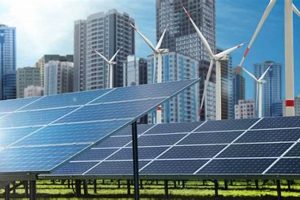
Solar energy plays an increasingly important role within Uruguay’s renewable energy portfolio. While historically less prominent than wind power, the falling cost of photovoltaic (PV) technology and supportive government policies have spurred significant growth in solar energy capacity. This diversification strengthens the national grid, reduces reliance on intermittent wind resources, and further decreases dependence on fossil fuel imports.
Several factors contribute to the rising prominence of solar energy in Uruguay. High levels of solar irradiance provide a strong natural resource base. Furthermore, declining global prices for solar panels, coupled with advancements in PV technology, have made solar energy increasingly cost-competitive. Government initiatives, including tax incentives and net metering programs, encourage both large-scale solar farms and distributed rooftop solar installations. For example, the “Solar Rooftops for Homes” program promotes residential solar adoption, empowering citizens to become active participants in the energy transition. Large-scale projects, such as the La Jacinta solar farm, demonstrate the growing potential of utility-scale solar to contribute significantly to national energy production.
Continued growth in solar energy capacity is anticipated, driven by ongoing cost reductions and further policy support. Integration of solar power into the national grid presents both opportunities and challenges. Managing the intermittency of solar generation requires sophisticated grid management strategies and potential investment in energy storage solutions. Nevertheless, solar energy’s contribution to Uruguay’s sustainable energy mix is expected to increase significantly, further solidifying the country’s position as a leader in renewable energy adoption and providing valuable lessons for other nations pursuing similar transitions.
3. Hydroelectricity
Hydroelectricity has long been a significant component of Uruguay’s energy mix, predating the nation’s broader shift towards other renewable sources. The country’s largest hydroelectric facility, the Salto Grande Dam, a joint venture with Argentina, provides a substantial portion of Uruguay’s electricity. While hydropower offers a reliable and renewable energy source, its development potential is geographically constrained. Unlike wind and solar, suitable locations for large-scale hydroelectric dams are limited, posing challenges for further expansion of this sector. Moreover, the environmental impact of large dams, including alterations to river ecosystems and potential displacement of communities, necessitates careful consideration and mitigation strategies.
Despite these limitations, hydroelectricity remains a valuable asset within Uruguay’s renewable energy portfolio. Its capacity to provide baseload power complements the intermittent nature of wind and solar energy. The Salto Grande Dam not only generates electricity but also plays a critical role in water resource management, providing irrigation and flood control benefits. Optimizing the operation of existing hydroelectric facilities and exploring the potential for smaller-scale hydropower projects could further enhance the role of hydroelectricity within Uruguay’s sustainable energy strategy. For example, run-of-river hydropower projects, which have a lower environmental impact than large dams, could offer opportunities for expanding hydroelectric capacity while minimizing ecological disruption.
Looking ahead, the role of hydroelectricity in Uruguay’s energy future will likely evolve. While large-scale expansion may be limited, maximizing the efficiency and sustainability of existing facilities, coupled with the potential development of smaller-scale projects, will ensure that hydropower continues to contribute to the nation’s renewable energy goals. Balancing the benefits of hydroelectricity with its potential environmental impacts requires ongoing assessment and careful planning to ensure a sustainable and diversified energy future for Uruguay.
4. Biomass Utilization

Biomass utilization represents a significant, albeit often overlooked, component of Uruguay’s renewable energy strategy. Leveraging agricultural residues, forestry byproducts, and dedicated energy crops, biomass offers a versatile and sustainable energy source, contributing to both electricity generation and the production of biofuels. This diversification of the renewable energy mix enhances energy security, reduces reliance on imported fossil fuels, and provides economic opportunities in rural areas.
Several factors contribute to the growing importance of biomass in Uruguay. The country’s robust agricultural sector generates substantial quantities of biomass residues, such as sugarcane bagasse and rice husks, which can be used as fuel for power generation. Dedicated energy crops, like eucalyptus and sorghum, are also being cultivated to provide a sustainable feedstock for biomass power plants. Technological advancements in biomass gasification and combustion technologies have improved the efficiency and environmental performance of biomass energy production. Government policies, including incentives for biomass-based power generation and the promotion of sustainable forestry practices, further support the development of this sector. For example, the UPM Fray Bentos pulp mill utilizes forestry residues to generate both electricity and process heat, demonstrating the potential for industrial symbiosis and efficient resource utilization.
Biomass utilization in Uruguay offers several advantages. It provides a renewable and locally sourced energy supply, reducing dependence on imported fossil fuels and mitigating price volatility. It creates economic opportunities in rural communities through the development of biomass supply chains and the creation of jobs in biomass processing and energy production. It also contributes to waste reduction by utilizing agricultural residues that might otherwise be discarded or burned. However, sustainable biomass management is crucial to avoid negative environmental impacts, such as deforestation and soil degradation. Careful planning and monitoring are essential to ensure that biomass production is environmentally sound and socially responsible. The strategic integration of biomass utilization within Uruguay’s broader renewable energy strategy further strengthens the country’s commitment to a sustainable energy future and provides valuable insights for other nations seeking to diversify their renewable energy portfolios.
5. Policy Framework

Uruguay’s remarkable transition to a renewable energy leader is inextricably linked to a robust and forward-thinking policy framework. These policies have created an enabling environment for investment, innovation, and sustainable growth within the renewable energy sector, demonstrating the crucial role of government support in driving large-scale energy transformations.
- Long-Term Energy Planning
A clear, long-term vision for renewable energy development, articulated through national energy plans and strategies, provides a stable and predictable framework for investors and developers. This long-term perspective reduces uncertainty and encourages sustained investment in renewable energy projects. For example, Uruguay’s 2008 Energy Policy established ambitious renewable energy targets and outlined a roadmap for achieving them.
- Supportive Regulatory Mechanisms
Streamlined permitting processes, clear interconnection regulations, and standardized power purchase agreements (PPAs) reduce administrative barriers and facilitate the development and integration of renewable energy projects. These regulatory mechanisms ensure a level playing field for investors and promote transparency in the energy market. For instance, simplified environmental permitting processes expedite project approvals, while standardized PPAs provide long-term price stability for renewable energy generators.
- Fiscal Incentives and Financial Instruments
Tax incentives, such as exemptions on import duties for renewable energy equipment, and innovative financial instruments, like green bonds and dedicated renewable energy funds, mobilize private capital and reduce the cost of financing renewable energy projects. These financial incentives attract both domestic and international investment, accelerating the deployment of renewable energy technologies. Uruguay’s tax benefits for renewable energy investments, coupled with the creation of a dedicated renewable energy fund, exemplify this approach.
- International Cooperation and Knowledge Sharing
Active participation in international collaborations, such as the International Renewable Energy Agency (IRENA), and engagement in knowledge-sharing platforms facilitate the exchange of best practices and access to technical expertise. This international cooperation strengthens national capacity and accelerates the adoption of innovative renewable energy technologies. Uruguay’s active involvement in regional and international renewable energy initiatives underscores the importance of knowledge sharing in driving sustainable energy transitions.
These interconnected policy elements have created a synergistic environment that has propelled Uruguay’s renewable energy transformation. This comprehensive approach, encompassing long-term planning, supportive regulations, financial incentives, and international collaboration, serves as a model for other nations seeking to accelerate their transition to a sustainable energy future. Uruguay’s success demonstrates that well-designed policies are essential catalysts for unlocking the full potential of renewable energy and achieving a cleaner, more secure, and sustainable energy system.
6. Economic Impact
Uruguay’s commitment to renewable energy has yielded significant economic benefits, extending beyond the energy sector itself. This strategic shift has stimulated economic growth, created new employment opportunities, attracted foreign investment, and enhanced the country’s global competitiveness. Examining the economic impact reveals the multifaceted advantages of transitioning to a sustainable energy system.
- Job Creation
The renewable energy sector has emerged as a significant source of employment in Uruguay. Jobs have been created across the value chain, from manufacturing and installation of renewable energy equipment to operation and maintenance of renewable energy facilities. For example, the construction and operation of wind farms have generated employment opportunities in rural communities, contributing to local economic development. The growth of the domestic solar industry has also created jobs in manufacturing, installation, and maintenance, further diversifying the employment landscape.
- Investment Attraction
Uruguay’s stable policy environment and commitment to renewable energy have attracted substantial foreign investment. International companies have invested in large-scale renewable energy projects, injecting capital into the Uruguayan economy and contributing to infrastructure development. This influx of foreign investment not only supports the growth of the renewable energy sector but also stimulates broader economic activity. Investments in wind, solar, and biomass projects have demonstrated the confidence of international investors in Uruguay’s renewable energy market.
- Energy Independence and Price Stability
Reduced reliance on imported fossil fuels has enhanced Uruguay’s energy independence, shielding the economy from volatile global energy prices. This price stability provides greater predictability for businesses and consumers, fostering economic stability and long-term growth. The shift to domestically produced renewable energy has insulated Uruguay from fluctuations in international oil and gas prices, strengthening the country’s economic resilience. This stability is particularly crucial in times of global energy market uncertainty.
- Technological Innovation and Export Opportunities
The development of a thriving renewable energy sector has fostered technological innovation and created export opportunities for Uruguayan companies. Local businesses are developing expertise in renewable energy technologies, creating opportunities to export their products and services to other countries in the region and beyond. This growth in technological expertise enhances Uruguay’s competitiveness in the global renewable energy market. For example, Uruguayan companies are exporting specialized components for wind turbines and providing consulting services on renewable energy project development.
These interconnected economic benefits demonstrate the positive ripple effects of Uruguay’s strategic investment in renewable energy. The transition has not only transformed the energy sector but has also stimulated broader economic growth, created jobs, attracted investment, and enhanced the country’s global competitiveness. Uruguay’s experience serves as a compelling example of how investing in a sustainable energy future can yield significant and lasting economic advantages, providing a valuable model for other nations seeking to achieve both environmental sustainability and economic prosperity. The ongoing development and diversification of Uruguay’s renewable energy sector promise continued economic benefits, further solidifying the country’s position as a leader in the global transition to a clean energy future.
Frequently Asked Questions about Renewable Energy in Uruguay
This section addresses common inquiries regarding Uruguay’s renewable energy transition, providing concise and informative responses.
Question 1: What percentage of Uruguay’s electricity comes from renewable sources?
Over 98% of Uruguay’s electricity is generated from renewable sources, primarily wind, hydro, solar, and biomass.
Question 2: How did Uruguay achieve such a high percentage of renewable energy generation?
A combination of factors contributed to this achievement, including abundant natural resources, consistent government policies that incentivized renewable energy development, and strategic investments in transmission infrastructure.
Question 3: What are the primary types of renewable energy utilized in Uruguay?
Wind power, hydroelectric power, solar energy, and biomass energy are the dominant renewable energy sources in Uruguay. Each plays a distinct role in the overall energy mix.
Question 4: Has Uruguay’s transition to renewable energy affected electricity prices?
The increased reliance on domestic renewable energy has stabilized electricity prices and reduced vulnerability to fluctuations in global fossil fuel markets.
Question 5: What are the environmental benefits of Uruguay’s renewable energy transformation?
Significant reductions in greenhouse gas emissions, improved air quality, and reduced dependence on imported fossil fuels are key environmental benefits.
Question 6: What lessons can other countries learn from Uruguay’s experience?
Uruguay’s success demonstrates the feasibility of transitioning to a predominantly renewable energy system through consistent policy support, strategic investment, and resource diversification. The country’s experience offers a valuable case study for other nations seeking to decarbonize their energy sectors.
Understanding the key aspects of Uruguay’s renewable energy transition provides insights into the potential of sustainable energy solutions to reshape national energy landscapes and contribute to global decarbonization efforts.
Further exploration of specific renewable energy technologies and their applications in Uruguay follows in the next section.
Uruguay’s Renewable Energy Leadership
This exploration of Uruguay’s renewable energy landscape has highlighted the nation’s remarkable achievements in transitioning to a sustainable energy system. Key factors underpinning this success include abundant natural resources, consistent policy support, strategic long-term planning, and a commitment to technological innovation. From harnessing wind power along its coastlines to maximizing solar energy potential and integrating biomass utilization, Uruguay has effectively diversified its energy portfolio, reducing reliance on fossil fuels and achieving significant economic and environmental benefits. The analysis has showcased the interconnectedness of policy frameworks, technological advancements, economic impacts, and environmental outcomes, illustrating the multifaceted nature of a successful energy transition.
Uruguay’s experience provides a compelling case study for nations worldwide seeking to decarbonize their energy sectors and build a more sustainable future. The nation’s commitment to renewable energy demonstrates that ambitious energy transitions are achievable with vision, strategic planning, and sustained effort. Uruguay’s leadership in this arena underscores the potential of renewable energy to drive economic growth, enhance energy security, and mitigate climate change. The path forged by Uruguay offers a beacon of hope and a practical roadmap for a global energy future powered by sustainable resources.