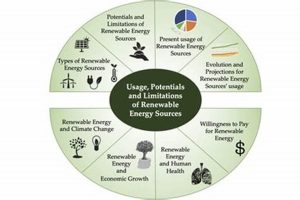
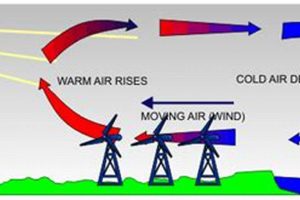
Harnessing power from natural resources that replenish over time forms the basis of sustainable power generation. Examples include solar photovoltaic systems converting sunlight into electricity, wind turbines capturing kinetic energy from wind, hydroelectric dams utilizing water flow, and geothermal plants tapping into Earth’s internal heat. Biomass energy derives power from organic matter, while ocean energy exploits tidal currents and wave motion.
The shift towards these sustainable power sources offers significant advantages. It mitigates reliance on finite fossil fuels, reducing greenhouse gas emissions and contributing to a cleaner environment. Furthermore, it fosters energy independence, strengthens energy security, and stimulates economic growth by creating jobs in manufacturing, installation, and maintenance. Historically, reliance on traditional energy sources led to environmental challenges and geopolitical concerns. The increasing awareness of these issues has spurred innovation and investment in cleaner alternatives.
This exploration will delve further into specific sustainable power solutions, examining their current status, future potential, and the challenges they face. Topics include technological advancements, economic viability, policy frameworks, and environmental impacts.
Tips for Supporting Sustainable Power
Individuals and communities can contribute to the growth and adoption of sustainable power through informed choices and proactive measures. The following tips offer practical guidance on supporting a cleaner energy future.
Tip 1: Invest in Home-Based Systems: Explore options like rooftop solar panels or small-scale wind turbines to generate power on-site. Net metering programs can allow excess energy to be fed back into the grid, offsetting energy costs.
Tip 2: Support Sustainable Power Initiatives: Advocate for policies that promote sustainable power development, such as tax incentives, renewable portfolio standards, and streamlined permitting processes.
Tip 3: Reduce Energy Consumption: Improve energy efficiency at home and in the workplace through measures like upgrading insulation, using energy-efficient appliances, and adopting smart home technologies.
Tip 4: Choose Sustainable Power Providers: Select electricity providers that offer sustainable power options, even if it involves a slightly higher cost. This increased demand signals the market to invest further in sustainable power infrastructure.
Tip 5: Educate and Engage: Stay informed about sustainable power technologies and share knowledge with others. Community engagement can drive wider adoption and support for sustainable power initiatives.
Tip 6: Consider Electric Vehicles: Transitioning to electric vehicles powered by sustainable power sources reduces reliance on fossil fuels in the transportation sector, contributing to cleaner air and reduced emissions.
Tip 7: Support Sustainable Businesses: Patronize businesses committed to sustainable power practices. This encourages corporate responsibility and accelerates the transition to a greener economy.
By embracing these suggestions, individuals can actively participate in the transition to a more sustainable energy landscape, benefiting both the environment and future generations. These collective efforts are vital for mitigating climate change and securing a cleaner energy future.
The transition to a future powered by sustainable sources requires a multifaceted approach involving technological innovation, policy support, and individual action.
1. Sustainable Sourcing

Sustainable sourcing is integral to the viability and long-term success of renewable energy technologies. It ensures that the materials and processes involved in producing and deploying these technologies minimize environmental impact and support a circular economy. This approach considers the entire lifecycle of renewable energy systems, from raw material extraction to end-of-life management.
- Material Selection:
Choosing materials with low environmental footprints is crucial. This includes considering factors such as embodied energy, recyclability, and the potential for resource depletion. For example, using recycled materials in wind turbine blades or sourcing sustainably harvested wood for biomass energy production minimizes environmental impact. Careful material selection ensures resource efficiency and reduces reliance on environmentally damaging extraction processes.
- Manufacturing Processes:
Minimizing waste and pollution during the manufacturing phase is essential. Employing efficient production methods, reducing water and energy consumption, and implementing closed-loop systems for material reuse are critical. Solar panel manufacturing, for instance, can benefit from processes that minimize silicon waste and utilize recycled components. Sustainable manufacturing practices reduce the overall environmental burden of renewable energy technologies.
- Transportation and Logistics:
The transportation of materials and components throughout the supply chain can contribute significantly to carbon emissions. Optimizing transportation routes, utilizing low-emission transport modes, and minimizing packaging reduce the environmental impact associated with logistics. Locally sourcing materials whenever possible further reduces transportation needs and supports regional economies. Efficient transportation strategies minimize the carbon footprint associated with deploying renewable energy systems.
- End-of-Life Management:
Planning for the decommissioning and recycling of renewable energy technologies is crucial for a truly sustainable approach. Designing for disassembly and material recovery ensures that valuable resources are reclaimed and reused, minimizing waste and preventing environmental harm. Recycling programs for solar panels, for example, recover valuable materials like silicon and glass, reducing the need for new raw materials. Effective end-of-life management contributes to a circular economy and minimizes the long-term environmental impact of renewable energy technologies.
By prioritizing sustainable sourcing throughout the lifecycle of renewable energy technologies, the environmental benefits are maximized, and a more circular and resilient energy system is established. This comprehensive approach ensures that the transition to renewable energy is not only environmentally sound but also economically and socially responsible, contributing to a more sustainable future.
2. Emission Reduction

Mitigation of greenhouse gas emissions is a primary driver for the transition to renewable energy technologies. The combustion of fossil fuels for electricity generation, transportation, and industrial processes releases significant quantities of carbon dioxide, methane, and other greenhouse gases into the atmosphere, contributing to climate change. Renewable energy technologies offer a pathway to decarbonize these sectors, reducing emissions and mitigating the adverse effects of climate change.
- Decarbonizing Electricity Generation
Renewable energy sources such as solar, wind, hydro, and geothermal produce electricity without emitting greenhouse gases during operation. Replacing fossil fuel-based power plants with these renewable alternatives significantly reduces emissions from the electricity sector. For example, a solar photovoltaic farm displaces emissions that would have been produced by a coal-fired power plant, contributing to cleaner air and a lower carbon footprint.
- Transportation Sector Transformation
Electric vehicles (EVs) powered by renewable energy offer a cleaner alternative to gasoline-powered vehicles. As the electricity grid becomes increasingly decarbonized through the integration of renewable energy, the emissions associated with EV operation decrease further. Furthermore, electrifying public transportation systems, such as buses and trains, reduces reliance on fossil fuels and lowers emissions in urban areas. Transitioning to electric mobility powered by renewable energy is crucial for decarbonizing the transportation sector.
- Industrial Decarbonization
Industrial processes often rely on fossil fuels for heat and power generation, contributing significantly to greenhouse gas emissions. Renewable energy technologies can provide cleaner alternatives for these processes. For example, industrial facilities can utilize biomass energy for heat generation or solar thermal systems for process heating, reducing reliance on fossil fuels and lowering emissions. Integrating renewable energy into industrial operations is key to achieving deep decarbonization.
- Grid Integration and Storage
The intermittent nature of some renewable energy sources, such as solar and wind, requires effective grid management and energy storage solutions to ensure a reliable and continuous power supply. Advanced grid technologies, including smart grids and energy storage systems, facilitate the integration of renewable energy and minimize reliance on fossil fuel-based backup power plants. Investing in grid modernization and energy storage is crucial for maximizing the emission reduction potential of renewable energy technologies.
The widespread adoption of renewable energy technologies, coupled with supportive policies and grid modernization efforts, is essential for achieving significant emission reductions and mitigating the impacts of climate change. Transitioning to a decarbonized energy system based on renewable resources offers a pathway to a more sustainable and resilient future.
3. Technological Innovation

Technological innovation plays a crucial role in advancing renewable energy technologies, driving cost reductions, improving efficiency, and expanding deployment opportunities. Continuous advancements in materials science, manufacturing processes, and system integration are essential for enhancing the performance and competitiveness of renewable energy solutions. The relationship between technological innovation and renewable energy progress is symbiotic; advancements in one area often spur progress in the other, creating a positive feedback loop. For example, breakthroughs in battery technology have enabled the wider adoption of electric vehicles and facilitated the integration of intermittent renewable energy sources into the power grid by providing efficient energy storage solutions.
Specific examples of technological innovation driving progress in renewable energy include the development of more efficient photovoltaic cells for solar panels, leading to higher energy conversion rates and lower costs per watt. Similarly, advancements in wind turbine design, such as larger rotor diameters and improved blade aerodynamics, enable greater energy capture from wind resources. In geothermal energy, enhanced drilling techniques and improved heat exchange systems increase the accessibility and efficiency of geothermal power generation. These innovations demonstrate the transformative impact of technological advancements on the renewable energy sector. They contribute not only to improved performance and cost-effectiveness but also to broader accessibility and increased market penetration.
Understanding the pivotal role of technological innovation in the advancement of renewable energy is crucial for policymakers, investors, and researchers alike. Targeted investments in research and development, coupled with supportive policies that incentivize innovation and accelerate technology deployment, are essential for realizing the full potential of renewable energy. Continued technological advancements are not merely desirable but essential for addressing the challenges of climate change and transitioning to a sustainable energy future. This understanding underscores the importance of fostering an environment conducive to innovation, encouraging collaboration between research institutions, industry players, and government agencies to drive further breakthroughs and accelerate the global transition to clean energy.
4. Economic Opportunities

The transition to renewable energy technologies presents significant economic opportunities across various sectors, creating new industries, generating jobs, and stimulating economic growth. These opportunities extend beyond the direct manufacturing and installation of renewable energy systems, encompassing research and development, finance, policy, and supporting industries. Understanding the economic implications of renewable energy is crucial for informed policymaking, investment decisions, and workforce development strategies.
- Job Creation
Renewable energy technologies are labor-intensive, requiring skilled workers for manufacturing, installation, maintenance, and operation. The growth of the renewable energy sector translates directly into job creation across the supply chain. For example, the manufacturing of solar panels, wind turbine components, and energy storage systems creates manufacturing jobs, while the installation and maintenance of these systems require skilled technicians and engineers. The expanding renewable energy sector offers diverse employment opportunities, from entry-level positions to highly specialized roles.
- Investment and Innovation
The renewable energy sector attracts significant investment in research, development, and deployment. This investment drives innovation, leading to more efficient and cost-effective technologies. Furthermore, the development of new renewable energy technologies creates opportunities for entrepreneurship and the formation of new businesses. Investment in renewable energy stimulates economic activity and fosters a dynamic and innovative market.
- Economic Diversification
Regions traditionally reliant on fossil fuel industries can benefit from economic diversification through the development of renewable energy resources. This diversification creates new revenue streams, reduces dependence on volatile fossil fuel markets, and enhances economic resilience. For example, a region with abundant solar resources can develop a solar energy industry, creating jobs and attracting investment while reducing reliance on imported fossil fuels. Renewable energy offers a pathway to a more diversified and sustainable economy.
- Rural Development
Renewable energy projects often locate in rural areas, providing economic benefits to these communities. The development of wind farms, solar farms, and biomass energy facilities in rural areas creates jobs, generates tax revenue, and stimulates local economies. Furthermore, renewable energy projects can contribute to improved infrastructure and access to electricity in remote areas. Renewable energy offers a pathway to sustainable rural development and improved quality of life.
The economic opportunities associated with renewable energy technologies are substantial and multifaceted. These opportunities contribute to sustainable economic growth, job creation, and enhanced economic resilience. As the world transitions to a cleaner energy future, the economic benefits of renewable energy will become increasingly apparent, driving further investment, innovation, and job growth. This transition not only addresses the challenges of climate change but also creates a more prosperous and sustainable economic landscape.
5. Energy Independence

Energy independence, the ability of a nation or region to meet its energy needs without reliance on external sources, represents a key driver and potential outcome of widespread renewable energy technology adoption. This connection stems from the distributed and indigenous nature of many renewable resources. Solar, wind, geothermal, and biomass energy can harness locally, reducing dependence on imported fossil fuels and enhancing energy security. This shift reduces vulnerability to price volatility and supply disruptions associated with geopolitical instability or international market fluctuations. For instance, a nation investing heavily in solar and wind infrastructure reduces its reliance on imported oil and natural gas, bolstering its energy independence and reducing vulnerability to external pressures.
The pursuit of energy independence through renewable energy technologies offers numerous benefits. It enhances national security by reducing reliance on potentially unstable or unfriendly foreign energy suppliers. It strengthens domestic economies by creating jobs in the renewable energy sector and reducing the outflow of capital for energy imports. Furthermore, it contributes to greater price stability by decoupling domestic energy prices from fluctuations in global fossil fuel markets. For example, a community powered primarily by local solar and wind resources is less susceptible to price spikes caused by global events impacting fossil fuel prices. This localized generation enhances community resilience and promotes sustainable economic development.
While renewable energy technologies offer a pathway to greater energy independence, realizing this potential requires strategic planning and investment. Grid modernization efforts are essential to accommodate the intermittent nature of some renewable resources. Energy storage technologies play a crucial role in balancing supply and demand, ensuring grid stability and reliability. Furthermore, supportive policies and regulations are necessary to incentivize renewable energy development and facilitate its integration into existing energy systems. Addressing these challenges is crucial for maximizing the energy independence potential of renewable energy technologies and creating a more secure and sustainable energy future. This transition requires a holistic approach, encompassing technological innovation, policy frameworks, and public awareness to achieve meaningful progress towards energy independence.
6. Grid Modernization

Grid modernization is essential for effectively integrating renewable energy technologies and maximizing their potential. Traditional power grids, designed for centralized power generation from fossil fuel plants, often lack the flexibility and intelligence required to accommodate the distributed and intermittent nature of renewable energy sources like solar and wind. Modernizing the grid enhances its ability to manage the variability of renewable energy, improve grid stability and reliability, and optimize energy distribution.
- Advanced Metering Infrastructure (AMI)
AMI, often referred to as “smart meters,” provides real-time data on energy consumption and grid conditions. This data enables more efficient energy management, allowing grid operators to anticipate fluctuations in renewable energy generation and adjust grid operations accordingly. For example, smart meters can signal periods of peak solar production, allowing grid operators to reduce reliance on conventional power plants and maximize the utilization of renewable energy. AMI enhances grid responsiveness and facilitates the integration of variable renewable resources.
- Distributed Generation Integration
Renewable energy sources are often distributed, meaning they generate power closer to where it’s consumed, unlike centralized power plants. Grid modernization enables seamless integration of these distributed generation resources, including rooftop solar panels and small-scale wind turbines. This integration requires advanced grid management systems that can balance power flow from multiple distributed sources and ensure grid stability. For example, grid modernization facilitates the connection of community solar projects, allowing multiple households to benefit from shared renewable energy generation.
- Energy Storage Solutions
Energy storage technologies, such as batteries and pumped hydro storage, play a vital role in addressing the intermittency of renewable energy sources. Grid modernization incorporates energy storage solutions to store excess renewable energy during periods of high production and release it during periods of low production or peak demand. This storage capacity smooths out fluctuations in renewable energy generation, enhances grid reliability, and reduces reliance on fossil fuel-based backup power plants. For instance, grid-scale battery storage systems can store excess solar energy generated during the day and release it during the evening peak demand hours.
- Improved Grid Monitoring and Control
Modernized grids utilize advanced sensors, communication networks, and data analytics to monitor grid conditions in real time. This enhanced monitoring and control capability enables grid operators to anticipate and respond to potential disruptions, improve grid stability, and optimize energy flow. For example, advanced grid management systems can detect and isolate faults, preventing widespread outages and enhancing grid resilience. These improvements are essential for managing the complexities of a grid with high penetrations of renewable energy.
These facets of grid modernization are interconnected and essential for maximizing the benefits of renewable energy technologies. A modern, intelligent grid enables greater integration of renewable energy resources, enhances grid reliability and resilience, and supports the transition to a cleaner, more sustainable energy future. By investing in grid modernization, we not only unlock the full potential of renewable energy but also create a more efficient, reliable, and sustainable energy system for the future.
Frequently Asked Questions about Renewable Energy Technologies
This section addresses common inquiries regarding renewable energy technologies, providing concise and informative responses to clarify potential uncertainties and promote a deeper understanding of the subject.
Question 1: What are the primary types of renewable energy technologies available today?
Currently, widely deployed renewable energy technologies include solar photovoltaic (PV), wind, hydroelectric, geothermal, biomass, and ocean energy. Each harnesses a different naturally replenishing resource, offering diverse options for power generation.
Question 2: How do renewable energy technologies contribute to environmental sustainability?
Renewable energy technologies mitigate environmental impact by reducing reliance on finite fossil fuels, thus minimizing greenhouse gas emissions, air pollution, and land degradation associated with fossil fuel extraction and combustion.
Question 3: Are renewable energy technologies reliable enough to meet current and future energy demands?
Advancements in grid management, energy storage solutions, and forecasting technologies enhance the reliability and consistency of renewable energy supplies, addressing the intermittency challenges associated with some renewable resources.
Question 4: What is the economic impact of transitioning to renewable energy technologies?
Transitioning to renewable energy creates economic opportunities through job creation in manufacturing, installation, maintenance, and research, stimulating economic growth and fostering new industries.
Question 5: How do government policies and regulations influence the adoption of renewable energy technologies?
Government policies, such as tax incentives, renewable portfolio standards, and carbon pricing mechanisms, play a crucial role in incentivizing renewable energy development, accelerating market adoption, and driving technological innovation.
Question 6: What are the key challenges hindering the widespread adoption of renewable energy technologies?
Key challenges include grid infrastructure limitations, intermittency of certain renewable resources, initial capital costs, public perception and acceptance, and policy and regulatory barriers.
Addressing these common questions provides a foundation for informed discussions and decision-making regarding renewable energy technologies. Understanding the benefits, challenges, and economic implications of renewable energy is crucial for promoting wider adoption and facilitating the transition to a sustainable energy future.
For further information, explore detailed analyses and case studies available in subsequent sections.
Conclusion
Exploration of sustainable power generation technologies reveals significant potential for mitigating climate change and fostering a more secure energy future. Examination of diverse resources, including solar, wind, hydro, geothermal, and biomass, underscores the importance of technological innovation, policy support, and grid modernization for maximizing their effectiveness. Sustainable sourcing practices, emission reduction benefits, and economic opportunities associated with these technologies further reinforce their role in a sustainable energy transition. Addressing challenges related to intermittency, grid integration, and public awareness remains crucial for widespread adoption.
The transition to a future powered predominantly by sustainable resources necessitates concerted global efforts. Continued investment in research and development, coupled with supportive policies and public engagement, will be essential for realizing the full potential of these technologies. The future of energy hinges on embracing innovation, fostering collaboration, and prioritizing sustainable practices to ensure a cleaner, more secure, and prosperous future for all.