Exploring the characteristics and applications of various sustainable energy sources provides valuable insights into their potential to address global energy demands and mitigate environmental concerns. Understanding these sources involves examining their generation methods, efficiency, environmental impact, and current utilization across different sectors.
The transition towards sustainable practices in energy production is critical for environmental protection and long-term energy security. Harnessing natural resources like sunlight, wind, and water offers a cleaner alternative to fossil fuels, reducing greenhouse gas emissions and mitigating the effects of climate change. This shift also fosters economic growth by creating new industries and jobs in the renewable energy sector. Historically, reliance on finite resources has led to environmental degradation and geopolitical instability. The development and adoption of sustainable energy technologies represent a pivotal step towards a more sustainable and equitable future.
The following sections will delve into specific details regarding diverse sustainable energy technologies, including solar, wind, hydro, geothermal, and biomass, outlining their unique attributes, advantages, and challenges in their implementation and integration into existing energy infrastructure.
Tips for Transitioning to Sustainable Energy
Implementing sustainable energy solutions requires careful consideration of various factors, including resource availability, technological advancements, and economic viability. The following tips offer guidance for individuals, communities, and businesses seeking to integrate sustainable energy practices.
Tip 1: Evaluate Local Resources: Assess the availability of renewable resources in the specific geographic location. Regions with abundant sunlight are ideal for solar installations, while areas with consistent wind speeds benefit from wind turbines. Understanding local resource availability informs effective decision-making.
Tip 2: Research Available Technologies: Different sustainable energy technologies offer varying levels of efficiency and cost-effectiveness. Thorough research into available options, including solar photovoltaic systems, wind turbines, and geothermal heat pumps, allows for informed choices based on specific needs and circumstances.
Tip 3: Consider Energy Efficiency Measures: Reducing energy consumption through efficiency upgrades can significantly enhance the impact of sustainable energy adoption. Implementing measures such as insulation improvements, energy-efficient appliances, and smart home technologies minimizes overall energy demand.
Tip 4: Explore Financial Incentives: Many governments and organizations offer financial incentives, such as tax credits and rebates, to encourage the adoption of sustainable energy. Researching and utilizing available incentives can significantly reduce the initial investment costs.
Tip 5: Engage with Local Communities: Community-based initiatives and shared resources can facilitate the transition to sustainable energy. Collaborating with local organizations and engaging in community solar or wind projects can streamline the implementation process.
Tip 6: Consult with Energy Professionals: Seeking guidance from qualified energy professionals ensures optimal system design and installation. Professional consultation provides valuable insights into technical specifications, permitting requirements, and long-term maintenance strategies.
By considering these tips, individuals and communities can effectively transition towards sustainable energy utilization, contributing to a cleaner environment and a more secure energy future. These strategies empower stakeholders to make informed decisions, optimize resource allocation, and maximize the benefits of renewable energy technologies.
The successful implementation of sustainable energy practices necessitates a multifaceted approach involving technological advancements, policy support, and community engagement. The following conclusion summarizes the key takeaways and emphasizes the importance of continued progress in the renewable energy sector.
1. Resource Abundance

Resource abundance is a cornerstone of the transition to renewable energy, representing a critical departure from the limitations of finite fossil fuels. The availability of renewable resources, such as solar radiation, wind, hydro, geothermal, and biomass, underpins the long-term viability and sustainability of these energy sources. Examining specific facets of resource abundance reveals its profound implications for the future of energy.
- Solar Energy Potential
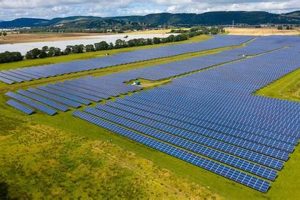
Solar energy offers immense potential due to the virtually inexhaustible supply of sunlight reaching the Earth. Regions with high solar irradiance, such as deserts and tropical areas, are particularly well-suited for large-scale solar power generation. This abundance translates into a reliable and consistent energy source, reducing dependence on geographically constrained resources.
- Wind Energy Resources
Wind energy harnesses the kinetic energy of wind, a resource readily available in many locations, both onshore and offshore. Coastal regions, mountainous areas, and open plains often experience consistent wind speeds, making them ideal for wind turbine installations. The distributed nature of wind resources further enhances energy security.
- Hydropower Capacity
Hydropower utilizes the natural flow of water to generate electricity, leveraging the continuous cycle of precipitation and river flow. Regions with significant elevation changes and substantial water resources offer considerable hydropower potential. This established technology provides a reliable and controllable source of renewable energy.
- Geothermal Energy Accessibility
Geothermal energy taps into the Earth’s internal heat, a resource accessible in areas with volcanic activity or tectonic plate boundaries. This consistent heat source can be used for both electricity generation and direct heating applications, providing a stable and reliable energy supply regardless of surface weather conditions.
The abundance of these renewable resources provides a compelling argument for their widespread adoption. Their inherent availability and renewability offer a pathway towards a more sustainable and secure energy future, reducing dependence on finite resources and mitigating the environmental impacts associated with fossil fuel consumption. Continued advancements in renewable energy technologies and infrastructure development further enhance the accessibility and utilization of these abundant resources.
2. Emissions Reduction

Emissions reduction is a central theme within the broader context of renewable energy, representing a crucial advantage over traditional fossil fuel-based energy sources. The inherent ability of renewable energy technologies to generate power without emitting greenhouse gases positions them as key contributors to mitigating climate change and improving air quality. Exploring the various facets of emissions reduction highlights the significant environmental benefits associated with transitioning to renewable energy sources.
- Decarbonizing the Power Sector
Renewable energy sources, such as solar and wind power, offer a direct pathway to decarbonizing the power sector. Replacing fossil fuel-fired power plants with renewable energy installations significantly reduces carbon dioxide emissions, a primary driver of climate change. This shift towards cleaner electricity generation is essential for achieving global emissions reduction targets.
- Mitigating Air Pollution
In addition to greenhouse gas emissions, fossil fuel combustion releases harmful air pollutants, including particulate matter, nitrogen oxides, and sulfur dioxide. These pollutants contribute to respiratory illnesses, cardiovascular problems, and other health issues. Renewable energy sources, being inherently clean, mitigate air pollution and improve public health, particularly in urban areas.
- Enhancing Energy Security
Reducing reliance on fossil fuels through the adoption of renewable energy enhances energy security by diversifying energy sources. This reduces vulnerability to price volatility and geopolitical instability associated with fossil fuel dependence. Furthermore, renewable energy resources are often distributed geographically, enhancing resilience against supply disruptions.
- Supporting Sustainable Development
The transition to renewable energy aligns with broader sustainable development goals, encompassing environmental protection, economic growth, and social equity. Renewable energy technologies create new economic opportunities, particularly in rural areas, while also contributing to cleaner air and water, fostering healthier and more sustainable communities.
The emissions reduction potential of renewable energy technologies underscores their critical role in addressing climate change and promoting a sustainable energy future. By decarbonizing the power sector, mitigating air pollution, enhancing energy security, and supporting sustainable development, renewable energy provides a comprehensive solution to the environmental and societal challenges associated with traditional energy sources. Continued investment in research, development, and deployment of renewable energy technologies is essential for maximizing their emissions reduction benefits and achieving a cleaner, healthier, and more sustainable future.
3. Cost Competitiveness

Cost competitiveness is a crucial factor driving the widespread adoption of renewable energy technologies. The declining costs of renewable energy systems, particularly solar and wind power, have made them increasingly competitive with conventional fossil fuel-based generation. This shift in cost dynamics is reshaping the energy landscape and accelerating the transition towards a more sustainable energy future. Several factors contribute to the increasing cost competitiveness of renewable energy.
Technological advancements have played a significant role in reducing the cost of renewable energy technologies. Improvements in manufacturing processes, materials science, and system design have led to higher efficiencies and lower production costs for solar panels, wind turbines, and other renewable energy components. Furthermore, economies of scale, driven by increasing global demand, have further reduced manufacturing costs. Government policies, such as tax incentives, subsidies, and renewable portfolio standards, have also supported the growth of the renewable energy industry and contributed to cost reductions. For instance, the declining cost of solar photovoltaic modules has made solar power a cost-competitive option for electricity generation in many regions, even without subsidies. Similarly, advancements in wind turbine technology and the development of large-scale offshore wind farms have significantly reduced the cost of wind energy.
The cost competitiveness of renewable energy has significant implications for the global energy market. As renewable energy becomes increasingly affordable, it is displacing fossil fuels in electricity generation, leading to a cleaner and more sustainable energy mix. This transition also creates economic opportunities, fostering job growth in the renewable energy sector and related industries. Furthermore, the decreasing cost of energy storage technologies, such as batteries, is further enhancing the reliability and dispatchability of renewable energy, enabling greater integration into the grid. However, challenges remain, including intermittency issues, grid integration complexities, and the need for continued policy support to ensure a smooth transition to a renewable energy-dominated future. Addressing these challenges through further innovation and supportive policies will be essential for realizing the full potential of cost-competitive renewable energy.
4. Technological Innovation

Technological innovation plays a crucial role in the advancement and widespread adoption of renewable energy. Breakthroughs in materials science, manufacturing processes, and system design continuously enhance the performance, efficiency, and cost-effectiveness of renewable energy technologies. This progress drives the transition towards a sustainable energy future by making renewable energy sources increasingly competitive with conventional fossil fuels. Examining specific examples of technological innovation illustrates its impact on various renewable energy sectors.
In the solar energy sector, advancements in photovoltaic cell technology have led to higher conversion efficiencies, enabling more electricity generation from a given area. The development of thin-film solar cells, perovskite solar cells, and other novel materials has reduced manufacturing costs and expanded the range of applications for solar power. Similarly, innovations in wind turbine design, such as larger rotor diameters and improved blade aerodynamics, have increased energy capture efficiency and enabled the development of more powerful turbines, particularly for offshore wind farms. Energy storage technologies, such as advanced battery systems and pumped hydro storage, are also undergoing rapid development, addressing the intermittency challenges associated with renewable energy sources and enabling greater grid integration.
The continuous pursuit of technological innovation in renewable energy yields several crucial benefits. Increased efficiency translates to greater energy output from renewable resources, maximizing their potential to meet growing energy demands. Reduced costs make renewable energy more accessible and competitive, accelerating its adoption across various sectors. Improved energy storage solutions enhance the reliability and stability of renewable energy integration into the grid, paving the way for a more sustainable and resilient energy system. However, challenges remain, including the need for further research and development, grid modernization, and supportive policies to foster continued innovation and deployment of renewable energy technologies. Overcoming these challenges through sustained investment and collaboration will be essential for realizing the full potential of technological innovation in driving the global transition to a clean energy future.
5. Sustainable Growth
Sustainable growth represents a crucial outcome and driving force behind the transition to renewable energy. The multifaceted relationship between sustainable growth and the broader adoption of renewable energy encompasses economic development, environmental protection, and social equity. Understanding this interconnectedness is essential for promoting a future where economic progress aligns with environmental stewardship.
Renewable energy technologies offer a pathway to sustainable economic growth by creating new industries, jobs, and investment opportunities. The manufacturing, installation, and maintenance of renewable energy systems generate employment across various skill levels, stimulating local economies and fostering innovation. Furthermore, the distributed nature of renewable energy resources empowers communities to generate their own power, reducing reliance on centralized energy systems and fostering energy independence. For example, the growth of the solar industry has created hundreds of thousands of jobs worldwide, while also reducing electricity costs for consumers and businesses. Similarly, investments in wind energy have revitalized rural communities, providing new revenue streams and economic diversification. Moreover, the transition to renewable energy reduces reliance on imported fossil fuels, enhancing energy security and bolstering national economies.
From an environmental perspective, sustainable growth powered by renewable energy mitigates the adverse impacts of traditional energy sources. Renewable energy technologies produce minimal greenhouse gas emissions, reducing the risks associated with climate change and promoting a healthier environment. Furthermore, renewable energy sources, unlike fossil fuels, are not subject to depletion, ensuring long-term energy security and reducing pressure on finite natural resources. This shift towards sustainable energy practices promotes a circular economy, minimizing waste and maximizing resource efficiency. The practical significance of this understanding lies in its ability to inform policy decisions, guide investment strategies, and empower individuals and communities to embrace sustainable practices. By recognizing the interconnectedness of sustainable growth and renewable energy, societies can pursue a future where economic prosperity and environmental sustainability go hand in hand. Addressing the challenges associated with the transition to renewable energy, such as grid integration and intermittency, requires ongoing innovation, policy support, and public engagement. However, the long-term benefits of sustainable growth powered by renewable energy far outweigh the challenges, offering a pathway towards a more equitable, resilient, and prosperous future for all.
Frequently Asked Questions about Renewable Energy
Addressing common inquiries regarding renewable energy sources clarifies their role in the global energy transition and dispels prevalent misconceptions. The following questions and answers provide concise yet comprehensive insights into various aspects of renewable energy technologies, their benefits, and their integration into existing energy infrastructure.
Question 1: How reliable are renewable energy sources given their intermittent nature?
While solar and wind power are inherently intermittent, strategies exist to mitigate this variability. Energy storage solutions, such as batteries and pumped hydro, store excess energy generated during peak production periods for use during periods of low generation. Grid management systems and diversification of renewable energy sources across geographic locations further enhance reliability.
Question 2: What is the environmental impact of manufacturing renewable energy technologies?
The manufacturing of renewable energy technologies, like any industrial process, has some environmental impact. However, lifecycle assessments demonstrate that the overall environmental footprint of renewable energy systems is significantly lower than that of fossil fuel-based energy production, considering emissions over the entire lifespan of the technology.
Question 3: Are renewable energy sources capable of meeting global energy demands?
The potential of renewable energy sources to meet global energy demands is substantial. Technological advancements, declining costs, and supportive policies are driving increased deployment of renewable energy technologies, demonstrating their growing capacity to provide a significant portion of global energy needs.
Question 4: What are the economic benefits of transitioning to renewable energy?
Transitioning to renewable energy stimulates economic growth by creating new industries, jobs, and investment opportunities. Furthermore, reduced reliance on fossil fuel imports enhances energy security and reduces price volatility, contributing to economic stability.
Question 5: How does land use for renewable energy projects compare to that of fossil fuel extraction?
While renewable energy projects require land for infrastructure, the land use impact is generally lower than that of fossil fuel extraction, which often involves extensive mining operations and environmental disruption. Furthermore, some renewable energy technologies, such as rooftop solar, can be integrated into existing infrastructure, minimizing land use requirements.
Question 6: What role do government policies play in promoting renewable energy adoption?
Supportive government policies, such as tax incentives, subsidies, renewable portfolio standards, and carbon pricing mechanisms, are essential for accelerating the adoption of renewable energy technologies. These policies create a favorable market environment, encourage investment, and drive innovation in the renewable energy sector.
Understanding the facts surrounding renewable energy empowers informed decision-making and fosters public support for the transition to a sustainable energy future. Continued research, technological advancements, and supportive policies are essential for realizing the full potential of renewable energy to address global energy challenges and mitigate climate change.
Moving forward, exploring specific case studies of successful renewable energy integration provides further insights into the practical implementation and benefits of these technologies.
Conclusion
Exploration of renewable energy technologies reveals their potential to address pressing global challenges. Resource abundance, emissions reductions, cost competitiveness, technological innovation, and sustainable growth potential highlight the transformative capacity of these energy sources. From mitigating climate change through reduced greenhouse gas emissions to fostering economic growth through job creation and investment, renewable energy offers a multifaceted solution to current energy paradigms. The transition towards greater reliance on these sustainable alternatives requires a comprehensive approach encompassing technological advancements, policy frameworks, and public awareness.
The future of energy hinges on continued progress in the renewable energy sector. Addressing the remaining challenges, such as grid integration complexities and intermittency issues, requires ongoing research, development, and deployment of innovative solutions. Transitioning towards a future powered by sustainable energy sources is not merely an environmental imperative but a crucial step towards ensuring global energy security, economic prosperity, and a healthier planet for generations to come. Embracing the potential of renewable energy represents a collective responsibility and a decisive step towards a more sustainable and equitable future.