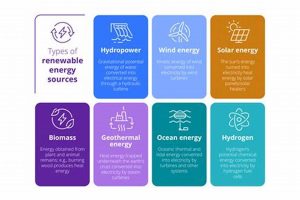
By 2030, the nation aims to achieve a substantial portion of its electricity capacity from non-fossil fuel sources. This ambitious goal encompasses various renewable energy technologies, including solar, wind, hydro, and bioenergy. For example, significant investments are being made in expanding solar power infrastructure, both through large-scale projects and rooftop installations.
This commitment to a cleaner energy future holds significant importance for several reasons. It addresses the pressing need to mitigate climate change by reducing greenhouse gas emissions. Furthermore, it enhances energy security by diversifying the energy mix and reducing reliance on imported fossil fuels. Historically, the country has relied heavily on coal-based power generation. The shift towards renewables marks a pivotal transition in its energy landscape and demonstrates a strong commitment to sustainable development.
This ambitious undertaking requires careful planning and execution across multiple sectors. The following sections will explore the key policies, technological advancements, and investment strategies driving this transformative change, along with potential challenges and opportunities.
Tips for Supporting the National Renewable Energy Transition
Achieving the national renewable energy aspirations requires a concerted effort from various stakeholders. The following tips offer practical guidance for contributing to this important objective.
Tip 1: Invest in Renewable Energy Projects: Consider investing in renewable energy projects, such as solar or wind farms, through various investment platforms. This can provide financial returns while directly supporting the growth of the renewable energy sector.
Tip 2: Promote Energy Efficiency: Implementing energy efficiency measures in homes and businesses can significantly reduce overall energy consumption, lessening the demand for fossil fuels. Examples include using energy-efficient appliances, improving insulation, and adopting smart energy management systems.
Tip 3: Advocate for Supportive Policies: Engage with policymakers and support policies that incentivize renewable energy development and deployment. This includes advocating for streamlined permitting processes, tax incentives, and renewable portfolio standards.
Tip 4: Support Research and Development: Encourage and support research and development efforts focused on advancing renewable energy technologies and improving their cost-effectiveness and efficiency.
Tip 5: Educate and Raise Awareness: Spread awareness about the benefits of renewable energy and the importance of transitioning to a cleaner energy future. Educate others about practical steps they can take to contribute to this goal.
Tip 6: Adopt Sustainable Consumption Patterns: Reduce overall energy consumption by making conscious choices about purchasing habits and lifestyle. This includes opting for products and services with lower carbon footprints.
Tip 7: Embrace Technological Advancements: Stay informed about the latest advancements in renewable energy technologies and consider adopting them where feasible. This could include exploring options such as rooftop solar installations or electric vehicles.
By adopting these measures, individuals, businesses, and communities can play a vital role in accelerating the national transition towards a sustainable energy future. These collective efforts will contribute to a cleaner, more secure, and prosperous future.
The transition to a renewable energy-powered future presents both challenges and opportunities. The following section will analyze the potential roadblocks and explore strategies for overcoming them.
1. Capacity Expansion

Capacity expansion is fundamental to achieving India’s 2030 renewable energy target. The target necessitates a substantial increase in the nation’s renewable energy generation capacity. This involves deploying large-scale solar and wind farms, promoting rooftop solar installations, and exploring other renewable sources like biomass and hydropower. The connection between capacity expansion and the 2030 target is direct and causal: without significant capacity additions, the ambitious goal remains unattainable. For example, achieving 500 GW of non-fossil fuel-based installed capacity by 2030 requires substantial investments and focused development in solar, wind, and other renewable energy sources. This understanding is crucial for policymakers, investors, and industry stakeholders to prioritize capacity building initiatives.
The practical significance of this connection lies in the need for strategic planning and implementation. Capacity expansion requires careful consideration of land availability, grid infrastructure, and transmission capabilities. It also necessitates streamlined regulatory processes and effective financing mechanisms. For instance, large-scale solar parks require vast tracts of land and efficient grid connectivity to ensure generated power reaches consumers. Similarly, promoting distributed renewable energy generation through rooftop solar installations necessitates policies that encourage adoption and address net metering challenges. Effective capacity expansion also stimulates economic growth by creating jobs in the renewable energy sector and its associated supply chains. Moreover, achieving the 2030 target through capacity expansion has significant implications for India’s energy security and its commitment to mitigating climate change.
In conclusion, capacity expansion represents a cornerstone of India’s 2030 renewable energy target. Its successful implementation requires a concerted effort from all stakeholders, including government agencies, private sector players, and research institutions. Addressing challenges related to land acquisition, grid integration, and financing is crucial for realizing the full potential of renewable energy sources. By prioritizing capacity expansion, India can achieve its ambitious climate goals, enhance energy security, and create a sustainable energy future.
2. Technological Advancements
Technological advancements are inextricably linked to the success of India’s 2030 renewable energy target. Advancements in areas such as solar photovoltaic (PV) technology, wind turbine design, energy storage solutions, and smart grid technologies are crucial for enhancing the efficiency, affordability, and reliability of renewable energy systems. This connection is not merely correlational but causal: technological progress directly enables greater deployment of renewable energy and facilitates the achievement of ambitious capacity targets. For instance, improvements in solar cell efficiency and the development of cost-effective manufacturing processes have significantly reduced the price of solar power, making it increasingly competitive with conventional energy sources. Similarly, advancements in wind turbine technology, such as larger rotor diameters and improved blade designs, have increased energy capture efficiency, leading to higher power output.
The practical significance of this relationship is substantial. Technological advancements drive down the cost of renewable energy, making it more accessible to a wider population. They also enhance the performance and reliability of renewable energy systems, making them a more viable option for meeting growing energy demands. For example, the development of advanced energy storage technologies, such as lithium-ion batteries and pumped hydro storage, addresses the intermittency challenges associated with solar and wind power, enabling a more stable and reliable power supply. Furthermore, smart grid technologies optimize grid management and integration of renewable energy sources, enhancing overall grid stability and efficiency. The development and deployment of these technologies create new economic opportunities, generate jobs in the renewable energy sector, and contribute to India’s economic growth.
In conclusion, technological advancements are essential for realizing India’s 2030 renewable energy target. Continued investment in research and development, coupled with supportive policies that encourage innovation and technology adoption, is crucial. These advancements are not merely technical improvements; they are key enablers of a sustainable energy future, contributing to reduced emissions, enhanced energy security, and a more resilient energy system. Addressing challenges related to technology transfer, skill development, and infrastructure upgrades will be vital for maximizing the benefits of technological progress and achieving the transformative change envisioned by the 2030 target.
3. Investment and financing

Investment and financing are fundamental to achieving India’s 2030 renewable energy target. Mobilizing substantial financial resources is essential for driving large-scale deployment of renewable energy technologies and infrastructure. This involves attracting investments from both public and private sources, developing innovative financing mechanisms, and creating a conducive investment environment. The connection between investment and financing and the 2030 target is direct and crucial: without adequate financial resources, the ambitious capacity expansion plans and technological advancements required to meet the target remain unrealizable. The scale of investment required necessitates a multi-pronged approach, encompassing government funding, private sector participation, and international collaborations.
- Public Funding:
Government funding plays a vital role in supporting early-stage research and development, providing incentives for renewable energy projects, and creating a stable policy environment. This can include grants, subsidies, tax breaks, and viability gap funding to attract private investment. For example, government initiatives like the National Solar Mission and the National Wind Mission have played a significant role in incentivizing renewable energy deployment. Public funding can also support the development of critical infrastructure such as transmission lines and grid modernization projects. These investments de-risk renewable energy projects and create a more attractive investment environment for private investors.
- Private Investment:
Private sector investment is crucial for scaling up renewable energy deployment. Attracting private capital requires creating a stable and predictable policy framework, reducing investment risks, and ensuring attractive returns. Mechanisms like Power Purchase Agreements (PPAs) provide long-term price stability and offtake certainty for renewable energy projects, attracting private investors. For instance, large-scale solar and wind projects often rely on PPAs with state distribution companies or private industrial consumers. Green bonds and other innovative financing instruments can also mobilize private capital for renewable energy investments.
- International Collaboration:
International partnerships play an important role in facilitating technology transfer, providing concessional financing, and supporting capacity building initiatives. Multilateral development banks and international climate funds offer concessional loans and grants for renewable energy projects in developing countries like India. For example, the International Solar Alliance (ISA) promotes collaboration among countries rich in solar resources to accelerate the deployment of solar energy technologies. These partnerships can also provide technical expertise and support for developing robust regulatory frameworks and building institutional capacity.
- Innovative Financing:
Developing innovative financing mechanisms is crucial for mobilizing the necessary capital for achieving the 2030 target. This includes exploring mechanisms such as green bonds, securitization of renewable energy assets, and crowdfunding platforms. These instruments can broaden the investor base and unlock new sources of capital for renewable energy projects. For example, green bonds issued by renewable energy companies or government agencies can attract environmentally conscious investors seeking to support sustainable development. Furthermore, blended finance models that combine public and private capital can leverage limited public resources to attract larger private investments.
These various facets of investment and financing are intricately connected and essential for achieving India’s ambitious renewable energy target. A well-structured and coordinated approach that leverages both public and private resources, fosters international collaborations, and promotes innovative financing mechanisms is crucial for creating a sustainable and thriving renewable energy sector. The success of these efforts will determine whether India can achieve its climate goals, enhance energy security, and transition towards a cleaner and more sustainable energy future. Moreover, the investment in renewable energy will have broader economic benefits, creating jobs, driving innovation, and contributing to sustainable economic growth.
4. Grid integration

Grid integration is inextricably linked to the success of India’s 2030 renewable energy target. The intermittent nature of renewable energy sources, such as solar and wind power, presents unique challenges for grid stability and reliability. Effective grid integration requires robust transmission infrastructure, advanced forecasting and scheduling capabilities, and flexible grid management systems. This connection is not merely correlational; it is a fundamental requirement for realizing the full potential of renewable energy and achieving the ambitious capacity targets set for 2030. Without seamless grid integration, the increased penetration of renewable energy could lead to grid instability, voltage fluctuations, and power outages. For example, the variability of solar power generation throughout the day necessitates flexible grid management strategies to balance supply and demand and maintain grid stability.
The practical significance of this relationship is substantial. Investing in grid modernization and expansion is crucial for accommodating the influx of renewable energy. This includes strengthening transmission lines, developing smart grids with advanced monitoring and control systems, and implementing demand-side management programs. For instance, strengthening inter-state transmission lines enables the transfer of renewable energy from resource-rich areas to regions with high energy demand. Similarly, the development of smart grids enables real-time monitoring of grid conditions and facilitates the integration of distributed renewable energy sources, such as rooftop solar installations. Furthermore, demand-side management programs, such as time-of-use tariffs and demand response initiatives, can incentivize consumers to shift their energy consumption patterns and align them with renewable energy generation profiles, thereby reducing peak demand and improving grid stability. These investments not only facilitate the integration of renewable energy but also enhance overall grid resilience and reliability, benefiting all electricity consumers.
In conclusion, grid integration is not merely a technical challenge; it is a critical enabler of India’s 2030 renewable energy target. Successfully addressing grid integration challenges requires a coordinated approach involving policymakers, grid operators, technology providers, and investors. Investing in grid modernization, developing advanced forecasting and scheduling tools, and implementing flexible grid management strategies are essential for ensuring a smooth transition to a renewable energy-powered future. Overcoming these challenges will contribute to a more stable, reliable, and sustainable electricity grid, paving the way for achieving India’s ambitious climate goals and ensuring a secure energy future.
5. Policy and regulatory framework

A robust policy and regulatory framework is essential for achieving India’s 2030 renewable energy target. Supportive policies and regulations create a stable and predictable environment that encourages investment, fosters innovation, and streamlines project development. This connection is not merely correlational but causal: effective policies directly influence the pace and scale of renewable energy deployment. For instance, Renewable Purchase Obligations (RPOs) mandate that electricity distribution companies procure a certain percentage of their electricity from renewable sources, creating a guaranteed market for renewable energy generators. Similarly, feed-in tariffs provide a fixed price for renewable energy fed into the grid, ensuring revenue stability for project developers. Without such supportive policies, the private sector would be less inclined to invest in renewable energy projects, hindering progress toward the 2030 target.
The practical significance of this relationship is profound. A clear and consistent policy framework reduces investment risks, attracts private capital, and accelerates the deployment of renewable energy technologies. For example, streamlined permitting processes for renewable energy projects can significantly reduce development timelines and costs, making investments more attractive. Furthermore, policies that promote net metering allow consumers to generate their own renewable energy and sell excess power back to the grid, encouraging distributed generation and empowering consumers to participate in the energy transition. Conversely, inconsistent or unclear policies can create uncertainty and deter investment, hindering progress toward the 2030 target. The effectiveness of policies also depends on their implementation and enforcement. Strong institutional capacity and effective monitoring mechanisms are crucial for ensuring that policies translate into tangible outcomes.
In conclusion, a well-designed policy and regulatory framework is a cornerstone of India’s 2030 renewable energy target. Policies that provide clear incentives, reduce investment risks, and streamline project development are essential for attracting investment and driving the large-scale deployment of renewable energy technologies. Furthermore, effective implementation and enforcement of these policies, coupled with strong institutional capacity, are crucial for ensuring that policy goals translate into real-world progress. Addressing challenges related to policy consistency, regulatory hurdles, and grid integration will be vital for unlocking the full potential of renewable energy and achieving the transformative change envisioned by the 2030 target. The success of these efforts will determine not only the achievement of the renewable energy target but also India’s broader sustainable development goals and its contribution to mitigating climate change.
Frequently Asked Questions
This section addresses common inquiries regarding the national 2030 renewable energy objectives.
Question 1: What is the specific target for renewable energy capacity by 2030?
The nation aims to achieve 500 GW of non-fossil fuel-based installed capacity by 2030. This includes solar, wind, hydro, biomass, and other renewable energy sources.
Question 2: How does this target contribute to climate change mitigation efforts?
The transition to renewable energy sources significantly reduces greenhouse gas emissions compared to fossil fuels, thus playing a vital role in mitigating climate change and fulfilling international commitments.
Question 3: What are the primary challenges in achieving this target?
Key challenges include financing the large-scale deployment of renewable energy technologies, integrating intermittent renewable sources into the electricity grid, and ensuring land availability for large-scale projects. Additionally, technological advancements and supportive policies are crucial for overcoming these challenges.
Question 4: What role does the private sector play in achieving this target?
Private sector investment is crucial for scaling up renewable energy deployment. Supportive policies, such as tax incentives and streamlined permitting processes, encourage private sector participation.
Question 5: How will achieving this target impact energy security?
Diversifying the energy mix through renewable energy reduces reliance on imported fossil fuels, enhancing energy security and reducing vulnerability to global price fluctuations.
Question 6: What policies and initiatives are in place to support this target?
Various policies and initiatives, including renewable purchase obligations, feed-in tariffs, and tax incentives, are designed to promote renewable energy development and deployment. Furthermore, government programs support research and development and grid modernization efforts.
Achieving the 2030 renewable energy target requires collaborative efforts from government, industry, and individuals. Understanding the challenges and opportunities associated with this transition is crucial for effective implementation.
For further exploration, the following section delves deeper into the specific technologies driving this energy transformation.
Conclusion
India’s renewable energy target for 2030 represents a significant commitment to transforming the nation’s energy landscape. This ambitious undertaking necessitates a multifaceted approach encompassing capacity expansion, technological advancements, strategic investment, grid integration, and a supportive policy framework. The exploration of these key aspects underscores the complexity and scale of this transformative endeavor. Capacity expansion requires substantial investment and careful planning to ensure sufficient generation from renewable sources. Technological advancements play a crucial role in enhancing the efficiency and cost-competitiveness of renewable energy technologies. Securing the necessary investments and developing innovative financing mechanisms are vital for driving large-scale deployment. Addressing grid integration challenges is essential for maintaining grid stability and reliability as renewable energy penetration increases. Finally, a robust and consistent policy and regulatory framework provides the foundation for long-term growth and success in the renewable energy sector.
The pursuit of this target presents both challenges and opportunities. Overcoming hurdles related to land acquisition, grid infrastructure, and financing requires collaborative efforts from government, industry, and research institutions. Realizing the full potential of this transformative journey requires not only technological innovation but also sustained policy support, strategic investments, and public awareness. The successful achievement of the 2030 target holds profound implications for India’s sustainable development, energy security, and global climate change mitigation efforts. It represents a pivotal step towards a cleaner, more secure, and sustainable energy future for generations to come.