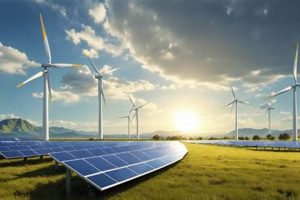
The National Renewable Energy Laboratory’s public outreach facility provides opportunities to learn about sustainable energy technologies and research. Exhibits showcase advancements in solar power, wind energy, biofuels, and energy efficiency. Interactive displays and educational programs cater to diverse audiences, from students to industry professionals.
This facility plays a vital role in promoting scientific literacy and fostering public understanding of renewable energy’s potential to address climate change and enhance energy security. By showcasing cutting-edge research and development, it inspires innovation and encourages broader adoption of sustainable practices. Its historical context lies within the broader mission of the laboratory, established in 1974 as the Solar Energy Research Institute, to advance renewable energy technologies and diversify energy sources.
Further exploration of specific areas within the laboratory’s work, such as advancements in solar cell technology, breakthroughs in wind turbine design, or the latest research in bioenergy, can offer deeper insights into the ongoing quest for a sustainable energy future.
Tips for Visiting the National Renewable Energy Laboratory’s Public Outreach Facility
Planning a visit can enhance the experience and maximize learning opportunities. The following suggestions offer guidance for prospective visitors.
Tip 1: Check the schedule. Review the facility’s website for operating hours, tour availability, and scheduled events before arriving. This ensures alignment with planned activities and avoids potential closures or scheduling conflicts.
Tip 2: Allow ample time. Exploring the exhibits and engaging with interactive displays can be time-consuming. Allocating sufficient time allows for a thorough and unhurried experience.
Tip 3: Consider a guided tour. Tours provide deeper insights into the research and technologies showcased. Check tour schedules and availability in advance.
Tip 4: Engage with the exhibits. Interactive displays offer opportunities to learn through hands-on experiences. Active participation enhances understanding and retention of information.
Tip 5: Prepare questions. Note any questions that arise during research or prior to the visit. Staff members are available to provide answers and further information.
Tip 6: Dress comfortably. The facility encourages exploration and movement. Comfortable attire facilitates ease of movement and enhances the overall experience.
Tip 7: Review available resources. Explore online materials and pre-visit resources to gain background knowledge and context for the exhibits.
Advance planning and active engagement can significantly enrich a visit, ensuring a valuable educational experience and deeper appreciation for the advancements in sustainable energy technologies.
By following these suggestions, visitors can maximize their understanding of the laboratory’s mission and the crucial role of renewable energy in shaping a sustainable future. This concludes the tips section; the article will now transition to its final points.
1. Sustainable Energy Education

Sustainable energy education forms a cornerstone of the National Renewable Energy Laboratory’s public outreach facility. The facility provides a crucial platform for disseminating information about renewable energy technologies, research breakthroughs, and the importance of transitioning to a sustainable energy future. This educational mission manifests through various interactive exhibits, educational programs, and guided tours designed to engage diverse audiences, from K-12 students to policymakers. For example, exhibits demonstrating the functionality of solar photovoltaic cells or the mechanics of wind turbines translate complex scientific concepts into accessible learning experiences. This direct exposure to cutting-edge technologies fosters a deeper understanding of their potential and encourages broader public support for renewable energy adoption.
The impact of this educational focus extends beyond simply conveying information. By showcasing the practical applications of renewable energy technologies and their potential to address pressing global challenges like climate change and energy security, the facility inspires future generations of scientists, engineers, and policymakers. Furthermore, it empowers individuals to make informed decisions about their own energy consumption and advocate for sustainable practices within their communities. Real-world examples, such as case studies of successful renewable energy integration in different regions or demonstrations of energy-efficient building designs, underscore the tangible benefits of transitioning to a more sustainable energy system.
In summary, sustainable energy education at the facility plays a vital role in advancing the broader societal shift towards renewable energy. It equips individuals with the knowledge and understanding necessary to navigate the complex energy landscape, fostering informed decision-making and promoting widespread adoption of sustainable practices. This, in turn, accelerates the transition to a cleaner, more secure, and sustainable energy future. The facilitys success in delivering this education underlines its importance as a key resource in addressing global energy challenges. The continued development and expansion of these educational programs will be crucial in ensuring a sustainable energy future.
2. Interactive Exhibits

Interactive exhibits constitute a core element of the National Renewable Energy Laboratory’s public outreach facility, playing a pivotal role in communicating complex scientific principles and technological advancements in an accessible and engaging manner. These exhibits serve as a crucial bridge between cutting-edge research and public understanding, fostering greater appreciation for the potential of renewable energy technologies. Cause and effect relationships between energy sources and their environmental impact, for example, can be effectively demonstrated through interactive simulations, allowing visitors to explore the consequences of different energy choices. A simulated model of a smart grid, for instance, might allow visitors to manipulate energy sources and observe the resulting impact on grid stability and carbon emissions. This hands-on approach transforms abstract concepts into tangible experiences, promoting deeper comprehension and retention of information.
The importance of interactive exhibits as a component of the facility lies in their ability to cater to diverse learning styles and age groups. Visualizations of wind turbine aerodynamics or interactive displays showcasing the process of converting sunlight into electricity provide engaging learning opportunities for individuals with varying levels of scientific background. A touch-screen display explaining the different types of solar cells and their applications, for example, can cater to both casual visitors and those with a deeper interest in the technology. This inclusivity broadens the facility’s reach and impact, making complex scientific concepts accessible to a wider audience. Furthermore, interactive exhibits provide a platform for exploring the practical applications of renewable energy technologies in real-world scenarios, such as powering homes, businesses, and transportation systems. This connection to everyday life underscores the relevance of renewable energy research and encourages consideration of its role in shaping a sustainable future.
In summary, the integration of interactive exhibits within the facility represents a strategic approach to science communication and public engagement. By providing hands-on, immersive learning experiences, these exhibits demystify complex scientific concepts and empower visitors with a deeper understanding of renewable energy technologies and their potential. This understanding plays a crucial role in fostering informed decision-making and promoting wider societal adoption of sustainable practices. The ongoing development and refinement of interactive exhibits at the facility will remain essential for effectively communicating the evolving landscape of renewable energy research and inspiring future generations to embrace a sustainable energy future.
3. Research Advancements Showcase

The National Renewable Energy Laboratory’s visitor center serves as a vital platform for showcasing cutting-edge research advancements in renewable energy and energy efficiency. This showcase translates complex scientific breakthroughs into accessible demonstrations and exhibits, fostering public understanding and encouraging broader adoption of sustainable technologies. The center’s role in disseminating this information is crucial for accelerating the transition to a clean energy future.
- Advanced Solar Cell Technologies
Displays often feature advancements in photovoltaic technologies, such as perovskite solar cells and multi-junction solar cells, highlighting increased efficiency and reduced manufacturing costs. Examples might include demonstrations of flexible solar panels integrated into building materials or comparisons of different solar cell types and their performance characteristics. These exhibits demonstrate the potential of solar energy to become a more cost-effective and versatile energy source.
- Innovative Wind Turbine Designs
The center frequently exhibits research related to improved wind turbine designs, including advancements in blade aerodynamics, turbine control systems, and offshore wind technologies. Scale models of advanced wind turbines or interactive simulations demonstrating the optimization of wind farm layouts provide concrete examples. These exhibits illustrate the ongoing efforts to enhance wind energy capture and grid integration.
- Sustainable Transportation Technologies
Research related to electric vehicles, biofuels, and hydrogen fuel cells is often showcased. Visitors might encounter exhibits demonstrating the performance characteristics of different electric vehicle battery technologies or the production processes for sustainable biofuels. This provides insights into the potential of alternative transportation technologies to reduce reliance on fossil fuels.
- Grid Modernization and Energy Storage
Advancements in grid modernization technologies, including smart grids, microgrids, and energy storage solutions, are often featured. Interactive displays might simulate the operation of a smart grid, demonstrating its ability to integrate renewable energy sources and enhance grid resilience. These exhibits emphasize the importance of grid modernization for accommodating the increasing penetration of renewable energy.
By showcasing these research advancements, the visitor center bridges the gap between scientific innovation and public awareness, fostering informed decision-making and accelerating the transition to a cleaner, more sustainable energy future. The exhibits not only highlight the technical aspects of these advancements but also emphasize their potential societal benefits, such as reduced greenhouse gas emissions, improved air quality, and enhanced energy security, ultimately contributing to a more sustainable world.
4. Public Engagement Platform

The National Renewable Energy Laboratory’s visitor center functions as a crucial public engagement platform, fostering dialogue and understanding surrounding renewable energy and energy efficiency. This platform facilitates direct interaction between the scientific community and the public, promoting transparency and informed decision-making regarding energy choices and their broader societal impact.
- Facilitating Dialogue and Exchange of Ideas
The center provides a neutral venue for discussions on complex energy-related topics. Public forums, workshops, and expert presentations offer opportunities for community members to engage directly with researchers and policymakers. These interactions can lead to valuable feedback and insights, shaping future research directions and policy decisions. For example, a public forum discussing the integration of renewable energy sources into the existing power grid could provide valuable input from community members regarding potential challenges and opportunities.
- Promoting Transparency and Building Trust
Open access to research findings and technological advancements fosters trust between the scientific community and the public. The center’s exhibits and educational programs demystify complex scientific concepts, enabling visitors to critically evaluate information and form informed opinions. Transparency regarding the challenges and limitations of renewable energy technologies, as well as their potential benefits, strengthens public confidence in the scientific process. For example, an exhibit explaining the lifecycle environmental impacts of different energy technologies fosters informed decision-making.
- Empowering Informed Energy Choices
By providing accessible information on energy efficiency measures and renewable energy technologies, the center empowers individuals to make informed decisions about their own energy consumption. Interactive displays and workshops can guide homeowners on strategies for reducing their energy footprint, such as adopting energy-efficient appliances or installing rooftop solar panels. These empowered choices contribute to broader societal efforts toward sustainable energy adoption. Practical demonstrations of home energy audits or comparisons of different energy-efficient lighting technologies provide tangible examples.
- Inspiring Future Generations
The center’s engaging exhibits and educational programs inspire younger generations to pursue careers in science, technology, engineering, and mathematics (STEM) fields related to renewable energy. By showcasing the exciting potential of renewable energy technologies and their role in addressing global challenges, the center cultivates a future workforce equipped to drive innovation and accelerate the transition to a sustainable energy future. Hands-on workshops involving building small-scale wind turbines or solar-powered devices can spark interest in STEM fields.
These facets of the visitor center as a public engagement platform underscore its crucial role in fostering a society that is knowledgeable and actively engaged in shaping a sustainable energy future. The center’s success in facilitating dialogue, promoting transparency, empowering informed choices, and inspiring future generations contributes significantly to the broader societal shift towards renewable energy and a more sustainable world.
5. Inspiring Innovation

The National Renewable Energy Laboratory’s visitor center plays a crucial role in inspiring innovation within the renewable energy sector. By showcasing cutting-edge research and development, the center fosters creativity and encourages the exploration of novel solutions to complex energy challenges. This inspiration manifests through several key facets, each contributing to a dynamic environment conducive to technological advancements and sustainable practices.
- Exposure to Cutting-Edge Research
Direct exposure to the latest advancements in renewable energy technologies, through interactive exhibits and demonstrations, sparks curiosity and encourages innovative thinking. Witnessing firsthand the functionality of advanced solar cells or the efficiency of novel wind turbine designs can inspire visitors to explore new applications and improvements. For instance, observing a demonstration of a building-integrated photovoltaic system might inspire architects and engineers to incorporate similar technologies into future building designs. This exposure fosters a cross-pollination of ideas, potentially leading to breakthroughs in diverse fields.
- Fostering Collaboration and Networking
The center serves as a hub for connecting researchers, industry professionals, and the public. This networking environment fosters collaboration and the exchange of ideas, which can spark innovation through shared knowledge and diverse perspectives. A workshop bringing together experts in solar energy, energy storage, and grid integration, for example, can facilitate collaborative projects and accelerate the development of integrated solutions. The exchange of ideas among individuals with diverse backgrounds and expertise can lead to novel approaches and accelerate the pace of innovation.
- Educating and Empowering Future Innovators
Targeted educational programs and interactive exhibits at the center inspire younger generations to pursue careers in STEM fields related to renewable energy. By fostering an understanding of the scientific principles and technological advancements driving the renewable energy sector, the center cultivates a future workforce equipped to develop innovative solutions to global energy challenges. Hands-on workshops involving the design and construction of small-scale renewable energy systems, for example, can empower students to become future innovators in the field. This educational focus contributes to a pipeline of talent driving continuous innovation.
- Promoting Entrepreneurial Initiatives
The center can play a role in promoting entrepreneurial initiatives by connecting researchers with investors and industry partners. This facilitation of technology transfer and commercialization can accelerate the development and deployment of innovative renewable energy solutions. Showcasing successful startups and highlighting investment opportunities in the renewable energy sector can further encourage entrepreneurial activity. This support for entrepreneurial endeavors can lead to the rapid development and commercialization of innovative technologies.
These interconnected facets demonstrate how the visitor center fosters a culture of innovation within the renewable energy sector. By inspiring creativity, facilitating collaboration, and empowering future generations, the center contributes significantly to the ongoing advancement of renewable energy technologies and the transition to a sustainable energy future. The center’s success in fostering this innovation ecosystem positions it as a key driver of progress in the renewable energy field, ultimately contributing to a cleaner, more sustainable world.
6. Promoting Scientific Literacy

The National Renewable Energy Laboratory’s visitor center plays a crucial role in promoting scientific literacy within the broader community. By providing accessible and engaging educational experiences related to renewable energy and energy efficiency, the center empowers individuals to understand complex scientific concepts, make informed decisions, and participate actively in discussions surrounding energy choices and their societal implications. This focus on scientific literacy is essential for fostering public support for sustainable energy solutions and driving the transition to a cleaner energy future.
- Demystifying Complex Concepts
The center translates complex scientific principles and technological advancements into accessible exhibits and demonstrations. This demystification process empowers individuals without specialized scientific backgrounds to grasp the fundamental concepts underlying renewable energy technologies, such as solar photovoltaic energy conversion or wind turbine aerodynamics. For example, interactive displays illustrating the energy flow within a solar panel or a wind turbine can make these technologies more understandable and less intimidating. This enhanced understanding fosters greater appreciation for the scientific ingenuity driving the development of sustainable energy solutions.
- Encouraging Critical Thinking
The center encourages critical thinking by presenting information in a balanced and objective manner. Exhibits often explore the advantages and disadvantages of different renewable energy technologies, as well as the challenges associated with their implementation. This balanced approach fosters critical evaluation of information and enables visitors to form informed opinions based on scientific evidence. For example, an exhibit comparing the environmental impacts of different renewable energy sources can prompt visitors to consider the trade-offs associated with each technology. This emphasis on critical thinking empowers individuals to participate constructively in discussions surrounding energy policy and decision-making.
- Connecting Science to Everyday Life
The center effectively connects scientific concepts to real-world applications and everyday experiences. By showcasing how renewable energy technologies are used to power homes, businesses, and transportation systems, the center demonstrates the tangible benefits of scientific advancements. This connection to everyday life increases the relevance of scientific concepts and encourages individuals to consider the role of science in shaping a sustainable future. For instance, an exhibit demonstrating the use of solar panels to power a residential home can highlight the practical applications of scientific principles. This connection to real-world applications enhances the understanding and appreciation of scientific knowledge.
- Fostering a Culture of Inquiry
The center fosters a culture of inquiry by encouraging questions and providing opportunities for visitors to engage directly with scientists and researchers. This interactive environment stimulates curiosity and promotes lifelong learning. The opportunity to ask questions and receive expert answers cultivates a deeper understanding of scientific concepts and encourages further exploration. For example, a question-and-answer session with a renewable energy expert can provide valuable insights and inspire further investigation. This emphasis on inquiry-based learning empowers individuals to actively participate in the scientific process and contribute to the advancement of knowledge.
By fostering these elements of scientific literacy, the National Renewable Energy Laboratory’s visitor center equips individuals with the knowledge and critical thinking skills necessary to navigate the complex energy landscape and contribute meaningfully to the transition towards a sustainable energy future. This commitment to scientific literacy positions the center as a valuable resource for the community, empowering individuals to make informed decisions and actively participate in shaping a cleaner, more sustainable world. The centers success in promoting scientific literacy underscores its crucial role in advancing public understanding and support for renewable energy and energy efficiency.
7. Golden, Colorado Location

The National Renewable Energy Laboratory’s visitor center’s location in Golden, Colorado, plays a significant role in its function and impact. Golden’s unique attributes, encompassing its geographical setting, historical context, and proximity to relevant industries and academic institutions, contribute substantially to the center’s mission of advancing renewable energy research, education, and public engagement. Understanding the interplay between the center and its location provides valuable context for appreciating its overall significance.
- Proximity to Natural Resources and Research Infrastructure
Golden’s location near the foothills of the Rocky Mountains provides access to diverse renewable energy resources, including solar, wind, and hydropower. This proximity facilitates research and development activities, allowing scientists and engineers to test and refine technologies in real-world conditions. Furthermore, the area boasts a robust research infrastructure, with several universities and research institutions specializing in renewable energy and related fields. This concentration of expertise fosters collaboration and accelerates the pace of innovation.
- Historical Context and Community Engagement
Golden has a rich history in mining and energy production, providing a historical backdrop for the transition to renewable energy sources. The community’s long-standing engagement with energy issues contributes to a supportive environment for the visitor center’s educational and outreach programs. Local initiatives and partnerships between the center and community organizations further enhance public understanding and acceptance of renewable energy technologies. This historical context and community engagement create a fertile ground for advancing the center’s mission.
- Accessibility and Tourism Potential
Golden’s location, a short distance from Denver and other major population centers, enhances the visitor center’s accessibility to a wider audience. Its scenic setting and proximity to recreational areas contribute to its tourism potential, attracting visitors from across the country and around the world. This accessibility broadens the center’s reach and impact, extending its educational message to a diverse audience. The combination of accessibility and tourism potential amplifies the center’s role in promoting renewable energy awareness.
- Attracting and Retaining Talent
Golden’s quality of life, including its outdoor recreational opportunities, cultural attractions, and proximity to a major metropolitan area, contributes to the attraction and retention of top talent at the National Renewable Energy Laboratory. This concentration of skilled professionals further enhances the center’s capabilities and reinforces its position as a leading institution in renewable energy research and development. The ability to attract and retain a highly qualified workforce is crucial for the center’s continued success.
These interconnected facets demonstrate how the Golden, Colorado location significantly enhances the National Renewable Energy Laboratory’s visitor center’s ability to fulfill its mission. The confluence of natural resources, historical context, accessibility, and a supportive community creates a unique and advantageous environment for advancing renewable energy research, education, and public engagement, ultimately contributing to a more sustainable energy future. By leveraging these locational advantages, the visitor center maximizes its impact and contributes significantly to the global transition towards renewable energy.
Frequently Asked Questions
This section addresses common inquiries regarding the National Renewable Energy Laboratory’s public outreach facility.
Question 1: What are the facility’s operating hours?
Operating hours vary seasonally. Consulting the official website provides the most accurate and up-to-date schedule.
Question 2: Is there an admission fee?
Admission is free.
Question 3: Are guided tours available?
Guided tours are offered, but availability may vary. Advance booking through the website is recommended.
Question 4: Is the facility accessible to individuals with disabilities?
The facility is designed to be accessible to visitors with disabilities. Specific accessibility information can be found on the website.
Question 5: What transportation options are available?
Information regarding public transportation, parking, and bicycle access is available on the website.
Question 6: What age range are the exhibits designed for?
Exhibits cater to a wide range of ages, from children to adults. Specific programs and activities are tailored for different age groups.
Reviewing these frequently asked questions provides a foundation for planning a productive and informative visit. Consulting the official website provides comprehensive details and addresses specific inquiries.
The subsequent section provides a concluding overview and key takeaways.
Conclusion
The National Renewable Energy Laboratory’s visitor center stands as a vital resource for promoting understanding and adoption of sustainable energy technologies. Its multifaceted approach, encompassing interactive exhibits, educational programs, and public engagement platforms, effectively communicates complex scientific concepts and fosters informed decision-making. The center’s focus on showcasing cutting-edge research, inspiring innovation, and promoting scientific literacy empowers individuals to contribute meaningfully to the transition toward a sustainable energy future. Its location in Golden, Colorado, further enhances its impact by leveraging the region’s unique resources and fostering collaboration within the renewable energy sector. This comprehensive approach positions the facility as a key driver in the global pursuit of clean, sustainable, and secure energy solutions.
The ongoing advancements in renewable energy technologies hold immense potential for addressing pressing global challenges related to climate change, energy security, and economic development. Continued investment in research, education, and public engagement will be essential for realizing this potential and ensuring a sustainable energy future for all. The visitor center represents a critical component of this effort, empowering individuals to embrace sustainable practices and contribute actively to the global transition toward a cleaner, more resilient, and prosperous future.