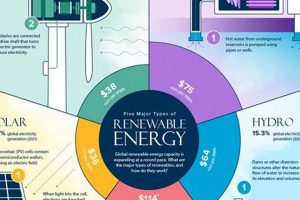
The expansion of clean energy sources like solar, wind, hydro, geothermal, and biomass power is transforming the global energy landscape. For instance, increased investment in solar panel technology has led to decreased costs and wider adoption, demonstrating the dynamic nature of this sector.
This transition toward cleaner energy sources offers significant advantages, including reduced greenhouse gas emissions, decreased reliance on finite fossil fuels, and the creation of new economic opportunities. Historically, energy production has been dominated by fossil fuels. However, growing environmental concerns and technological advancements are driving a shift towards sustainable alternatives, contributing to energy independence and security.
This article delves further into specific aspects of the clean energy transition, exploring its impact on various sectors, examining challenges and opportunities, and analyzing future projections for a more sustainable energy future.
Tips for Supporting the Expansion of Clean Energy
Promoting the wider adoption of sustainable energy sources requires a multifaceted approach. The following tips offer practical guidance for individuals, businesses, and policymakers.
Tip 1: Advocate for Supportive Policies: Engaging with local and national governments to advocate for policies that incentivize clean energy development, such as tax credits, feed-in tariffs, and renewable portfolio standards, is crucial for accelerating growth.
Tip 2: Invest in Clean Energy Technologies: Direct investment in renewable energy projects, whether through community solar initiatives, green bonds, or stock purchases in clean energy companies, can drive further innovation and deployment.
Tip 3: Reduce Energy Consumption: Implementing energy efficiency measures at home and in the workplace, such as using energy-efficient appliances, improving insulation, and optimizing heating and cooling systems, reduces overall energy demand and supports the transition.
Tip 4: Choose Renewable Energy Providers: Opting for electricity plans from providers that source power from renewable sources increases demand for clean energy and encourages further development.
Tip 5: Support Research and Development: Supporting research and development efforts focused on improving the efficiency and affordability of renewable energy technologies is essential for long-term sustainability.
Tip 6: Educate and Raise Awareness: Sharing information about the benefits of clean energy and promoting sustainable practices within communities can foster wider adoption and encourage behavioral changes.
Tip 7: Embrace Sustainable Transportation: Utilizing public transport, cycling, walking, or electric vehicles reduces reliance on fossil fuels in the transportation sector and contributes to overall emission reductions.
By adopting these strategies, individuals, businesses, and policymakers can collectively contribute to a faster and more effective transition towards a cleaner, more sustainable energy future. These actions not only mitigate environmental impact but also create economic opportunities and enhance energy security.
In conclusion, the transition to a cleaner energy future requires concerted effort and commitment from all stakeholders. The outlined strategies offer a pathway towards achieving this goal and realizing the numerous benefits of sustainable energy.
1. Technological Advancements

Technological advancements are fundamental to the accelerated expansion of renewable energy sources. Innovation across various sectors drives down costs, improves efficiency, and enhances the integration of these resources into existing energy infrastructure. This progress is essential for achieving a sustainable energy future.
- Improved Energy Conversion Efficiency
Advances in materials science and engineering have led to significant improvements in the efficiency of solar panels, wind turbines, and other renewable energy technologies. Higher conversion rates mean more electricity generated from the same amount of sunlight or wind, reducing costs and increasing overall output. For example, advancements in perovskite solar cell technology promise even higher efficiencies than traditional silicon-based cells.
- Energy Storage Solutions
Effective energy storage is crucial for addressing the intermittent nature of renewable sources like solar and wind. Developments in battery technology, pumped hydro storage, and other storage solutions enable the capture and release of energy as needed, ensuring grid stability and reliability. The increasing affordability and efficiency of lithium-ion batteries are a prime example of this progress.
- Smart Grid Technologies
Smart grid technologies optimize the distribution and management of electricity, enabling better integration of renewable energy sources. Advanced sensors, data analytics, and automated control systems enhance grid stability, predict energy demand, and minimize transmission losses. Smart grids facilitate the seamless flow of renewable energy from distributed sources to consumers.
- Advanced Materials and Manufacturing Processes
Innovations in materials science and manufacturing techniques contribute to the development of more durable, efficient, and cost-effective renewable energy components. For instance, lighter and stronger materials for wind turbine blades improve performance and reduce maintenance costs, while advancements in thin-film solar cell production streamline manufacturing processes.
These technological advancements, when combined with supportive policies and investment, are driving the rapid growth of renewable energy, paving the way for a cleaner and more sustainable energy future. Continued innovation in these areas will be critical for overcoming remaining challenges and achieving widespread adoption of clean energy technologies.
2. Investment and financing

Securing financial resources is crucial for driving the expansion of renewable energy. Investment and financing mechanisms play a pivotal role in deploying new projects, scaling up existing installations, and supporting technological innovation. The availability of capital and the development of innovative financing models are essential catalysts for sustainable energy development.
- Venture Capital and Private Equity
Venture capital and private equity investments provide critical funding for early-stage renewable energy companies and innovative technologies. These investments support research and development, pilot projects, and the commercialization of new solutions, fostering innovation and driving down costs over time. Examples include funding for startups developing advanced battery storage systems or next-generation solar panel technologies.
- Project Finance
Project finance plays a significant role in funding large-scale renewable energy projects, such as wind farms and solar power plants. This financing model relies on the projected future cash flows of the project to secure debt, mitigating risks for individual investors and enabling the development of capital-intensive projects. A common example is the financing of offshore wind farms through a combination of debt and equity.
- Green Bonds
Green bonds offer a way for investors to specifically support environmentally friendly projects, including renewable energy developments. These bonds provide capital for projects with demonstrable environmental benefits, attracting investors seeking both financial returns and positive environmental impact. The proceeds from green bonds can be used to finance a wide range of renewable energy projects, from solar installations to geothermal power plants.
- Government Incentives and Subsidies
Government incentives, such as tax credits, feed-in tariffs, and renewable portfolio standards, play a critical role in stimulating investment in renewable energy. These policies create favorable market conditions, reduce financial risks, and encourage private sector participation, accelerating the deployment of clean energy technologies. Examples include tax credits for residential solar installations or production tax credits for wind energy projects.
The interplay of these investment and financing mechanisms is essential for fostering continued growth in the renewable energy sector. Attracting capital, developing innovative financing models, and implementing supportive government policies are crucial for accelerating the transition to a sustainable energy future. The scale and pace of future renewable energy deployment depend significantly on the continued evolution and effectiveness of these financial instruments.
3. Policy and regulations

Government policies and regulations play a crucial role in shaping the trajectory of renewable energy growth. They create the framework within which the sector operates, influencing investment decisions, technological development, and market adoption. Effective policy instruments are essential for accelerating the transition to a sustainable energy future.
- Renewable Portfolio Standards (RPS)
RPS policies mandate that a certain percentage of electricity generation must come from renewable sources. These standards create demand for renewable energy, driving investment in new projects and stimulating market growth. For example, several states in the United States have implemented RPS targets, requiring utilities to procure a specified percentage of their electricity from renewables by a certain date. These policies have proven effective in accelerating renewable energy deployment within those states.
- Feed-in Tariffs (FITs)
FITs offer guaranteed prices for renewable energy fed into the grid. This provides price stability and reduces financial risks for investors, encouraging investment in renewable energy projects. Germany’s early adoption of FITs played a significant role in the country’s rapid growth in solar photovoltaic capacity. The guaranteed price incentivized homeowners and businesses to install solar panels, leading to widespread adoption.
- Tax Credits and Incentives
Tax credits, rebates, and other financial incentives reduce the upfront costs of renewable energy technologies, making them more accessible to consumers and businesses. These incentives stimulate market demand and accelerate the adoption of clean energy solutions. The federal Investment Tax Credit in the United States, for example, has been instrumental in driving the growth of the solar industry by providing a significant tax credit for solar installations.
- Carbon Pricing Mechanisms
Carbon pricing mechanisms, such as carbon taxes or cap-and-trade systems, internalize the environmental costs of fossil fuels, making renewable energy sources more competitive. By putting a price on carbon emissions, these policies create a financial incentive for businesses and consumers to switch to cleaner energy sources. The European Union Emissions Trading System is an example of a cap-and-trade system that has contributed to the growth of renewable energy in Europe.
The effectiveness of policies and regulations in driving renewable energy growth depends on their design, implementation, and enforcement. A comprehensive and consistent policy framework is crucial for creating a stable and predictable market environment, attracting investment, and achieving long-term sustainability goals. The interplay between these policy instruments is critical for shaping the future of the renewable energy sector and achieving a successful transition to a cleaner energy future.
4. Grid integration

Grid integration is crucial for maximizing the benefits of renewables growth. The ability to efficiently and reliably incorporate variable renewable energy sources, such as solar and wind power, into existing electricity grids is essential for achieving a sustainable energy future. Effective grid integration addresses the intermittent nature of these resources and ensures a stable and reliable electricity supply. For example, without sufficient grid infrastructure and advanced management systems, the fluctuating output of solar farms can create instability and reliability issues. Investing in grid modernization and smart grid technologies is therefore essential for enabling seamless integration and realizing the full potential of renewable energy.
Several key aspects of grid integration are particularly important for supporting renewables growth. These include: increased transmission capacity to accommodate the influx of renewable energy from often remote locations; advanced forecasting and scheduling tools to predict and manage the variability of renewable generation; and deployment of smart grid technologies, like real-time monitoring and dynamic control systems, to enhance grid flexibility and stability. For instance, Germany’s Energiewende, the country’s transition to renewable energy, has necessitated significant grid upgrades, including new high-voltage transmission lines to transport wind power from the north to industrial centers in the south. This example highlights the practical significance of grid integration in enabling the large-scale deployment of renewable energy.
Grid integration is not merely a technical challenge; it is a fundamental component of successful renewables growth. Addressing the complexities of integrating variable renewable energy sources into electricity grids is crucial for achieving decarbonization goals, enhancing energy security, and realizing the full economic and environmental benefits of the clean energy transition. Failure to invest in and prioritize grid modernization will hinder the growth of renewables and limit their contribution to a sustainable energy future. Continued investment and innovation in grid infrastructure and management systems are therefore paramount.
5. Public acceptance

Public acceptance plays a pivotal role in the successful growth of renewable energy. Widespread adoption of clean energy technologies depends not only on technological advancements and favorable policy environments but also on public perception, support, and engagement. Positive public opinion can drive political will for supportive policies, encourage private investment, and foster community acceptance of renewable energy projects. Conversely, negative perceptions or lack of public awareness can create barriers to implementation, leading to project delays, increased costs, and even project cancellations. Therefore, understanding and addressing public attitudes toward renewable energy is crucial for fostering its growth and achieving a sustainable energy transition.
The connection between public acceptance and renewables growth is multifaceted. Public support for renewable energy can manifest in various ways, including advocating for supportive policies, participating in community solar initiatives, adopting rooftop solar panels, and making conscious consumer choices that favor sustainable products and services. For instance, strong public support for offshore wind development in Denmark has contributed to the country’s leading position in the global offshore wind market. Conversely, community opposition to wind farms in some parts of the United States has led to project delays and cancellations, highlighting the practical significance of public acceptance in project success. Therefore, fostering public understanding of the benefits of renewable energy, addressing concerns about potential impacts, and ensuring community engagement in project development are essential strategies for achieving widespread adoption.
Building and maintaining public acceptance requires ongoing communication, education, and engagement. Transparency and inclusivity in project development processes are essential for building trust and addressing community concerns. Providing clear and accessible information about the benefits of renewable energy, as well as addressing potential environmental and social impacts, can foster understanding and promote positive perceptions. Furthermore, engaging local communities in project planning and implementation can empower individuals and create a sense of ownership, leading to greater acceptance and support. Ultimately, public acceptance is not merely a passive factor but an active driver of renewables growth, crucial for achieving a sustainable energy future.
6. Environmental Impact

The growth of renewable energy sources is inextricably linked to environmental impact. This connection represents a core driver for the transition to cleaner energy systems. Reduced greenhouse gas emissions represent a primary benefit, mitigating climate change and its associated risks. Transitioning from fossil fuels to renewable sources like solar, wind, and hydro significantly reduces carbon dioxide and other pollutant emissions, lessening air and water pollution. The life-cycle environmental impact of renewable energy technologies, including manufacturing, installation, operation, and decommissioning, is also a key consideration. While renewable energy sources generally have a lower environmental footprint than fossil fuels, responsible sourcing of materials, efficient manufacturing processes, and proper end-of-life management are crucial for minimizing potential negative impacts. For example, the production of solar panels requires energy and resources, and their eventual disposal must be managed responsibly to prevent environmental harm.
Furthermore, the shift to renewable energy positively impacts land use and biodiversity. While large-scale solar and wind farms can require significant land areas, they can often coexist with other land uses, such as agriculture or grazing. Moreover, the reduced reliance on fossil fuel extraction minimizes habitat destruction and pollution associated with mining and drilling. Offshore wind farms, for example, can create artificial reefs, providing habitats for marine life. Conversely, hydropower projects can alter river ecosystems and impact fish migration patterns, highlighting the need for careful planning and mitigation measures to minimize ecological disruption. Understanding these nuanced impacts is crucial for responsible renewable energy development.
In conclusion, the environmental impact of renewables growth encompasses a range of factors extending beyond emissions reductions. Considering the full life-cycle impacts of renewable energy technologies and their interactions with ecosystems is essential for sustainable development. While challenges remain, the overall environmental benefits of transitioning to renewable energy are substantial, contributing to a healthier planet and a more sustainable future. Addressing these complex interactions requires ongoing research, innovation, and responsible policymaking to maximize the positive environmental outcomes of the clean energy transition.
7. Geopolitical Influence

The growth of renewable energy exerts a profound influence on geopolitical dynamics, reshaping international relations, energy security strategies, and economic competition. The transition away from fossil fuels disrupts established power structures and creates new opportunities for countries with abundant renewable resources. Understanding the geopolitical implications of this energy transition is crucial for navigating the evolving global landscape.
- Energy Independence and Security
Renewable energy sources offer countries the potential to reduce their reliance on imported fossil fuels, enhancing energy independence and security. This is particularly relevant for nations heavily dependent on volatile global energy markets. For example, the European Union’s pursuit of renewable energy is partly driven by the desire to reduce its dependence on Russian natural gas. This shift towards domestic renewable resources can strengthen national energy security and reduce vulnerability to geopolitical instability.
- Shifting Global Power Dynamics
The transition to renewable energy has the potential to reshape global power dynamics. Countries with abundant solar, wind, or geothermal resources may gain economic and political leverage, while those heavily reliant on fossil fuel exports may face economic challenges. China’s dominance in the manufacturing of solar panels, for example, has given it a significant advantage in the global renewable energy market, influencing international trade and investment flows.
- International Cooperation and Competition
Renewables growth can foster both international cooperation and competition. Collaboration on research and development, technology transfer, and investment in renewable energy projects can accelerate the global energy transition. However, competition for market share in the renewable energy sector can also create tensions between countries. The International Solar Alliance, for example, promotes cooperation among countries with high solar potential, while trade disputes over solar panel imports highlight the competitive aspects of the industry.
- Climate Change Diplomacy
Renewable energy plays a central role in international climate change negotiations. Countries’ commitments to reducing greenhouse gas emissions and transitioning to cleaner energy sources are key components of global climate agreements. The Paris Agreement, for instance, sets targets for emissions reductions and encourages international collaboration on climate action, with renewable energy playing a crucial role in achieving these goals. The growth of renewables therefore significantly influences international diplomacy and cooperation on climate change mitigation.
In conclusion, the geopolitical implications of renewables growth are far-reaching and multifaceted. The shift towards renewable energy is reshaping international relations, influencing energy security strategies, and creating new opportunities for economic growth and global cooperation. Understanding these complex dynamics is essential for navigating the evolving global landscape and ensuring a sustainable energy future.
Frequently Asked Questions about the Expansion of Renewable Energy
This section addresses common inquiries regarding the increasing adoption of renewable energy sources, aiming to provide clear and concise information.
Question 1: What are the primary barriers to wider adoption of renewable energy?
While costs have decreased significantly, upfront investment costs for renewable energy technologies can still be a barrier. Intermittency of sources like solar and wind necessitates energy storage solutions or grid management strategies. Public acceptance, regulatory hurdles, and infrastructure limitations also pose challenges.
Question 2: How does the intermittency of renewable energy sources affect grid reliability?
Grid stability is maintained through a combination of energy storage, grid management technologies, and diversification of renewable energy sources. Predictive modeling and smart grids help balance supply and demand, ensuring reliable electricity delivery even with variable renewable generation.
Question 3: What is the role of government policy in promoting renewable energy growth?
Supportive government policies, such as renewable portfolio standards, feed-in tariffs, tax incentives, and carbon pricing mechanisms, create favorable market conditions, stimulate investment, and accelerate the deployment of renewable energy technologies.
Question 4: What are the economic benefits of transitioning to renewable energy?
The transition to renewable energy creates new jobs in manufacturing, installation, maintenance, and research. It also stimulates economic growth, reduces reliance on imported fossil fuels, and stabilizes energy prices, benefiting consumers and businesses.
Question 5: How does renewable energy contribute to climate change mitigation?
Renewable energy sources produce little to no greenhouse gas emissions during operation, significantly reducing the carbon footprint of electricity generation and mitigating the impacts of climate change. This transition is essential for achieving global climate goals.
Question 6: What are the environmental impacts of renewable energy technologies beyond emissions reductions?
Land use, water usage, and potential impacts on wildlife are important considerations. Life-cycle assessments of renewable energy technologies help minimize environmental impacts through responsible sourcing, manufacturing, and end-of-life management.
Understanding these key aspects of renewable energy growth is crucial for informed decision-making and effective policy implementation. Addressing these challenges and capitalizing on opportunities will accelerate the transition to a sustainable energy future.
Further exploration of specific renewable energy technologies and their respective contributions to the global energy transition follows.
Renewables Growth
This exploration of the expansion of renewable energy sources has highlighted its multifaceted nature, encompassing technological advancements, investment strategies, policy frameworks, grid integration complexities, public acceptance dynamics, environmental impacts, and geopolitical influences. The transition toward cleaner energy systems presents both challenges and opportunities, requiring careful consideration of each element to ensure a successful and sustainable outcome. From driving down costs through technological innovation to shaping international relations through energy independence, the growth of renewables is transforming the global energy landscape.
The continued expansion of renewable energy capacity is not merely a technological or economic endeavor; it is a fundamental shift towards a more sustainable future. Addressing the challenges of grid integration, fostering public acceptance, and implementing supportive policies are crucial steps in realizing the full potential of clean energy. The future of energy lies in the continued growth of renewables, offering a pathway towards a cleaner, more secure, and sustainable world. The transition requires collective action, informed decision-making, and a commitment to innovation to unlock the transformative power of sustainable energy and secure a brighter future for generations to come.