Sources that replenish naturally over a relatively short period are the foundation of sustainable power generation. Examples include solar, wind, hydro, geothermal, and biomass. These resources offer a perpetual supply of energy, unlike finite fossil fuels.
Harnessing these naturally replenishing resources offers significant advantages. It reduces reliance on depleting fossil fuels, mitigating the environmental impact of energy production. Historically, societies depended on unsustainable resources, but the growing awareness of climate change and the finite nature of fossil fuels has driven a global shift towards these cleaner alternatives.
This article will further explore specific types of sustainable energy sources, examining their technological development, economic viability, and role in the global transition to a cleaner energy future.
Tips for Supporting Sustainable Power
The transition to a cleaner energy future requires collective effort. Individuals and communities can contribute significantly through informed choices and proactive measures.
Tip 1: Invest in Energy-Efficient Appliances: Choosing appliances with high energy-efficiency ratings reduces overall energy consumption and lowers long-term costs.
Tip 2: Support Sustainable Energy Initiatives: Advocate for policies and projects that promote the development and adoption of clean energy technologies.
Tip 3: Reduce Energy Consumption at Home: Simple measures like turning off lights when leaving a room and unplugging electronics can cumulatively save significant amounts of energy.
Tip 4: Explore Rooftop Solar Installations: Generating electricity at home through solar panels reduces reliance on the grid and lowers carbon footprint.
Tip 5: Consider Electric Vehicles: Shifting to electric vehicles powered by sustainable sources minimizes reliance on fossil fuels in the transportation sector.
Tip 6: Educate Others About Sustainable Practices: Sharing knowledge about the benefits and importance of clean energy encourages wider adoption and fosters community involvement.
Tip 7: Support Businesses Committed to Sustainability: Choosing to patronize businesses that prioritize sustainable practices incentivizes further corporate responsibility.
By embracing these tips, individuals contribute to a more sustainable future and accelerate the global transition towards cleaner energy.
The transition to a future powered by sustainable resources requires continuous innovation and collaborative efforts. The following section will explore future trends and ongoing research in clean energy technologies.
1. Sustainable Source

The concept of a “sustainable source” is fundamental to understanding renewable energy. It represents the ability of an energy source to replenish itself naturally over a timeframe relevant to human consumption, ensuring a continuous supply without depletion. This stands in stark contrast to finite resources like fossil fuels, which are ultimately unsustainable.
- Resource Replenishment:
Sustainable sources replenish themselves through natural processes. Solar energy is constantly renewed by the sun’s radiation, while wind energy relies on atmospheric circulation driven by temperature differences. Hydropower leverages the water cycle, and geothermal energy harnesses the Earth’s internal heat. This continuous replenishment ensures a long-term energy supply, unlike fossil fuels, which are extracted at rates far exceeding their natural replenishment.
- Environmental Impact:
Sustainable sources generally have a significantly lower environmental impact compared to fossil fuels. While some renewable energy technologies have localized environmental effects (e.g., land use for solar farms, alterations to river flow for hydropower), they avoid the widespread and severe consequences associated with fossil fuel extraction and combustion, such as air and water pollution, greenhouse gas emissions, and habitat destruction.
- Long-Term Energy Security:
Reliance on sustainable sources enhances long-term energy security. By diversifying energy portfolios with resources not subject to geopolitical instability or price volatility associated with finite resources, nations can achieve greater energy independence and resilience.
- Economic Opportunities:
The development and deployment of sustainable energy technologies create economic opportunities. New industries emerge around manufacturing, installation, maintenance, and research, generating jobs and stimulating economic growth. Furthermore, the decentralized nature of many renewable energy technologies can empower local communities and foster economic development in rural areas.
These facets of sustainability highlight the critical role renewable energy plays in creating a secure, environmentally sound, and economically viable energy future. Transitioning away from finite resources towards sustainable sources is essential for mitigating climate change, ensuring long-term energy access, and fostering a more sustainable global economy.
2. Reduces Emissions

A primary driver for the transition to renewable energy sources is their potential to significantly reduce greenhouse gas emissions. The combustion of fossil fuels for energy production is a major contributor to climate change. Renewable energy technologies offer a pathway to decarbonize the energy sector and mitigate the environmental consequences of conventional energy generation.
- Mitigation of Greenhouse Gases:
Renewable energy sources produce little to no greenhouse gas emissions during operation. Unlike fossil fuel power plants, which release large amounts of carbon dioxide, methane, and other pollutants into the atmosphere, renewable energy technologies like solar and wind power generate electricity without direct emissions. This fundamental difference is crucial for mitigating climate change and reducing air pollution.
- Life-Cycle Emissions:
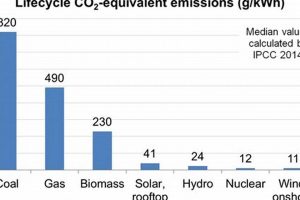
While the operational emissions of renewable energy technologies are minimal, it’s important to consider the emissions associated with their entire life cycle, including manufacturing, installation, and decommissioning. Life-cycle assessments reveal that the overall emissions from renewable energy sources are still significantly lower than those from fossil fuels. For example, the carbon footprint of a solar panel over its lifetime is substantially smaller than the emissions from burning coal to generate an equivalent amount of electricity. Continuous improvements in manufacturing processes and recycling technologies further reduce the life-cycle emissions of renewable energy systems.
- Air Quality Improvement:
Reduced reliance on fossil fuels through the adoption of renewable energy leads to improved air quality. Fossil fuel combustion releases pollutants that contribute to respiratory problems and other health issues. Transitioning to cleaner energy sources mitigates these adverse effects, creating healthier environments and reducing public health burdens.
- Decarbonizing Various Sectors:
Renewable energy can decarbonize not only electricity generation but also other sectors like transportation and heating. Electric vehicles powered by renewable electricity offer a cleaner alternative to gasoline-powered cars, and renewable-based heating systems reduce reliance on fossil fuels for space and water heating. This cross-sectoral application of renewable energy is crucial for achieving comprehensive emissions reductions and transitioning towards a sustainable energy system.
The reduced emissions profile of renewable energy is central to its role in addressing climate change and creating a sustainable energy future. By displacing fossil fuels, renewable energy technologies mitigate greenhouse gas emissions, improve air quality, and contribute to a healthier planet. Continued innovation and deployment of these technologies are essential for achieving global climate goals and ensuring a sustainable energy future for generations to come.
3. Combats Climate Change

The link between renewable energy and climate change mitigation is fundamental. Climate change, driven largely by greenhouse gas emissions from the burning of fossil fuels, presents a significant threat to global ecosystems and human societies. Renewable energy technologies offer a crucial pathway to decarbonize the energy sector and mitigate the impacts of climate change.
The causal relationship is straightforward: fossil fuel combustion releases greenhouse gases, primarily carbon dioxide, which trap heat in the atmosphere, leading to global warming and associated climate disruptions. Renewable energy sources, in contrast, produce little to no greenhouse gas emissions during operation. Replacing fossil fuel-based power generation with renewable alternatives directly reduces the amount of greenhouse gases entering the atmosphere, thereby mitigating the driving force behind climate change. Real-world examples abound, from the rapid growth of solar and wind capacity in countries like China and the United States to the increasing adoption of electric vehicles powered by renewable electricity. These transitions demonstrate the tangible impact of renewable energy on reducing emissions and combating climate change.
The practical significance of understanding this connection is paramount. Transitioning to a renewable energy-based economy is not merely an environmental imperative but a necessity for ensuring a sustainable future. The continued reliance on fossil fuels exacerbates climate change, leading to more frequent and intense extreme weather events, sea-level rise, and disruptions to ecosystems and agricultural systems. Embracing renewable energy is a critical step towards mitigating these risks and building a more resilient and sustainable future. While challenges remain in terms of infrastructure development, technological advancements, and policy implementation, the urgency of addressing climate change underscores the critical need to accelerate the transition to a renewable energy future.
4. Energy Independence
Energy independence represents a nation’s capacity to meet its energy demands without relying on imported fuels. Renewable energy sources play a crucial role in achieving this objective, offering a domestically available and sustainable alternative to imported fossil fuels. This shift reduces vulnerability to geopolitical instability and price fluctuations associated with the global fossil fuel market.
- Reduced Reliance on Imports:
Renewable energy sources, being domestically available, decrease a nation’s dependence on imported fossil fuels. This reduces vulnerability to supply disruptions caused by geopolitical events or international market fluctuations. For example, countries with significant solar and wind resources can generate a larger portion of their electricity domestically, reducing their reliance on imported oil and natural gas.
- Enhanced Energy Security:
Diversifying energy sources with renewables enhances energy security. Over-reliance on a single source, especially imported fossil fuels, creates vulnerabilities. Renewable energy provides a more secure foundation for the energy sector, lessening the impact of potential disruptions to fossil fuel supply chains.
- Price Stability:
Renewable energy can contribute to greater price stability in the energy market. Fossil fuel prices are subject to global market forces and geopolitical events, leading to price volatility. Renewable energy sources, once established, have predictable and stable operating costs, offering greater price stability for consumers and businesses.
- Economic Benefits:
Investing in renewable energy creates domestic economic opportunities. Jobs are generated in manufacturing, installation, maintenance, and research related to renewable energy technologies. This stimulates economic growth and reduces the outflow of capital associated with importing fossil fuels.
The pursuit of energy independence through renewable energy strengthens national energy security, fosters economic growth, and reduces vulnerability to external factors. By transitioning to a more diversified and sustainable energy portfolio, nations can enhance their resilience and create a more secure energy future. This shift requires strategic investments in renewable energy infrastructure, supportive policies, and ongoing research and development to maximize the potential of these resources.
5. Economic Growth
Renewable energy sources are increasingly recognized as drivers of economic growth, offering diverse avenues for job creation, investment, and innovation. The transition from fossil fuels to renewable energy necessitates significant investments in infrastructure, manufacturing, research, and development. This creates employment opportunities across the supply chain, from manufacturing solar panels and wind turbines to installing and maintaining renewable energy systems. Furthermore, the decentralized nature of many renewable energy technologies fosters local economic development, particularly in rural areas, by creating jobs and generating revenue for local communities. Real-world examples illustrate this connection, such as the growth of the solar industry in the United States, which has created hundreds of thousands of jobs, and the emergence of new industries around battery storage and smart grid technologies.
Beyond job creation, renewable energy stimulates economic activity by attracting investment. As the cost of renewable energy technologies continues to decline, investment in the sector has surged. This influx of capital fuels innovation, drives technological advancements, and creates new market opportunities. The shift to renewable energy also enhances energy security by reducing reliance on imported fossil fuels, freeing up capital that can be reinvested in domestic economies. Moreover, the adoption of renewable energy can lower energy costs for businesses and consumers, increasing disposable income and stimulating economic activity. For example, businesses that install solar panels can reduce their electricity bills, freeing up capital for investment and expansion. Similarly, homeowners who switch to solar power can save money on their energy costs, increasing their purchasing power.
Understanding the connection between renewable energy and economic growth is crucial for policymakers, businesses, and investors. Promoting policies that incentivize renewable energy development and adoption can unlock significant economic benefits, creating jobs, attracting investment, and driving innovation. Furthermore, recognizing the economic opportunities associated with the renewable energy transition can encourage businesses to invest in clean energy technologies and contribute to a more sustainable future. While challenges remain in terms of grid integration, infrastructure development, and workforce training, the economic advantages of renewable energy are increasingly evident, making it a key driver of sustainable economic growth in the 21st century.
Frequently Asked Questions about Renewable Energy
This section addresses common inquiries regarding renewable energy sources, aiming to provide clear and concise information.
Question 1: What constitutes a renewable energy source?
Renewable energy sources are naturally replenished over a relatively short period. Examples include solar, wind, hydro, geothermal, and biomass. These resources contrast with finite fossil fuels, which are depletable.
Question 2: How does renewable energy contribute to climate change mitigation?
Renewable energy technologies generate electricity with significantly lower greenhouse gas emissions compared to fossil fuel combustion. This reduction in emissions helps mitigate climate change by limiting the increase in atmospheric greenhouse gas concentrations.
Question 3: What are the primary economic benefits of transitioning to renewable energy?
The renewable energy sector creates jobs in manufacturing, installation, maintenance, and research. It also attracts investment, stimulates innovation, and can reduce energy costs for consumers and businesses.
Question 4: Does renewable energy compromise energy reliability and grid stability?
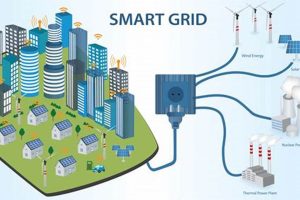
Grid management technologies and energy storage solutions are continuously evolving to address the intermittency of some renewable sources like solar and wind. These advancements enhance grid stability and ensure reliable power supply.
Question 5: What are the environmental impacts associated with renewable energy technologies?
While generally considered environmentally friendly, renewable energy technologies can have localized impacts. These may include land use considerations for solar and wind farms or alterations to water flow for hydropower projects. Environmental impact assessments are conducted to minimize and mitigate these effects.
Question 6: How can individuals contribute to the growth of the renewable energy sector?
Individuals can support renewable energy by adopting energy-efficient practices, investing in renewable energy technologies for their homes, advocating for supportive policies, and choosing to patronize businesses committed to sustainability.
Understanding the benefits and addressing common concerns surrounding renewable energy are crucial steps in promoting wider adoption and accelerating the global transition to a sustainable energy future.
The following section will delve into specific case studies of successful renewable energy integration projects worldwide.
Conclusion
Sustainable sources of power generation offer a multifaceted solution to the pressing challenges of climate change, energy security, and economic development. This exploration has highlighted the critical role these resources play in mitigating greenhouse gas emissions, reducing reliance on finite fossil fuels, and fostering economic growth through job creation and investment. From the continuous replenishment of solar and wind energy to the reliable baseload power provided by geothermal and hydropower, these technologies offer a diverse and increasingly viable pathway to a cleaner energy future. The examination of their economic benefits, environmental impacts, and potential for enhancing energy independence underscores their significance in the global transition towards sustainability.
The transition to a future powered by sustainable energy requires concerted global action, continuous innovation, and sustained investment. The choices made today will determine the energy landscape of tomorrow, impacting not only the environment but also global economies and societal well-being. Embracing these resources represents not merely a technological shift but a fundamental commitment to a more sustainable and prosperous future for all.