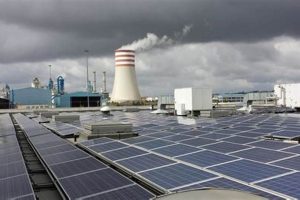
This investment vehicle focuses on acquiring and managing income-generating renewable energy projects, such as solar and wind farms. These projects often involve long-term contracts to sell power, providing a stable revenue stream. For example, a portfolio might include a solar farm supplying electricity to a utility company under a 20-year agreement.
Such investment strategies offer several potential advantages. They contribute to the transition to a cleaner energy infrastructure, mitigating the effects of climate change. Furthermore, the predictable cash flows from these projects can offer investors a relatively stable income stream, potentially diversifying their portfolios and mitigating risk. The growing awareness of environmental, social, and governance (ESG) factors has also increased interest in this type of investment.
This background provides a foundation for understanding the broader discussion around sustainable investments, the economics of renewable energy, and the evolving landscape of the energy sector. The following sections will delve deeper into specific aspects of these interconnected topics.
Tips for Sustainable Investing
Careful consideration of various factors is crucial for successful and responsible investment in renewable energy infrastructure projects. The following tips offer guidance for navigating this complex landscape.
Tip 1: Diversify across technologies and geographies. A diversified portfolio can mitigate risks associated with specific technologies (e.g., solar, wind, hydro) or regional regulatory changes. For example, consider investments in both onshore and offshore wind projects located in different regions.
Tip 2: Understand the project’s revenue model. Evaluate the long-term contracts associated with the project, including the counterparty’s creditworthiness and the contract terms. A stable offtake agreement with a reputable utility company can contribute to predictable cash flows.
Tip 3: Assess the project’s environmental and social impact. Consider the project’s impact on local communities and ecosystems. Thorough due diligence should involve reviewing environmental impact assessments and community engagement plans.
Tip 4: Evaluate the management team’s experience. The success of a project relies heavily on the experience and expertise of the management team. Investigate the team’s track record in developing and operating similar renewable energy projects.
Tip 5: Consider the long-term market outlook. Analyze the long-term prospects for the specific renewable energy sector. Government policies, technological advancements, and energy demand projections can influence future profitability.
Tip 6: Seek professional financial advice. Navigating the complexities of these investments requires specialized knowledge. Consult with a financial advisor experienced in sustainable investments to align your portfolio with your financial goals and risk tolerance.
By carefully considering these factors, investors can make informed decisions and contribute to a more sustainable future while potentially achieving their financial objectives.
These insights provide a practical framework for evaluating sustainable investment opportunities. The concluding section will summarize the key takeaways and offer final recommendations for those seeking to participate in the transition to a cleaner energy future.
1. Renewable Energy Investment

Renewable energy investment forms the core strategy of certain specialized funds. These funds channel capital towards projects that generate electricity from renewable sources like solar, wind, hydro, and geothermal. Understanding the various facets of renewable energy investment is crucial for comprehending the overall function and potential benefits of such funds.
- Project Development
Investing in the development phase of renewable energy projects entails significant capital outlay but offers potentially higher returns. This stage involves activities like site acquisition, permitting, and initial construction. For example, funding the development of a large-scale solar farm from initial planning to operational status represents a development-stage investment. This stage carries higher risk but also the potential for significant returns as the project matures and begins generating revenue.
- Operating Assets
Acquiring operational renewable energy projects provides a more stable income stream. These projects typically have long-term power purchase agreements in place, securing revenue for an extended period. Purchasing a stake in an existing wind farm with a 20-year contract to sell electricity to a utility company exemplifies this investment approach. This approach offers lower risk and more predictable returns compared to development-stage investments.
- Technology Diversification
Diversifying investments across different renewable energy technologies mitigates technology-specific risks. A portfolio might include investments in solar photovoltaic, wind turbines, and hydropower facilities. This diversification reduces the impact of potential setbacks or regulatory changes affecting a particular technology. For instance, adverse weather conditions impacting solar power generation might be offset by steady performance from wind assets within the same portfolio.
- Geographical Diversification
Spreading investments across various geographical regions minimizes risks associated with localized regulatory changes or environmental events. A fund might invest in projects across different states or countries, reducing the portfolio’s vulnerability to policy shifts or natural disasters affecting a single region. Investing in solar projects in both the southwestern United States and in Europe provides geographical diversification and reduces the portfolio’s dependence on the regulatory environment or weather patterns of a single location.
These diverse facets of renewable energy investment contribute to the overall performance and risk profile of specialized investment funds. By understanding these elements, investors can gain a more comprehensive perspective on how such funds operate and their potential role within a broader investment strategy.
2. Sustainable Infrastructure

Sustainable infrastructure plays a crucial role in strategies focused on renewable energy investments. These investments often target assets that contribute to a more sustainable and resilient infrastructure system, aligning with long-term environmental and economic goals. Examining the key facets of sustainable infrastructure provides a deeper understanding of its connection to such investment strategies.
- Renewable Energy Generation
Renewable energy generation assets, such as solar and wind farms, form the foundation of sustainable infrastructure within this context. These projects displace fossil fuel-based power generation, reducing greenhouse gas emissions and promoting energy independence. For example, a wind farm funded through such an investment strategy directly contributes to a cleaner energy grid and reduces reliance on finite resources. The long-term contracts associated with these projects also provide stable, predictable revenue streams.
- Grid Modernization
Investments in grid modernization are essential for integrating renewable energy sources effectively. Upgrading transmission lines and implementing smart grid technologies enhance grid stability and accommodate the intermittent nature of solar and wind power. Investing in advanced grid management systems, for instance, optimizes energy distribution and reduces transmission losses, maximizing the impact of renewable energy generation. This contributes to a more resilient and efficient energy system.
- Energy Storage Solutions
Energy storage technologies, such as batteries and pumped hydro, address the intermittency challenges of renewable energy. Storing excess energy generated during peak production periods allows for its use during times of lower generation or higher demand, ensuring grid stability and reliability. Funding the development of large-scale battery storage facilities, for example, complements renewable energy generation and facilitates a smoother transition to a cleaner energy system. This enhances the value and reliability of renewable energy assets.
- Sustainable Transportation Infrastructure
Sustainable transportation infrastructure, including electric vehicle charging stations and electrified public transit systems, supports the decarbonization of the transportation sector. Investments in these areas further reduce reliance on fossil fuels and contribute to cleaner air quality. For example, funding the expansion of electric vehicle charging networks complements investments in renewable energy generation by creating demand for clean electricity. This interconnected approach fosters a more comprehensive and sustainable infrastructure system.
These interconnected facets of sustainable infrastructure demonstrate the comprehensive nature of investments in renewable energy strategies. By targeting assets that contribute to a more sustainable and resilient infrastructure system, these investment vehicles play a critical role in the global transition to a cleaner and more secure energy future. Furthermore, the long-term nature of these infrastructure investments aligns well with the long-term investment horizons of many institutional investors, contributing to both financial and societal benefits.
3. Income Generation

Income generation represents a central objective for investors in renewable energy infrastructure funds. These funds aim to provide a stable and predictable income stream derived from the operation of renewable energy projects. The long-term contracts typical of these projects, often power purchase agreements (PPAs) with utilities or corporations, underpin this income generation. For example, a solar farm within a fund’s portfolio might have a 20-year PPA in place, guaranteeing a fixed price for the electricity generated. This predictable revenue stream allows the fund to distribute consistent returns to investors.
The structure of these investments typically involves long-term ownership and operation of the underlying assets. This contrasts with strategies focused on short-term trading or speculative investments. The emphasis on long-term, contracted revenue streams contributes to the stability and predictability of the income generated. Furthermore, the operational nature of the assets means that income generation is directly tied to the performance of the underlying projects. Factors such as weather patterns, equipment maintenance, and grid availability can influence actual output and, consequently, revenue. Robust risk management strategies, including diversification across geographies and technologies, mitigate these operational risks and enhance the reliability of income generation.
Understanding the mechanics of income generation within a renewable energy infrastructure fund is essential for investors. The consistent and predictable nature of this income, driven by long-term contracts, offers potential portfolio diversification and a stable return profile. However, factors influencing project performance, such as regulatory changes and technological advancements, must also be considered. A thorough assessment of these factors, coupled with an understanding of the fund’s investment strategy and risk management practices, empowers investors to make informed decisions aligned with their long-term financial goals. This awareness is crucial in navigating the complexities of the renewable energy investment landscape.
4. Portfolio Diversification

Portfolio diversification is a crucial aspect of risk management within investment strategies, and specialized renewable energy funds offer a distinct avenue for achieving this diversification. Allocating a portion of a portfolio to such a fund can reduce overall portfolio volatility due to the generally uncorrelated nature of renewable energy investments compared to traditional asset classes like stocks and bonds. This lack of correlation stems from the fact that renewable energy project returns are driven by factors such as energy demand, government policies, and weather patterns, which are largely independent of the economic forces influencing traditional markets.
- Technology Diversification
Renewable energy funds often invest in a mix of technologies, including solar, wind, hydro, and geothermal. This diversification within the renewable energy sector itself mitigates technology-specific risks. For instance, a downturn in the solar market might be offset by strong performance in the wind energy sector. This internal diversification enhances the stability of the fund’s overall returns.
- Geographical Diversification
Investing in projects across diverse geographical locations reduces the impact of regional events, such as regulatory changes or natural disasters. A fund with projects in multiple states or countries is less vulnerable to policy shifts or extreme weather events affecting a single region. This geographical spread contributes to more consistent performance and reduces overall portfolio risk.
- Project Stage Diversification
Some funds diversify across different project stages, investing in both developing and operational projects. This approach balances higher-risk, higher-return development-stage investments with the stable income stream from operational assets. Such a balanced approach can smooth out overall returns and manage risk across the portfolio.
- Counterparty Diversification
Renewable energy projects typically involve long-term power purchase agreements (PPAs) with utilities or corporations. A diversified fund will have PPAs with multiple counterparties, reducing the risk associated with any single counterparty’s financial difficulties. This diversification of offtake agreements enhances the reliability of the fund’s income stream and mitigates potential losses from counterparty default.
By offering these diversification opportunities, specialized renewable energy funds can play a significant role in enhancing overall portfolio stability and reducing risk. The unique drivers of renewable energy returns, combined with the potential for internal diversification within the sector, provide investors with a valuable tool for managing portfolio volatility and achieving long-term financial goals while contributing to a more sustainable future. This approach aligns with the growing emphasis on ESG factors and the increasing demand for investment strategies that balance financial returns with societal impact.
5. Long-Term Growth

Long-term growth potential represents a significant attraction for investors considering renewable energy infrastructure funds. Several factors contribute to this potential, including the expanding demand for clean energy, supportive government policies, and declining technology costs. The transition to a lower-carbon economy is a long-term structural shift, creating sustained demand for renewable energy sources. Governmental incentives, such as tax credits and subsidies, further encourage investment in these technologies, contributing to market expansion. Moreover, continuous technological advancements drive down the costs of renewable energy generation, making it increasingly competitive with traditional fossil fuels. For instance, the declining cost of solar photovoltaic panels has spurred significant growth in solar energy adoption globally. This confluence of factors creates a favorable environment for long-term growth within the renewable energy sector.
Renewable energy infrastructure projects typically involve long-term contracts, often spanning decades. These contracts provide a stable revenue stream, supporting predictable cash flows and facilitating long-term financial planning. This long-term contractual structure also aligns well with the investment horizons of many institutional investors, such as pension funds and insurance companies, seeking stable, long-term returns. Furthermore, the finite nature of fossil fuels and growing concerns about climate change contribute to the long-term viability of renewable energy investments. As the world transitions away from fossil fuels, renewable energy sources are poised to play an increasingly critical role in meeting global energy demands. This transition supports the long-term growth trajectory of the sector and enhances the value of renewable energy assets. For example, increasing corporate commitments to renewable energy procurement create a growing market for the output of renewable energy projects, further supporting long-term growth.
In summary, the long-term growth potential associated with renewable energy infrastructure funds stems from a combination of factors, including increasing demand, supportive policies, and technological advancements. The long-term contracts characteristic of these projects provide stable cash flows and align with the long-term investment horizons of many investors. The ongoing global transition to a lower-carbon economy further reinforces the long-term viability of renewable energy as a critical component of the future energy landscape. However, potential challenges, such as regulatory changes and grid infrastructure limitations, must be carefully considered. Understanding these dynamics enables investors to evaluate the long-term growth prospects of these funds and integrate them strategically within a diversified portfolio seeking both financial returns and positive environmental impact. This integrated approach recognizes the interconnectedness of long-term economic growth and environmental sustainability.
Frequently Asked Questions
This section addresses common inquiries regarding investments focused on renewable energy infrastructure projects. Clear and concise answers provide a deeper understanding of this complex area.
Question 1: What types of renewable energy projects are typically included in these portfolios?
Investments often target established technologies such as solar photovoltaic (PV) systems, onshore and offshore wind farms, and hydroelectric facilities. Some portfolios might also include emerging technologies like battery storage or geothermal energy, depending on the fund’s specific strategy.
Question 2: How do these investments generate income for investors?
Revenue is primarily generated through long-term power purchase agreements (PPAs). These contracts stipulate the sale of generated electricity to utilities or corporations at a pre-determined price over an extended period, typically 15-25 years, creating a predictable income stream.
Question 3: What are the key risks associated with these investments?
Risks include regulatory changes impacting incentives or permitting processes, fluctuations in energy prices, operational risks associated with project performance, and potential counterparty default on PPAs. Geographic and technological diversification within a portfolio mitigates some of these risks.
Question 4: How liquid are these investments?
Liquidity can be lower compared to publicly traded stocks or bonds. These investments are typically held for longer periods, aligning with the long-term nature of the underlying infrastructure assets. Redemption options vary depending on the specific fund structure.
Question 5: What is the typical investment horizon for these types of funds?
Given the long-term nature of renewable energy infrastructure projects and associated contracts, the typical investment horizon is long-term, often spanning several years or even decades. This aligns with the long-term goals of many institutional investors.
Question 6: How do these investments align with environmental, social, and governance (ESG) principles?
Investing in renewable energy infrastructure directly supports the transition to a lower-carbon economy, reducing greenhouse gas emissions and promoting environmental sustainability. These investments can also contribute positively to local communities through job creation and economic development, aligning with broader ESG objectives.
Understanding these key aspects is crucial for making informed investment decisions. Thorough due diligence and careful consideration of individual financial goals and risk tolerance remain paramount.
For further information on specific investment opportunities and detailed risk assessments, consult with a qualified financial advisor specializing in sustainable investments. Additional resources and industry publications can provide deeper insights into this evolving field.
Conclusion
Investing in renewable energy infrastructure offers a compelling opportunity to participate in the global transition to a sustainable energy future. A diversified portfolio of renewable energy projects, encompassing various technologies and geographies, can provide stable, long-term income streams while mitigating risks. Careful consideration of factors such as project development stage, contractual agreements, and regulatory frameworks is crucial for successful investment in this evolving landscape. The Greenbacker Renewable Energy Fund exemplifies this approach, focusing on income-generating renewable energy projects and contributing to a more sustainable infrastructure.
As the demand for clean energy continues to grow, driven by climate change concerns and technological advancements, the importance of sustainable investments will only intensify. The transition to a lower-carbon economy presents both challenges and opportunities. Strategic allocation to renewable energy infrastructure represents not only a sound financial strategy but also a commitment to a more sustainable future. Thorough due diligence and alignment with individual investment goals remain essential for navigating this dynamic landscape and contributing to a more resilient and prosperous future.