A price estimate for renewable energy systems, encompassing solar, wind, hydro, geothermal, and biomass, typically outlines the projected cost of equipment, installation, permitting, and other associated expenses. For example, a prospective solar panel installation quote might detail panel type, wattage, inverter specifications, mounting hardware, labor costs, and estimated energy production. These assessments serve as a crucial tool for consumers and businesses evaluating the financial feasibility of transitioning to sustainable energy sources.
Accurate cost projections facilitate informed decision-making. They allow individuals and organizations to compare different renewable energy options, assess potential return on investment, and secure financing. Historically, the cost of renewable energy technologies has decreased significantly, making them increasingly competitive with traditional fossil fuels. This shift has driven broader adoption and contributed to global efforts to mitigate climate change. Transparent pricing fosters trust between consumers and providers, supporting the growth of the renewable energy sector.
The following sections will delve into specific aspects of pricing renewable energy systems, covering factors that influence cost, available incentives and rebates, and strategies for obtaining competitive quotes. This information will empower readers to navigate the complexities of renewable energy procurement and make sound investments in a sustainable future.
Tips for Obtaining and Evaluating Renewable Energy System Quotes
Securing accurate and competitive cost assessments is crucial for successful renewable energy project implementation. The following tips provide guidance for this process.
Tip 1: Obtain Multiple Quotes: Contacting several reputable installers ensures a comprehensive market overview and facilitates price comparison. This allows for identification of the most cost-effective option that meets specific project requirements.
Tip 2: Specify Energy Needs: Clearly define projected energy consumption to ensure the proposed system adequately addresses anticipated demand. This includes providing historical energy usage data and outlining future energy needs.
Tip 3: Understand System Components: Thoroughly research the various components included in the quote, such as panel type, inverter specifications, and battery storage capacity. This understanding allows for informed evaluation of proposed system quality and performance.
Tip 4: Inquire About Warranties and Maintenance: Request information on warranties for equipment and installation, along with details regarding ongoing maintenance requirements and associated costs. A comprehensive warranty and maintenance plan can protect the investment over the long term.
Tip 5: Consider Financing Options: Explore available financing options, such as loans, leases, and power purchase agreements. Understanding financing options facilitates budgeting and allows for selection of the most suitable payment structure.
Tip 6: Evaluate Installer Credentials: Verify installer certifications, licenses, and insurance. Selecting a qualified and experienced installer ensures proper system installation and adherence to industry best practices.
Tip 7: Assess Site Suitability: Ensure the proposed site is suitable for the chosen renewable energy technology. Factors such as roof orientation, shading, and available land area can impact system performance and efficiency.
Tip 8: Factor in Incentives and Rebates: Research available local, state, and federal incentives and rebates for renewable energy systems. These programs can significantly reduce the overall cost of the project.
By following these tips, consumers and businesses can effectively evaluate cost proposals and make informed decisions regarding renewable energy investments. This due diligence promotes cost savings and contributes to a more sustainable energy future.
This comprehensive approach to understanding and evaluating quotes empowers consumers to embrace renewable energy with confidence and contribute to a cleaner, more sustainable future.
1. System Cost

System cost represents a critical element within a renewable energy quote, significantly influencing project feasibility and return on investment. A comprehensive understanding of system cost components is essential for informed decision-making.
- Equipment Expenses
Equipment expenses comprise a substantial portion of total system cost. This includes the cost of solar panels, wind turbines, inverters, batteries, and other necessary hardware. For instance, the price of solar panels varies based on wattage, efficiency, and manufacturer. Higher wattage and efficiency panels typically command a premium, impacting the overall system cost. Accurately estimating equipment expenses is crucial for precise budgeting and project planning.
- Installation Costs
Installation costs encompass labor, permitting, and interconnection fees. Labor costs depend on system complexity, site accessibility, and regional labor rates. Permitting fees vary by jurisdiction and project scope. Interconnection costs relate to connecting the renewable energy system to the existing electrical grid. For example, a rooftop solar installation in a densely populated area might incur higher installation costs due to logistical challenges and increased permitting complexity.
- Balance of System Components (BOS)
Balance of system components include wiring, mounting hardware, and other ancillary equipment necessary for system operation. The cost of these components can vary depending on system size and design. For example, a ground-mounted solar array might require more extensive wiring and mounting hardware compared to a rooftop system, influencing the overall BOS cost. Accurately accounting for BOS expenses ensures a realistic system cost estimate.
- Contingency Buffer
A contingency buffer accounts for unforeseen expenses that may arise during project implementation. This buffer typically represents a percentage of the total system cost and provides a financial cushion to address unexpected issues, such as equipment delays or unforeseen site conditions. Including a contingency buffer promotes accurate budgeting and mitigates financial risks associated with project uncertainties.
Careful evaluation of these system cost components within a renewable energy quote empowers consumers and businesses to make informed investment decisions. Understanding the breakdown of equipment, installation, BOS, and contingency costs provides a transparent view of project financials, facilitating effective comparison of different options and contributing to successful renewable energy project implementation.
2. Energy Production

Energy production estimates form a cornerstone of renewable energy quotes. These projections, typically expressed in kilowatt-hours (kWh) per year, directly influence the financial viability and potential return on investment of a renewable energy system. The accuracy of these estimates is paramount, as they inform decisions regarding system sizing, financing, and long-term energy cost savings. For example, a solar quote might project an annual energy production of 10,000 kWh, based on factors such as panel wattage, sunlight availability, and system orientation. This estimated production then allows for calculations of potential cost savings compared to existing electricity bills, providing a quantifiable measure of financial benefit.
Several factors influence energy production estimates. System size, measured in kilowatts (kW), directly correlates with potential energy output. Larger systems, comprised of more panels or turbines, generally generate more electricity. Geographic location plays a significant role, as areas with higher solar irradiance or stronger winds offer greater energy production potential. Technological advancements, such as higher efficiency solar panels or more aerodynamic wind turbine blades, also contribute to increased energy yield. Shading, roof orientation, and seasonal variations in sunlight or wind patterns further impact energy production estimates. Reputable installers employ sophisticated modeling software that incorporates these variables to generate accurate and reliable energy production projections.
Understanding the relationship between energy production estimates and overall project cost allows for informed evaluation of renewable energy quotes. Comparing projected energy output with estimated system cost provides insights into the cost per kWh generated, a key metric for assessing value and comparing different system options. Accurate energy production estimates also inform decisions regarding battery storage capacity, enabling optimization of self-consumption and maximizing the financial benefits of renewable energy generation. Thorough analysis of these projections ensures realistic expectations and contributes to successful project outcomes, supporting the transition to a more sustainable energy future.
3. Equipment Specifications

Equipment specifications form an integral part of a renewable energy quote, directly influencing system performance, longevity, and overall cost. Detailed specifications provide transparency, enabling informed comparisons between different system options and ensuring the proposed equipment meets project requirements. This detailed breakdown allows consumers to understand the quality and capabilities of the proposed system, impacting long-term energy production and return on investment. For instance, a solar quote should specify the type of solar panels, including their wattage, efficiency rating, manufacturer, and warranty details. Similarly, specifications for inverters, battery storage systems, and other components should be clearly outlined.
The relationship between equipment specifications and the overall quotation is multifaceted. Higher efficiency panels typically command a higher price, impacting the upfront cost of the system. However, they may also generate more electricity over their lifespan, potentially offsetting the initial investment through increased energy savings. Inverter specifications, such as their conversion efficiency and peak power handling capacity, directly influence system performance and reliability. Battery storage specifications, including capacity, discharge rate, and cycle life, determine the amount of energy that can be stored and utilized during periods of low renewable energy generation. A clear understanding of these specifications empowers consumers to evaluate the trade-offs between cost and performance, selecting the optimal system configuration to meet their specific energy needs and budget constraints. For example, a homeowner considering a battery backup system would need to evaluate the storage capacity specified in the quote to ensure it aligns with their desired backup power duration during grid outages.
Careful scrutiny of equipment specifications within a renewable energy quote is paramount for successful project outcomes. This attention to detail enables informed decision-making, facilitates comparison of competing quotes, and ensures the chosen system aligns with long-term energy goals. Understanding the nuances of equipment specifications empowers consumers to optimize system performance, maximize return on investment, and contribute to a more sustainable energy future. This detailed analysis contributes to informed decision-making, fostering confidence in renewable energy investments and supporting the transition towards a cleaner energy landscape.
4. Installation Expenses

Installation expenses represent a significant component within a renewable energy quotation, directly impacting overall project cost and feasibility. A comprehensive understanding of these expenses is crucial for accurate budgeting and informed decision-making. Installation costs encompass a range of factors, including labor, permitting, site preparation, and system integration. These costs can vary significantly based on project complexity, geographic location, and local regulations. For example, a rooftop solar installation on a complex roof structure may require specialized labor and equipment, resulting in higher installation costs compared to a standard installation. Similarly, projects located in areas with stringent permitting processes may incur additional expenses related to approvals and inspections.
The relationship between installation expenses and the overall renewable energy quotation is essential for several reasons. Accurate estimation of installation costs ensures realistic project budgeting, preventing cost overruns and facilitating informed financial planning. Transparent disclosure of installation expenses within the quotation promotes trust between the consumer and the installer, fostering confidence in the proposed project. Furthermore, understanding the breakdown of installation costs allows consumers to evaluate the value proposition of different installers and system options. For instance, comparing quotes with varying levels of installation complexity and associated costs enables consumers to select the option that best balances cost-effectiveness and project requirements. A detailed breakdown of installation costs might reveal that one installer includes system monitoring and performance optimization services within their installation package, while another requires separate contracts for these services.
Careful consideration of installation expenses within a renewable energy quotation is paramount for successful project implementation. Accurate cost projections facilitate informed decision-making, promote budgetary control, and contribute to a positive customer experience. Understanding the factors that influence installation costs empowers consumers to evaluate competing quotes effectively, optimize project planning, and maximize the long-term benefits of renewable energy investments. This comprehensive approach to evaluating installation expenses fosters greater transparency and accountability within the renewable energy sector, supporting its continued growth and contribution to a sustainable energy future.
5. Warranty and Maintenance

Warranty and maintenance provisions within a renewable energy quotation significantly influence long-term system performance, reliability, and overall cost of ownership. These provisions, often overlooked, represent critical aspects of evaluating the comprehensive value proposition of a renewable energy investment. Warranties typically cover equipment defects and performance guarantees, providing a layer of financial protection against unforeseen component failures. Maintenance agreements outline preventative maintenance schedules, system monitoring services, and troubleshooting procedures, ensuring optimal system operation and longevity. The presence and comprehensiveness of these provisions directly impact the long-term viability and financial success of a renewable energy project. For example, a solar panel warranty might guarantee a certain level of power output over a 25-year period, protecting the consumer against premature performance degradation. A comprehensive maintenance agreement could include annual system inspections, cleaning, and performance optimization, maximizing energy production and extending system lifespan. Conversely, a quotation lacking detailed warranty and maintenance information may expose the consumer to unexpected repair costs and system downtime, potentially jeopardizing the return on investment.
The inclusion of robust warranty and maintenance details within a quotation strengthens the consumer’s position. Clear warranty terms provide recourse in case of equipment malfunctions, protecting the investment and ensuring system reliability. Well-defined maintenance schedules minimize downtime and optimize energy production, maximizing the financial benefits of the renewable energy system. Furthermore, the presence of comprehensive warranty and maintenance provisions reflects the installer’s commitment to quality and customer satisfaction, fostering trust and promoting long-term partnerships. For instance, a wind turbine installation quote might include a warranty covering major components such as the gearbox and generator, alongside a maintenance agreement detailing regular inspections and lubrication schedules. This comprehensive approach minimizes the risk of unexpected failures and ensures optimal turbine performance over its operational life. Conversely, a quote lacking these details might signal potential quality issues or a lack of commitment to long-term customer support, potentially increasing the risk of costly repairs and performance degradation.
Careful evaluation of warranty and maintenance provisions within a renewable energy quotation is essential for safeguarding the investment and maximizing long-term value. Comprehensive warranties and well-defined maintenance agreements provide peace of mind, mitigate financial risks, and contribute to the overall success of a renewable energy project. This proactive approach to evaluating these provisions empowers consumers to make informed decisions, ensuring the chosen system delivers reliable performance and optimal financial returns throughout its operational lifespan. Ignoring these aspects can lead to unforeseen expenses and compromised system performance, underscoring the critical importance of thorough due diligence when evaluating renewable energy quotations.
6. Incentives and Rebates

Incentives and rebates play a crucial role in the financial viability of renewable energy projects, significantly influencing the overall cost and return on investment. Their presence within a quotation directly impacts the affordability and attractiveness of transitioning to renewable energy sources. Understanding the various incentives and rebates available is essential for consumers and businesses seeking to maximize the financial benefits of renewable energy adoption. These programs, offered at local, state, and federal levels, can significantly reduce upfront costs and accelerate the payback period of renewable energy systems, making them a compelling investment.
- Federal Tax Credits
Federal tax credits, such as the Investment Tax Credit (ITC), offer a significant percentage reduction in federal income tax liability based on the cost of eligible renewable energy systems. The ITC, for example, currently offers a substantial credit for solar, wind, and other qualifying renewable energy installations. This credit directly reduces the net cost of the system, making renewable energy more financially accessible to homeowners and businesses. The availability and specifics of these credits can influence the timing and financial planning of renewable energy projects, as consumers may seek to maximize their tax benefits by aligning project completion with applicable tax years.
- State and Local Rebates
State and local governments often offer rebates to further incentivize renewable energy adoption within their jurisdictions. These rebates can take various forms, including cash payments, property tax exemptions, or sales tax waivers. For example, a state might offer a rebate based on the system size or estimated energy production, providing a direct financial incentive to consumers. These programs can vary significantly by location, and their inclusion within a renewable energy quotation can significantly impact the overall project cost and attractiveness. Consumers should carefully research available state and local incentives to maximize their financial benefits.
- Performance-Based Incentives (PBIs)
Performance-based incentives (PBIs) provide financial rewards based on the actual energy produced by a renewable energy system. These incentives, often structured as per-kilowatt-hour payments, encourage system optimization and maximize energy generation. PBIs can provide a predictable revenue stream over the system’s lifespan, enhancing the financial returns of renewable energy investments. Their presence within a quotation can influence system design and equipment selection, as consumers may prioritize higher-performing technologies to maximize PBI payouts. For example, a solar installation company might highlight the potential PBI revenue stream in their quote, showcasing the long-term financial benefits of the proposed system.
- Renewable Energy Certificates (RECs)
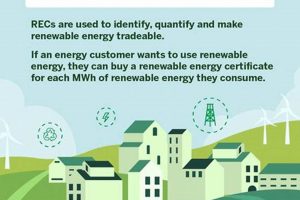
Renewable Energy Certificates (RECs) represent the environmental attributes of one megawatt-hour (MWh) of renewable energy generated. These certificates can be sold separately from the electricity itself, providing an additional revenue stream for renewable energy system owners. REC markets vary by region, and their value can fluctuate based on supply and demand dynamics. Including the potential revenue from REC sales within a quotation can enhance the overall financial attractiveness of a renewable energy project. For example, a wind farm developer might include projected REC revenue in their financial projections, showcasing the added value of the renewable energy generated.
The inclusion and detailed explanation of applicable incentives and rebates within a renewable energy quotation are essential for informed decision-making. These programs significantly influence project economics, impacting affordability, return on investment, and overall project viability. Consumers and businesses should carefully evaluate available incentives and rebates to maximize their financial benefits and contribute to a more sustainable energy future. A comprehensive understanding of these programs empowers consumers to make informed decisions, optimizing their financial returns and accelerating the transition to a cleaner energy landscape. Failing to account for these incentives can lead to an incomplete financial picture, potentially overlooking significant cost savings and revenue opportunities.
7. Return on Investment

Return on investment (ROI) analysis forms a critical component of evaluating renewable energy quotations. ROI calculations assess the financial viability of a project by comparing the total cost of the system with the projected financial benefits accrued over its lifespan. These benefits typically include energy cost savings, revenue generated from incentives and rebates, and potential income from renewable energy certificate (REC) sales. A comprehensive ROI analysis provides a quantifiable measure of the project’s profitability, enabling informed comparisons between different renewable energy options and conventional energy sources. For example, a homeowner evaluating a solar quotation might calculate the ROI by comparing the total system cost, including installation and financing, with the projected savings on electricity bills over the next 20 years, along with any applicable tax credits or rebates. This analysis would provide a clear picture of the financial returns expected from the solar investment. Conversely, a business considering a wind energy project might factor in potential REC revenue and tax benefits alongside energy cost savings to determine the overall ROI and financial feasibility of the project.
The importance of ROI within a renewable energy quotation stems from its ability to provide a clear and objective measure of financial performance. ROI calculations allow for direct comparison of different renewable energy technologies, system sizes, and financing options. This analysis enables stakeholders to identify the most cost-effective solution that aligns with their financial goals and risk tolerance. Furthermore, ROI projections can be instrumental in securing financing for renewable energy projects, as lenders often require robust financial analysis to assess project viability and creditworthiness. For example, a farmer considering a biogas digester might use ROI projections to demonstrate the profitability of the project to potential investors or lenders, securing the necessary capital for project implementation. Accurately projecting ROI requires careful consideration of various factors, including energy production estimates, system lifespan, maintenance costs, inflation rates, and discount rates. Sensitivity analysis, which explores the impact of varying these assumptions on the projected ROI, can provide a more robust understanding of the potential financial outcomes and associated risks.
Accurate ROI projections are essential for informed decision-making in the renewable energy sector. These projections provide a clear framework for evaluating the financial viability of renewable energy investments, enabling stakeholders to make sound investment choices that align with their financial objectives and contribute to a sustainable energy future. Failing to adequately assess ROI can lead to suboptimal investment decisions, potentially jeopardizing project success and hindering the broader adoption of renewable energy technologies. A comprehensive understanding of ROI calculations and their practical significance empowers consumers, businesses, and investors to navigate the complexities of the renewable energy market and make informed decisions that support both financial success and environmental sustainability.
Frequently Asked Questions about Renewable Energy Quotations
This section addresses common inquiries regarding renewable energy cost assessments, providing clarity and promoting informed decision-making.
Question 1: What factors influence the cost of a renewable energy system?
System size, technology type, equipment specifications, installation complexity, and geographic location all contribute to overall cost. Local permitting requirements and interconnection fees can also influence project expenses.
Question 2: How do energy production estimates impact a quotation?
Projected energy production, often expressed in kilowatt-hours (kWh) per year, directly impacts potential cost savings and return on investment calculations. Higher projected energy output can justify higher upfront system costs.
Question 3: What is the significance of equipment specifications within a quote?
Detailed equipment specifications, including panel type, inverter details, and battery storage capacity, provide transparency and allow for assessment of system quality, performance, and longevity. These specifications directly influence system efficiency and long-term energy production.
Question 4: How are installation expenses typically outlined in a quotation?
Installation expenses, including labor, permitting, and interconnection fees, should be clearly itemized within a quote. This transparency enables accurate budgeting and facilitates comparison between different installers.
Question 5: What role do warranties and maintenance agreements play in evaluating a quote?
Comprehensive warranties and well-defined maintenance agreements protect the investment and ensure long-term system performance. These provisions offer peace of mind and minimize the risk of unexpected repair costs.
Question 6: How do incentives and rebates affect the overall cost of a renewable energy system?
Available incentives and rebates, including tax credits, rebates, and performance-based incentives, can significantly reduce the net cost of a renewable energy system, enhancing its financial attractiveness and accelerating return on investment.
Careful consideration of these frequently asked questions empowers consumers and businesses to effectively evaluate renewable energy quotations and make informed investment decisions that align with their energy needs and financial objectives.
The next section will explore case studies of successful renewable energy projects, illustrating the practical application of these concepts and showcasing the real-world benefits of transitioning to sustainable energy sources.
Conclusion
Careful evaluation of renewable energy cost assessments is crucial for informed decision-making. Analysis of system cost, energy production estimates, equipment specifications, installation expenses, warranty and maintenance provisions, available incentives and rebates, and projected return on investment empowers consumers and businesses to navigate the complexities of renewable energy procurement. Transparency and comprehensive understanding of these elements promote cost-effective project implementation and contribute to a sustainable energy future. Diligent assessment ensures alignment between project goals, financial resources, and long-term energy objectives.
The transition to renewable energy represents a significant investment in a sustainable future. Thorough evaluation of cost proposals ensures optimized resource allocation, maximizes financial benefits, and contributes to a cleaner energy landscape. Empowered by knowledge and guided by comprehensive cost analysis, the transition towards renewable energy becomes a sound investment in both environmental stewardship and economic prosperity.