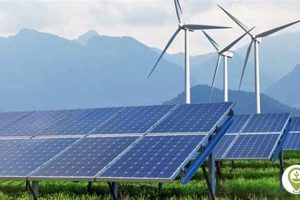
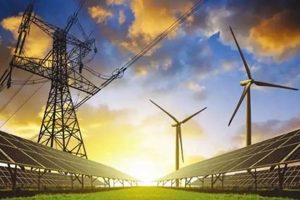
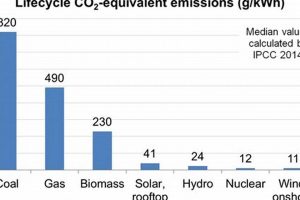
The nation’s ability to generate power from sources like solar, wind, hydro, and biomass has grown significantly in recent years, establishing a substantial and expanding segment of the overall energy mix. For instance, large-scale solar parks and wind farms now dot the landscape, contributing significantly to the electricity grid. This development also encompasses distributed generation, with rooftop solar installations becoming increasingly common in residential and commercial settings.
This growth is driven by several factors, including the need to address climate change, enhance energy security by reducing reliance on fossil fuel imports, and extend electricity access to underserved rural populations. Historically, the country’s power sector relied heavily on coal-fired plants. However, recognizing the environmental and economic implications of this dependence, policies and incentives have been implemented to encourage investment and development in the sustainable power sector. This shift contributes to both economic growth through job creation and a reduction in carbon emissions.
The following sections will explore the various aspects of this growing sector in greater detail, including specific technologies, government policies, investment trends, and future projections. Further analysis will also examine the challenges and opportunities associated with integrating these resources into the national grid and achieving ambitious renewable energy targets.
Tips for Understanding India’s Renewable Energy Landscape
Navigating the complexities of the nation’s evolving power sector requires awareness of key trends and considerations. The following tips provide insights for stakeholders, investors, and those interested in understanding this dynamic market.
Tip 1: Recognize Regional Variations: Resource availability differs geographically. The western states are ideal for wind power, while the southern states benefit from ample solar radiation. Hydropower potential is concentrated in the Himalayan region. Understanding these regional nuances is crucial for targeted investment and development.
Tip 2: Stay Informed on Policy Updates: Government policies and incentives play a significant role in shaping market dynamics. Staying abreast of changes in regulations, tariffs, and auction mechanisms is essential for effective planning and decision-making.
Tip 3: Consider Grid Integration Challenges: Integrating intermittent renewable sources into the existing electricity grid presents technical complexities. Understanding these challenges, including grid stability and storage solutions, is vital for successful project implementation.
Tip 4: Explore Financing Options: Securing adequate financing is crucial for renewable energy projects. Exploring various funding avenues, including public-private partnerships and international investment, can facilitate project development.
Tip 5: Assess Technological Advancements: The renewable energy sector is characterized by continuous innovation. Staying informed about advancements in solar panel efficiency, wind turbine technology, and energy storage solutions is vital for maximizing project effectiveness.
Tip 6: Understand Environmental and Social Impacts: While renewable energy projects offer numerous benefits, it’s important to consider potential environmental and social impacts. Conducting thorough assessments and engaging with local communities can ensure sustainable development.
Tip 7: Analyze Market Trends and Projections: The renewable energy market is constantly evolving. Analyzing market trends, growth projections, and competitive landscapes can provide valuable insights for informed decision-making.
By considering these factors, stakeholders can gain a more comprehensive understanding of the opportunities and challenges presented by the nation’s evolving renewable energy sector. This knowledge is crucial for fostering sustainable growth and achieving ambitious clean energy targets.
The concluding section will summarize key findings and offer perspectives on the future trajectory of the nation’s renewable energy capacity.
1. Growth Trajectory

Growth trajectory is a critical indicator of the progress and future potential of the nation’s renewable energy sector. It represents the rate at which capacity is expanding and provides insights into the effectiveness of policies, investment trends, and technological advancements. A consistently upward trajectory signifies a healthy and developing sector, attracting further investment and contributing to national energy security and emissions reduction targets. For example, the rapid growth in solar installations over the past decade demonstrates the success of government initiatives and declining technology costs. This trajectory influences long-term energy planning and helps shape national climate strategies.
Analyzing the growth trajectory requires consideration of various factors. These include government targets, policy implementation effectiveness, investment flows, technological advancements, and grid infrastructure development. For instance, supportive policies, coupled with streamlined approval processes, can accelerate capacity additions. Conversely, policy uncertainty or grid bottlenecks can hinder progress. Examining historical trends and comparing them with projections provides valuable insights into the sector’s overall health and future potential. Furthermore, understanding regional variations in growth trajectories can inform targeted interventions and optimize resource allocation.
Understanding the growth trajectory of renewable energy capacity is crucial for informed decision-making by policymakers, investors, and industry stakeholders. It provides a basis for evaluating the success of existing policies, identifying potential challenges, and projecting future growth scenarios. A robust growth trajectory not only contributes to national energy security and climate goals but also stimulates economic growth, creates employment opportunities, and enhances the nation’s global competitiveness in the renewable energy sector. Continued analysis and strategic planning are essential to maintain this positive momentum and unlock the full potential of sustainable power generation.
2. Technological Diversification

Technological diversification is essential for maximizing the potential of renewable energy resources and ensuring a resilient and sustainable energy mix. Diversifying beyond a single technology mitigates risks associated with resource availability, technological limitations, and cost fluctuations. This approach strengthens energy security, enhances grid stability, and promotes a more balanced and adaptable energy portfolio. In the context of the nation’s energy landscape, diversification is particularly relevant due to the geographic diversity and the varying availability of resources such as solar, wind, hydro, and biomass.
- Solar Power:
Solar photovoltaic (PV) technology plays a dominant role, with large-scale solar parks and distributed rooftop installations contributing significantly to capacity. Concentrated solar power (CSP) technologies are also emerging as a viable option, particularly in regions with high solar insolation. The declining cost of solar PV modules has driven widespread adoption, making it a key driver of renewable energy growth. For instance, the Bhadla Solar Park, one of the world’s largest, exemplifies the scale and potential of solar power in the country.
- Wind Power:
Wind energy is another significant contributor, with onshore wind farms concentrated primarily in western and southern states. Offshore wind potential is also being explored, offering opportunities to harness the vast coastal resources. Advancements in wind turbine technology, including larger rotor diameters and improved efficiency, contribute to increased power generation. Projects like the Muppandal Wind Farm showcase the nation’s growing wind energy capacity.
- Hydropower:
Hydropower has been a traditional source of renewable energy, leveraging the nation’s river systems and mountainous terrain. Large-scale hydropower projects contribute significantly to the energy mix, while smaller run-of-the-river projects offer localized power generation with reduced environmental impact. Balancing the benefits of hydropower with ecological considerations is crucial for sustainable development.
- Biomass and Bioenergy:
Biomass, including agricultural residues and dedicated energy crops, offers a sustainable alternative to fossil fuels. Bioenergy technologies, such as biogas digesters and biomass gasification, provide opportunities for decentralized power generation and waste management. Promoting biomass utilization can contribute to rural development and reduce reliance on conventional fuels.
This diversified approach to renewable energy development strengthens the nation’s overall energy security and enhances its ability to meet growing electricity demand while minimizing environmental impact. By strategically leveraging various technologies and resources, the nation can achieve a more balanced, resilient, and sustainable energy future. Continued investment in research and development, grid modernization, and supportive policies will further enhance the effectiveness of technological diversification and unlock the full potential of the nation’s vast renewable energy resources.
3. Grid Integration

Effective grid integration is crucial for harnessing the full potential of India’s expanding renewable energy capacity. The intermittent nature of renewable sources like solar and wind necessitates robust grid infrastructure and sophisticated management strategies to ensure stable and reliable power supply. Successfully integrating these variable resources requires addressing technical challenges, optimizing grid operations, and implementing innovative solutions to balance supply and demand.
- Forecasting and Scheduling:
Accurate forecasting of renewable energy generation is essential for effective grid management. Sophisticated forecasting models, combined with real-time data analysis, enable grid operators to anticipate fluctuations in solar and wind power output. This predictive capability allows for optimized scheduling of conventional power plants and facilitates proactive measures to maintain grid stability. For example, accurate wind power forecasting in regions with high wind penetration enables grid operators to schedule thermal power plants to ramp up or down as needed, ensuring a consistent electricity supply.
- Grid Modernization and Expansion:
Modernizing and expanding the existing grid infrastructure is vital for accommodating the increasing influx of renewable energy. Investments in transmission lines, substations, and smart grid technologies enhance the grid’s capacity to transmit power from remote renewable energy generation sites to load centers. Smart grid technologies, such as advanced metering infrastructure and real-time grid monitoring systems, enable dynamic control and optimization of power flows, enhancing grid flexibility and reliability. For instance, the Green Energy Corridors project aims to strengthen transmission infrastructure to facilitate the evacuation of renewable energy from resource-rich areas.
- Energy Storage Solutions:
Energy storage technologies play a critical role in mitigating the intermittency of renewable sources. Battery storage systems, pumped hydro storage, and other storage solutions can store excess renewable energy generated during periods of high output and release it during periods of low generation or peak demand. This buffering capacity enhances grid stability, reduces reliance on conventional power plants, and maximizes the utilization of renewable energy resources. Pilot projects involving battery storage integrated with solar and wind farms are demonstrating the viability and effectiveness of these solutions.
- Demand-Side Management:
Demand-side management (DSM) strategies involve optimizing electricity consumption patterns to better match renewable energy generation profiles. DSM programs, such as time-of-use tariffs and demand response initiatives, incentivize consumers to shift their energy usage to periods of high renewable energy generation or reduce their consumption during peak demand periods. This approach reduces stress on the grid, minimizes curtailment of renewable energy, and enhances overall grid efficiency. For example, time-of-use tariffs can encourage consumers to shift electricity-intensive activities to off-peak hours when solar and wind generation is typically higher.
These facets of grid integration are interconnected and essential for maximizing the contribution of renewable energy to India’s overall energy mix. Addressing these challenges through technological advancements, policy support, and strategic investments will ensure the seamless integration of renewable sources, paving the way for a sustainable and reliable power system. As renewable energy capacity continues to grow, grid integration will remain a critical focus area for ensuring the stability, reliability, and affordability of electricity supply.
4. Investment Landscape

The investment landscape plays a pivotal role in shaping the trajectory of India’s current renewable energy capacity. Attracting and effectively deploying capital is essential for financing projects, driving technological innovation, and scaling up renewable energy deployment. Understanding the dynamics of this landscape, including the sources of funding, investment trends, and regulatory frameworks, provides crucial insights into the growth and development of the sector. This section explores the key facets of the investment landscape and their impact on renewable energy capacity expansion.
- Foreign Direct Investment (FDI):
FDI has been a significant driver of growth in the Indian renewable energy sector. Favorable government policies, including tax incentives and streamlined approval processes, have attracted substantial investments from international investors. For example, several leading global renewable energy companies have invested in large-scale solar and wind projects in India. This influx of capital has facilitated technology transfer, project development, and job creation within the sector. FDI inflows have also played a critical role in driving down the cost of renewable energy technologies, making them increasingly competitive with conventional power sources.
- Domestic Investment:
Domestic investment from both public and private sources is crucial for sustaining the long-term growth of the renewable energy sector. Public sector undertakings (PSUs) have played a significant role in developing large-scale renewable energy projects, while private sector companies have increasingly invested in both utility-scale and distributed generation projects. For instance, several Indian conglomerates have made substantial investments in renewable energy, contributing significantly to capacity additions. Domestic investment provides a stable foundation for the sector’s development and strengthens the nation’s commitment to clean energy transition.
- Green Financing Mechanisms:
Green financing mechanisms, such as green bonds and dedicated renewable energy funds, are gaining traction in India. These instruments provide a channel for investors to specifically support environmentally friendly projects. The issuance of green bonds by both public and private sector entities has facilitated the mobilization of capital for renewable energy projects. The development of specialized renewable energy funds has further enhanced the availability of financing for developers and project implementers. These mechanisms play a crucial role in scaling up investments and accelerating the transition to a sustainable energy future.
- Regulatory Framework and Policy Support:
A stable and supportive regulatory framework is essential for attracting and retaining investments in the renewable energy sector. Clear policies regarding tariffs, power purchase agreements (PPAs), and land acquisition processes provide investors with the certainty and transparency needed to make long-term investment decisions. Government initiatives such as renewable purchase obligations (RPOs) and renewable energy certificates (RECs) create market demand for renewable energy and incentivize further investments. Consistent and predictable policies are crucial for fostering investor confidence and sustaining the growth of the sector. For instance, the National Solar Mission and the National Wind Energy Mission have provided a clear policy direction and facilitated significant investments in these technologies.
These facets of the investment landscape are interconnected and collectively influence the growth and development of India’s current renewable energy capacity. Attracting sustained investments, both domestic and international, requires a favorable policy environment, transparent regulatory frameworks, and innovative financing mechanisms. Continued policy support, coupled with proactive measures to address investment barriers, will be crucial for unlocking the full potential of renewable energy and achieving a sustainable energy future. The ongoing growth in renewable energy investments demonstrates the increasing confidence in the sector’s potential and its crucial role in India’s energy transition. This positive momentum underscores the importance of nurturing the investment landscape to further accelerate the deployment of renewable energy technologies and achieve ambitious clean energy targets.
5. Policy Framework
Policy frameworks are integral to the development and expansion of India’s current renewable energy capacity. These frameworks, encompassing national and state-level policies, regulations, and incentives, provide the foundation for attracting investment, promoting technological innovation, and ensuring the sustainable growth of the sector. The effectiveness of these policies directly influences the pace of capacity additions, the cost of renewable energy technologies, and the overall success of the nation’s clean energy transition. A robust and well-designed policy framework is crucial for fostering investor confidence, creating a level playing field for market participants, and driving the integration of renewable energy into the national grid.
Several key policy initiatives have played a crucial role in shaping India’s renewable energy landscape. The National Solar Mission, launched in 2010, set ambitious targets for solar power deployment and established a framework for achieving these goals through a combination of incentives, regulatory support, and capacity building. Similarly, the National Wind Energy Mission has provided a roadmap for the development of wind power projects, including wind resource assessment, grid integration, and financial incentives. State-level policies, such as renewable purchase obligations (RPOs), mandate electricity distribution companies to procure a certain percentage of their power from renewable sources, creating a guaranteed market for renewable energy generators. Feed-in tariffs, which guarantee a fixed price for renewable energy fed into the grid, provide revenue certainty for project developers and encourage further investments. Tax benefits, such as accelerated depreciation and concessional import duties, reduce the cost of renewable energy projects and enhance their financial viability. For example, the government’s support for rooftop solar installations through subsidies and net metering policies has led to significant growth in this segment.
The evolution of policy frameworks continues to shape the future of India’s renewable energy sector. Ongoing efforts to streamline approval processes, strengthen grid infrastructure, and promote energy storage solutions are essential for sustaining the growth trajectory of renewable energy capacity. Addressing challenges such as land acquisition, transmission bottlenecks, and financing constraints requires continuous policy refinement and proactive government intervention. The effectiveness of policy frameworks in fostering innovation, attracting investments, and integrating renewable energy into the national grid will determine the long-term success of India’s clean energy transition. The nation’s commitment to achieving its ambitious renewable energy targets requires a sustained focus on developing and implementing effective policies that address the evolving needs of the sector and create a conducive environment for sustainable growth. Further, the integration of renewable energy with other sectors, such as transportation and industry, presents opportunities for policy innovation and cross-sectoral collaboration to maximize the benefits of clean energy technologies.
Frequently Asked Questions
This section addresses common inquiries regarding the nation’s renewable energy capacity, providing concise and informative responses.
Question 1: What is the current contribution of renewable energy to the nation’s overall electricity generation?
Renewable energy sources currently constitute a significant and growing portion of the national electricity mix, reducing reliance on conventional fossil fuels and contributing to emissions reduction targets. Precise figures vary based on reporting periods and specific methodologies, necessitating consultation with official government sources and industry reports for the most up-to-date information.
Question 2: What are the primary challenges hindering faster growth in the renewable energy sector?
Several challenges influence the pace of expansion. These include grid integration complexities associated with intermittent renewable sources, land acquisition hurdles for large-scale projects, financing constraints for smaller developers, and the need for continued policy support and regulatory clarity to ensure sustained investor confidence.
Question 3: How does the cost of renewable energy compare with that of conventional power generation?
The cost of renewable energy technologies, particularly solar and wind, has declined significantly in recent years, making them increasingly competitive with conventional fossil fuel-based generation. In many cases, renewable energy now offers a cost-effective alternative, especially considering the long-term environmental and social benefits.
Question 4: What role does government policy play in promoting renewable energy development?
Government policies, including financial incentives, renewable purchase obligations, and streamlined approval processes, play a crucial role in incentivizing investments, driving technological innovation, and creating a supportive regulatory environment for the sustainable growth of the renewable energy sector.
Question 5: How does the nation’s renewable energy capacity compare with that of other countries?
The nation has made significant strides in expanding renewable energy capacity, positioning itself among the global leaders in renewable energy deployment. International comparisons require careful consideration of various factors, including population size, energy demand, and geographic context. Consulting reputable international databases and reports provides a more comprehensive understanding of global rankings and comparative assessments.
Question 6: What are the future prospects for renewable energy growth in the nation?
The future prospects for renewable energy growth are promising, driven by factors such as declining technology costs, increasing investor interest, supportive government policies, and growing public awareness of the environmental and economic benefits of clean energy. Continued policy support, technological advancements, and grid modernization efforts will be essential for realizing the full potential of renewable energy and achieving ambitious clean energy targets.
Understanding these key aspects of the nation’s renewable energy capacity provides a foundation for informed decision-making by investors, policymakers, and other stakeholders. Continued engagement and collaboration among all parties involved are crucial for navigating the complexities of the energy transition and achieving a sustainable energy future.
The subsequent section will delve into specific case studies of successful renewable energy projects, highlighting best practices and innovative approaches within the sector.
India’s Current Renewable Energy Capacity
This exploration of India’s current renewable energy capacity has highlighted its multifaceted nature, encompassing technological advancements, policy frameworks, investment landscapes, and grid integration challenges. Significant progress is evident in capacity additions across various renewable energy technologies, driven by supportive government policies, declining technology costs, and increasing investor interest. However, challenges remain, including grid stability concerns, land acquisition complexities, and the need for continued policy refinement to ensure sustained growth. The analysis underscores the importance of technological diversification, robust grid infrastructure, and consistent policy support for maximizing the benefits of renewable energy resources.
The nation’s trajectory toward a sustainable energy future hinges on effectively addressing these challenges and capitalizing on emerging opportunities. Continued investment in research and development, grid modernization, and policy innovation will be essential for realizing the full potential of renewable energy and achieving ambitious clean energy targets. Collaboration among government, industry, and research institutions is crucial for navigating the complexities of the energy transition and ensuring a secure, affordable, and sustainable energy future for generations to come. The progress achieved thus far provides a strong foundation for future development, and sustained commitment to renewable energy will be instrumental in shaping a cleaner and more resilient energy landscape.