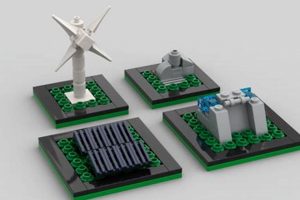
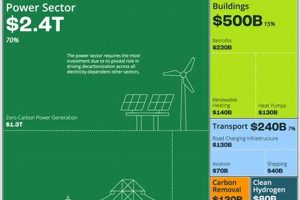
The use of energy derived from sources that replenish naturally over a relatively short period is fundamental to a sustainable future. Examples include harnessing power from the sun, wind, water, geothermal heat, and biomass. These resources offer a perpetual supply of energy, unlike fossil fuels, which are finite.
Transitioning to such resources offers numerous advantages, including reduced greenhouse gas emissions, decreased reliance on volatile global fuel markets, and the creation of new economic opportunities. Historically, societies relied primarily on traditional biomass, such as wood, for energy needs. However, the Industrial Revolution saw a dramatic shift towards fossil fuels. Now, the imperative to mitigate climate change and ensure long-term energy security is driving a renewed focus on sustainable alternatives.
This article will explore the various aspects of this transition, including the different technologies employed, current global trends, the economic and social impacts, and the challenges and opportunities that lie ahead.
Tips for Increasing Sustainable Energy Use
Promoting greater utilization of sustainable energy sources requires a multifaceted approach involving individual actions, policy changes, and technological advancements. The following tips offer practical guidance for fostering this crucial transition.
Tip 1: Invest in Energy-Efficient Appliances: Choosing appliances with high energy efficiency ratings can significantly reduce overall electricity demand. Look for labels such as Energy Star to identify products that meet stringent efficiency standards.
Tip 2: Optimize Home Insulation: Proper insulation reduces energy loss for heating and cooling, lowering reliance on electricity or gas. This includes insulating walls, roofs, and floors, and sealing air leaks around windows and doors.
Tip 3: Explore Residential Solar Installations: Rooftop solar panels can generate electricity directly from sunlight, reducing dependence on grid-supplied power and lowering carbon footprints. Consider factors such as roof orientation and local sunlight availability.
Tip 4: Support Sustainable Energy Policies: Advocate for policies that encourage the development and adoption of renewable energy technologies. This includes supporting tax incentives for renewable energy investments and advocating for stricter emissions regulations.
Tip 5: Choose Green Energy Suppliers: Many electricity providers offer plans that source power from renewable resources. Switching to a green energy plan can support the growth of the renewable energy sector.
Tip 6: Reduce Overall Energy Consumption: Practicing energy conservation measures, such as turning off lights when leaving a room and unplugging electronics not in use, can contribute to lower overall energy demand.
Tip 7: Consider Electric Vehicles: Transitioning to electric vehicles powered by renewable energy sources further reduces reliance on fossil fuels in the transportation sector.
By implementing these strategies, individuals and communities can actively contribute to a more sustainable energy future. These actions not only reduce environmental impact but also promote energy independence and economic growth.
These practical steps, combined with broader policy and technological advancements, are essential for accelerating the transition towards a future powered by sustainable energy resources. The subsequent sections will delve deeper into the specific technologies and policy frameworks driving this critical transformation.
1. Sources

The foundation of sustainable energy systems lies in the diversity and availability of renewable resources. Understanding the characteristics of these sources is critical for effectively harnessing their potential and integrating them into the energy mix. This section explores the key sources contributing to the growth of sustainable energy utilization.
- Solar Energy
Photovoltaic cells and concentrated solar power systems convert sunlight directly into electricity. Large-scale solar farms in desert regions and rooftop solar panels on residential buildings demonstrate the versatility of this resource. The decreasing cost of solar technology has made it increasingly competitive with conventional energy sources, driving significant growth in solar energy adoption.
- Wind Energy
Wind turbines capture the kinetic energy of wind and convert it into electricity. Onshore and offshore wind farms contribute significantly to energy production in many regions. Advancements in turbine technology and the identification of high-wind areas continue to enhance the efficiency and cost-effectiveness of wind power.
- Hydropower
Harnessing the energy of flowing water through dams and turbines generates electricity. While large-scale hydropower projects provide a substantial energy source, considerations regarding environmental impact and displacement of communities necessitate careful planning and mitigation strategies. Run-of-river hydropower offers a less impactful alternative, utilizing the natural flow of rivers without requiring large dams.
- Geothermal Energy
Tapping into the Earth’s internal heat provides a consistent source of energy for electricity generation and direct heating applications. Geothermal power plants utilize steam or hot water from underground reservoirs to drive turbines. This resource offers a reliable baseload power source, independent of weather conditions.
These diverse sources offer a pathway to a more sustainable energy future. Their effective utilization requires strategic planning, technological advancements, and supportive policies to ensure seamless integration into existing energy infrastructure. By diversifying the energy mix and leveraging the strengths of each renewable source, societies can reduce reliance on finite resources and mitigate the environmental impacts associated with conventional energy generation.
2. Technologies

Technological advancements play a crucial role in facilitating and expanding the utilization of renewable energy sources. The development and refinement of key technologies directly influence the efficiency, cost-effectiveness, and overall viability of renewable energy systems. This intricate relationship between technological progress and increased consumption of renewable energy forms a cornerstone of the global transition towards sustainable energy paradigms. For instance, advancements in photovoltaic cell technology have significantly reduced the cost of solar energy, leading to wider adoption in both residential and utility-scale projects. Similarly, improvements in wind turbine design and manufacturing processes have increased energy capture efficiency and lowered the levelized cost of wind energy.
Furthering this connection, innovative energy storage solutions, such as advanced battery technologies and pumped hydro storage, address the intermittency challenges associated with certain renewable sources like solar and wind. These technologies enable the storage of excess energy generated during peak production periods for later use during periods of low generation or high demand, enhancing grid stability and reliability. Smart grid technologies optimize energy distribution and management, integrating renewable energy sources seamlessly into the existing infrastructure. These advancements improve grid resilience and facilitate the efficient delivery of electricity generated from renewable resources to consumers.
In summary, continuous technological innovation is essential for maximizing the potential of renewable energy sources and driving their widespread adoption. Overcoming technical challenges, improving energy storage capabilities, and optimizing grid integration are crucial for ensuring a smooth transition to a sustainable energy future. Research and development efforts focused on enhancing the performance, reducing the costs, and improving the reliability of renewable energy technologies remain paramount to achieving global climate goals and ensuring long-term energy security.
3. Grid integration

Grid integration represents a critical aspect of increasing renewable energy consumption. The ability to seamlessly and efficiently incorporate variable renewable energy sources, such as solar and wind power, into existing electricity grids is essential for achieving a sustainable energy transition. Effective grid integration addresses the inherent intermittency of these resources, ensuring a stable and reliable power supply. This involves sophisticated forecasting models to predict energy generation fluctuations, advanced grid management systems to balance supply and demand in real-time, and robust transmission infrastructure to transport electricity from remote renewable energy generation sites to population centers. For example, Germany’s Energiewende, a policy initiative focused on transitioning to renewable energy, highlights the importance of grid modernization and expansion for accommodating increasing shares of solar and wind power. Similarly, the integration of large-scale solar farms in desert regions requires substantial investments in transmission lines to deliver the generated electricity to urban areas.
Furthermore, grid integration strategies encompass demand-side management techniques, which encourage flexible energy consumption patterns to align with renewable energy generation profiles. This includes time-of-use tariffs that incentivize consumers to shift energy usage to periods of high renewable energy production, and smart grid technologies that enable automated load control and optimize energy distribution. The increasing deployment of energy storage systems, such as batteries and pumped hydro storage, also plays a vital role in grid integration. These technologies store excess renewable energy generated during periods of high production and release it during periods of low generation or peak demand, enhancing grid stability and reliability. Real-world examples include the use of battery storage systems to support grid stability in California and Australia, mitigating the impact of intermittent solar and wind power.
In conclusion, successful grid integration is paramount for maximizing the potential of renewable energy resources and achieving a sustainable energy future. Addressing the technical and economic challenges associated with integrating variable renewable energy sources requires ongoing innovation in grid management technologies, energy storage solutions, and policy frameworks. The continued development and implementation of effective grid integration strategies are crucial for ensuring a reliable, resilient, and sustainable electricity supply while facilitating the transition to a decarbonized energy system. The increasing global reliance on renewable energy sources underscores the critical need for robust and adaptable grid infrastructure to support this transformative shift.
4. Policy and regulations
Government policies and regulations play a crucial role in shaping renewable energy markets and influencing the rate of renewable energy consumption. Supportive policies can stimulate investment in renewable energy technologies, accelerate deployment, and drive the transition towards a sustainable energy future. Conversely, a lack of clear or consistent policies can hinder growth and create uncertainty in the market. Understanding the various policy mechanisms and their impact is essential for promoting renewable energy adoption and achieving climate goals.
- Feed-in Tariffs (FITs)
FITs guarantee a fixed price for renewable energy fed into the electricity grid, providing a stable revenue stream for renewable energy producers. This policy instrument has been instrumental in promoting the growth of solar and wind power in countries like Germany and Spain. FITs offer price stability and long-term contracts, encouraging investment in renewable energy projects. However, challenges include the potential for overcompensation and the need for careful tariff design to avoid distorting market dynamics.
- Renewable Portfolio Standards (RPS)
RPS mandates that electricity suppliers source a specified percentage of their electricity from renewable energy sources. This policy mechanism creates demand for renewable energy and drives investment in new generation capacity. RPS policies have been successful in several US states and European countries in increasing the share of renewable energy in the electricity mix. Effectively implemented RPS policies can stimulate market competition and innovation in renewable energy technologies. However, challenges include ensuring compliance and setting appropriate targets to balance affordability and environmental objectives.
- Tax Incentives and Subsidies
Tax credits, rebates, and grants can reduce the upfront cost of renewable energy technologies, making them more attractive to consumers and businesses. These incentives can stimulate market demand and accelerate the adoption of renewable energy solutions. For example, the Investment Tax Credit in the United States has played a significant role in promoting the growth of the solar industry. However, the long-term sustainability of subsidy programs and their potential impact on government budgets require careful consideration.
- Carbon Pricing Mechanisms
Carbon taxes or cap-and-trade systems put a price on greenhouse gas emissions, making fossil fuels more expensive and increasing the competitiveness of renewable energy sources. By internalizing the environmental cost of fossil fuels, carbon pricing mechanisms incentivize a shift towards cleaner energy alternatives. The European Union Emissions Trading System is an example of a large-scale carbon market. However, the political feasibility and economic impacts of carbon pricing policies require careful assessment and design to ensure effectiveness and avoid unintended consequences. For example, concerns about the potential for carbon leakage and regressive impacts on low-income households need to be addressed through appropriate policy design and complementary measures.
The effectiveness of these policies in driving renewable energy consumption depends on various factors, including policy design, implementation, and enforcement, as well as broader market conditions and technological advancements. A comprehensive and coordinated policy approach that combines different instruments and addresses market barriers is often necessary to achieve significant and sustained growth in renewable energy consumption. International cooperation and policy harmonization can further enhance the effectiveness of national policies and accelerate the global transition towards a sustainable energy future. By fostering a supportive policy environment, governments can unlock the full potential of renewable energy resources and pave the way for a cleaner, more secure, and sustainable energy system.
5. Economic impact

The increasing consumption of renewable energy has profound implications for economic systems globally. This shift presents both challenges and opportunities, impacting job markets, investment flows, and the overall economic landscape. A key driver of this economic impact is the declining cost of renewable energy technologies, particularly solar and wind power. As these technologies become more cost-competitive with fossil fuels, they attract significant investment, stimulating economic activity and creating new industries. For example, the growth of the solar photovoltaic industry has led to substantial job creation in manufacturing, installation, and maintenance, contributing to economic growth in countries like China, the United States, and Germany. Furthermore, the transition to renewable energy can reduce reliance on imported fossil fuels, improving energy security and reducing trade deficits for countries that are net energy importers. This can have a positive impact on national economies by reducing vulnerability to volatile global fuel prices and enhancing energy independence. For instance, Denmark’s significant investments in wind energy have reduced its dependence on imported fossil fuels and created a thriving wind energy industry, contributing to both economic growth and improved energy security.
The economic benefits extend beyond direct job creation and investment in renewable energy technologies. The transition to a cleaner energy system can also stimulate innovation and technological advancements in related sectors, such as energy storage, smart grids, and electric vehicles. These advancements create new economic opportunities and contribute to broader economic diversification. Moreover, reduced air pollution from fossil fuel combustion can lead to significant savings in healthcare costs and improve overall public health, further enhancing economic productivity and well-being. For instance, studies have shown that transitioning to renewable energy can significantly reduce air pollution-related illnesses, leading to lower healthcare expenditures and increased worker productivity.
In summary, the increasing consumption of renewable energy offers significant economic opportunities, including job creation, investment growth, improved energy security, and technological innovation. While challenges remain in managing the transition and ensuring equitable distribution of benefits, the long-term economic advantages of embracing a sustainable energy future are substantial. Understanding the complex interplay between renewable energy consumption and economic development is crucial for policymakers, businesses, and investors seeking to navigate the evolving energy landscape and capitalize on the opportunities presented by the global shift towards a cleaner and more sustainable energy system. Successfully managing this transition requires strategic planning, targeted investments, and supportive policies to maximize the economic benefits and ensure a just and prosperous energy future for all.
6. Environmental benefits

A fundamental driver of the global shift towards renewable energy consumption is the significant environmental benefits it offers. Unlike fossil fuels, which release greenhouse gases and contribute to climate change, renewable energy sources produce minimal or no emissions during operation. This fundamental difference has profound implications for mitigating climate change, improving air quality, and protecting ecosystems. The causal link between reduced greenhouse gas emissions from renewable energy consumption and the mitigation of climate change is well-established and supported by extensive scientific evidence. For example, the deployment of solar and wind power has displaced significant amounts of fossil fuel-based electricity generation, reducing carbon dioxide emissions and contributing to national climate targets. Moreover, lifecycle assessments of renewable energy technologies demonstrate significantly lower environmental impacts compared to fossil fuel-based power generation, considering factors such as resource extraction, manufacturing, operation, and decommissioning. For example, the lifecycle greenhouse gas emissions of solar photovoltaic systems are substantially lower than those of coal-fired power plants.
Furthermore, the displacement of fossil fuels by renewable energy sources leads to substantial improvements in air quality. Fossil fuel combustion releases pollutants such as sulfur dioxide, nitrogen oxides, and particulate matter, which contribute to respiratory illnesses and other health problems. Renewable energy sources, being emissions-free during operation, mitigate these adverse health impacts and contribute to cleaner, healthier environments. The transition to electric vehicles powered by renewable energy further reduces urban air pollution, offering substantial public health benefits. For instance, studies have shown significant improvements in air quality in cities that have adopted electric bus fleets powered by renewable energy. Beyond air quality improvements, renewable energy consumption has positive implications for water resource management. Unlike conventional power plants, which require large amounts of water for cooling, many renewable energy technologies, such as solar and wind, have minimal water requirements. This reduces pressure on water resources, particularly in water-scarce regions, enhancing water security and ecosystem health. For example, the deployment of solar photovoltaic systems in arid and semi-arid regions offers a sustainable energy solution with minimal water consumption, avoiding the water stress associated with conventional power generation.
In conclusion, the environmental benefits of renewable energy consumption are substantial and multifaceted, encompassing climate change mitigation, air and water quality improvements, and ecosystem protection. These benefits are a key driver of the global transition towards a sustainable energy future. While challenges remain in managing the environmental impacts of renewable energy technologies throughout their lifecycles, the overall environmental advantages compared to fossil fuels are undeniable. Understanding and quantifying these benefits are crucial for informing policy decisions, guiding investment strategies, and promoting public awareness of the crucial role renewable energy plays in creating a healthier and more sustainable planet. Continued advancements in renewable energy technologies, coupled with supportive policies and public engagement, are essential for maximizing these environmental benefits and achieving a truly sustainable energy future.
Frequently Asked Questions
This section addresses common inquiries regarding the utilization of energy derived from replenishable sources.
Question 1: How does using renewable sources contribute to climate change mitigation?
Renewable energy sources produce little to no greenhouse gas emissions during operation, unlike fossil fuels. Substituting renewable energy for fossil fuels directly reduces emissions contributing to climate change.
Question 2: What are the primary barriers to wider adoption of renewable energy?
Intermittency of some sources (like solar and wind), upfront infrastructure costs, grid integration challenges, and policy and regulatory frameworks all influence the pace of renewable energy adoption.
Question 3: Are renewable energy technologies reliable enough to meet growing energy demands?
Advancements in energy storage technologies, grid management systems, and diversification of renewable energy sources are enhancing the reliability and stability of renewable energy systems. Combining different renewable sources and integrating them with energy storage solutions mitigates intermittency challenges.
Question 4: What are the economic implications of transitioning to renewable energy?
The transition offers significant economic opportunities, including job creation in manufacturing, installation, and maintenance of renewable energy technologies, as well as investment growth, reduced reliance on imported fossil fuels, and stimulation of innovation in related sectors.
Question 5: How does renewable energy consumption impact energy security?
Increased reliance on domestically sourced renewable energy reduces dependence on imported fossil fuels, enhancing energy independence and mitigating vulnerabilities associated with volatile global fuel markets and geopolitical instability.
Question 6: What role do government policies play in promoting renewable energy consumption?
Policies such as feed-in tariffs, renewable portfolio standards, tax incentives, carbon pricing mechanisms, and research and development funding are instrumental in creating a supportive market environment, driving innovation, and accelerating the deployment of renewable energy technologies.
Shifting to renewable resources requires a combination of technological advancements, supportive policies, and public awareness. Addressing these aspects comprehensively promotes a sustainable energy future.
The following section delves deeper into specific case studies of successful renewable energy integration.
Conclusion
This exploration of renewable energy consumption has highlighted its multifaceted nature, encompassing technological advancements, economic implications, environmental benefits, and the crucial role of policy and grid integration. The transition away from fossil fuels towards sustainable alternatives presents both opportunities and challenges. Declining costs of renewable energy technologies, coupled with supportive policies, are driving significant growth in the sector, creating new economic opportunities and enhancing energy security. Furthermore, the environmental benefits of reduced greenhouse gas emissions, improved air and water quality, and ecosystem protection are undeniable drivers of this global shift.
The path towards a future powered by sustainable energy requires concerted efforts from governments, industries, and individuals. Continued innovation in renewable energy technologies, robust grid infrastructure development, and comprehensive policy frameworks are essential for accelerating this transition. Addressing the remaining challenges, such as intermittency and storage, will be crucial for ensuring a reliable and resilient energy system. The future of energy hinges on the successful integration of renewable sources into the global energy mix, offering a pathway towards a more sustainable, secure, and prosperous future for all.