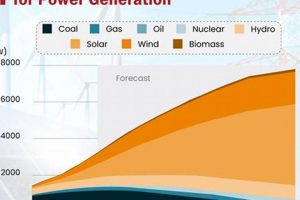
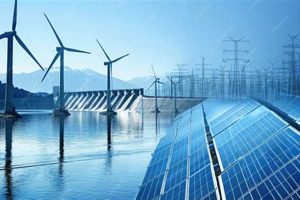
Energy sources with reduced environmental impact, such as solar, wind, hydroelectric, geothermal, and nuclear power, offer sustainable alternatives to conventional fossil fuels. These resources minimize greenhouse gas emissions, air pollution, and reliance on finite resources. For example, photovoltaic panels convert sunlight directly into electricity, offering a localized and emission-free power generation method.
The transition to sustainable energy production is crucial for mitigating climate change and ensuring long-term energy security. Historically, reliance on fossil fuels has contributed significantly to atmospheric pollution and global warming. Adopting sustainable practices not only reduces these harmful effects but also fosters innovation, economic growth, and energy independence.
This discussion will further explore specific sustainable energy technologies, their applications, and the challenges associated with their widespread implementation. Subsequent sections will delve into the economic, political, and social factors influencing the global transition towards a sustainable energy future.
Tips for Supporting Sustainable Energy Practices
Individuals and communities can contribute significantly to the growth and adoption of environmentally responsible energy solutions. The following practical steps offer readily implementable strategies for promoting a sustainable energy future.
Tip 1: Invest in Energy-Efficient Appliances: Choosing appliances with high energy efficiency ratings reduces long-term energy consumption and lowers utility costs. Look for labels such as Energy Star to identify products designed for optimal performance and minimal energy use.
Tip 2: Reduce Energy Consumption at Home: Simple actions, such as turning off lights when leaving a room, unplugging electronic devices not in use, and using natural light whenever possible, contribute significantly to minimizing overall energy demand.
Tip 3: Explore Renewable Energy Options for Homes: Consider installing rooftop solar panels or participating in community solar projects. These initiatives empower individuals to generate their own clean electricity and contribute to a decentralized energy grid.
Tip 4: Support Policies Promoting Sustainable Energy: Advocate for legislation and regulations that incentivize renewable energy development and investment. Public support for such policies is essential for driving the transition towards a cleaner energy landscape.
Tip 5: Educate Others about Sustainable Practices: Sharing information about sustainable energy and its benefits within social networks helps raise awareness and encourages broader adoption of responsible energy choices.
Tip 6: Choose Sustainable Transportation Options: Opting for public transport, cycling, walking, or electric vehicles reduces reliance on fossil fuel-powered vehicles and minimizes greenhouse gas emissions from the transportation sector.
Tip 7: Consider Green Building Practices: Incorporating sustainable building materials and design principles in new construction or renovations improves energy efficiency and reduces the environmental footprint of buildings.
Adopting these practices not only minimizes individual environmental impact but also contributes to a collective effort towards building a sustainable future. By making conscious choices and supporting responsible energy initiatives, individuals play a vital role in shaping a cleaner and more secure energy landscape.
The concluding section will summarize the key benefits of embracing sustainable energy and offer a forward-looking perspective on the future of energy production and consumption.
1. Reduced Emissions

Reduced emissions represent a cornerstone of cleaner energy strategies. Minimizing the release of harmful pollutants into the atmosphere is crucial for mitigating climate change and improving air quality. Exploring the facets of emission reduction clarifies its connection to a sustainable energy future.
- Greenhouse Gas Mitigation
Cleaner energy sources significantly reduce greenhouse gas emissions compared to fossil fuels. Solar and wind power, for instance, generate electricity without emitting carbon dioxide, a primary driver of global warming. This reduction is paramount for limiting the rise in global temperatures and mitigating the associated impacts of climate change.
- Improved Air Quality
Transitioning to cleaner energy sources reduces air pollution, as these technologies generally emit fewer particulate matter, sulfur oxides, and nitrogen oxides. Improved air quality leads to demonstrable public health benefits, including reduced respiratory illnesses and cardiovascular problems, particularly in urban areas.
- Technological Innovation
The pursuit of reduced emissions drives innovation in energy technologies. Developing more efficient solar panels, advanced wind turbines, and energy storage solutions exemplifies this progress. Technological advancements contribute to both the economic viability and environmental effectiveness of cleaner energy.
- Ecosystem Protection
Reduced emissions contribute to safeguarding ecosystems by lessening the impacts of acid rain and air pollution. Limiting these environmental stressors helps protect forests, water bodies, and biodiversity. This holistic approach emphasizes the interconnectedness between energy production and environmental preservation.
These interconnected facets of reduced emissions underscore the importance of cleaner energy in creating a sustainable future. By mitigating climate change, improving air quality, driving technological innovation, and protecting ecosystems, the transition towards cleaner energy offers a pathway towards a healthier planet and a more resilient society.
2. Resource Conservation

Resource conservation forms an integral component of cleaner energy strategies. Unlike fossil fuels, which deplete finite resources, many cleaner energy sources rely on renewable or abundant resources. This fundamental difference significantly impacts long-term sustainability and resource management. For example, solar energy harnesses sunlight, an effectively inexhaustible resource, while wind energy utilizes wind currents, a continuously replenished resource. This reliance on renewable resources reduces the pressure on finite reserves and minimizes the environmental impact associated with resource extraction.
Furthermore, resource conservation extends beyond the energy source itself to encompass the materials and processes involved in energy production. Manufacturing solar panels, wind turbines, and other clean energy technologies requires careful consideration of material selection and manufacturing processes to minimize environmental impact and resource depletion. Strategies such as recycling and reuse of components play a crucial role in maximizing resource efficiency throughout the lifecycle of clean energy technologies. For instance, research focuses on developing methods for recycling solar panel components, recovering valuable materials and minimizing waste.
The inherent link between resource conservation and cleaner energy underscores the importance of a holistic approach to energy production and consumption. By prioritizing renewable resources, minimizing material use, and implementing efficient recycling strategies, the transition to cleaner energy fosters a more sustainable and resilient energy system. This approach not only addresses the immediate need for cleaner energy but also safeguards resources for future generations, promoting long-term environmental and economic stability.
3. Sustainable Infrastructure

Sustainable infrastructure is essential for supporting the widespread adoption and effective utilization of cleaner energy sources. It encompasses the physical networks and systems required to generate, transmit, and distribute energy from renewable sources, ensuring long-term reliability and resilience. Developing robust and sustainable infrastructure is crucial for maximizing the benefits of cleaner energy and enabling a smooth transition away from traditional fossil fuel-based systems.
- Grid Modernization
Modernizing existing power grids is crucial for integrating variable renewable energy sources like solar and wind power. Smart grids, equipped with advanced sensors and communication technologies, enable dynamic management of energy flow, optimizing the integration of intermittent renewable sources and enhancing grid stability. For example, advanced grid management systems can predict fluctuations in solar and wind power generation and adjust energy distribution accordingly, minimizing disruptions and maximizing the utilization of renewable resources. Upgrading grid infrastructure ensures efficient delivery of cleaner energy to consumers while enhancing grid resilience and reliability.
- Energy Storage Solutions
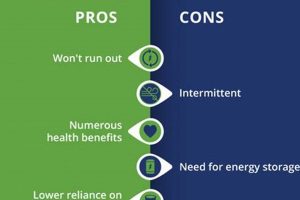
Developing efficient and cost-effective energy storage solutions is vital for addressing the intermittency of renewable energy sources. Batteries, pumped hydro storage, and other storage technologies enable the capture and storage of excess energy generated during periods of high renewable production. This stored energy can then be released during periods of low renewable generation or peak demand, ensuring a continuous and reliable supply of clean electricity. For example, battery storage systems coupled with solar installations can provide power during nighttime hours or cloudy days. Expanding energy storage capacity is essential for maximizing the benefits of intermittent renewable sources and ensuring grid stability.
- Transmission and Distribution Networks
Efficient transmission and distribution networks are necessary for transporting cleaner energy from generation sites to end-users. Upgrading existing transmission lines and developing new transmission corridors are crucial for connecting remote renewable energy projects, such as large-scale solar farms or offshore wind farms, to population centers. For instance, high-voltage direct current (HVDC) transmission lines offer efficient long-distance transport of electricity with minimal losses. Investing in robust transmission and distribution infrastructure is essential for ensuring the widespread accessibility and utilization of cleaner energy resources.
- Integration of Distributed Generation
Sustainable infrastructure must accommodate the increasing prevalence of distributed generation, where smaller-scale renewable energy systems, such as rooftop solar panels, are integrated into the grid. This requires adapting grid management strategies and developing technologies to manage bidirectional power flow, as consumers become both producers and consumers of electricity. For example, smart meters and advanced grid management software can monitor and control the flow of electricity from distributed generation sources, optimizing grid performance and maximizing the utilization of locally generated clean energy. Integrating distributed generation empowers communities and individuals to participate actively in the transition to cleaner energy.
These interconnected elements of sustainable infrastructure are fundamental to supporting the growth and integration of cleaner energy sources. Investing in grid modernization, energy storage solutions, efficient transmission networks, and distributed generation technologies is crucial for creating a robust and resilient energy system capable of delivering clean, reliable, and sustainable power for the future.
4. Economic Opportunities

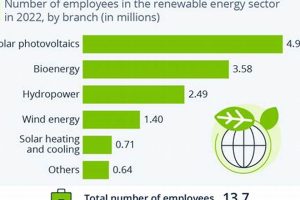
Cleaner energy presents significant economic opportunities, driving job creation, fostering innovation, and stimulating economic growth. The transition away from fossil fuels towards sustainable energy sources necessitates substantial investments in research, development, manufacturing, installation, and maintenance of clean energy technologies. This creates demand for skilled labor across various sectors, ranging from manufacturing and construction to engineering and research. For example, the growth of the solar industry has generated numerous jobs in manufacturing solar panels, installing solar systems, and developing related technologies. Similarly, the wind energy sector requires technicians for turbine maintenance and engineers for designing and optimizing wind farms. These emerging industries offer promising career paths and contribute to economic diversification.
Furthermore, investments in cleaner energy stimulate innovation and technological advancements. As research and development efforts focus on improving the efficiency and affordability of clean energy technologies, new innovations emerge, creating competitive advantages and driving economic growth. For instance, the development of more efficient solar cells or advanced battery storage technologies can lead to cost reductions and wider adoption of cleaner energy solutions. This, in turn, stimulates further investment and creates new market opportunities. Moreover, the transition to cleaner energy can reduce reliance on imported fossil fuels, enhancing energy independence and national energy security, which can have positive economic implications, particularly for countries heavily dependent on energy imports. This shift can stabilize energy prices and reduce vulnerability to global market fluctuations, contributing to long-term economic stability.
In summary, the transition to cleaner energy offers substantial economic benefits, including job creation, innovation, and enhanced energy security. While challenges remain in terms of initial investment costs and infrastructure development, the long-term economic opportunities associated with cleaner energy are undeniable. These opportunities contribute not only to a more sustainable environment but also to a more robust and resilient economy, fostering prosperity and long-term economic growth. Understanding the economic dimensions of cleaner energy is crucial for policymakers, businesses, and individuals to make informed decisions and actively participate in the transition towards a sustainable energy future.
5. Energy Independence

Energy independence, often intertwined with cleaner energy strategies, represents a nation’s capacity to meet its energy demands without relying heavily on imported fuels. This self-sufficiency offers strategic advantages, enhances energy security, and aligns with sustainable energy objectives. Exploring the multifaceted nature of energy independence reveals its close relationship with the transition to cleaner energy sources.
- Reduced Reliance on Geopolitical Dynamics
Energy independence reduces vulnerability to volatile global energy markets and geopolitical instability. By diversifying energy sources and reducing dependence on imported fuels, nations can mitigate the risks associated with supply disruptions, price fluctuations, and political tensions in energy-producing regions. For example, a country investing heavily in domestic solar and wind power reduces its reliance on imported oil and gas, thus enhancing its energy security and shielding its economy from external shocks.
- Enhanced National Security
Energy security is a critical component of national security. Dependence on foreign energy sources can create vulnerabilities and potential points of leverage for other nations. By developing domestic cleaner energy resources, countries can strengthen their energy security, reducing their susceptibility to external pressures and enhancing their ability to act independently on the global stage. Investing in indigenous renewable energy sources provides a more secure and stable energy foundation, safeguarding national interests.
- Economic Stability and Growth
Energy independence can contribute to greater economic stability by reducing exposure to fluctuating global energy prices. Investing in domestic cleaner energy industries creates jobs, stimulates innovation, and strengthens local economies. For instance, developing a domestic manufacturing base for solar panels or wind turbines creates new employment opportunities and reduces reliance on imported energy technologies. This, in turn, bolsters economic growth and enhances national competitiveness.
- Environmental Benefits and Sustainability
Transitioning to cleaner energy sources as part of an energy independence strategy inherently aligns with environmental sustainability goals. Reducing reliance on fossil fuels minimizes greenhouse gas emissions, air pollution, and other environmental impacts associated with conventional energy production. By prioritizing domestic renewable energy resources, nations can simultaneously enhance their energy independence and contribute to global efforts to mitigate climate change and protect the environment. This synergy between energy independence and environmental sustainability creates a mutually reinforcing cycle, promoting both national interests and global environmental well-being.
These interconnected facets of energy independence demonstrate its close relationship with cleaner energy. By reducing reliance on geopolitical dynamics, enhancing national security, promoting economic stability, and contributing to environmental sustainability, energy independence reinforces the benefits of transitioning to cleaner energy sources. This integrated approach fosters a more secure, resilient, and sustainable energy future, both for individual nations and the global community.
Frequently Asked Questions about Cleaner Energy
This section addresses common inquiries regarding cleaner energy, providing concise and informative responses to facilitate a deeper understanding of the topic.
Question 1: What constitutes cleaner energy?
Cleaner energy encompasses energy sources with significantly reduced environmental impact compared to conventional fossil fuels. These typically include renewable resources like solar, wind, hydro, geothermal, and bioenergy, as well as nuclear power.
Question 2: How does cleaner energy mitigate climate change?
Cleaner energy sources produce minimal to no greenhouse gas emissions during operation. This contrasts sharply with fossil fuels, whose combustion releases substantial amounts of carbon dioxide, a primary driver of global warming.
Question 3: Is cleaner energy reliable enough to meet global energy demands?
Advancements in energy storage technologies, grid management, and diversification of renewable energy sources address the intermittency challenges associated with some cleaner energy options. Furthermore, integrating various cleaner energy sources enhances overall energy system reliability.
Question 4: What are the economic implications of transitioning to cleaner energy?
Transitioning to cleaner energy stimulates job growth in manufacturing, installation, maintenance, and research within the renewable energy sector. It also fosters innovation and can reduce reliance on imported fuels, enhancing energy independence and long-term economic stability.
Question 5: What role can individuals play in promoting cleaner energy adoption?
Individuals can contribute by reducing energy consumption at home, investing in energy-efficient appliances, exploring residential renewable energy options, supporting policies that promote cleaner energy, and advocating for sustainable practices within their communities.
Question 6: What are the primary challenges hindering wider adoption of cleaner energy?
Challenges include upfront investment costs, infrastructure development needs, intermittency of some renewable sources, and public awareness. Overcoming these challenges requires coordinated efforts from governments, industries, and individuals.
Understanding these key aspects of cleaner energy is essential for informed decision-making and effective participation in the global transition towards a sustainable energy future.
The next section delves deeper into the specific technologies driving the cleaner energy revolution.
Conclusion
This exploration has highlighted the multifaceted nature of cleaner energy, encompassing its environmental benefits, economic opportunities, and contribution to energy independence. From reduced emissions and resource conservation to sustainable infrastructure development and technological innovation, the transition towards cleaner energy offers a pathway to a more sustainable and secure future. Addressing the challenges of intermittency and initial investment costs through advancements in energy storage, grid modernization, and supportive policies is crucial for realizing the full potential of cleaner energy.
The imperative for cleaner energy adoption extends beyond environmental stewardship. It represents a fundamental shift towards a more resilient and equitable energy landscape. Embracing cleaner energy is not merely a technological endeavor; it is a societal imperative, demanding collaborative action from governments, industries, and individuals to ensure a future powered by sustainable, reliable, and accessible energy for all.