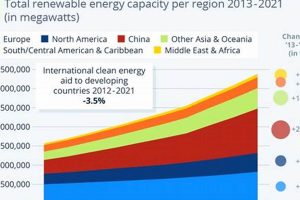
The Annual Energy Outlook, published by the U.S. Energy Information Administration, presents projections for the nation’s energy sector, including detailed forecasts for various renewable energy sources such as solar, wind, hydro, biomass, and geothermal. These projections consider a range of factors impacting energy markets, including technological advancements, policy changes, and economic growth. For example, the outlook typically models different scenarios based on varying assumptions about future energy prices and government regulations.
These projections are essential tools for policymakers, businesses, and researchers in understanding potential future energy trends. They provide valuable insights for strategic planning and investment decisions in the renewable energy sector. Historically, this publication has been instrumental in shaping energy policy discussions and influencing investment flows by offering a comprehensive, data-driven perspective on the evolving energy landscape. The insights provided contribute to more informed decision-making about future energy infrastructure, research and development priorities, and the potential economic and environmental impacts of different energy pathways.
This foundational understanding allows for a deeper exploration of specific areas within the renewable energy sector, such as technological innovation, market trends, policy impacts, and the overall role of renewables in achieving broader energy and environmental goals.
Tips for Utilizing Energy Projections
Strategic use of energy projections can significantly enhance decision-making processes related to energy investments, policy development, and research priorities. The following tips offer guidance on effectively leveraging these valuable resources.
Tip 1: Consider Multiple Scenarios: Energy projections often present multiple scenarios based on varying assumptions. Examining a range of possibilities, from high-growth to low-growth scenarios, provides a more comprehensive understanding of potential future outcomes and associated risks.
Tip 2: Focus on Long-Term Trends: While short-term fluctuations are important, focusing on long-term trends offers greater insight into the overall direction of the energy sector and facilitates more strategic planning.
Tip 3: Analyze Regional Differences: Energy markets and resources vary significantly across regions. Paying attention to regional nuances provides a more granular understanding of specific market dynamics and opportunities.
Tip 4: Understand the Underlying Assumptions: Familiarize yourself with the key assumptions driving the projections, such as technology costs, fuel prices, and policy changes. This understanding allows for a more critical assessment of the projected outcomes.
Tip 5: Integrate with Other Data Sources: Energy projections are most effective when used in conjunction with other relevant data sources, such as market research reports, technology assessments, and environmental impact studies. This integrated approach provides a more holistic perspective.
Tip 6: Regularly Review and Update: The energy landscape is constantly evolving. Regularly reviewing and updating projections ensures that decisions are based on the most current information available.
Tip 7: Consider Uncertainties: Recognize that projections are not predictions. They involve inherent uncertainties. Acknowledging these uncertainties and incorporating them into decision-making processes is crucial.
By carefully considering these tips, stakeholders can more effectively utilize energy projections to inform strategic decisions, navigate the complexities of the energy sector, and contribute to a more sustainable energy future.
This practical guidance, combined with a thorough understanding of energy projections, prepares readers for a deeper exploration of specific renewable energy topics discussed in the following sections.
1. Energy Independence

Energy independence represents a critical driver within the U.S. Energy Information Administration’s renewable energy outlook. Reducing reliance on foreign energy sources enhances national security, strengthens domestic energy markets, and can contribute to greater price stability. The pursuit of energy independence significantly influences projections and analyses within the outlook, shaping investment strategies and policy recommendations.
- Reduced Reliance on Geopolitically Volatile Regions:
Renewable energy sources, being domestically available, offer a pathway to decrease dependence on energy imports from regions with geopolitical instability. This reduces vulnerability to supply disruptions and price volatility stemming from international conflicts or political tensions. The outlook considers the potential for domestic renewable energy production to displace imported fossil fuels, contributing to greater energy security.
- Enhanced Domestic Energy Security:
Diversifying energy sources through increased reliance on renewables strengthens national energy security. A robust domestic renewable energy sector reduces the potential impact of disruptions to global energy supply chains. The outlook assesses the role of renewables in bolstering domestic energy production capacity and enhancing resilience against external shocks.
- Economic Benefits of Domestic Energy Production:
Expanding domestic renewable energy production creates economic opportunities within the United States, generating jobs in manufacturing, installation, maintenance, and research. This economic stimulus strengthens local communities and contributes to national economic growth. The outlook analyzes the potential economic benefits associated with investments in and deployment of renewable energy technologies.
- Strategic Implications for Energy Policy:
The pursuit of energy independence shapes energy policy decisions, driving incentives for renewable energy development, research, and deployment. Policies such as tax credits, renewable portfolio standards, and government-funded research programs are influenced by the overarching goal of reducing reliance on foreign energy sources. The outlook considers the impact of current and potential future policies on the growth of the renewable energy sector and the trajectory towards greater energy independence.
These facets of energy independence are integral to understanding the projections and analyses presented in the EIA’s renewable energy outlook. The interplay between these factors contributes to shaping the future of the nation’s energy landscape and the strategic direction of renewable energy development. By fostering greater energy independence, the growth of renewable energy can enhance national security, stimulate economic prosperity, and contribute to a more sustainable energy future. Further examination of specific renewable technologies and market trends within the outlook provides deeper insights into these complex interactions.
2. Economic Growth

The U.S. Energy Information Administration’s renewable energy outlook recognizes a strong correlation between economic growth and the expansion of the renewable energy sector. This relationship is bidirectional: economic growth can drive demand for energy, including renewables, while investments in and deployment of renewable energy technologies can stimulate economic activity. The outlook considers this dynamic interplay when projecting future energy trends and assessing the economic impacts of various energy scenarios. For instance, increased economic activity typically translates to higher electricity demand. This increased demand can be met, in part, by renewable energy sources, leading to greater investment in renewable energy projects and associated infrastructure. Conversely, investments in renewable energy create jobs in manufacturing, installation, maintenance, and research, contributing to economic growth. The outlook explores these economic impacts, considering factors such as job creation, cost reductions in renewable energy technologies, and the potential for renewables to attract private investment.
Real-world examples illustrate this connection. The growth of the solar and wind industries in recent years has been accompanied by significant job creation and economic benefits in communities where projects are located. Furthermore, declining costs for renewable energy technologies have made them increasingly competitive with traditional fossil fuels, further stimulating market growth and attracting private sector investment. Government policies, such as tax incentives and renewable portfolio standards, also play a role in shaping this relationship by influencing the economics of renewable energy projects and creating a more favorable investment environment. The outlook considers these policy impacts when analyzing potential future growth scenarios for the renewable energy sector.
Understanding the relationship between economic growth and the renewable energy sector is crucial for policymakers, investors, and businesses. It informs investment decisions, helps guide policy development, and provides insights into the potential economic benefits of transitioning to a cleaner energy future. The outlooks analysis of this dynamic relationship contributes to a more comprehensive understanding of the complex factors shaping the future of energy markets and allows stakeholders to make more informed decisions regarding renewable energy investments and policy implementation. This understanding supports strategic planning and facilitates the integration of renewable energy into broader economic development strategies.
3. Technological Advancements

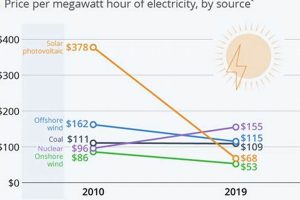
Technological advancements play a crucial role in shaping the U.S. Energy Information Administration’s renewable energy outlook. The outlook explicitly considers the impact of evolving technologies on the cost, efficiency, and deployment of renewable energy sources. This includes advancements in areas such as solar photovoltaic cells, wind turbine technology, energy storage systems, and smart grid technologies. These advancements directly influence projections of future renewable energy generation, costs, and market penetration. For example, improvements in solar cell efficiency and manufacturing processes have dramatically reduced the cost of solar power, leading to wider adoption and increased projections for future solar capacity. Similarly, advancements in wind turbine design and materials have enabled the capture of more wind energy, contributing to higher capacity factors and lower costs for wind power. The outlook incorporates these technological trends to provide a more accurate and nuanced perspective on the future of renewable energy.
The interplay between technological advancements and projected energy trends is a key feature of the outlook. As technologies improve and costs decline, the outlook typically projects higher levels of renewable energy deployment. This, in turn, can influence policy decisions, investment strategies, and research and development priorities. Real-world examples demonstrate this dynamic. The rapid decline in the cost of battery storage technology has made it a more viable option for integrating intermittent renewable sources like solar and wind into the grid, leading to increased investment in storage projects and revised projections for future grid stability. Similarly, advancements in smart grid technologies are expected to improve grid management and facilitate the integration of higher levels of renewable energy. The outlook analyzes these trends and incorporates them into its projections, providing valuable insights into the potential impact of technological advancements on the future energy landscape.
Understanding the crucial role of technological advancements in shaping the renewable energy outlook is essential for stakeholders across the energy sector. It enables policymakers to make informed decisions about research funding and policy incentives, assists businesses in developing strategic investment plans, and provides researchers with a clearer understanding of the key technological drivers influencing the future of renewable energy. The outlook serves as a valuable tool for navigating the complex interplay between technological innovation and energy market dynamics, ultimately contributing to a more comprehensive understanding of the potential for renewable energy to meet future energy demands and drive a transition to a more sustainable energy system. Acknowledging the limitations and uncertainties associated with projecting future technological advancements is crucial for interpreting the outlook and making informed decisions based on its projections.
4. Policy Impacts

Government policies significantly influence the trajectory of renewable energy development and are therefore central to the U.S. Energy Information Administration’s renewable energy outlook. The outlook analyzes the impact of existing and potential future policies on renewable energy markets, considering various policy mechanisms such as tax incentives, renewable portfolio standards (RPS), carbon pricing, and emissions regulations. Understanding these policy impacts is crucial for projecting future renewable energy deployment, assessing market dynamics, and informing policy decisions.
- Renewable Portfolio Standards (RPS):
RPS policies mandate that a certain percentage of electricity generation come from renewable sources. These policies create direct demand for renewable energy, driving investment and deployment. State-level RPS policies have been instrumental in the growth of renewable energy in many regions of the United States. The outlook considers the stringency and coverage of RPS policies when projecting future renewable energy capacity additions.
- Tax Incentives:
Tax credits, such as the Production Tax Credit (PTC) and the Investment Tax Credit (ITC), have played a significant role in reducing the cost of renewable energy technologies and stimulating market growth. The availability and design of these incentives directly impact the economics of renewable energy projects and influence investment decisions. The outlook analyzes the impact of tax incentives on the financial viability of renewable energy projects and their contribution to overall market growth.
- Carbon Pricing:
Policies that put a price on carbon emissions, such as carbon taxes or cap-and-trade programs, can create economic incentives for shifting away from fossil fuels and towards cleaner energy sources, including renewables. The outlook considers the potential impact of carbon pricing policies on the competitiveness of renewable energy relative to fossil fuels.
- Emissions Regulations:
Regulations aimed at reducing greenhouse gas emissions, such as the Clean Power Plan, can drive demand for renewable energy as a compliance option. The stringency and scope of these regulations directly impact the projected growth of renewable energy. The outlook analyzes the influence of emissions regulations on the adoption of renewable energy technologies and their role in achieving emissions reduction targets.
The complex interplay of these policy mechanisms is a key consideration within the EIA’s renewable energy outlook. Analyzing the combined effects of various policies provides a more comprehensive understanding of their potential impact on renewable energy markets and the overall energy landscape. The outlook considers the potential for policy changes to accelerate or hinder the growth of renewable energy, providing valuable insights for policymakers, investors, and other stakeholders. These insights inform policy development, guide investment decisions, and contribute to a more informed understanding of the role of policy in shaping the future of renewable energy.
5. Emissions Reductions

Emissions reductions represent a core component of the U.S. Energy Information Administration’s renewable energy outlook. The outlook explicitly analyzes the contribution of renewable energy sources to reducing greenhouse gas emissions, a key factor in mitigating climate change. This analysis considers the projected growth of various renewable energy technologies, their displacement of fossil fuels, and the resulting impact on overall emissions levels. The outlook explores various scenarios, considering different policy pathways and technological advancements, to project the potential range of emissions reductions achievable through renewable energy deployment. This information is crucial for policymakers seeking to develop effective climate mitigation strategies and for understanding the role of renewable energy in achieving emissions reduction targets. For instance, the outlook might project the decrease in carbon dioxide emissions resulting from increased solar and wind capacity additions, displacing coal-fired power generation. It would also likely analyze how different policy scenarios, such as implementing a carbon tax or strengthening renewable portfolio standards, could further influence emissions reductions.
The connection between emissions reductions and the renewable energy outlook is reinforced by real-world examples and data. Observed reductions in emissions in regions with significant renewable energy deployment demonstrate the tangible impact of renewable energy on decarbonizing the electricity sector. Furthermore, the outlook often incorporates lifecycle emissions analyses of different energy sources, providing a more comprehensive understanding of the overall environmental benefits of renewable energy. For example, analyses might compare the lifecycle greenhouse gas emissions of solar power to those of natural gas, accounting for emissions associated with manufacturing, transportation, installation, operation, and decommissioning. This detailed analysis provides a more nuanced understanding of the environmental trade-offs associated with different energy choices and informs decision-making related to investments in renewable energy technologies.
Understanding the crucial link between emissions reductions and the renewable energy outlook is essential for developing effective climate change mitigation strategies. The outlook provides critical insights into the potential for renewable energy to contribute to national and global emissions reduction goals. This understanding enables policymakers to design effective policies, encourages businesses to invest in clean energy solutions, and informs public discourse on climate change mitigation. The outlooks projections, however, are subject to uncertainties related to future technological advancements, policy changes, and economic growth. Recognizing these uncertainties and considering a range of potential scenarios are crucial for interpreting the outlook and making informed decisions based on its projections. Ultimately, the outlook serves as a valuable resource for navigating the complex relationship between energy production, emissions reductions, and the transition to a more sustainable energy future.
6. Grid Modernization

Grid modernization is integral to the U.S. Energy Information Administration’s renewable energy outlook. The increasing penetration of renewable energy sources, such as solar and wind power, necessitates significant upgrades and modernization of the existing electricity grid infrastructure. The outlook recognizes this critical connection and analyzes the grid modernization requirements associated with higher levels of renewable energy integration. This analysis considers factors like grid stability, reliability, and the need for increased transmission capacity to accommodate the intermittent nature of renewable energy sources. The outlook explores the investments required to modernize the grid, including upgrades to transmission lines, distribution systems, and grid management technologies. These investments are essential for enabling the reliable and efficient integration of larger amounts of renewable energy into the electricity system. For example, the outlook might analyze the need for new transmission lines to connect remote wind farms to population centers or the deployment of advanced grid management systems to balance intermittent renewable generation with fluctuating demand. This analysis informs projections of future renewable energy deployment and assesses the costs and benefits of grid modernization investments.
The practical significance of understanding the connection between grid modernization and the renewable energy outlook is underscored by real-world examples. Challenges associated with integrating large amounts of solar and wind power into existing grid infrastructure have highlighted the need for grid modernization. Instances of grid instability and curtailment of renewable energy generation demonstrate the limitations of outdated grid systems. Investments in grid modernization, such as the deployment of smart grid technologies and the expansion of transmission capacity, are already underway in many regions to address these challenges. The outlook considers these real-world experiences and incorporates them into its projections and analyses, providing valuable insights for policymakers, grid operators, and investors. Furthermore, the outlook often explores different grid modernization scenarios, considering various investment levels and technological options, to assess their impact on renewable energy integration and system reliability.
In summary, grid modernization is not merely a supporting element but rather a fundamental requirement for achieving the levels of renewable energy penetration projected in the EIA’s renewable energy outlook. The outlook provides critical insights into the grid modernization needs associated with a transition to a cleaner energy future, informing investment decisions, policy development, and technological innovation. Addressing the challenges and opportunities associated with grid modernization is crucial for realizing the full potential of renewable energy and achieving a sustainable energy system. The outlook’s analysis of this crucial connection provides valuable guidance for stakeholders navigating the complex interplay between renewable energy integration, grid infrastructure, and the evolving energy landscape. It also highlights the need for continued research and development in grid technologies to further enhance the efficiency, reliability, and resilience of the modern electricity grid. Ultimately, understanding the interdependence of grid modernization and renewable energy deployment is essential for ensuring a smooth and successful transition to a cleaner, more sustainable energy future.
Frequently Asked Questions
This section addresses common inquiries regarding the U.S. Energy Information Administration’s renewable energy outlook, providing concise and informative responses.
Question 1: How frequently is the renewable energy outlook updated?
The outlook is typically updated annually to reflect the latest data, policy changes, and technological advancements. Regular updates ensure that the projections remain relevant and reflect the evolving energy landscape.
Question 2: What specific renewable energy sources are included in the outlook?
The outlook covers a range of renewable energy technologies, including solar photovoltaic (PV), concentrating solar power (CSP), wind, hydropower, geothermal, biomass, and biofuels.
Question 3: How does the outlook account for uncertainties in future energy markets?
The outlook typically presents multiple scenarios based on varying assumptions regarding key factors like economic growth, energy prices, technology costs, and policy changes. This approach helps to capture the inherent uncertainties associated with long-term energy projections.
Question 4: What is the role of technological advancements in the outlook’s projections?
Technological advancements play a crucial role in the outlook. The projections consider expected improvements in renewable energy technologies, such as increased efficiency and reduced costs, influencing projected deployment levels and market penetration.
Question 5: How does the outlook address the issue of grid integration challenges related to renewable energy?
The outlook recognizes the importance of grid modernization for integrating higher levels of renewable energy. It analyzes the grid infrastructure needs, such as transmission capacity upgrades and smart grid technologies, associated with increased renewable energy penetration.
Question 6: How can the outlook inform policy decisions related to renewable energy?
The outlook provides valuable insights into the potential impacts of various policy mechanisms, such as renewable portfolio standards, tax incentives, and carbon pricing, on renewable energy deployment. This information can inform policy design and evaluation, helping to guide decision-making and support the development of effective energy policies.
Understanding these key aspects of the renewable energy outlook provides a foundation for informed decision-making in the energy sector. Consulting the full report offers a deeper dive into the methodologies, data, and detailed projections.
The subsequent sections delve further into specific topics within the renewable energy outlook, providing a more granular analysis of key trends and challenges.
Conclusion
This exploration of the U.S. Energy Information Administration’s renewable energy outlook has highlighted its multifaceted nature. Key takeaways include the significant influence of technological advancements on projected renewable energy costs and deployment, the crucial role of policy in shaping market growth and investment decisions, and the complex interplay between renewable energy integration, grid modernization, and overall energy system reliability. The outlook underscores the importance of considering various scenarios and uncertainties when projecting future energy trends, offering a range of potential pathways for the evolution of the renewable energy sector. Furthermore, the analysis emphasizes the connection between renewable energy development, economic growth, energy independence, and emissions reductions, positioning renewable energy as a critical component of a sustainable energy future.
The evolving energy landscape requires ongoing analysis and adaptation. Strategic decision-making in the energy sector necessitates a thorough understanding of the factors shaping the future of renewable energy, as presented in the EIA’s outlook. Continued engagement with these projections and analyses will be essential for navigating the complexities of the energy transition and ensuring a resilient, sustainable, and prosperous energy future. Further research, innovation, and informed policy decisions are crucial for realizing the full potential of renewable energy and achieving long-term energy and environmental goals.