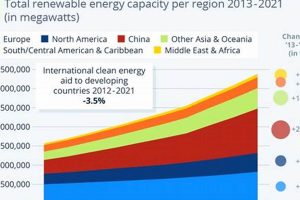
Pooling capital from various sources allows for financing projects dedicated to generating power from sustainable sources like solar, wind, hydro, geothermal, and biomass. For instance, an entity might gather investments to construct a new wind farm or improve existing hydroelectric infrastructure.
These financial instruments play a crucial role in combating climate change by accelerating the transition to a lower-carbon economy. Historically, funding for such projects was limited, hindering widespread adoption. However, growing awareness of environmental concerns and the increasing cost-competitiveness of renewable energy have spurred significant growth in these types of investment vehicles, driving innovation and deployment across the globe.
This article will further explore various aspects of sustainable energy finance, including different investment strategies, potential risks and returns, and the overall impact on the global energy landscape.
Tips for Sustainable Energy Investing
Navigating the landscape of sustainable energy finance requires careful consideration. The following tips offer guidance for potential investors.
Tip 1: Diversify across Technologies: Concentrating investments solely on one technology (e.g., solar) can expose portfolios to undue risk. A balanced approach incorporating various renewable energy sources is recommended.
Tip 2: Consider Geographic Diversification: Different regions offer varying levels of resource availability, regulatory support, and political stability. Geographic diversification can mitigate regional risks.
Tip 3: Understand the Regulatory Landscape: Government policies and incentives significantly influence the profitability of renewable energy projects. Thorough research into the regulatory environment is essential.
Tip 4: Evaluate Fund Managers Carefully: The expertise and track record of fund managers are crucial factors. Due diligence is necessary to assess their experience in the renewable energy sector.
Tip 5: Assess Risk Tolerance: Investments in emerging technologies or developing markets may offer higher potential returns but also carry higher risks. Aligning investments with individual risk tolerance is paramount.
Tip 6: Analyze Fee Structures: Different funds have varying fee structures, including management fees and performance fees. Understanding these costs is critical for maximizing returns.
Tip 7: Consider Long-Term Investment Horizons: Renewable energy projects often involve long lead times and require a long-term investment perspective for optimal returns.
By adhering to these guidelines, investors can make more informed decisions and potentially contribute to a more sustainable future while aiming for financial growth.
This concludes the advice section. The following segment will offer concluding remarks on the importance of transitioning to a cleaner energy future and the role of informed investment.
1. Funding Sustainable Power

Funding sustainable power represents a core function of renewable energy investment funds. These funds act as conduits, channeling capital from investors into projects that generate electricity from renewable sources. This connection is fundamental: without adequate funding, the development and deployment of renewable energy technologies would be severely constrained. For instance, the construction of large-scale solar farms or offshore wind installations requires substantial upfront investment, often beyond the capacity of individual developers. Investment funds bridge this gap, enabling projects to reach fruition and contribute to a cleaner energy mix. The cause-and-effect relationship is clear: funding facilitates project development, which in turn increases the supply of sustainable power.
The importance of funding sustainable power as a component of these investment strategies cannot be overstated. It serves as the engine for growth within the renewable energy sector, driving innovation and economies of scale. Consider the growth of the solar industry, fueled in large part by investment funds that enabled manufacturers to scale production and reduce costs. This, in turn, made solar power more accessible to consumers and businesses, accelerating its adoption globally. Practical examples abound: a fund might invest in a company developing advanced battery storage technology, crucial for maximizing the utilization of intermittent renewable sources like solar and wind. Alternatively, a fund might finance the construction of a geothermal power plant, providing a baseload source of clean energy.
Understanding the crucial link between funding and sustainable power generation is paramount for informed decision-making in the renewable energy sector. While challenges remain, such as regulatory hurdles and grid infrastructure limitations, the continued flow of capital into innovative projects is essential for achieving a sustainable energy future. This understanding informs investment strategies, policy decisions, and technological development, ultimately shaping the trajectory of the global energy transition.
2. Mitigating Climate Change

Renewable energy investment funds play a critical role in mitigating climate change by accelerating the transition from fossil fuel-based energy generation to cleaner, renewable sources. This shift reduces greenhouse gas emissions, a primary driver of global warming. The causal link is direct: increased investment in renewable energy projects leads to a decrease in reliance on fossil fuels and, consequently, a reduction in carbon emissions. The importance of climate change mitigation as a driving force behind these investments cannot be overstated. It represents a core objective, aligning financial returns with environmental responsibility. For instance, a fund might invest in a portfolio of wind energy projects, displacing electricity generation that would have otherwise come from coal-fired power plants, thereby reducing emissions.
Real-world examples demonstrate the tangible impact of such investments. Consider the growing number of solar farms being deployed globally, often financed through dedicated renewable energy funds. These installations directly reduce carbon emissions by generating clean electricity. Similarly, investments in hydropower projects offer a low-carbon alternative to traditional fossil fuel-based power generation. Furthermore, these funds often support the development and deployment of innovative technologies, such as advanced bioenergy or carbon capture and storage, further contributing to climate change mitigation efforts. The practical significance of this understanding is profound. It informs policy decisions, guides investment strategies, and shapes technological development, all contributing to a more sustainable future. By recognizing the interconnectedness of renewable energy investments and climate change mitigation, stakeholders can make more informed choices that benefit both the environment and the economy.
Addressing the climate crisis requires a multifaceted approach, and renewable energy investment funds represent a crucial component of this effort. While challenges remain, including the intermittency of some renewable energy sources and the need for robust grid infrastructure, the continued growth of these funds signifies a positive trend toward a cleaner energy future. By understanding the direct impact of these investments on mitigating climate change, stakeholders can better align their actions with global sustainability goals and accelerate the transition to a low-carbon economy. This understanding is essential not only for financial decision-making but also for shaping a more sustainable future for generations to come.
3. Portfolio Diversification

Portfolio diversification within renewable energy investment funds mitigates risks associated with individual technologies or projects. By spreading investments across a range of renewable energy sources, such as solar, wind, hydro, geothermal, and biomass, funds reduce their vulnerability to factors impacting specific sectors. This approach acknowledges that different technologies face unique challenges and opportunities. For instance, solar projects may be affected by weather patterns, while wind projects depend on consistent wind resources. Diversification acts as a buffer, ensuring that the overall fund performance is not overly reliant on the success of a single technology. The importance of portfolio diversification stems from the inherent volatility of individual renewable energy sectors. A diversified portfolio reduces the impact of any single project’s underperformance on overall returns.
Real-world examples illustrate the benefits of diversification. A fund investing solely in solar projects in a single geographic location would be highly susceptible to local regulatory changes or weather events. Conversely, a diversified fund with investments in solar, wind, and geothermal projects across multiple regions would be less impacted by such localized factors. This approach enhances the fund’s resilience and offers more predictable returns. For instance, a fund might balance investments in established technologies like onshore wind with allocations to emerging technologies like offshore wind or tidal energy. This blend of established and emerging sectors optimizes risk-adjusted returns. The practical significance of understanding portfolio diversification lies in its contribution to sound investment strategy. Investors can manage risk more effectively and potentially enhance returns by spreading investments across diverse renewable energy technologies and geographies. This understanding allows for more informed decisions, aligning investment goals with risk tolerance and maximizing the potential for long-term financial success within the renewable energy sector.
In conclusion, portfolio diversification is a cornerstone of prudent renewable energy investing. While specialization in a particular technology may offer higher potential returns, it also carries concentrated risks. Diversification provides a balanced approach, mitigating these risks while still allowing for participation in the growth of the renewable energy sector. Addressing the inherent volatility of individual renewable energy technologies through diversification contributes to the long-term stability and success of these investments. This understanding is crucial not only for individual investors but also for institutional investors and fund managers seeking to optimize performance and contribute to a more sustainable energy future.
4. Long-term growth potential

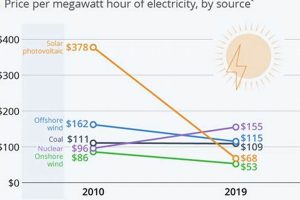
Renewable energy investment funds offer significant long-term growth potential driven by several converging factors. The global transition to a sustainable energy future necessitates substantial investments in renewable energy infrastructure. This creates a long-term demand driver for projects financed by these funds. Furthermore, technological advancements continually improve the efficiency and cost-competitiveness of renewable energy technologies, enhancing their long-term viability and attractiveness to investors. Government policies supporting renewable energy development, such as tax incentives and carbon pricing mechanisms, further bolster the long-term growth potential of these investments. This potential represents a core aspect of renewable energy investment funds, aligning financial returns with global sustainability goals. Investing in these funds provides an opportunity to participate in the expansion of a sector poised for sustained growth, driven by both environmental necessity and technological advancement. For instance, the increasing affordability of solar photovoltaic technology has spurred widespread adoption, creating substantial investment opportunities.
Real-world examples demonstrate this long-term growth potential. Consider the rapid expansion of the wind energy sector, fueled by declining costs and supportive government policies. Investment funds focused on wind energy have benefited from this growth, generating substantial returns for investors. Similarly, investments in energy storage technologies, crucial for integrating intermittent renewable sources into the grid, are expected to experience significant growth in the coming decades. These practical applications underscore the long-term investment horizon associated with renewable energy projects. While short-term market fluctuations may occur, the underlying trend toward a sustainable energy future supports the long-term growth potential of these investments. A fund might invest in a portfolio of early-stage renewable energy companies, anticipating substantial growth as these technologies mature and gain market share. Conversely, a fund might focus on established renewable energy projects, generating stable, long-term returns from operating assets.
Understanding the long-term growth potential associated with renewable energy investment funds is crucial for informed decision-making. While challenges remain, such as grid integration and permitting processes, the long-term trajectory of the renewable energy sector remains positive. This understanding enables investors to align their investment strategies with long-term sustainability goals and participate in the financial opportunities presented by the global energy transition. Recognizing the drivers of this long-term growth, including policy support and technological innovation, allows investors to assess the potential risks and rewards associated with these investments. Ultimately, this understanding contributes to a more informed and sustainable investment landscape, fostering both financial returns and environmental progress.
5. Driving Technological Innovation

Renewable energy investment funds play a crucial role in driving technological innovation within the sustainable energy sector. By providing financial backing to research and development efforts, these funds accelerate the advancement of renewable energy technologies, improving efficiency, reducing costs, and expanding deployment. This connection between investment and innovation is essential for the continued growth and maturation of the renewable energy sector. Funding acts as a catalyst, enabling researchers and companies to pursue groundbreaking ideas and bring them to market. The importance of driving technological innovation as a component of these investment funds cannot be overstated. It represents a forward-looking approach, recognizing that continuous improvement is essential for achieving a truly sustainable energy future. For instance, investment in advanced battery storage technologies is crucial for maximizing the utilization of intermittent renewable sources like solar and wind power.
Real-world examples highlight the practical impact of this investment-driven innovation. Consider the development of more efficient solar photovoltaic cells, driven in part by funding from renewable energy investment funds. These advancements have significantly reduced the cost of solar energy, making it more competitive with traditional fossil fuels. Similarly, investments in advanced wind turbine technology have led to larger, more efficient turbines capable of generating greater amounts of electricity. These advancements have a direct impact on the feasibility and scalability of renewable energy projects. Furthermore, funding for research into next-generation biofuels and geothermal energy technologies promises to further diversify the renewable energy landscape and unlock new sources of clean power. These practical applications demonstrate the tangible benefits of investing in technological innovation within the renewable energy sector.
Understanding the connection between renewable energy investment funds and technological innovation is crucial for assessing the long-term potential of the sector. While challenges remain, such as the need for improved grid infrastructure and the development of cost-effective energy storage solutions, the continued flow of investment into innovative technologies offers a pathway toward a more sustainable energy future. This understanding informs investment strategies, policy decisions, and research priorities, ultimately shaping the trajectory of the global energy transition. By recognizing the crucial role of innovation in achieving a sustainable energy future, stakeholders can make more informed decisions and contribute to a cleaner, more resilient energy system. Addressing the complex challenges associated with transitioning to a sustainable energy future requires continuous innovation, and renewable energy investment funds play a critical role in fostering this progress.
Frequently Asked Questions
This section addresses common inquiries regarding investments focused on sustainable energy sources.
Question 1: What are the typical investment horizons for these types of funds?
Investment horizons often range from five to ten years, reflecting the long-term nature of renewable energy projects. Some funds may have longer or shorter timeframes depending on their specific strategies.
Question 2: How do these funds mitigate the risks associated with emerging renewable energy technologies?
Risk mitigation strategies include rigorous due diligence on underlying technologies, portfolio diversification across different renewable energy sources, and careful selection of experienced management teams.
Question 3: What is the role of government policy in influencing the performance of these investments?
Government policies, such as tax incentives, subsidies, and renewable portfolio standards, play a significant role in shaping the economic viability and attractiveness of renewable energy projects. Changes in policy can impact investment returns.
Question 4: How do these funds compare to traditional energy investments in terms of risk and return?
Renewable energy investments generally offer a different risk-return profile compared to traditional energy investments. While traditional energy investments may offer higher short-term returns, they can also be more volatile. Renewable energy investments often provide more stable, long-term returns with potentially lower volatility.
Question 5: What due diligence should investors conduct before investing in these funds?
Investors should carefully evaluate the fund manager’s track record, investment strategy, fee structure, and the underlying portfolio of renewable energy projects. Independent research and seeking professional financial advice are also recommended.
Question 6: How do these funds contribute to environmental sustainability goals?
By financing the development and deployment of renewable energy projects, these funds directly contribute to reducing greenhouse gas emissions and mitigating climate change. They also promote the transition to a cleaner, more sustainable energy system.
Understanding these key aspects is crucial for making informed investment decisions in the renewable energy sector. The transition to a sustainable energy future presents significant investment opportunities, and a thorough understanding of the risks and potential rewards is essential for successful participation.
The subsequent section will explore specific examples of successful renewable energy projects and the role of investment funds in their development.
Conclusion
This exploration of renewable energy investment funds has highlighted their crucial role in financing the global transition to a sustainable energy future. Key aspects discussed include their function in funding sustainable power projects, mitigating climate change through reduced reliance on fossil fuels, offering portfolio diversification opportunities, providing long-term growth potential aligned with global sustainability objectives, and driving technological innovation within the renewable energy sector. The complexities of regulatory landscapes, risk assessment, and due diligence processes were also examined, emphasizing the importance of informed investment decisions.
The future of energy hinges on continued investment in renewable resources. Strategic allocation of capital towards these funds represents not only a financial opportunity but also a commitment to a more sustainable planet. The transition to a cleaner energy future requires collaborative efforts from investors, policymakers, and innovators, with renewable energy investment funds serving as a critical bridge between financial resources and technological advancements. The journey towards a sustainable energy future demands proactive engagement and informed decision-making, ensuring a responsible and prosperous future for generations to come.