A postgraduate degree in sustainable power generation typically involves advanced study of various resources like solar, wind, hydro, geothermal, and biomass energy. Curriculum often includes topics such as energy systems integration, energy storage, policy and economics, and sustainable development. A sample program might offer specializations in areas like photovoltaic technologies or wind turbine engineering.
Advanced qualifications in this field are increasingly vital for addressing the global challenge of transitioning to cleaner energy sources. Such programs equip professionals with the technical and analytical skills necessary for developing, implementing, and managing renewable energy projects, fostering innovation and driving the growth of a sustainable energy future. The rising prominence of this academic pursuit reflects the growing worldwide recognition of the urgency of climate change mitigation and the critical role of renewable energy in that effort.
Further exploration of specific degree program components, career pathways, and emerging trends within the renewable energy sector can provide a more comprehensive understanding of this dynamic field. This understanding is crucial for both prospective students and professionals seeking to contribute to a more sustainable world.
Tips for Pursuing Advanced Studies in Sustainable Power Generation
Careful planning and consideration are essential for individuals seeking to advance their knowledge and careers in the field of sustainable power sources. The following tips offer guidance for navigating the academic landscape and maximizing the benefits of advanced study.
Tip 1: Identify Specific Areas of Interest: Sustainable power generation encompasses a wide range of technologies and specializations. Focusing on a particular area, such as wind energy, solar photovoltaics, or energy storage, allows for a more targeted approach to education and career development.
Tip 2: Research Program Curriculum and Faculty: Thoroughly examine program curricula to ensure alignment with individual career goals. Investigating faculty expertise and research areas can offer insights into potential mentorship and research opportunities.
Tip 3: Consider Program Accreditation and Reputation: Accreditation by recognized bodies ensures a program meets specific quality standards. A program’s reputation within the industry can impact career prospects and networking opportunities.
Tip 4: Evaluate Internship and Research Opportunities: Practical experience is invaluable in the field of sustainable power. Seek programs that offer internships, research projects, or collaborations with industry partners.
Tip 5: Explore Funding Options and Scholarships: Advanced education can be a significant investment. Investigate potential funding sources, including scholarships, grants, and fellowships, to minimize financial burden.
Tip 6: Network with Professionals and Alumni: Connecting with professionals and alumni working in sustainable power can provide valuable insights into career paths, industry trends, and potential job opportunities.
Tip 7: Stay Updated on Industry Advancements: The renewable energy sector is constantly evolving. Staying abreast of the latest technological advancements, policy changes, and market trends is crucial for career success.
By considering these tips, prospective students can make informed decisions about their educational pursuits and position themselves for successful careers in the dynamic and impactful field of sustainable power generation.
These preparatory steps are fundamental to a fulfilling and impactful career contributing to a more sustainable future.
1. Advanced Studies

Advanced studies in renewable energy represent a crucial step towards gaining specialized knowledge and expertise in this rapidly evolving field. These programs delve deeper into the scientific, technological, and economic principles underpinning sustainable power generation, preparing individuals for leadership roles in research, development, and implementation.
- Specialized Knowledge Acquisition
Advanced programs offer in-depth exploration of specific renewable energy technologies, such as photovoltaic systems, wind turbine design, or energy storage solutions. This specialized knowledge is essential for contributing to technological advancements and addressing complex challenges within the field. For example, a deep understanding of power electronics is crucial for optimizing the performance of solar energy systems.
- Research and Development Skills
A master’s program often includes research components, equipping students with the skills needed to conduct independent investigations, analyze data, and contribute to the expanding body of knowledge in renewable energy. This might involve developing new materials for solar cells or optimizing the control systems for wind farms.
- Policy and Economic Analysis
Understanding the policy landscape and economic drivers shaping the renewable energy sector is critical for effective implementation and market integration. Advanced studies often incorporate courses on energy policy, market analysis, and project finance, enabling graduates to navigate the complexities of the industry. This could include analyzing the impact of carbon pricing policies or evaluating the financial viability of renewable energy projects.
- Industry Connections and Networking
Many advanced programs foster connections with industry partners through internships, research collaborations, and guest lectures. These opportunities provide valuable practical experience and networking opportunities, facilitating career transitions and collaborations within the renewable energy sector. This could involve working on a real-world project with a renewable energy company or attending industry conferences to connect with potential employers.
These facets of advanced studies collectively contribute to the development of highly qualified professionals capable of driving innovation and shaping the future of sustainable power. By fostering deep technical expertise, research capabilities, and industry connections, these programs equip individuals to address the complex challenges and opportunities inherent in the global transition to renewable energy sources.
2. Sustainable Power Expertise

Sustainable power expertise, a critical outcome of a master’s degree in renewable energy, represents a comprehensive understanding of the diverse technological, economic, and policy aspects driving the transition to clean energy sources. This expertise is fundamental for developing, implementing, and managing sustainable energy solutions, positioning professionals at the forefront of a rapidly evolving global landscape.
- Technical Proficiency in Renewable Energy Technologies
Deep technical knowledge of various renewable energy technologies, including solar photovoltaic systems, wind turbines, hydropower, geothermal energy, and biomass energy, forms the cornerstone of sustainable power expertise. Understanding the principles of energy conversion, system design, and performance optimization is crucial for developing and implementing effective renewable energy projects. For example, expertise in photovoltaic cell design can lead to more efficient solar panels, while a deep understanding of wind turbine aerodynamics can optimize energy capture.
- Integration of Renewable Energy Systems
Integrating renewable energy sources into existing power grids presents significant technical challenges. Sustainable power expertise involves a thorough understanding of grid management, energy storage solutions, and smart grid technologies. This knowledge enables effective integration of intermittent renewable sources, ensuring grid stability and reliability. Examples include developing advanced control systems for managing fluctuating solar power input or designing energy storage systems using batteries or pumped hydro to balance supply and demand.
- Economic and Policy Analysis of Renewable Energy
Sustainable power expertise extends beyond technical proficiency to encompass the economic and policy frameworks shaping the renewable energy sector. Understanding energy markets, regulatory policies, and financial incentives is crucial for assessing the viability and impact of renewable energy projects. Analyzing the impact of carbon pricing policies or evaluating the financial returns of different renewable energy investments are key examples of this expertise.
- Sustainability Assessment and Environmental Impact Analysis
Developing truly sustainable power solutions requires a comprehensive understanding of the environmental and social impacts of renewable energy technologies. Sustainable power expertise includes the ability to conduct life-cycle assessments, evaluate environmental impacts, and develop strategies for minimizing negative consequences while maximizing positive social and ecological outcomes. This could involve assessing the land use impacts of large-scale solar farms or evaluating the effects of wind turbines on bird populations.
These interconnected facets of sustainable power expertise, cultivated through advanced study in renewable energy, equip professionals with the comprehensive skillset needed to navigate the complex challenges and opportunities inherent in the global transition to a sustainable energy future. A master’s program provides the framework for developing this expertise, empowering graduates to become leaders and innovators in the field.
3. Career Advancement
A master’s degree in renewable energy serves as a significant catalyst for career advancement within the burgeoning sustainable energy sector. The specialized knowledge, research skills, and industry connections fostered through advanced study position graduates for leadership roles and increased earning potential. This qualification differentiates candidates in a competitive job market, opening doors to diverse career paths and accelerating professional growth.
The link between advanced education and career progression is evident in the increasing demand for highly qualified professionals in renewable energy. Employers seek individuals with the expertise to manage complex projects, develop innovative technologies, and navigate the evolving policy landscape. For example, a project manager with a master’s degree might lead the development of a large-scale solar farm, while a research scientist with advanced qualifications could contribute to breakthroughs in energy storage technology. These roles often command higher salaries and offer greater opportunities for leadership and professional development compared to entry-level positions.
Furthermore, a master’s degree can facilitate career transitions for professionals seeking to enter the renewable energy sector from other fields. The comprehensive curriculum provides a foundation in the technical, economic, and policy aspects of sustainable power, enabling individuals with diverse backgrounds to acquire the necessary skills and knowledge. This interdisciplinary approach broadens career options, allowing professionals to leverage their existing expertise while contributing to a rapidly growing and impactful industry. Ultimately, pursuing a master’s degree represents a strategic investment in one’s career, enhancing earning potential, unlocking leadership opportunities, and contributing to the global transition to a sustainable energy future.
4. Global Impact
A master’s degree in renewable energy empowers individuals to contribute significantly to global sustainability efforts. By fostering expertise in sustainable power generation, these programs cultivate a workforce capable of addressing critical global challenges related to climate change, energy access, and economic development. The impact of this expertise extends beyond national borders, influencing international collaborations, technological advancements, and policy frameworks aimed at a cleaner and more equitable energy future.
- Climate Change Mitigation
Graduates contribute directly to mitigating climate change by developing and implementing renewable energy solutions that reduce greenhouse gas emissions. Their expertise in areas like solar and wind energy deployment, energy efficiency improvements, and sustainable transportation systems plays a crucial role in transitioning away from fossil fuels and mitigating the impacts of global warming. For instance, designing and implementing large-scale solar projects in regions with high solar irradiance can significantly reduce reliance on coal-fired power plants, leading to substantial emissions reductions.
- Energy Access Expansion
Expanding access to clean and affordable energy in underserved communities is a critical global challenge. Professionals with expertise in renewable energy technologies can design and implement off-grid and mini-grid solutions, bringing electricity to remote areas and empowering communities with sustainable energy resources. Examples include designing solar-powered microgrids for rural villages or developing innovative financing mechanisms for community-owned renewable energy projects. This work has profound social and economic impacts, improving health, education, and economic opportunities in energy-poor regions.
- Sustainable Development Advancement
Renewable energy plays a central role in achieving sustainable development goals. Graduates contribute to this broader agenda by promoting sustainable economic growth, creating green jobs, and fostering environmental protection. Their expertise in areas like sustainable urban planning, circular economy principles, and resource management contributes to building more resilient and equitable societies. For example, integrating renewable energy into urban development plans can reduce air pollution and improve public health, while promoting energy efficiency in industrial processes can contribute to resource conservation and economic competitiveness.
- International Collaboration and Knowledge Sharing
Addressing global challenges requires international cooperation and knowledge sharing. Master’s programs in renewable energy often foster international collaborations, enabling professionals to exchange best practices, develop joint projects, and contribute to a global network of expertise. This collaborative approach accelerates the development and deployment of renewable energy technologies worldwide, fostering innovation and driving the global transition to a sustainable energy future. Examples include participating in international research projects on smart grid technologies or collaborating with organizations in developing countries to implement renewable energy solutions.
These interconnected facets of global impact highlight the significant role that individuals with a master’s degree in renewable energy play in shaping a more sustainable future. By equipping professionals with the necessary skills and knowledge, these programs contribute directly to global efforts aimed at mitigating climate change, expanding energy access, and advancing sustainable development worldwide.
5. Technological Innovation

Technological innovation forms the cornerstone of advancements within the renewable energy sector. A master’s degree in renewable energy equips individuals with the knowledge and skills necessary to drive this innovation, contributing to the development and implementation of cutting-edge technologies crucial for a sustainable energy future. This connection between advanced education and technological progress is essential for addressing the complex challenges and opportunities presented by the global transition to clean energy sources.
- Advanced Materials for Renewable Energy
Research and development of novel materials play a critical role in enhancing the efficiency, durability, and cost-effectiveness of renewable energy technologies. A master’s program provides the platform for exploring advancements in materials science, such as perovskite solar cells, high-strength composites for wind turbine blades, or advanced electrolytes for energy storage systems. These advancements are essential for pushing the boundaries of renewable energy performance and enabling wider adoption of clean energy solutions. For example, developing more efficient and stable perovskite materials can significantly increase the power output of solar panels while reducing manufacturing costs.
- Smart Grid Technologies and Integration
The increasing penetration of renewable energy sources requires sophisticated grid management systems to ensure stability and reliability. Master’s programs delve into smart grid technologies, including advanced sensors, real-time monitoring systems, and predictive analytics. These tools enable efficient integration of intermittent renewable sources, optimizing grid performance and minimizing disruptions. For instance, using artificial intelligence to predict fluctuations in solar and wind power generation allows grid operators to proactively adjust energy supply and demand, maintaining grid stability.
- Energy Storage Solutions
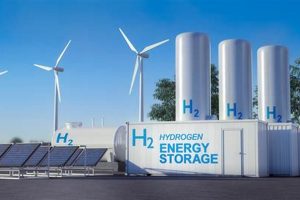
Efficient and cost-effective energy storage is crucial for addressing the intermittency of renewable energy sources. Advanced studies explore innovative energy storage solutions, including advanced battery technologies, pumped hydro storage, and thermal energy storage. These technologies enable greater utilization of renewable energy by storing excess generation for use during periods of low renewable output. Researching new battery chemistries with higher energy density and longer lifespans, for example, can significantly improve the performance and economic viability of energy storage systems.
- Artificial Intelligence and Machine Learning in Renewable Energy
Artificial intelligence (AI) and machine learning are transforming the renewable energy sector by optimizing system performance, predicting energy generation, and automating control processes. Master’s programs explore the application of AI in areas like predictive maintenance of wind turbines, optimizing solar panel placement, and forecasting energy demand. These advancements enhance the efficiency, reliability, and cost-effectiveness of renewable energy systems. For example, using machine learning algorithms to analyze weather data can improve the accuracy of wind power forecasts, enabling more efficient grid management and reducing reliance on backup power sources.
These facets of technological innovation, fostered through advanced education in renewable energy, demonstrate the critical role of a master’s degree in driving progress within the sector. By equipping individuals with the knowledge and skills to develop and implement cutting-edge technologies, these programs contribute significantly to the global transition towards a sustainable energy future. The continuous pursuit of technological innovation is therefore not only a key component of a master’s program but also a driving force for the continued growth and impact of the renewable energy industry as a whole.
6. Future Energy Solutions
Future energy solutions are inextricably linked to the expertise cultivated through a master’s degree in renewable energy. These programs provide the foundation for developing and implementing the innovative technologies and strategies necessary to transition towards a sustainable energy future. Understanding this connection is crucial for addressing the complex challenges and opportunities presented by the evolving global energy landscape.
- Decarbonizing the Energy Sector
Decarbonizing the energy sector is paramount for mitigating climate change. Master’s programs in renewable energy equip professionals with the knowledge and skills to develop and implement strategies for reducing greenhouse gas emissions from energy production and consumption. This includes expertise in areas like renewable energy integration, energy efficiency improvements, and the development of low-carbon fuels. For example, graduates might contribute to the design and implementation of carbon capture and storage technologies for fossil fuel power plants or develop strategies for electrifying transportation systems using renewable energy sources.
- Decentralized Energy Systems and Microgrids
The future of energy generation is likely to involve a shift towards decentralized energy systems and microgrids. Master’s programs address this trend by providing expertise in the design, operation, and management of distributed generation resources, energy storage systems, and smart grid technologies. This knowledge enables the development of resilient and sustainable energy systems that can operate independently or in conjunction with the main power grid. For instance, graduates might work on developing optimized control algorithms for microgrids powered by solar and wind energy, ensuring stable and reliable power supply to local communities.
- Sustainable Transportation and Mobility
Transportation represents a significant source of greenhouse gas emissions. Master’s programs in renewable energy address this challenge by exploring sustainable transportation solutions, including electric vehicles, biofuels, and hydrogen fuel cell technology. Graduates contribute to the development of charging infrastructure, integration of renewable energy into transportation systems, and the design of sustainable mobility solutions for urban and rural environments. This could involve researching the optimal placement of electric vehicle charging stations powered by solar energy or developing strategies for integrating electric buses into public transportation networks.
- Energy Policy and Market Transformation
Effective energy policies and market mechanisms are essential for driving the transition to a sustainable energy future. Master’s programs provide expertise in energy policy analysis, market design, and regulatory frameworks. Graduates contribute to the development and implementation of policies that incentivize renewable energy deployment, promote energy efficiency, and ensure a just and equitable energy transition. This might involve analyzing the impact of different carbon pricing mechanisms or developing policy recommendations for promoting investment in renewable energy technologies.
These facets of future energy solutions are intricately linked to the knowledge and skills gained through a master’s degree in renewable energy. By fostering expertise in these critical areas, these programs empower graduates to become leaders and innovators in shaping a sustainable energy future. The comprehensive curriculum provides a strong foundation for addressing the complex challenges and opportunities that lie ahead, enabling graduates to contribute meaningfully to the global transition towards clean, reliable, and equitable energy systems. The insights gained through a masters program are not merely theoretical; they represent practical tools for shaping a future powered by sustainable energy solutions.
Frequently Asked Questions about Postgraduate Renewable Energy Programs
This FAQ section addresses common inquiries regarding postgraduate studies in renewable energy, providing prospective students with essential information for informed decision-making.
Question 1: What are the typical admission requirements for a master’s program in renewable energy?
Admission requirements typically include a bachelor’s degree in a relevant field such as engineering, science, or environmental studies. Specific prerequisites may vary by program but often include coursework in mathematics, physics, and chemistry. Some programs may also require relevant work experience or research experience. Competitive applicants often possess strong academic records, letters of recommendation, and a demonstrated interest in sustainable energy.
Question 2: How long does it take to complete a master’s degree in renewable energy?
Most programs require one to two years of full-time study. Part-time options may extend the duration. Program length can also vary depending on specific curriculum requirements, such as thesis research or internship components.
Question 3: What career opportunities are available after graduation?
Career paths span diverse sectors, including research and development, project management, policy analysis, and consulting. Graduates may work for government agencies, research institutions, energy companies, or non-profit organizations. Specific roles might include energy engineer, project developer, policy analyst, or sustainability consultant. The demand for professionals with expertise in renewable energy is expected to continue growing in the coming years.
Question 4: What are the typical costs associated with pursuing a master’s degree in renewable energy?
Costs vary significantly depending on the institution, program duration, and location. Tuition fees, living expenses, and other related costs should be carefully considered. Potential funding sources include scholarships, grants, fellowships, and assistantship opportunities.
Question 5: What are the key skills and knowledge gained through a master’s program in renewable energy?
Programs typically cover a broad range of topics, including renewable energy technologies, energy systems integration, policy and economics, and sustainability principles. Graduates develop technical skills, analytical abilities, project management skills, and communication skills relevant to the renewable energy sector. Specialized knowledge in areas such as solar photovoltaic systems, wind turbine technology, or energy storage solutions may also be acquired.
Question 6: What are the benefits of pursuing a master’s degree compared to a bachelor’s degree in renewable energy?
A master’s degree provides advanced knowledge and specialized skills, leading to greater career opportunities and higher earning potential. It allows individuals to pursue leadership roles, conduct independent research, and contribute to the advancement of the field. Furthermore, a master’s degree demonstrates a commitment to professional development and can open doors to international collaborations and research opportunities.
Addressing these frequently asked questions offers valuable insights for individuals considering advanced studies in renewable energy. Careful consideration of these factors is crucial for informed decision-making and successful career planning within this dynamic and impactful field.
Further exploration of specific program offerings, career pathways, and emerging trends within the renewable energy sector can provide a more comprehensive understanding of the opportunities available.
Master in Renewable Energy
Advanced study in sustainable power generation equips individuals with the technical expertise, analytical skills, and industry knowledge necessary to navigate the complex landscape of the renewable energy sector. From the intricacies of energy systems integration and technological innovation to the economic and policy frameworks driving sustainable development, a postgraduate degree fosters a comprehensive understanding crucial for effective leadership and impactful contributions to the field. This exploration has highlighted the multifaceted nature of such programs, emphasizing the interconnectedness of technical proficiency, market dynamics, and global sustainability objectives.
The increasing global demand for clean energy solutions underscores the critical role of advanced education in shaping a sustainable future. Investing in advanced knowledge and skills within this dynamic field not only unlocks promising career pathways but also empowers individuals to contribute meaningfully to the global transition towards a cleaner, more resilient, and equitable energy landscape. The future of energy relies on the continued development and application of sustainable power solutions, making advanced qualifications in this field a vital asset in addressing the pressing energy challenges and opportunities of the 21st century.