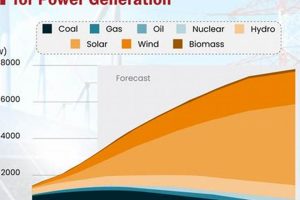
Natural gas, primarily composed of methane, is formed from decomposed organic matter over millions of years. While it burns cleaner than other fossil fuels like coal, producing fewer greenhouse gas emissions, its extraction and use still contribute to atmospheric methane levels, a potent greenhouse gas. This formation process, requiring vast geological timescales, firmly places natural gas within the category of non-renewable energy sources. Unlike solar or wind power, which are continuously replenished, the Earth’s reserves of natural gas are finite and will eventually be depleted.
The classification of this energy source as non-renewable has significant implications for energy policy and environmental sustainability. Its widespread use as a fuel for electricity generation, heating, and industrial processes creates a dependence on a diminishing resource. Historically, natural gas has served as a transitional fuel, offering a cleaner alternative to coal. However, its non-renewable nature necessitates a shift towards genuinely renewable alternatives to mitigate long-term environmental impact and ensure energy security.
Understanding the non-renewable nature of this fuel source is crucial for informing decisions about future energy infrastructure, investment, and research. Further exploration of energy topics such as renewable energy sources, sustainable practices, and energy conservation are essential for navigating a responsible and sustainable energy future.
Tips for Transitioning from Non-Renewable to Renewable Energy Sources
Given the non-renewable nature of natural gas, transitioning towards sustainable energy solutions is crucial for long-term energy security and environmental health. The following tips offer guidance for individuals, communities, and industries seeking to reduce reliance on non-renewable resources like natural gas.
Tip 1: Invest in Energy Efficiency: Reducing energy consumption through improved insulation, energy-efficient appliances, and optimized industrial processes lessens the demand for all energy sources, including natural gas.
Tip 2: Explore Solar Energy Options: Rooftop solar panels and community solar projects offer viable alternatives for electricity generation, reducing dependence on natural gas-fired power plants.
Tip 3: Consider Wind Power: Wind turbines, both onshore and offshore, can contribute significantly to renewable energy generation, lessening the need for natural gas-based electricity.
Tip 4: Support Geothermal Energy Development: Geothermal energy, utilizing the Earth’s internal heat, offers a consistent and sustainable energy source for both electricity generation and heating.
Tip 5: Investigate Biomass Energy: Sustainable biomass, derived from organic materials, can be utilized for heating and electricity production, offering a renewable alternative to natural gas.
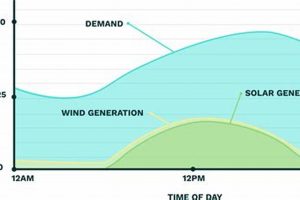
Tip 6: Advocate for Energy Storage Solutions: Advanced battery technologies and pumped hydro storage can address the intermittency of renewable energy sources, ensuring a reliable power supply.
Tip 7: Promote Energy Conservation Practices: Simple changes in behavior, such as reducing thermostat settings, using public transportation, and minimizing energy consumption during peak hours, contribute to overall energy savings.
Transitioning away from non-renewable energy sources like natural gas requires a multifaceted approach. By embracing these tips, individuals and communities can contribute to a more sustainable energy future, reducing reliance on finite resources and mitigating environmental impact.
Moving forward, a comprehensive understanding of energy policy and technological advancements will further empower informed decision-making regarding energy choices.
1. Fossil Fuel

The classification of natural gas as a fossil fuel directly addresses the question of its renewability. Fossil fuels, including coal, oil, and natural gas, originate from the decomposition of organic matter over millions of years. This geological timescale renders them non-renewable in a human timeframe. The processes that form these resources are significantly slower than the rate at which they are consumed. Therefore, unlike renewable resources like solar or wind energy, fossil fuels are finite and will eventually be depleted. Natural gas, being a fossil fuel, shares this characteristic of non-renewability. Its formation process, requiring vast geological timescales, precludes it from being considered a sustainable, long-term energy source.
For instance, the extraction of natural gas from shale formations illustrates the distinction between non-renewable and renewable resources. While shale gas reserves can be substantial, they are ultimately finite. Extraction processes, such as hydraulic fracturing (fracking), can also have significant environmental impacts, further highlighting the need for transitioning to renewable alternatives. Conversely, solar energy, derived from the sun’s radiation, is continuously replenished and does not face the same limitations of depletion or environmental impact associated with fossil fuel extraction.
Understanding the connection between fossil fuels and the non-renewability of natural gas is crucial for informing energy policy and promoting sustainable practices. Recognizing the limitations of fossil fuels underscores the importance of investing in and transitioning to renewable energy sources to ensure long-term energy security and mitigate the environmental impacts associated with fossil fuel dependence.
2. Non-renewable

The term “non-renewable” serves as a critical qualifier when examining the nature of natural gas as an energy source. Non-renewable resources, by definition, are finite and replenish at a rate far slower than human consumption. This contrasts sharply with renewable resources like solar or wind energy, which are continuously replenished. The non-renewable nature of natural gas stems from its geological origin. Formed from decomposed organic matter over millions of years, the processes that create natural gas occur on timescales vastly exceeding human lifespans. Consequently, existing reserves are finite and will eventually be depleted. This has profound implications for energy security and sustainability. Dependence on a non-renewable resource creates vulnerability to price volatility, supply disruptions, and geopolitical instability.
Consider, for example, the current global energy landscape. Nations heavily reliant on natural gas imports face potential economic and social disruption if supply chains are compromised. Furthermore, the extraction and use of natural gas contribute to greenhouse gas emissions, exacerbating climate change. While natural gas burns cleaner than other fossil fuels like coal, it still releases methane, a potent greenhouse gas, during extraction and transportation. This underscores the environmental consequences of relying on non-renewable resources. The finite nature of natural gas necessitates a transition toward renewable energy sources to mitigate these risks. Investing in renewable energy infrastructure and technologies offers a pathway towards long-term energy security and a reduction in greenhouse gas emissions. Diversifying energy sources and promoting energy efficiency measures can further lessen dependence on non-renewable resources.
The non-renewable nature of natural gas presents a fundamental challenge to sustainable development. Recognizing this limitation is crucial for informing energy policy and guiding investment decisions. Transitioning away from non-renewable energy sources towards a future powered by renewable alternatives is essential for mitigating the long-term risks associated with resource depletion, price volatility, and environmental degradation. This shift requires a concerted effort from governments, industries, and individuals to embrace sustainable practices and invest in renewable energy technologies. The long-term benefits of such a transition include enhanced energy security, reduced environmental impact, and a more sustainable future.
3. Finite Resource

The finite nature of natural gas resources directly refutes the notion of its renewability. “Finite” signifies a limited quantity, subject to eventual depletion. Natural gas, formed over geological timescales from decomposed organic matter, exists in finite reserves within the Earth. While exploration and extraction technologies continue to advance, the total amount of natural gas available remains limited. This stands in stark contrast to renewable resources like solar or wind energy, which are virtually inexhaustible. The continuous replenishment of these resources differentiates them fundamentally from finite resources like natural gas. The cause-and-effect relationship is clear: continuous extraction from a finite resource inevitably leads to depletion. This poses significant challenges for long-term energy security and sustainability.
Consider, for instance, the historical trajectory of conventional oil and gas fields. Many mature fields have experienced declining production rates as readily accessible reserves are depleted. This necessitates exploration and development of more challenging and costly extraction methods, such as offshore drilling or hydraulic fracturing. These methods often carry increased environmental risks and higher economic costs. Furthermore, the finite nature of natural gas fosters geopolitical tensions as nations compete for access to dwindling resources. This competition can lead to price volatility and supply disruptions, impacting global energy markets and potentially destabilizing economies reliant on natural gas imports.
Understanding the finite nature of natural gas is crucial for shaping responsible energy policies. Recognizing this inherent limitation compels a shift toward renewable energy sources and energy efficiency measures. Investing in renewable energy infrastructure, developing energy storage technologies, and promoting sustainable consumption patterns are essential steps toward mitigating the risks associated with resource depletion. The transition to a sustainable energy future requires acknowledging the finite nature of fossil fuels like natural gas and embracing the potential of renewable alternatives. Delaying this transition exacerbates the challenges associated with resource scarcity, price volatility, and environmental degradation.
4. Methane primary component

The predominant composition of natural gas, consisting primarily of methane (CH), plays a significant role in its classification as a non-renewable energy source. While methane combustion produces fewer carbon dioxide emissions compared to other fossil fuels, its potent greenhouse gas properties and contribution to atmospheric warming underscore the importance of understanding its role in the broader context of renewable energy discussions.
- Greenhouse Gas Potency
Methane exhibits a significantly higher global warming potential than carbon dioxide over shorter timeframes. While its atmospheric lifespan is shorter, its heat-trapping capacity is considerably greater, making it a potent contributor to climate change. Leaking methane from natural gas infrastructure, whether during extraction, processing, or transportation, negates some of the perceived climate benefits of using natural gas compared to other fossil fuels.
- Geological Origins and Formation Timescale
The geological processes that form methane, primarily through the anaerobic decomposition of organic matter over millions of years, classify natural gas as a fossil fuel. This extended formation period distinguishes it from renewable energy sources that replenish on a human timescale. The finite nature of these geological reserves reinforces the non-renewable classification.
- Energy Production and Combustion Process
While methane’s combustion releases energy for various applications, including electricity generation and heating, it still contributes to greenhouse gas emissions. Although the carbon intensity is lower than that of coal, the release of carbon dioxide during combustion underscores the environmental impact associated with its use. This necessitates a transition to truly renewable sources that minimize or eliminate greenhouse gas emissions.
- Atmospheric Impact and Climate Change
Atmospheric methane concentrations have risen significantly since the industrial revolution, contributing to global warming. Reducing methane emissions from both natural and anthropogenic sources is crucial for mitigating climate change. Transitioning away from fossil fuels, including natural gas, toward renewable energy sources offers a pathway to reduce methane emissions associated with energy production and consumption.
The primary component of natural gas, methane, plays a crucial role in understanding its environmental impact. Although it burns cleaner than some other fossil fuels, its potency as a greenhouse gas and its origin as a finite, geologically formed resource firmly categorize natural gas as a non-renewable energy source. This underscores the imperative to accelerate the transition toward renewable energy alternatives that minimize environmental impact and ensure long-term energy sustainability.
5. Geological formation

The geological formation process of natural gas directly determines its classification as a non-renewable energy source. Natural gas originates from the decomposition of organic matter, primarily microscopic plants and animals, accumulated in sedimentary basins over millions of years. This organic material, subjected to intense heat and pressure within the Earth’s crust, undergoes a complex transformation process that ultimately yields natural gas, primarily composed of methane. The immense timescale required for this transformation, spanning geological epochs, distinguishes natural gas from renewable resources like solar and wind energy, which are continuously replenished on a human timescale. This inherent difference in formation processes lies at the heart of the distinction between renewable and non-renewable energy sources.
The specific geological conditions required for natural gas formation further underscore its finite nature. Suitable source rocks rich in organic matter, appropriate burial depth and temperature, and the presence of trapping mechanisms like geological folds or faults are essential for the accumulation of commercially viable natural gas deposits. These specific geological conditions occur only in select locations globally, highlighting the localized and finite distribution of this resource. For example, the Marcellus Shale formation in the eastern United States represents a significant natural gas reserve. However, even extensive reserves like these are finite and subject to depletion. The extraction of natural gas from such formations, often through hydraulic fracturing (fracking), also carries potential environmental risks, further emphasizing the need for sustainable alternatives.
Understanding the geological formation of natural gas is crucial for informed decision-making regarding energy policy and resource management. Its non-renewable nature necessitates a transition toward renewable energy sources to ensure long-term energy security and environmental sustainability. Recognizing the finite nature of natural gas resources and the geological timescales involved in their formation underscores the importance of investing in renewable energy technologies, promoting energy efficiency, and developing sustainable consumption patterns. Failing to acknowledge these geological realities risks exacerbating the challenges associated with resource depletion, price volatility, and environmental degradation.
6. Extraction Impacts

The extraction of natural gas, a non-renewable resource, carries inherent environmental and social impacts that underscore the importance of transitioning to renewable energy sources. These impacts, often overlooked in discussions of energy production, represent a crucial factor in evaluating the long-term sustainability of natural gas as an energy source. The extraction processes themselves, ranging from conventional drilling to more complex methods like hydraulic fracturing (fracking), can significantly alter landscapes, disrupt ecosystems, and affect local communities.
Hydraulic fracturing, commonly known as fracking, exemplifies the potential environmental consequences associated with natural gas extraction. This process involves injecting large volumes of water, sand, and chemicals deep underground to fracture shale formations and release trapped natural gas. Fracking has been linked to groundwater contamination, induced seismicity, and air pollution, raising concerns about its impact on human health and ecological integrity. Furthermore, the disposal of wastewater generated by fracking operations presents a significant challenge, posing risks to water resources and surrounding environments. Conventional drilling methods, while generally less impactful than fracking, can still contribute to habitat fragmentation, soil erosion, and noise pollution, disrupting local ecosystems and affecting wildlife populations. These environmental consequences challenge the notion of natural gas as a “clean” energy source and highlight the need for comprehensive environmental impact assessments and stringent regulatory frameworks.
Beyond the immediate environmental impacts, the extraction of natural gas also raises social and economic concerns. The influx of workers and equipment into previously undisturbed areas can strain local infrastructure and resources, placing pressure on housing, transportation, and public services. Furthermore, the potential for environmental damage and health risks associated with extraction activities can create social tensions and erode public trust. The long-term economic viability of natural gas extraction also remains uncertain, as fluctuating market prices and declining production rates can impact local economies reliant on this industry. Considering these multifaceted impacts associated with natural gas extraction reinforces the importance of diversifying energy sources and transitioning toward renewable alternatives. Investing in renewable energy technologies, promoting energy efficiency, and developing sustainable consumption patterns offer a pathway to reduce reliance on non-renewable resources and mitigate the associated environmental and social costs. A comprehensive understanding of the extraction impacts associated with natural gas is essential for informed decision-making and responsible energy policy development.
7. Emissions Profile

The emissions profile of natural gas plays a crucial role in evaluating its position within the broader context of renewable and non-renewable energy sources. While often touted as a “cleaner” alternative to other fossil fuels like coal, a comprehensive analysis of its emissions profile reveals a more nuanced picture. Examining the various components of this profile provides critical insights into the environmental impact of natural gas and its implications for long-term sustainability.
- Combustion Emissions
Natural gas combustion primarily releases carbon dioxide (CO2) and water vapor. While producing less CO2 per unit of energy than coal, it still contributes to greenhouse gas emissions, a key driver of climate change. This inherent release of CO2 during combustion directly contradicts the criteria for renewable energy sources, which ideally have minimal or zero greenhouse gas emissions.
- Methane Leakage
Methane (CH4), the primary component of natural gas, is a potent greenhouse gas with a significantly higher global warming potential than CO2 over shorter timeframes. Leakage throughout the natural gas supply chain, from extraction and processing to transportation and distribution, contributes significantly to atmospheric methane concentrations. These fugitive emissions can negate some of the climate benefits associated with natural gas compared to other fossil fuels.
- Production and Processing Emissions
The extraction and processing of natural gas also generate emissions beyond methane leakage. These processes often involve the release of volatile organic compounds (VOCs), nitrogen oxides (NOx), and other pollutants that contribute to air quality issues and have adverse health effects. These emissions, while sometimes overlooked, represent a significant component of the overall environmental impact of natural gas.
- Lifecycle Emissions
A comprehensive lifecycle assessment of natural gas considers emissions from all stages, including extraction, processing, transportation, combustion, and waste disposal. This holistic perspective offers a more complete understanding of the environmental impact of natural gas compared to focusing solely on combustion emissions. Lifecycle assessments often reveal hidden environmental costs associated with natural gas production and use, further challenging its classification as a sustainable energy source.
The emissions profile of natural gas, encompassing combustion byproducts, methane leakage, production emissions, and lifecycle considerations, reveals a complex interplay of factors that influence its environmental impact. While offering some advantages over other fossil fuels in terms of lower CO2 emissions per unit of energy, its contribution to greenhouse gas emissions and other pollutants firmly positions natural gas within the realm of non-renewable energy sources. This understanding reinforces the imperative to transition toward truly renewable energy alternatives that minimize or eliminate emissions and ensure a sustainable energy future.
Frequently Asked Questions
Addressing common inquiries regarding the nature of natural gas as a renewable or non-renewable energy source provides clarity for informed decision-making and promotes a deeper understanding of energy-related issues. The following questions and answers offer concise explanations to dispel misconceptions and foster informed discussions.
Question 1: Why is natural gas considered non-renewable?
Natural gas forms from decomposed organic matter over millions of years. This geological timescale renders it non-renewable, as its replenishment rate is significantly slower than its consumption rate.
Question 2: How does the formation process of natural gas differentiate it from renewable energy sources?
Renewable resources, such as solar and wind energy, are continuously replenished through natural processes. Natural gas, however, requires vast geological timescales for formation, distinguishing it from continuously available resources.
Question 3: Does the “cleaner burning” characteristic of natural gas qualify it as renewable?
While natural gas combusts more cleanly than coal, producing fewer greenhouse gas emissions per unit of energy, this characteristic does not alter its classification as a non-renewable resource. Renewability is determined by the replenishment rate, not solely by emissions profiles.
Question 4: How does the finite nature of natural gas reserves impact its long-term viability as an energy source?
The finite nature of natural gas reserves poses challenges for long-term energy security. Continuous extraction from a finite resource inevitably leads to depletion, necessitating the exploration of alternative, renewable energy sources.
Question 5: What role does methane, the primary component of natural gas, play in its environmental impact?
Methane, a potent greenhouse gas, contributes significantly to climate change. Leakage during natural gas extraction, processing, and transportation can negate some of the perceived climate benefits compared to other fossil fuels.
Question 6: What are the key considerations for transitioning from natural gas to renewable energy sources?
Transitioning to renewable energy requires investment in renewable energy infrastructure, development of energy storage technologies, implementation of energy efficiency measures, and a shift toward sustainable consumption patterns.
Understanding the fundamental distinction between renewable and non-renewable energy sources is crucial for informed energy choices. The finite nature of natural gas necessitates a shift toward renewable alternatives to ensure long-term energy security and environmental sustainability.
Further exploration of specific renewable energy technologies and their potential to replace natural gas in various applications can inform strategic planning and policy development for a sustainable energy future. The next section will delve into the various renewable energy alternatives available and their potential to address current energy needs.
Conclusion
The exploration of natural gas as an energy source reveals its definitive classification as non-renewable. Formed over geological timescales from decomposed organic matter, natural gas exists in finite reserves. While combustion produces fewer greenhouse gas emissions than other fossil fuels like coal, its primary component, methane, is a potent greenhouse gas, and leakage throughout the supply chain poses environmental concerns. The extraction processes, including hydraulic fracturing, can have significant environmental and social impacts. The finite nature of natural gas necessitates a transition toward renewable energy sources for long-term sustainability.
The transition away from natural gas and toward renewable energy sources requires a multifaceted approach encompassing technological advancements, policy changes, and shifts in consumption patterns. Continued reliance on non-renewable resources presents significant risks to long-term energy security and environmental stability. Embracing renewable energy alternatives offers a pathway toward a more sustainable and resilient energy future. The imperative remains to accelerate this transition, mitigating the risks associated with resource depletion and fostering a future powered by sustainable energy solutions.