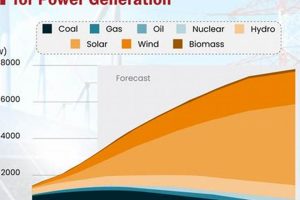
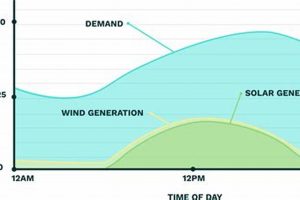
Non-renewable energy sources derive from finite resources that deplete over time with use. Fossil fuels (coal, oil, and natural gas) and nuclear energy (derived from uranium) are prime examples. These resources are extracted or mined from the Earth and cannot be replenished at a pace that keeps up with consumption.
Historically, these energy sources fueled industrialization and societal development due to their high energy density and relatively easy accessibility. However, their finite nature poses significant challenges. Depletion of these resources creates supply vulnerabilities and price volatility. Furthermore, their extraction and utilization contribute substantially to environmental concerns, including greenhouse gas emissions, air and water pollution, and habitat destruction. Understanding the limitations and consequences associated with finite energy resources is crucial for informed decision-making regarding sustainable energy strategies.
This understanding lays the groundwork for exploring alternative energy solutions, conservation efforts, and the transition to a more sustainable energy future. The following sections delve further into the specific characteristics, advantages, and disadvantages of various non-renewable resources, along with their environmental and economic impacts.
Managing Non-Renewable Energy Consumption
Efficient utilization of finite resources is crucial for mitigating environmental impact and ensuring long-term energy security. The following tips offer practical strategies for responsible management of non-renewable energy sources.
Tip 1: Optimize Building Insulation: Effective insulation significantly reduces energy loss in buildings, lowering the demand for heating and cooling fueled by non-renewable sources.
Tip 2: Invest in Energy-Efficient Appliances: Appliances with high energy efficiency ratings consume less electricity, decreasing reliance on power generation from non-renewable fuels.
Tip 3: Promote Public Transportation and Active Mobility: Utilizing public transportation, cycling, or walking reduces reliance on individual vehicles powered by fossil fuels.
Tip 4: Support Sustainable Transportation Policies: Policies that encourage fuel efficiency standards and the development of alternative transportation technologies contribute to reducing dependence on non-renewable sources.
Tip 5: Advocate for Responsible Resource Extraction: Supporting regulations and practices that minimize the environmental impact of extracting non-renewable resources is essential for responsible resource management.
Tip 6: Diversify Energy Sources: Transitioning towards a diversified energy portfolio that incorporates renewable energy sources reduces dependence on finite resources and enhances energy security.
Tip 7: Invest in Research and Development: Continued research into alternative energy technologies and energy efficiency improvements is crucial for minimizing reliance on non-renewable sources.
Implementing these strategies promotes responsible energy consumption, minimizes environmental impact, and contributes to a more sustainable energy future.
These individual and collective actions pave the way for a more sustainable energy landscape. The concluding section offers further perspectives on the future of energy and the importance of a balanced approach.
1. Finite Resources

The concept of finite resources is intrinsically linked to non-renewable energy. Non-renewable energy sources, by definition, are derived from resources that exist in limited quantities and are depleted through consumption. This finite nature presents significant challenges and opportunities related to resource management, environmental impact, and the transition to sustainable energy systems.
- Resource Depletion:
Continuous extraction and utilization of non-renewable resources inevitably lead to their depletion. As readily accessible reserves diminish, extraction becomes more complex and costly, potentially leading to supply disruptions and price volatility. The depletion timeline varies depending on the resource and consumption rates, but the finite nature necessitates long-term planning and alternative energy strategies.
- Geological Timescales:
While some non-renewable resources, like fossil fuels, are technically replenished through natural processes, these processes occur over geological timescales (millions of years), far exceeding human timeframes. Therefore, for practical purposes, these resources are considered finite and non-replenishable within a relevant timeframe.
- Environmental Consequences:
Extraction and utilization of finite resources often carry significant environmental consequences. Fossil fuel combustion releases greenhouse gases, contributing to climate change. Mining activities can lead to habitat destruction and water pollution. Nuclear energy, while not contributing to greenhouse gas emissions, generates radioactive waste requiring long-term storage and management.
- Energy Security:
Reliance on finite resources creates vulnerabilities in energy security. Dependence on imports of non-renewable resources exposes nations to geopolitical instability and price fluctuations. Diversification of energy sources, including the development of renewable alternatives, enhances energy independence and resilience.
The finite nature of these resources underscores the urgency of transitioning to a more sustainable energy future. Understanding the limitations and consequences associated with non-renewable energy sources provides a crucial foundation for developing responsible resource management strategies, investing in renewable energy technologies, and promoting energy efficiency measures. The long-term sustainability of energy systems depends on recognizing and addressing the inherent challenges posed by finite resources.
2. Fossil Fuels

Fossil fuels represent the most prominent category within non-renewable energy sources. Formed from the remains of ancient organisms over millions of years, these fuelscoal, oil, and natural gasare finite resources extracted from the Earth. Their prevalence in global energy systems necessitates a comprehensive understanding of their characteristics, implications, and the challenges associated with their continued use.
- Formation and Extraction
Fossil fuels originate from organic matter subjected to intense heat and pressure over geological timescales. Coal forms from plant matter, while oil and natural gas derive from marine organisms. Extraction processes vary depending on the fuel and geological location, ranging from mining for coal to drilling for oil and gas. These extraction methods can have significant environmental impacts, including habitat disruption, water pollution, and land subsidence.
- Energy Density and Applications
Fossil fuels possess high energy density, making them efficient energy sources for various applications. They power transportation systems, generate electricity, and serve as feedstock for industrial processes. This versatility has contributed to their widespread adoption and historical dominance in the global energy landscape.
- Environmental Impact
The combustion of fossil fuels releases greenhouse gases, primarily carbon dioxide, contributing significantly to climate change. Furthermore, extraction and processing activities can lead to air and water pollution, impacting ecosystems and human health. These environmental consequences necessitate a shift towards cleaner energy alternatives.
- Geopolitical and Economic Factors
Fossil fuel reserves are unevenly distributed globally, leading to geopolitical tensions and economic dependencies. Price volatility and supply disruptions can impact national economies and international relations. The finite nature of these resources necessitates strategic planning for a future less reliant on fossil fuels.
The characteristics of fossil fuels, particularly their finite nature and environmental impact, underscore the need for a transition to sustainable energy sources. While they currently play a dominant role in global energy systems, their long-term viability is questionable. Understanding the limitations and consequences associated with fossil fuels provides essential context for exploring and implementing alternative energy strategies, promoting energy efficiency, and mitigating the environmental impacts of continued fossil fuel use.
3. Nuclear Energy

Nuclear energy, derived from the controlled fission of uranium atoms, stands as a distinct category within non-renewable energy sources. Unlike fossil fuels, nuclear energy does not directly contribute to greenhouse gas emissions during electricity generation. However, its non-renewable classification stems from the finite nature of uranium, the fuel source, and the complexities associated with nuclear waste disposal. The relationship between nuclear energy and the broader concept of non-renewable resources hinges on several key factors.
Uranium, like fossil fuels, is extracted from the Earth and exists in finite quantities. While advancements in reactor technology and fuel reprocessing can extend the lifespan of uranium reserves, its availability remains limited on a geological timescale. The process of nuclear fission generates radioactive waste, requiring specialized long-term storage and management solutions. This waste poses environmental and safety challenges that necessitate careful consideration and ongoing research. For instance, the long-term storage of spent nuclear fuel at Yucca Mountain in Nevada has been a subject of ongoing debate and technical challenges. Similarly, the Fukushima Daiichi nuclear disaster in Japan highlighted the potential risks associated with nuclear power generation, emphasizing the importance of robust safety protocols and emergency preparedness measures. The environmental impact of uranium mining also contributes to the non-renewable classification, as extraction activities can disrupt ecosystems and generate hazardous waste.
Despite its non-renewable nature, nuclear energy contributes a significant share of global electricity generation, offering an alternative to fossil fuel-based power plants. The decision to utilize nuclear energy involves balancing the benefits of reduced greenhouse gas emissions against the challenges of finite uranium resources, waste disposal, and safety concerns. A comprehensive understanding of these factors is crucial for developing informed energy policies and promoting a responsible transition to a more sustainable energy future. The continued role of nuclear energy in the global energy mix remains a subject of ongoing discussion and evaluation, with its long-term viability dependent on technological advancements, waste management solutions, and evolving societal priorities regarding energy security and environmental sustainability.
4. Environmental Impact
The environmental impact of non-renewable energy sources constitutes a significant concern driving the global transition towards sustainable alternatives. Extraction, processing, and utilization of these resources contribute to a range of environmental problems, impacting air and water quality, ecosystems, and the global climate. Understanding these impacts is crucial for informed decision-making regarding energy production and consumption.
- Greenhouse Gas Emissions
Combustion of fossil fuels releases substantial amounts of greenhouse gases, primarily carbon dioxide, into the atmosphere. These gases trap heat, contributing to global warming and climate change. The resulting impacts include rising sea levels, extreme weather events, and disruptions to ecosystems. The Intergovernmental Panel on Climate Change (IPCC) has identified fossil fuel combustion as the primary driver of anthropogenic climate change.
- Air and Water Pollution
Extraction and processing of non-renewable resources can release pollutants into the air and water. Coal mining, for example, can lead to acid mine drainage, contaminating water sources. Oil spills pose significant threats to marine ecosystems. Air pollutants from fossil fuel combustion contribute to respiratory problems and other health issues. The Deepwater Horizon oil spill in 2010 exemplifies the devastating consequences of accidents related to non-renewable resource extraction.
- Habitat Destruction
Mining for coal and uranium, as well as drilling for oil and gas, can disrupt and destroy natural habitats. Deforestation, often associated with coal mining, further contributes to habitat loss and biodiversity decline. The construction of pipelines and other infrastructure for transporting non-renewable resources can fragment habitats and disrupt ecological processes. The Amazon rainforest, for example, faces ongoing deforestation pressure due to mining and resource extraction activities.
- Waste Disposal
Nuclear energy, while not emitting greenhouse gases during electricity generation, produces radioactive waste requiring long-term storage and management. Safe disposal of this waste remains a significant challenge, with potential risks to human health and the environment. The ongoing debate regarding the Yucca Mountain nuclear waste repository highlights the complexities associated with nuclear waste disposal.
The cumulative environmental impacts of non-renewable energy sources underscore the urgent need for a transition to sustainable alternatives. While these resources have historically played a crucial role in powering industrial development, their continued reliance presents significant environmental challenges. Mitigating these impacts requires a multifaceted approach, including investments in renewable energy technologies, energy efficiency improvements, and responsible resource management practices. The long-term health of the planet and future generations depends on addressing the environmental consequences associated with non-renewable energy sources.
5. Energy Security
Energy security is intrinsically linked to the reliance on non-renewable energy sources. The finite nature of these resources, coupled with their uneven global distribution, creates vulnerabilities in national and international energy systems. Dependence on imports of fossil fuels, for example, exposes nations to geopolitical instability, price volatility, and potential supply disruptions. This dependence can compromise a nation’s ability to meet its energy needs reliably and affordably, impacting economic stability and national security. The ongoing conflict in Ukraine and its impact on European gas supplies exemplifies the vulnerability associated with reliance on imported fossil fuels.
Diversification of energy sources represents a key strategy for enhancing energy security. Reducing reliance on a single supplier or a single type of fuel mitigates the risks associated with geopolitical events, resource depletion, and price fluctuations. Investing in domestic energy production, including renewable energy sources, can reduce import dependence and enhance energy independence. Furthermore, energy efficiency measures play a crucial role in enhancing energy security by reducing overall energy demand. The European Union’s efforts to diversify its gas supplies and accelerate the deployment of renewable energy technologies demonstrate a proactive approach to strengthening energy security in the face of geopolitical challenges.
The long-term sustainability of energy systems requires a shift away from dependence on finite resources. While non-renewable energy sources currently play a dominant role in global energy production, their inherent limitations pose significant challenges to energy security. Transitioning to a diversified energy portfolio that incorporates renewable energy sources, coupled with investments in energy efficiency, strengthens energy independence, reduces vulnerability to external shocks, and promotes a more sustainable and secure energy future. The International Energy Agency (IEA) advocates for a global transition to clean energy to enhance energy security and mitigate the risks associated with climate change.
6. Resource Depletion
Resource depletion is intrinsically linked to the utilization of non-renewable energy sources. These sources, derived from finite materials like fossil fuels (coal, oil, and natural gas) and uranium, are consumed at rates far exceeding their natural replenishment. This consumption pattern inevitably leads to depletion, raising crucial concerns about long-term energy availability, economic stability, and environmental sustainability.
- Supply Chain Vulnerability
Depletion of non-renewable resources creates vulnerabilities within energy supply chains. As readily accessible reserves diminish, extraction becomes increasingly challenging and costly, potentially leading to supply disruptions and price volatility. This vulnerability is particularly pronounced in regions heavily reliant on imports of fossil fuels, exposing them to geopolitical risks and economic instability.
- Economic Impacts
Resource depletion can have significant economic consequences. Rising extraction costs and potential supply shortages can drive up energy prices, impacting industries, businesses, and consumers. Furthermore, regions heavily dependent on non-renewable resource extraction may face economic hardship as these resources dwindle, necessitating economic diversification and transition strategies.
- Environmental Degradation
The extraction and processing of non-renewable resources often contribute to environmental degradation. Mining activities can lead to habitat destruction, water pollution, and land subsidence. Fossil fuel combustion releases greenhouse gases, driving climate change and its associated environmental impacts, such as rising sea levels and extreme weather events.
- Geopolitical Instability
Uneven global distribution of non-renewable resources can exacerbate geopolitical tensions. Competition for access to these resources can lead to conflicts and political instability, particularly in regions with significant reserves. Dependence on imports of fossil fuels creates vulnerabilities to supply disruptions and price manipulations, potentially impacting international relations.
The implications of resource depletion underscore the urgent need for a transition to sustainable energy systems. Continued reliance on non-renewable resources poses significant risks to energy security, economic stability, and environmental sustainability. Investing in renewable energy technologies, improving energy efficiency, and promoting responsible resource management are essential strategies for mitigating the consequences of resource depletion and ensuring a more sustainable energy future. The depletion of these finite resources necessitates a proactive and comprehensive approach to ensure long-term energy access and environmental protection.
Frequently Asked Questions about Non-Renewable Energy
This section addresses common inquiries regarding non-renewable energy sources, aiming to provide clear and concise information.
Question 1: What are the primary types of non-renewable energy?
The main non-renewable energy sources are fossil fuels (coal, oil, and natural gas) and nuclear energy (derived from uranium).
Question 2: Why are these energy sources considered “non-renewable”?
They are termed “non-renewable” because their formation takes millions of years, meaning they are depleted far faster than natural processes can replenish them on human timescales.
Question 3: What is the biggest environmental concern associated with non-renewable energy?
The combustion of fossil fuels releases greenhouse gases, contributing significantly to climate change. Nuclear energy raises concerns regarding waste disposal.
Question 4: What are the economic implications of relying on non-renewable energy?
Dependence on these finite resources creates economic vulnerabilities related to price volatility, supply disruptions, and the long-term costs associated with environmental damage.
Question 5: Are there any benefits to using non-renewable energy sources?
Historically, non-renewable sources have offered high energy density and relatively easy accessibility, facilitating industrial development. Nuclear energy provides a carbon-free electricity source, although waste disposal remains a challenge.
Question 6: What are the alternatives to non-renewable energy?
Renewable energy sources, such as solar, wind, hydro, geothermal, and biomass, offer sustainable alternatives. Energy efficiency improvements also contribute to reducing reliance on non-renewable resources.
Understanding the characteristics and implications of non-renewable energy sources is essential for informed decision-making regarding energy policy and sustainable practices. Transitioning towards a diversified energy portfolio that prioritizes renewable sources and energy efficiency represents a crucial step towards a more sustainable energy future.
For further exploration, the following section delves deeper into the specific advantages and disadvantages of various renewable energy technologies.
Conclusion
Non-renewable energy sources, primarily fossil fuels and nuclear energy, have played a pivotal role in powering industrialization and shaping modern society. However, their finite nature, coupled with significant environmental consequences, necessitates a fundamental shift in energy production and consumption patterns. Resource depletion, greenhouse gas emissions, and geopolitical vulnerabilities underscore the limitations of continued reliance on these finite resources. The exploration of non-renewable energy’s characteristicsfrom extraction processes and energy density to environmental impacts and economic implicationsreveals the inherent challenges associated with their long-term viability.
A transition to a sustainable energy future requires a concerted global effort. Diversification of energy portfolios, investment in renewable energy technologies, and implementation of robust energy efficiency measures are crucial steps towards mitigating the risks associated with non-renewable resource dependence. The future of energy hinges on embracing innovation, promoting responsible resource management, and fostering a collective commitment to a cleaner, more secure, and sustainable energy landscape. The choices made today will determine the energy landscape of tomorrow, impacting not only global energy security but also the health of the planet and the well-being of future generations.