Fundamental principles of power generation from sustainable sources involve harnessing naturally replenishing resources like sunlight, wind, water, and geothermal heat. For example, photovoltaic cells convert sunlight directly into electricity, while wind turbines capture kinetic energy from moving air. These technologies offer alternatives to conventional fossil fuel-based electricity generation.
Sustainable power generation offers significant advantages, including reduced greenhouse gas emissions, decreased reliance on finite resources, and enhanced energy security. Historically, reliance on renewable sources like wind and water power predates the widespread adoption of fossil fuels. The current resurgence of interest in these technologies stems from growing environmental awareness and technological advancements.
This foundation in sustainable power generation principles provides context for understanding the specific technologies, their applications, and their role in the global transition to a cleaner energy future. The following sections will delve into the individual resources and the mechanics of harnessing their potential.
Tips for Engaging with Sustainable Energy
Understanding fundamental principles empowers informed decision-making regarding sustainable energy adoption. The following tips offer practical guidance for individuals and communities.
Tip 1: Evaluate Local Resources: Resource availability varies geographically. Assessing local wind, solar, and geothermal potential allows for optimized technology selection.
Tip 2: Consider Energy Efficiency: Reducing energy consumption through improvements like insulation and efficient appliances maximizes the impact of renewable sources.
Tip 3: Explore Government Incentives: Many regions offer financial incentives, such as tax credits and rebates, to encourage renewable energy adoption.
Tip 4: Research Available Technologies: Different renewable energy technologies offer varying benefits and drawbacks. Thorough research ensures appropriate system selection.
Tip 5: Engage with Local Installers: Consulting experienced professionals provides valuable insights into system design, installation, and maintenance.
Tip 6: Understand Long-Term Costs: While initial investments can be significant, renewable energy systems offer long-term cost savings through reduced energy bills.
Tip 7: Support Policy Initiatives: Advocating for policies that promote renewable energy development contributes to a broader transition towards sustainability.
By considering these suggestions, individuals and communities can contribute to a more sustainable energy future. These actions collectively facilitate a shift towards cleaner and more resilient power generation.
The transition to sustainable energy represents a significant global endeavor. Embracing these principles and adopting informed practices pave the way for a future powered by clean and renewable resources.
1. Natural Resources

Renewable energy technologies derive their power from naturally replenishing resources, distinguishing them from finite fossil fuels. Understanding the nature of these resources is crucial for comprehending the potential and limitations of sustainable energy systems.
- Solar Radiation:
Photovoltaic cells and concentrating solar power systems convert solar radiation into electricity. The intensity of solar radiation varies geographically and seasonally, influencing the effectiveness of solar energy installations. Desert regions with high solar irradiance offer ideal conditions for large-scale solar farms. Conversely, regions with frequent cloud cover may require larger installations or supplementary energy sources.
- Wind Energy:
Wind turbines capture the kinetic energy of moving air. Wind speeds fluctuate, impacting the consistency of power generation. Coastal areas and open plains often experience higher wind speeds, making them suitable for wind farms. Technological advancements in turbine design continue to improve energy capture efficiency even in areas with lower average wind speeds.
- Hydropower:
Hydropower harnesses the potential energy of water stored at elevation. Dams and reservoirs facilitate controlled water release to generate electricity. Hydropower offers a reliable source of baseload power but requires significant infrastructure development, which can have environmental impacts on river ecosystems and surrounding landscapes.
- Geothermal Energy:
Geothermal power plants utilize heat from the Earth’s interior. Geothermal resources vary in temperature and accessibility. Regions with volcanic activity often possess high-temperature geothermal resources suitable for electricity generation. Lower-temperature resources can be used for direct heating and cooling applications, offering a versatile range of uses.
The availability and characteristics of these natural resources significantly influence the feasibility and effectiveness of renewable energy projects. Careful consideration of resource availability, technological suitability, and environmental impact is essential for successful implementation of sustainable energy systems. Matching resource availability with appropriate technologies is critical for maximizing energy output and minimizing environmental disruption.
2. Sustainable Power

Sustainable power generation forms a cornerstone of renewable energy principles. It represents a shift away from finite, polluting fossil fuels towards sources that can be replenished naturally over time. This transition is essential for mitigating climate change and ensuring long-term energy security.
- Reduced Environmental Impact:
Sustainable power sources produce minimal greenhouse gas emissions, reducing the impact on air quality and contributing to climate change mitigation. For example, wind farms displace electricity generation from coal-fired power plants, lowering overall carbon dioxide emissions. This reduction in pollution represents a key advantage of sustainable power within the context of renewable energy.
- Resource Availability:
Unlike fossil fuels, renewable resources are virtually inexhaustible. Solar radiation, wind, and hydropower offer continuous sources of energy. Geothermal energy taps into the Earth’s internal heat, providing a consistent power source regardless of weather conditions. This continuous availability contributes to long-term energy security, a critical aspect of renewable energy principles.
- Economic Benefits:
The renewable energy sector creates jobs in manufacturing, installation, and maintenance. Furthermore, decentralized renewable energy generation can stimulate local economies and reduce reliance on imported fuels. For instance, rural communities can benefit from wind farm development, creating new employment opportunities and generating revenue. This economic stimulation plays a vital role in the broader adoption of renewable energy.
- Energy Security and Independence:
Diversifying energy sources through renewable energy reduces dependence on volatile global fossil fuel markets. This enhances national energy security and reduces vulnerability to price fluctuations and supply disruptions. For example, nations with significant solar and wind resources can reduce their reliance on imported oil and gas, enhancing their energy independence. This enhanced energy security is a crucial element in the transition to sustainable power and a key benefit of embracing renewable energy principles.
These facets of sustainable power highlight its crucial role within the broader framework of renewable energy. By embracing sustainable power generation, societies can move towards a cleaner, more secure, and economically viable energy future. The transition to sustainable power requires ongoing technological advancement, supportive policies, and public awareness to fully realize the potential of renewable energy resources.
3. Technological Advancements

Technological advancements play a crucial role in the evolution and adoption of renewable energy. These advancements directly impact the efficiency, cost-effectiveness, and accessibility of renewable energy technologies, driving their integration into the broader energy landscape. The relationship between technological progress and renewable energy adoption is cyclical, with advancements fostering greater adoption, which in turn drives further innovation.
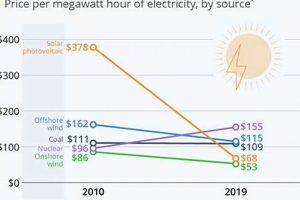
Improvements in photovoltaic cell technology, for example, have led to increased energy conversion efficiency and reduced manufacturing costs. This has made solar energy more competitive with conventional fossil fuels, driving wider adoption in residential, commercial, and utility-scale projects. Similarly, advancements in wind turbine design, such as larger rotor diameters and improved blade aerodynamics, have increased energy capture efficiency, allowing wind farms to generate more electricity from the same wind resource. The development of advanced energy storage systems, like lithium-ion batteries and pumped hydro storage, addresses the intermittent nature of solar and wind power, enabling more reliable and consistent energy delivery.
Furthermore, technological advancements contribute to the integration of renewable energy sources into existing power grids. Smart grid technologies, advanced power electronics, and improved forecasting models enable grid operators to manage the variability of renewable energy inputs and maintain grid stability. The development of more efficient and cost-effective transmission infrastructure facilitates the transport of renewable energy from remote generation sites to population centers. These advancements are essential for realizing the full potential of renewable energy and transitioning towards a more sustainable energy future. Continued investment in research and development is critical for overcoming remaining technological barriers and accelerating the global transition to a clean energy economy.
4. Environmental Benefits
Renewable energy technologies offer significant environmental advantages compared to conventional fossil fuel-based power generation. Understanding these benefits is crucial for assessing the overall impact of renewable energy adoption and its role in creating a more sustainable energy future. These advantages address critical environmental challenges associated with energy production and consumption.
- Reduced Greenhouse Gas Emissions:
Renewable energy sources produce minimal greenhouse gas emissions during operation. This contrasts sharply with fossil fuel combustion, a major contributor to climate change. Replacing coal-fired power plants with wind or solar farms significantly reduces carbon dioxide emissions, mitigating the impact on global warming. This reduction is a key driver in the transition to a low-carbon energy system.
- Improved Air Quality:
Unlike fossil fuel power plants, renewable energy technologies do not emit air pollutants such as sulfur oxides, nitrogen oxides, and particulate matter. These pollutants contribute to respiratory problems and other health issues. Widespread adoption of renewable energy can improve air quality, particularly in urban areas, leading to public health benefits. This improvement directly addresses the negative health impacts associated with conventional energy sources.
- Water Conservation:
Many renewable energy technologies require significantly less water than conventional power plants, which often rely on large quantities of water for cooling. Solar and wind farms, for example, have minimal water requirements during operation. This reduces pressure on water resources, particularly in arid and semi-arid regions. This water conservation aspect is crucial for sustainable development in water-stressed areas.
- Reduced Land Degradation:
While renewable energy projects can have some land use impacts, these are often less severe than those associated with fossil fuel extraction. For example, solar farms can be co-located with agricultural activities or installed on brownfield sites, minimizing land disturbance. Responsible siting and development practices further mitigate potential land use conflicts and minimize ecological disruption.
These environmental benefits highlight the crucial role of renewable energy in achieving a sustainable energy future. Transitioning from fossil fuels to renewable sources mitigates the environmental impacts associated with energy production, contributing to a healthier planet and a more sustainable future for all. The continued development and deployment of renewable energy technologies are essential for addressing global environmental challenges and ensuring a cleaner, healthier environment for future generations.
5. Energy Independence

Energy independence represents a critical driver in the transition to renewable energy. Reliance on domestically sourced renewable resources reduces vulnerability to geopolitical instability and volatile global fossil fuel markets. This enhanced energy security strengthens national economies and mitigates the risks associated with supply disruptions and price fluctuations. For example, nations with substantial solar and wind resources can decrease their dependence on imported oil and gas, bolstering their energy self-sufficiency and reducing exposure to external market forces. This shift towards domestic energy production strengthens national resilience and contributes to greater energy autonomy.
The pursuit of energy independence through renewable sources necessitates strategic investments in infrastructure development and technological innovation. Building robust renewable energy infrastructure, such as transmission lines and energy storage facilities, ensures efficient energy distribution and grid stability. Furthermore, ongoing research and development efforts are crucial for improving the efficiency and cost-effectiveness of renewable energy technologies. These investments contribute to a more resilient and sustainable energy system, reducing reliance on imported fossil fuels and bolstering national energy security. Moreover, a diversified energy portfolio that incorporates various renewable sources, such as solar, wind, and hydropower, enhances resilience against resource-specific challenges and ensures a more stable energy supply.
Energy independence achieved through renewable resources offers significant economic and environmental advantages. The renewable energy sector stimulates job growth in manufacturing, installation, and maintenance, contributing to economic development. Furthermore, the transition to renewable energy reduces greenhouse gas emissions, mitigating the impacts of climate change and promoting environmental sustainability. By fostering energy independence, nations can enhance their economic competitiveness, protect their environment, and ensure a more secure and sustainable energy future. This convergence of economic, environmental, and security benefits underscores the vital role of renewable energy in achieving long-term national interests and global sustainability goals.
Frequently Asked Questions
This section addresses common inquiries regarding fundamental renewable energy concepts, aiming to provide clear and concise information.
Question 1: What distinguishes renewable energy sources from conventional energy sources?
Renewable energy sources replenish naturally over relatively short periods, unlike finite fossil fuels. This replenishment cycle makes them sustainable and reduces reliance on depleting resources.
Question 2: How does renewable energy contribute to environmental protection?
Renewable energy technologies generate electricity with significantly lower greenhouse gas emissions compared to fossil fuel combustion. This reduction mitigates air pollution and contributes to climate change mitigation.
Question 3: What are the primary barriers to widespread renewable energy adoption?
Intermittency of some renewable resources, initial infrastructure costs, and integration with existing power grids represent key challenges. Ongoing technological advancements and supportive policies address these barriers.
Question 4: What economic benefits does the renewable energy sector offer?
The renewable energy industry creates jobs in manufacturing, installation, maintenance, and research. It also stimulates local economies and reduces reliance on imported fuels, contributing to economic growth and stability.
Question 5: How do governments incentivize renewable energy development and adoption?
Governments employ various incentives, including tax credits, rebates, feed-in tariffs, and renewable portfolio standards, to encourage investment in and adoption of renewable energy technologies.
Question 6: What role does energy storage play in the context of renewable energy?
Energy storage technologies address the intermittency of renewable sources like solar and wind power. Storing excess energy during periods of high generation enables consistent power delivery even when the resource is unavailable.
Understanding these fundamental aspects of renewable energy is crucial for informed decision-making and broader public engagement. Transitioning towards sustainable energy systems requires collaborative efforts from governments, industries, and individuals.
Further exploration of specific renewable energy technologies and their applications will follow in subsequent sections.
Conclusion
Fundamental principles of sustainable power generation, encompassing resource availability, technological advancements, environmental benefits, and economic implications, have been examined. Exploration of solar, wind, hydro, and geothermal resources highlighted their distinct characteristics and potential contributions to a diversified energy portfolio. The critical role of technological innovation in enhancing efficiency, reducing costs, and enabling grid integration was underscored. Furthermore, the environmental advantages of reduced emissions, improved air quality, and water conservation were emphasized, alongside the economic benefits of job creation and enhanced energy security. Addressing intermittency challenges through energy storage solutions and policy support mechanisms were also considered key aspects of successful renewable energy integration.
The transition to a sustainable energy future necessitates continued investment in research, development, and deployment of renewable energy technologies. Supportive policies, public awareness, and international collaboration are essential for accelerating this transition and mitigating the impacts of climate change. Embracing the principles of sustainable power generation represents not merely a technological shift but a fundamental step towards a more secure, resilient, and environmentally responsible energy landscape. The future of energy hinges on the widespread adoption and integration of these fundamental principles, paving the way for a cleaner and more sustainable world.