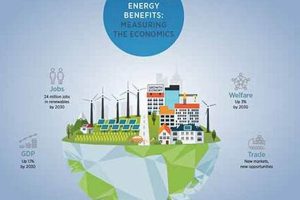
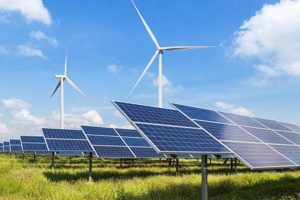
The application of self-regulating processes to renewable energy systems encompasses various technologies and practices designed to enhance efficiency, safety, and reliability. For instance, robotic systems can inspect and maintain solar panel arrays, optimizing their output and extending their lifespan. Similarly, advanced control systems automatically adjust wind turbine blade angles to maximize energy capture in changing wind conditions. This integration of intelligent systems across the renewable energy sector streamlines operations and reduces human intervention.
Historically, the renewable energy sector has relied heavily on manual processes. The increasing complexity and scale of modern renewable energy installations necessitate a shift toward more sophisticated operational strategies. Intelligent systems offer significant advantages, including minimizing operational costs, improving safety for personnel in often hazardous environments, and maximizing energy generation through precise, real-time adjustments to fluctuating weather patterns. These advancements are crucial for expanding the adoption and efficacy of renewable energy sources globally.
This article will further examine specific automated processes employed within the renewable energy industry, including examples in solar, wind, hydroelectric, and geothermal energy generation, along with exploring future trends and potential challenges in this rapidly evolving field.
Tips for Implementing Automated Solutions in Renewable Energy Projects
Effective integration of automated processes requires careful planning and consideration of various factors. The following tips provide guidance for successful implementation:
Tip 1: Conduct a Thorough Site Assessment: A comprehensive evaluation of the renewable energy site is crucial. This assessment should include geographical factors, weather patterns, existing infrastructure, and specific energy generation technology being utilized. Detailed site information informs appropriate automation technology choices.
Tip 2: Prioritize Scalability and Flexibility: Selecting scalable automation solutions allows systems to adapt to future expansions or technological advancements. Flexibility in design accommodates evolving operational needs and integration with other systems.
Tip 3: Emphasize Cybersecurity Measures: Automated systems are vulnerable to cyberattacks. Robust cybersecurity protocols are essential to safeguard operational integrity and protect sensitive data from unauthorized access.
Tip 4: Invest in Training and Workforce Development: Successful implementation requires a skilled workforce. Investing in comprehensive training programs ensures personnel possess the expertise needed to operate and maintain automated systems effectively.
Tip 5: Ensure Regulatory Compliance: Adherence to relevant regulations and industry standards is paramount. Automation systems should be designed and implemented to meet all applicable safety and environmental requirements.
Tip 6: Consider Long-Term Operational Costs: While initial investment costs can be substantial, long-term operational savings achieved through automation should be a primary consideration. A comprehensive cost-benefit analysis helps justify investment decisions.
By adhering to these guidelines, organizations can maximize the benefits of automation, leading to increased efficiency, improved safety, and reduced operational costs in renewable energy projects.
These practical tips offer a framework for strategic decision-making in the implementation of automated solutions, paving the way for a more efficient and sustainable future for renewable energy generation.
1. Improved Efficiency

Automated systems significantly enhance the efficiency of renewable energy generation. Precise control mechanisms optimize energy capture from fluctuating sources like solar and wind. For example, in solar power plants, automated tracking systems adjust the angle of solar panels throughout the day to maximize sunlight exposure. In wind farms, algorithms analyze wind speed and direction data to dynamically adjust turbine blade pitch, maximizing energy conversion. These automated adjustments, impossible to achieve with manual operation, lead to demonstrably higher energy yields.
This improvement in efficiency translates directly into increased energy output and reduced reliance on conventional energy sources. Automated systems also minimize energy losses during transmission and distribution by intelligently managing grid stability and load balancing. Real-time data analysis and predictive modeling enable operators to anticipate and address potential disruptions, further contributing to system-wide efficiency gains. Examples include automated responses to grid fluctuations caused by cloud cover affecting solar power generation or sudden gusts of wind impacting wind farms.
Ultimately, efficiency improvements driven by automation are crucial for the economic viability and widespread adoption of renewable energy. Higher energy yields per unit of installed capacity reduce the overall cost of renewable energy production, making it increasingly competitive with traditional fossil fuels. This cost reduction, coupled with environmental benefits, positions automated renewable energy systems as a key driver of a sustainable energy future. Addressing the inherent intermittency of renewable resources through sophisticated automation remains a critical challenge for maximizing their contribution to global energy needs.
2. Enhanced Safety

Safety is paramount in the renewable energy sector, often involving work in hazardous environments and with high-voltage equipment. Automation plays a vital role in mitigating risks and improving overall safety for personnel and infrastructure. By reducing the need for human intervention in dangerous tasks, automated systems contribute significantly to a safer working environment and minimize the potential for accidents.
- Remote Monitoring and Control
Automated systems enable remote monitoring and control of renewable energy installations. This allows operators to supervise and manage operations from a safe distance, minimizing exposure to potentially hazardous conditions such as working at height on wind turbines or handling high-voltage equipment in solar farms. Real-time data analysis and alerts further enhance safety by enabling proactive responses to potential issues before they escalate into dangerous situations. Remote diagnostics and troubleshooting reduce the need for on-site personnel, particularly in remote or challenging locations.
- Predictive Maintenance
Automation facilitates predictive maintenance by analyzing data from various sensors and systems. This enables early identification of potential equipment failures, allowing for timely intervention and preventing catastrophic breakdowns. Predictive maintenance reduces the risk of accidents caused by malfunctioning equipment and extends the operational lifespan of assets, contributing to long-term safety and reliability. For example, sensors monitoring vibration levels in wind turbine gearboxes can predict potential failures, allowing for preventative maintenance before a critical malfunction occurs.
- Automated Safety Systems
Automated safety systems are integral to modern renewable energy installations. These systems include automatic shutdowns in response to hazardous conditions, such as extreme weather events or equipment malfunctions. Automated fire suppression systems and emergency protocols further enhance safety by minimizing damage and protecting personnel. For example, automated curtailment strategies in wind farms reduce turbine output during periods of high winds to prevent damage and ensure structural integrity.
- Reduced Human Error
Human error is a significant contributing factor to accidents in many industries, including renewable energy. Automation minimizes the potential for human error by automating repetitive tasks and complex procedures. Automated systems follow pre-programmed instructions and protocols, reducing the risk of mistakes that can lead to safety incidents. This is particularly important in tasks requiring high precision and consistency, such as the alignment and calibration of solar panels or the control of hydroelectric dam gates.
These facets of enhanced safety, facilitated by automation, contribute to a more secure and reliable renewable energy sector. The reduced risk of accidents, improved operational efficiency, and extended asset lifespan demonstrate the vital role of automation in creating a sustainable and safe energy future. As technology continues to advance, further safety enhancements through automation are expected, leading to even safer and more efficient renewable energy generation.
3. Reduced Costs

Cost reduction is a critical driver for the widespread adoption of renewable energy. Automation offers significant potential for lowering expenses throughout the lifecycle of renewable energy projects, from initial design and construction to ongoing operation and maintenance. By optimizing processes and minimizing reliance on manual labor, automation contributes to improved financial viability and accelerates the transition to a sustainable energy future.
- Lower Operational Expenses
Automation significantly reduces operational expenses by minimizing manual labor requirements. Tasks such as monitoring, data collection, and routine maintenance can be automated, reducing the need for large on-site teams. Automated systems also optimize energy generation and distribution, minimizing waste and maximizing output, which further contributes to lower operating costs. For instance, automated systems can detect and address minor issues remotely, preventing them from escalating into costly repairs. In solar farms, automated cleaning systems reduce the need for manual cleaning, lowering labor costs and improving energy output.
- Reduced Maintenance Costs
Predictive maintenance, enabled by automation, plays a crucial role in reducing maintenance costs. By analyzing data from sensors and systems, potential equipment failures can be identified early, allowing for timely and targeted interventions. This approach minimizes downtime, extends the lifespan of equipment, and reduces the need for costly reactive maintenance. For example, automated monitoring of wind turbine gearbox vibrations can predict wear and tear, allowing for proactive maintenance and preventing major breakdowns that would require expensive repairs or replacements.
- Optimized Resource Allocation
Automation facilitates optimized resource allocation by improving the efficiency of energy generation and distribution. Automated control systems adjust energy flow based on real-time demand and grid conditions, minimizing energy waste and maximizing the utilization of renewable resources. Smart grids, enabled by automation, dynamically balance supply and demand, reducing the need for costly energy storage solutions and maximizing the use of renewable energy sources. This optimized resource allocation contributes to lower overall energy costs and improves grid stability.
- Increased Project ROI
By lowering operational and maintenance expenses and maximizing energy output, automation contributes to increased project return on investment (ROI). Reduced costs throughout the lifecycle of a renewable energy project improve its financial viability and attractiveness to investors. Higher ROI accelerates the deployment of renewable energy technologies and contributes to a faster transition to a sustainable energy future. The long-term cost savings achieved through automation outweigh the initial investment in automated systems, making it a financially sound strategy for renewable energy projects.
These combined cost reductions, facilitated by automation, significantly improve the economic competitiveness of renewable energy compared to traditional energy sources. Lower operating expenses, reduced maintenance costs, optimized resource allocation, and increased project ROI contribute to a more sustainable and financially viable energy landscape. As automation technologies continue to advance, further cost reductions are anticipated, solidifying the role of renewable energy as a key driver of a cleaner and more affordable energy future.
4. Increased Reliability

Reliability is paramount for renewable energy systems to effectively contribute to the power grid and displace conventional energy sources. Automation plays a crucial role in enhancing the reliability of renewable energy generation, transmission, and distribution. Through continuous monitoring, predictive maintenance, and automated control systems, the inherent intermittency of renewable resources can be effectively managed, ensuring a consistent and dependable energy supply.
Automated systems continuously monitor the performance of renewable energy assets, collecting data on key parameters such as energy output, weather conditions, and equipment status. This real-time data enables proactive identification of potential issues and facilitates timely interventions, minimizing downtime and maximizing energy availability. For instance, automated weather forecasting integrated with wind farm control systems allows operators to anticipate changes in wind patterns and adjust turbine operations accordingly, maximizing energy capture and ensuring grid stability. In solar power plants, automated fault detection systems can pinpoint malfunctioning panels, allowing for rapid repairs and minimizing the impact on overall energy output.
Predictive maintenance, driven by data analytics and machine learning algorithms, further enhances reliability by anticipating equipment failures before they occur. By analyzing historical data and real-time performance indicators, these systems can identify patterns and predict potential malfunctions, allowing for scheduled maintenance and preventing costly unplanned outages. This proactive approach minimizes downtime and extends the lifespan of critical components, ensuring the long-term reliability of renewable energy systems. The shift from reactive to predictive maintenance, enabled by automation, represents a significant advancement in ensuring the dependable operation of renewable energy infrastructure. Furthermore, automated control systems enhance grid stability by responding dynamically to fluctuations in renewable energy generation. These systems can automatically adjust energy flow, balance supply and demand, and integrate energy storage solutions to ensure a reliable and consistent power supply, even with the variability of renewable resources.
5. Remote Monitoring

Remote monitoring forms an integral component of automated renewable energy systems, enabling efficient oversight and control of geographically dispersed installations. This capability significantly reduces operational costs and improves response times to system anomalies or emergencies. By leveraging sensor networks and advanced communication technologies, remote monitoring systems provide real-time data on the performance of renewable energy assets, including energy output, equipment status, and environmental conditions. This data stream empowers operators to make informed decisions, optimize energy generation, and proactively address potential issues without requiring constant on-site presence. For example, remote monitoring systems can detect subtle changes in wind turbine performance, indicating potential maintenance needs before major failures occur, thereby minimizing downtime and maximizing energy yield. Similarly, in solar power plants, remote monitoring can identify shading issues affecting panel output, allowing for timely adjustments or vegetation management to optimize energy capture.
The practical significance of remote monitoring lies in its ability to enhance operational efficiency, improve safety, and reduce costs across various renewable energy technologies. In remote or offshore wind farms, where physical access is challenging and expensive, remote monitoring becomes crucial for effective operations and maintenance. Real-time data analysis enables operators to diagnose and troubleshoot problems remotely, minimizing the need for costly site visits. Automated alerts and notifications further enhance responsiveness, enabling rapid intervention in critical situations, such as equipment malfunctions or grid instability events. Moreover, the data gathered through remote monitoring systems provides valuable insights into long-term performance trends, informing predictive maintenance strategies and optimizing asset management decisions.
Remote monitoring, as a key element of automation in renewable energy, is essential for maximizing the effectiveness and profitability of these installations. Its ability to provide real-time insights, enhance operational efficiency, and improve safety underscores its crucial role in the ongoing expansion and optimization of the renewable energy sector. While the implementation of remote monitoring systems requires initial investment in communication infrastructure and data analytics capabilities, the long-term benefits in terms of reduced operational costs, improved reliability, and enhanced safety significantly outweigh these initial expenses. Furthermore, advancements in sensor technology, data analytics, and artificial intelligence promise to further enhance the capabilities and effectiveness of remote monitoring systems, further solidifying their essential role in the future of renewable energy management.
6. Predictive Maintenance

Predictive maintenance represents a critical application of automation within the renewable energy sector. By leveraging data analysis and machine learning algorithms, predictive maintenance strategies shift from reactive, breakdown-driven repairs to proactive, data-driven interventions. This approach minimizes downtime, optimizes operational efficiency, and extends the lifespan of renewable energy assets, contributing significantly to improved cost-effectiveness and overall system reliability. This proactive approach contrasts sharply with traditional reactive maintenance practices and offers substantial benefits for the long-term sustainability of renewable energy installations.
- Data Acquisition and Analysis
The foundation of predictive maintenance lies in the continuous acquisition and analysis of data from various sources within renewable energy systems. Sensors embedded in wind turbines, solar panels, and other equipment collect data on critical performance parameters such as vibration, temperature, output power, and environmental conditions. This data is then processed using sophisticated algorithms to identify patterns, anomalies, and trends that may indicate impending equipment failures. For example, analyzing vibration data from a wind turbine gearbox can reveal early signs of wear and tear, allowing for timely intervention before a catastrophic failure occurs. Similarly, monitoring the output power of solar panels can identify shading issues or panel degradation, enabling proactive maintenance to optimize energy production.
- Machine Learning and Predictive Modeling
Machine learning algorithms play a crucial role in predictive maintenance by building predictive models based on historical data and real-time sensor readings. These models can identify subtle patterns and correlations that might be missed by traditional manual analysis, enabling more accurate predictions of equipment failures. By continuously learning from new data, these models become increasingly refined and accurate over time, improving the effectiveness of predictive maintenance strategies. For example, a machine learning model trained on historical wind turbine data can predict the remaining useful life of critical components, allowing operators to schedule maintenance proactively and optimize spare parts inventory.
- Automated Alerts and Notifications
Automated alerts and notifications form an essential component of predictive maintenance systems. When the predictive models detect an anomaly or predict an impending failure, automated alerts notify maintenance personnel, enabling prompt intervention and minimizing downtime. These alerts can be customized based on the severity of the predicted issue, ensuring that critical failures receive immediate attention. For example, an automated alert system might notify operators of a potential bearing failure in a wind turbine, allowing them to schedule maintenance and prevent a costly breakdown. This automated notification process streamlines communication and ensures rapid response to critical maintenance needs.
- Integration with Maintenance Management Systems
Predictive maintenance systems are often integrated with computerized maintenance management systems (CMMS), providing a centralized platform for managing maintenance activities. This integration enables seamless data flow between the predictive maintenance system and the CMMS, allowing for efficient scheduling of maintenance tasks, tracking of spare parts inventory, and analysis of maintenance history. By streamlining maintenance workflows and providing valuable data-driven insights, this integration further optimizes maintenance operations and enhances the overall reliability of renewable energy assets.
The convergence of these elements forms a robust framework for predictive maintenance in renewable energy, contributing significantly to reduced downtime, optimized operational efficiency, and extended asset lifespan. This approach to maintenance represents a paradigm shift from reactive repairs to proactive interventions, enhancing the long-term sustainability and cost-effectiveness of renewable energy systems. As data analytics and machine learning technologies continue to advance, the capabilities of predictive maintenance will further expand, optimizing performance and reliability across the renewable energy sector.
Frequently Asked Questions about Automation in Renewable Energy
This section addresses common inquiries regarding the role of automation in renewable energy systems, aiming to provide clear and concise information.
Question 1: How does automation improve the efficiency of renewable energy generation?
Automation optimizes energy capture by dynamically adjusting systems in response to real-time conditions. For example, automated tracking systems maximize solar panel exposure to sunlight, while algorithms adjust wind turbine blade angles to optimize energy conversion in varying wind speeds. This precise control, unattainable through manual operation, leads to significantly higher energy yields.
Question 2: What role does automation play in ensuring the safety of renewable energy operations?
Automation enhances safety by reducing the need for human intervention in hazardous tasks. Remote monitoring and control systems allow operators to manage operations from a safe distance, minimizing exposure to high-voltage equipment or challenging environments. Automated safety systems, such as automatic shutdowns in emergencies, further mitigate risks.
Question 3: How does automation contribute to cost reduction in renewable energy projects?
Automation reduces costs by minimizing manual labor requirements, optimizing resource allocation, and improving operational efficiency. Predictive maintenance, enabled by automation, reduces downtime and extends the lifespan of equipment, leading to lower maintenance expenses and increased return on investment.
Question 4: Can automation address the intermittency challenges associated with renewable energy sources?
Automated systems enhance grid stability by dynamically balancing energy supply and demand. Smart grids, enabled by automation, integrate energy storage solutions and adjust energy flow based on real-time conditions, mitigating the impact of fluctuating renewable energy generation and ensuring a consistent power supply.
Question 5: What skills are needed to operate and maintain automated renewable energy systems?
Expertise in data analysis, control systems engineering, and information technology are increasingly important for managing automated renewable energy systems. Training programs focused on these areas are essential for developing a skilled workforce capable of operating and maintaining these advanced technologies.
Question 6: What are the future trends in automation within the renewable energy sector?
Advancements in artificial intelligence, machine learning, and robotics are expected to further enhance automation capabilities in renewable energy. Increased integration of these technologies will lead to more sophisticated control systems, improved predictive maintenance capabilities, and greater autonomy in the operation of renewable energy installations.
The integration of automation within the renewable energy sector offers significant benefits across multiple dimensions, from improved efficiency and safety to reduced costs and increased reliability. As technology continues to advance, the role of automation in driving the global transition to sustainable energy sources will only become more pronounced.
For further exploration, the following section delves into specific case studies illustrating the practical implementation and benefits of automation in various renewable energy projects.
Conclusion
Automation in renewable energy represents a critical driver of efficiency, safety, and cost reduction across the sector. From optimizing energy capture to enabling predictive maintenance and enhancing grid stability, automated systems address key challenges associated with renewable energy integration. The exploration of this topic has highlighted the transformative potential of automation in maximizing the contribution of renewable sources to the global energy landscape. The convergence of technologies such as data analytics, machine learning, and robotics further amplifies the impact of automation, paving the way for more sophisticated and autonomous renewable energy systems.
The ongoing advancement and integration of automation within the renewable energy sector are crucial for achieving a sustainable energy future. Continued investment in research, development, and workforce training is essential to fully realize the potential of automation in driving the global transition to cleaner and more reliable energy sources. The future of energy depends on embracing and advancing these transformative technologies.