Transitioning to sustainable energy sources offers numerous economic advantages. For instance, the development, manufacturing, and installation of renewable energy technologies create jobs across various sectors, from engineering and construction to sales and maintenance. Furthermore, using resources like solar, wind, and geothermal power reduces reliance on fluctuating global fossil fuel markets, leading to greater energy price stability and independence.
Historically, dependence on finite fossil fuels has driven geopolitical instability and economic vulnerability. Investing in renewable energy mitigates these risks while simultaneously addressing environmental concerns. This shift contributes to long-term economic growth by fostering innovation, attracting investment, and improving public health through reduced air pollution. The growth of the renewable energy sector also stimulates local economies, particularly in rural areas where many renewable energy projects are situated.
The following sections will delve into specific aspects of the economic impact of renewable energy, including job creation, energy security, technological innovation, and investment opportunities. These areas will be examined in detail to provide a comprehensive understanding of the multifaceted economic benefits of a sustainable energy future.
Tips for Promoting Economic Growth Through Renewable Energy
The following tips offer guidance on leveraging renewable energy for economic advancement:
Tip 1: Support Policies that Incentivize Renewable Energy Development Implementing tax credits, rebates, and feed-in tariffs can stimulate private sector investment in renewable energy projects, driving market growth and cost reductions.
Tip 2: Invest in Research and Development Continued innovation in renewable energy technologies is crucial for improving efficiency, lowering costs, and expanding deployment options. Public funding for research and development plays a vital role in this process.
Tip 3: Develop Workforce Training Programs A skilled workforce is essential for the growth of the renewable energy sector. Investing in training programs ensures a pipeline of qualified professionals for jobs in manufacturing, installation, and maintenance.
Tip 4: Streamline Permitting Processes Complex and lengthy permitting procedures can hinder the development of renewable energy projects. Simplifying these processes can accelerate deployment and reduce costs.
Tip 5: Promote Public-Private Partnerships Collaboration between government and private sector entities can leverage the strengths of both to accelerate the adoption of renewable energy technologies.
Tip 6: Foster International Collaboration Sharing best practices, technologies, and research findings across borders can accelerate global progress toward a sustainable energy future.
Tip 7: Raise Public Awareness Educating the public about the economic benefits of renewable energy can build support for policies and investments that drive the transition to a cleaner energy system.
By implementing these strategies, communities and nations can harness the economic potential of renewable energy, creating jobs, fostering innovation, and building a more sustainable future.
The concluding section will summarize the key arguments and reiterate the importance of embracing renewable energy for a robust and sustainable economy.
1. Job Creation

Renewable energy sources offer significant job creation potential, contributing substantially to economic growth. The development, manufacturing, installation, and maintenance of renewable energy technologies require a diverse workforce, spanning various skill levels and sectors. For example, wind turbine technicians, solar panel installers, and engineers specializing in renewable energy systems are in increasing demand. This demand stimulates employment in manufacturing facilities producing components for renewable energy infrastructure and supports ancillary industries, such as transportation and logistics. Furthermore, the decentralized nature of many renewable energy projects often brings job opportunities to rural communities, boosting local economies and providing an alternative to traditional industries.
The shift towards renewable energy creates more jobs than are lost in the fossil fuel industry. A 2021 study by the International Renewable Energy Agency (IRENA) estimated that the renewable energy sector employed over 12 million people globally. This figure is expected to grow significantly as countries continue to invest in renewable energy infrastructure. The transition to a sustainable energy system not only addresses environmental concerns but also provides a pathway to long-term economic prosperity through sustained job creation and diversification of the workforce. Real-world examples include the rapid growth of solar installation jobs in the United States and the burgeoning offshore wind industry in Europe, both of which have created thousands of new jobs in recent years.
Understanding the job creation potential of renewable energy is crucial for policymakers and investors. Targeted investments in training and education programs can equip workers with the skills needed to succeed in this growing sector. Furthermore, supportive policies and regulations can create a stable and predictable market environment, encouraging private investment and driving further job growth. By prioritizing renewable energy development, societies can unlock significant economic benefits while simultaneously addressing climate change and building a more sustainable future.
2. Investment Growth

Renewable energy presents a compelling opportunity for investment growth, driving economic activity and fostering innovation. The transition to a sustainable energy system requires significant capital investment in research, development, manufacturing, and deployment of renewable energy technologies. This investment stimulates economic activity across multiple sectors, creating jobs and generating revenue.
- Private Sector Investment
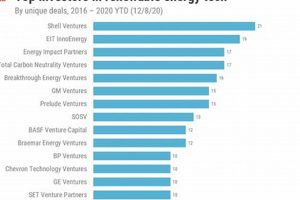
Private sector investment plays a crucial role in financing renewable energy projects. Attracted by the potential for long-term returns and the growing demand for clean energy, investors are increasingly allocating capital to renewable energy technologies, including solar, wind, and geothermal projects. Examples include venture capital funding for innovative startups developing new energy storage solutions and large-scale investments by institutional investors in utility-scale solar and wind farms. These investments drive economic growth by creating jobs, fostering innovation, and expanding the renewable energy market.
- Public Sector Incentives
Government policies and incentives play a vital role in stimulating investment in renewable energy. Tax credits, subsidies, and feed-in tariffs can reduce the cost of renewable energy projects, making them more attractive to private investors. For instance, government-backed loan guarantees can mitigate risk and encourage investment in large-scale renewable energy infrastructure projects. These policies create a favorable investment climate, driving economic growth and accelerating the transition to a sustainable energy system. Public sector support can also foster innovation by funding research and development of new renewable energy technologies.
- Green Bonds
Green bonds provide a mechanism for raising capital specifically for environmentally friendly projects, including renewable energy infrastructure. These bonds offer investors a way to align their financial goals with their sustainability objectives. The increasing demand for green bonds demonstrates the growing investor interest in sustainable investments, driving capital towards the renewable energy sector. Examples include green bonds issued by corporations to finance the construction of new wind farms or solar power plants. This influx of capital accelerates the deployment of renewable energy technologies, contributing to economic growth and job creation.
- Infrastructure Development
Investment in renewable energy necessitates significant infrastructure development, creating economic opportunities in related sectors. For example, the expansion of renewable energy generation requires investment in transmission lines and grid modernization to integrate these new sources into the existing electricity system. This infrastructure development stimulates economic activity in construction, engineering, and manufacturing, creating jobs and driving economic growth. Furthermore, improved energy infrastructure enhances energy security and reliability, further contributing to economic stability.
The convergence of private and public sector investments, coupled with innovative financing mechanisms like green bonds, is driving substantial growth in the renewable energy sector. This investment fuels economic expansion through job creation, technological innovation, and infrastructure development. By fostering a supportive investment environment, governments can accelerate the transition to a sustainable energy system and unlock the full economic potential of renewable energy.
3. Technological Innovation

Technological innovation serves as a crucial catalyst for the economic benefits derived from renewable energy. Advancements in renewable energy technologies, such as solar photovoltaics, wind turbines, and energy storage systems, directly impact cost reductions, efficiency improvements, and expanded deployment options. These advancements drive market growth, attract investment, and enhance the competitiveness of renewable energy sources compared to traditional fossil fuels. For instance, the declining cost of solar panels has made solar energy a cost-competitive option for electricity generation in many regions, stimulating market growth and creating jobs in manufacturing, installation, and maintenance. Similarly, advancements in wind turbine technology have increased energy capture efficiency, further reducing the cost of wind power. These technological advancements underpin the economic viability of renewable energy and its potential to contribute significantly to economic growth.
Continued innovation in areas like energy storage, smart grids, and grid integration technologies is essential for maximizing the economic benefits of renewable energy. Improved energy storage solutions address the intermittency challenges associated with solar and wind power, enabling greater grid reliability and facilitating wider adoption of these resources. Smart grids optimize energy distribution and reduce transmission losses, enhancing the efficiency of the electricity system. Advanced grid integration technologies seamlessly integrate renewable energy sources into the existing grid infrastructure, maximizing their utilization and minimizing curtailment. These technological advancements enhance the economic value of renewable energy by improving grid stability, reducing costs, and maximizing the use of renewable resources. Real-world examples include the development of advanced battery storage systems that are enabling greater integration of solar and wind power into the electricity grid and the deployment of smart grid technologies that are improving grid efficiency and reliability.
Technological innovation remains a critical driver of the economic benefits associated with renewable energy. Continued investment in research and development is essential for accelerating cost reductions, improving efficiency, and expanding deployment options. Overcoming technological challenges associated with energy storage, grid integration, and resource variability will further enhance the economic competitiveness of renewable energy, unlock its full potential to contribute to economic growth, and pave the way for a more sustainable energy future. Addressing these challenges requires collaborative efforts between governments, research institutions, and private sector companies to foster innovation and accelerate the deployment of next-generation renewable energy technologies.
4. Rural Development

Renewable energy development offers significant potential for revitalizing rural economies. Often located in rural areas, renewable energy projects, such as wind farms and solar installations, inject capital into local communities. This investment creates jobs in construction, operation, and maintenance, providing employment opportunities in areas often facing economic challenges. Land lease agreements for renewable energy projects provide landowners with a stable income stream, diversifying agricultural revenue and enhancing financial stability. Furthermore, the influx of economic activity associated with renewable energy development can stimulate growth in related sectors, such as tourism and hospitality, further benefiting rural communities. For example, the construction of a wind farm can create temporary construction jobs and permanent operational roles, while also attracting tourists interested in sustainable energy technologies. This diversified economic activity strengthens the resilience of rural communities and reduces dependence on traditional industries that may be declining.
The distributed nature of renewable energy generation offers unique advantages for rural areas. Unlike centralized power plants, renewable energy projects can be deployed closer to where electricity is consumed, reducing transmission losses and improving grid reliability. This localized generation can also empower rural communities to become more energy independent, reducing reliance on external energy sources and enhancing energy security. For instance, a community solar project can provide clean and affordable electricity to local residents, reducing their dependence on fossil fuels and lowering energy costs. This increased energy independence enhances the economic stability of rural communities and reduces vulnerability to fluctuations in global energy markets. Furthermore, the development of renewable energy resources can attract new businesses and industries to rural areas seeking access to clean and affordable energy, further stimulating economic growth and diversification.
Renewable energy serves as a catalyst for sustainable rural development, fostering economic growth, creating jobs, and enhancing energy independence. Strategic investment in renewable energy projects can revitalize rural economies, providing new opportunities for landowners, businesses, and residents. This development model strengthens the resilience of rural communities, reduces reliance on volatile fossil fuel markets, and contributes to a more sustainable and equitable energy future. By leveraging the potential of renewable energy, rural communities can build a more prosperous and resilient future for generations to come. However, careful planning and community engagement are essential to ensure that renewable energy development aligns with local needs and priorities, maximizing the benefits for rural communities while minimizing potential negative impacts.
5. Energy Independence

Energy independence, achieved through substantial reliance on domestically sourced renewable energy, strengthens national economies. Reduced reliance on imported fossil fuels mitigates vulnerability to volatile global energy markets and geopolitical instability. This stability translates into predictable energy prices, shielding businesses and consumers from price shocks that can disrupt economic activity. Furthermore, the financial resources previously spent on energy imports can be redirected towards domestic investments in renewable energy infrastructure, creating jobs and stimulating economic growth within the country. For example, a nation transitioning to solar and wind power reduces its dependence on imported oil, lessening the economic impact of global oil price fluctuations and potentially redirecting billions of dollars towards domestic renewable energy projects. This shift fosters economic resilience and reduces the risk of energy supply disruptions.
Increased energy independence also enhances national security. Control over energy production reduces susceptibility to external pressures and strengthens a nation’s ability to pursue independent foreign policy objectives. This autonomy can create a more stable and predictable business environment, encouraging investment and fostering economic growth. Moreover, investments in renewable energy infrastructure contribute to a diversified energy portfolio, enhancing energy security by reducing reliance on any single source. A diversified energy mix, comprised of wind, solar, hydro, and geothermal resources, provides a buffer against disruptions to any one energy source, further enhancing economic stability. This resilience translates into a more secure and predictable economic environment, attracting investment and promoting long-term economic growth.
In summary, energy independence achieved through renewable energy development offers significant economic advantages. Reduced reliance on volatile global energy markets fosters price stability and predictable energy costs for businesses and consumers. Redirecting financial resources from energy imports towards domestic renewable energy investments stimulates economic growth and job creation. Enhanced energy security bolsters national security interests and creates a more stable and predictable business environment, attracting investment and promoting long-term economic prosperity. The transition to renewable energy, therefore, is not simply an environmental imperative but a strategic economic policy that strengthens national economies and enhances long-term prosperity.
6. Price Stability

Renewable energy sources contribute significantly to price stability within national economies. Unlike fossil fuels, which are subject to volatile global commodity markets and geopolitical influences, renewable resources like solar, wind, and geothermal offer a predictable and stable cost structure. Once the initial investment in renewable energy infrastructure is made, the fuel sourcesunlight, wind, or geothermal heatis essentially free. This inherent cost stability translates into predictable electricity prices for consumers and businesses, reducing the economic uncertainty associated with fluctuating fossil fuel prices. This predictability encourages long-term investment and planning, fostering stable economic growth. For example, businesses operating in regions with high reliance on renewable energy can more accurately forecast their energy costs, facilitating better financial planning and investment decisions. Conversely, regions heavily reliant on fossil fuels are exposed to price volatility, which can disrupt business operations and hinder economic growth. The stability offered by renewable energy empowers businesses to make long-term investments, hire more employees, and contribute to overall economic prosperity.
The economic benefits of price stability extend beyond individual businesses to the broader economy. Stable energy prices reduce inflationary pressures, allowing central banks to maintain lower interest rates, stimulating investment and economic activity. This stability also mitigates the risk of energy poverty, ensuring access to affordable energy for all segments of society. Furthermore, reduced dependence on imported fossil fuels improves national trade balances and strengthens domestic economies. For instance, countries that have invested heavily in renewable energy have witnessed a decrease in their energy import bills, freeing up capital for investment in other sectors of the economy. This positive economic impact highlights the crucial role of price stability in driving sustainable economic growth and development. Conversely, economies reliant on fossil fuel imports remain vulnerable to price shocks and supply disruptions, which can have cascading negative impacts across various economic sectors.
In conclusion, price stability fostered by renewable energy underpins sustainable economic development. Predictable energy costs reduce economic uncertainty, encourage investment, and mitigate inflationary pressures. This stability contributes to a more resilient and robust economy, benefiting businesses, consumers, and national governments alike. The transition to renewable energy, therefore, is not merely an environmental imperative but a crucial strategy for achieving long-term economic stability and prosperity. While the initial investment in renewable energy infrastructure can be substantial, the long-term benefits of price stability and reduced reliance on volatile fossil fuel markets significantly outweigh the upfront costs, paving the way for a more sustainable and prosperous economic future.
7. Reduced Health Costs

Transitioning to renewable energy sources offers substantial economic benefits through reduced healthcare expenditures. Combustion of fossil fuels releases pollutants that contribute to respiratory illnesses, cardiovascular diseases, and other health problems. These health issues impose significant costs on individuals, businesses, and healthcare systems. Renewable energy sources, being inherently cleaner, mitigate these health impacts, leading to a healthier population and reduced healthcare burdens. The economic implications are substantial, as decreased healthcare costs free up resources for other productive sectors of the economy. For example, a study by the American Lung Association found that transitioning to 100% renewable energy by 2050 in the United States could save trillions of dollars in healthcare costs annually by preventing premature deaths and reducing hospital admissions related to air pollution.
The link between reduced air pollution and improved public health translates directly into measurable economic gains. Fewer sick days, increased worker productivity, and lower healthcare premiums contribute to a more robust and productive workforce. These improvements have cascading positive effects throughout the economy, from increased business profitability to higher tax revenues. Furthermore, reduced healthcare burdens on government budgets free up public funds for investment in other critical areas, such as education and infrastructure. Real-world examples abound: countries that have made significant investments in renewable energy often report declines in respiratory illnesses and associated healthcare costs. In China, for instance, efforts to improve air quality through renewable energy deployment have been linked to measurable decreases in respiratory hospitalizations and associated costs.
Reducing healthcare costs through renewable energy deployment represents a significant economic advantage. The financial benefits extend beyond direct savings on medical expenses to encompass broader economic improvements stemming from a healthier and more productive population. Furthermore, these investments align with broader societal goals of improved public health and environmental sustainability. While the transition to renewable energy requires upfront investments, the long-term economic benefits, including reduced healthcare costs, contribute significantly to a healthier, more prosperous, and sustainable future. Continued research and policy support are crucial for maximizing these benefits and ensuring a just and equitable transition to a clean energy economy.
Frequently Asked Questions
This section addresses common inquiries regarding the economic implications of transitioning to renewable energy sources.
Question 1: Do renewable energy investments create more jobs than they displace?
Numerous studies indicate renewable energy sectors create more jobs per unit of energy generated than fossil fuel industries. Further job growth occurs in manufacturing, installation, maintenance, and research related to renewable energy technologies. While some job displacement may occur in fossil fuel industries, the overall net effect of renewable energy development is positive job creation.
Question 2: How does renewable energy impact energy prices and affordability?
Renewable energy sources, particularly solar and wind, have experienced dramatic cost reductions in recent years, making them increasingly cost-competitive with fossil fuels. Furthermore, the fuel source for renewable energy is free, providing long-term price stability and protection against volatile fossil fuel markets. This price stability benefits both consumers and businesses.
Question 3: Can renewable energy sources reliably power entire economies?
Advancements in energy storage technologies, smart grids, and grid management strategies are addressing the intermittency of renewable energy sources like solar and wind. Diversifying renewable energy portfolios with resources like geothermal and hydropower further enhances reliability. These advancements, coupled with demand-side management strategies, enable renewable energy sources to meet the electricity demands of entire economies reliably.
Question 4: How does renewable energy investment stimulate economic growth?
Renewable energy investments drive economic growth through job creation, technological innovation, and infrastructure development. These investments attract private capital, stimulate local economies, and enhance national competitiveness in the growing global clean energy market. Furthermore, reduced reliance on imported fossil fuels improves national trade balances and strengthens domestic economies.
Question 5: Does transitioning to renewable energy pose financial risks to national economies?
While upfront investments in renewable energy infrastructure are necessary, the long-term economic benefits, including price stability, reduced healthcare costs, and increased energy independence, significantly outweigh the initial costs. Furthermore, continued reliance on fossil fuels exposes economies to substantial financial risks associated with volatile fuel prices, geopolitical instability, and the increasing costs of climate change impacts.
Question 6: What role does policy play in promoting the economic benefits of renewable energy?
Supportive government policies, such as tax incentives, renewable portfolio standards, and streamlined permitting processes, are crucial for creating a favorable investment climate and accelerating the deployment of renewable energy technologies. These policies help to reduce costs, stimulate market growth, and maximize the economic benefits of the clean energy transition.
Transitioning to renewable energy offers substantial and diverse economic advantages. From job creation and investment growth to enhanced energy security and price stability, the economic benefits of renewable energy are driving a global shift towards a sustainable energy future.
The next section will delve into specific case studies illustrating the real-world economic impact of renewable energy projects in various regions.
The Economic Imperative of Renewable Energy
Renewable energy’s impact on economic growth is multifaceted and profound. This exploration has highlighted the diverse ways renewable energy technologies contribute to economic prosperity, from job creation and investment growth to enhanced energy security and price stability. The analysis demonstrates that renewable energy is not merely an environmental solution but a crucial driver of sustainable economic development. Reduced reliance on volatile fossil fuel markets creates a more predictable and stable economic environment, fostering long-term investment and growth. Furthermore, the health benefits associated with reduced air pollution translate into significant cost savings for healthcare systems and increased productivity for national economies. The transition to renewable energy also fosters technological innovation, creating new industries and high-skilled jobs. Investment in renewable energy infrastructure revitalizes rural economies, offering opportunities for landowners, businesses, and local communities.
The shift towards renewable energy represents a fundamental economic transformation. It is an investment in long-term prosperity, resilience, and a sustainable future. Embracing renewable energy offers a pathway to a more secure, equitable, and prosperous future for all. Continued investment, policy support, and technological innovation are crucial for maximizing the economic benefits of this vital transition. The future of economic growth is inextricably linked to the successful deployment of renewable energy technologies.