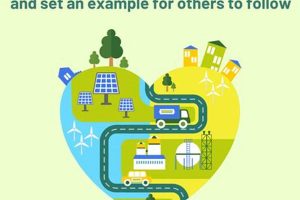
Harnessing power from sources that replenish naturally, such as sunlight, wind, water, and geothermal heat, forms the basis of sustainable power generation. For instance, photovoltaic panels convert sunlight directly into electricity, while wind turbines capture kinetic energy from moving air. These approaches offer alternatives to conventional fossil fuel-based electricity production.
Sustainable power offers numerous advantages, including reduced greenhouse gas emissions, decreased reliance on finite resources, and the potential for decentralized energy production. Historically, societies relied heavily on fossil fuels, but growing environmental concerns and the depletion of these resources have driven the development and adoption of sustainable alternatives. This shift toward cleaner energy sources represents a critical step in mitigating climate change and ensuring long-term energy security.
The following sections will explore specific types of sustainable power generation in greater detail, analyzing their technological advancements, economic viability, and environmental impact. Further discussion will address the challenges and opportunities associated with integrating these technologies into existing energy infrastructure.
Tips for Transitioning to Sustainable Power
Implementing sustainable power solutions can be complex. Careful planning and consideration of various factors are essential for successful integration. The following tips offer guidance for individuals, businesses, and communities seeking to adopt sustainable power.
Tip 1: Conduct a Thorough Energy Assessment: Evaluating current energy consumption patterns is crucial. This assessment should identify areas where energy efficiency can be improved and determine the most suitable sustainable power options for specific needs.
Tip 2: Explore Available Incentives and Policies: Many governments and organizations offer financial incentives, such as tax credits and rebates, to encourage the adoption of sustainable power. Researching and utilizing these programs can significantly reduce the initial investment costs.
Tip 3: Consider Site-Specific Factors: The effectiveness of different sustainable power technologies varies depending on geographic location and environmental conditions. Factors such as solar irradiance, wind speed, and water availability should be carefully considered when selecting a technology.
Tip 4: Evaluate Long-Term Costs and Benefits: While the initial investment in sustainable power can be substantial, the long-term cost savings from reduced energy bills and potential revenue generation can be significant. A comprehensive cost-benefit analysis should be conducted to assess the financial viability of different options.
Tip 5: Engage with Qualified Professionals: Seeking expert advice from engineers, contractors, and energy consultants can ensure proper system design, installation, and maintenance. Professional guidance can also help navigate the regulatory landscape and optimize system performance.
Tip 6: Prioritize Energy Efficiency Measures: Reducing overall energy consumption through efficiency improvements, such as insulation upgrades and the use of energy-efficient appliances, can minimize the size and cost of the sustainable power system required.
Tip 7: Plan for System Maintenance and Monitoring: Regular maintenance and monitoring are essential to ensure the optimal performance and longevity of sustainable power systems. Establishing a maintenance schedule and utilizing monitoring tools can help identify and address potential issues promptly.
By carefully considering these tips, individuals, businesses, and communities can make informed decisions about transitioning to sustainable power, maximizing the benefits while minimizing potential challenges. Such a transition contributes to a cleaner, more sustainable energy future.
The subsequent conclusion will summarize the key advantages of adopting sustainable power and emphasize the collective responsibility in transitioning towards a more sustainable energy landscape.
1. Sustainable Sources

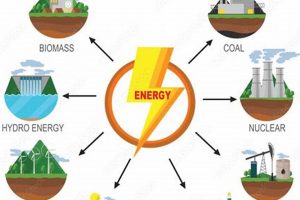
Sustainable sources form the foundation of viable renewable energy solutions. These sources, including solar, wind, hydro, geothermal, and biomass, replenish naturally over time, unlike finite fossil fuels. This inherent renewability ensures a consistent energy supply, reducing reliance on depleting resources and mitigating the price volatility associated with fossil fuel markets. For example, solar photovoltaic systems harness sunlight, a perpetually available resource, to generate electricity, while wind turbines convert wind energy into a usable power source. The availability and accessibility of these sustainable sources play a crucial role in determining the feasibility and long-term viability of renewable energy solutions.
The utilization of sustainable sources offers significant environmental advantages. Unlike fossil fuels, these sources produce minimal greenhouse gas emissions, mitigating climate change and improving air quality. Hydropower projects, while offering clean energy, can have ecological impacts on river systems, highlighting the need for careful planning and mitigation strategies. Biomass energy, derived from organic matter, can be carbon neutral if sustainably sourced and managed. Understanding the specific environmental implications of each sustainable source is crucial for developing environmentally responsible renewable energy solutions. Life cycle assessments offer valuable insights into the overall environmental impact of different renewable energy technologies, from resource extraction to end-of-life management.
The shift towards sustainable sources represents a fundamental change in energy production paradigms. This transition requires substantial investments in infrastructure, technological development, and policy frameworks. However, the long-term benefits of reduced environmental impact, increased energy security, and potential economic growth outweigh the initial challenges. The continued exploration and development of innovative technologies for harnessing these sustainable sources remain crucial for achieving a global transition to a cleaner, more sustainable energy future.
2. Technological Advancements
Technological advancements play a crucial role in the widespread adoption and effectiveness of renewable energy solutions. Continuous innovation drives down costs, improves efficiency, and expands the applications of these technologies, making them increasingly competitive with traditional energy sources. Exploring key advancements provides insights into the transformative potential of renewable energy.
- Improved Photovoltaic Efficiency
Advances in photovoltaic cell technology have led to significant increases in solar panel efficiency. Higher efficiency panels generate more electricity from the same amount of sunlight, reducing the land area required for solar installations. For example, advancements in materials science, such as the use of perovskite materials, promise even higher efficiencies and lower manufacturing costs, further enhancing the viability of solar energy.
- Advanced Energy Storage Systems
The intermittent nature of renewable energy sources, such as solar and wind, necessitates efficient energy storage solutions. Battery technology advancements, including improved battery chemistry and increased energy density, are crucial for storing excess energy generated during peak production periods and providing a consistent power supply when renewable sources are unavailable. This reliability enhances the grid stability and overall effectiveness of renewable energy integration.
- Smart Grid Technologies
Smart grids utilize digital technologies to optimize electricity distribution and manage the integration of renewable energy sources. These grids enable real-time monitoring of energy flow, dynamic pricing mechanisms, and demand-side management, improving grid stability, reducing transmission losses, and facilitating the seamless integration of distributed renewable energy generation. This intelligent management system is essential for maximizing the benefits of renewable energy solutions.
- Next-Generation Wind Turbine Designs
Advancements in wind turbine technology, including larger rotor diameters, taller towers, and improved blade aerodynamics, enhance energy capture and enable wind energy generation in areas with lower wind speeds. Offshore wind turbines, designed for harsh marine environments, access stronger and more consistent winds, further increasing the potential of wind energy. These advancements contribute to the increasing competitiveness of wind power.
These technological advancements, coupled with ongoing research and development efforts, are pivotal in driving the transition towards a sustainable energy future. As these technologies continue to mature and become more cost-effective, renewable energy solutions will play an increasingly dominant role in meeting global energy demands, reducing reliance on fossil fuels and mitigating the impacts of climate change.
3. Economic Viability

The economic viability of renewable energy solutions is crucial for their widespread adoption and long-term sustainability. Analyzing the financial aspects, including initial investment costs, operational expenses, return on investment, and job creation potential, is essential for understanding the overall economic impact and competitiveness of these solutions compared to traditional energy sources. This exploration delves into the key facets of economic viability within the context of renewable energy.
- Cost Competitiveness
The decreasing costs of renewable energy technologies, particularly solar and wind power, have made them increasingly competitive with fossil fuel-based electricity generation. In many regions, renewable energy is now the most cost-effective option for new power plants, driven by technological advancements, economies of scale, and supportive government policies. This cost competitiveness is a significant driver of renewable energy adoption and accelerates the transition towards a cleaner energy future.
- Return on Investment
Renewable energy projects offer attractive long-term returns on investment. While initial capital costs can be substantial, the operational costs are relatively low due to the absence of fuel expenses. Furthermore, government incentives, such as tax credits and feed-in tariffs, can enhance the financial returns and shorten the payback period for renewable energy investments, making them financially appealing to investors and businesses.
- Job Creation
The renewable energy sector is a significant source of job creation, offering employment opportunities in manufacturing, installation, maintenance, and research and development. As the renewable energy industry continues to grow, it stimulates economic activity and provides skilled jobs in both rural and urban areas, contributing to sustainable economic development and diversifying employment opportunities.
- Energy Independence and Security
Investing in renewable energy sources enhances energy independence and security by reducing reliance on imported fossil fuels. This diversification of energy sources protects economies from volatile fuel prices and geopolitical instability, ensuring a more stable and secure energy supply. This energy independence strengthens national energy security and promotes greater self-sufficiency.
The economic viability of renewable energy solutions is not solely determined by cost comparisons with traditional energy sources. The long-term benefits, including reduced environmental externalities, increased energy security, and sustainable economic development, must also be considered. A comprehensive evaluation of these economic factors is crucial for informed decision-making and successful implementation of renewable energy solutions, paving the way for a more sustainable and prosperous energy future.
4. Environmental Impact

Renewable energy solutions offer a pathway to mitigate the environmental impact of traditional energy generation, which relies heavily on fossil fuels. Assessing the environmental benefits and remaining challenges associated with these solutions is crucial for promoting sustainable energy practices and minimizing ecological disruption. This analysis explores the multifaceted environmental impact of renewable energy.
- Reduced Greenhouse Gas Emissions
Renewable energy sources produce significantly fewer greenhouse gas emissions compared to fossil fuels. This reduction in emissions helps mitigate climate change, a critical global challenge. For example, solar and wind power generate electricity without emitting carbon dioxide, the primary greenhouse gas responsible for global warming. This substantial reduction in carbon footprint is a key environmental advantage of renewable energy solutions.
- Improved Air and Water Quality
Transitioning to renewable energy sources improves air and water quality. Unlike fossil fuel power plants, renewable energy technologies do not release pollutants such as sulfur dioxide, nitrogen oxides, and particulate matter into the atmosphere, reducing air pollution and its associated health risks. Similarly, renewable energy generation minimizes water pollution associated with fossil fuel extraction and processing, protecting water resources and aquatic ecosystems.
- Land Use and Habitat Impacts
While renewable energy sources generally have a smaller land footprint than fossil fuels over their lifecycle, some technologies require significant land areas for installation. For example, large-scale solar farms can alter land use patterns and potentially affect wildlife habitats. Careful site selection, environmental impact assessments, and mitigation strategies are crucial for minimizing these potential land use and habitat impacts.
- Manufacturing and Disposal Considerations
The manufacturing process for renewable energy technologies requires raw materials and energy, and end-of-life disposal of components can present environmental challenges. For instance, the production of solar panels involves the use of certain materials with potential environmental impacts. Promoting recycling programs and developing more sustainable manufacturing processes are essential for minimizing the environmental footprint of renewable energy technologies throughout their lifecycle.
Understanding the multifaceted environmental impact of renewable energy solutions is essential for maximizing their benefits while minimizing potential drawbacks. Addressing the remaining challenges through technological advancements, responsible resource management, and comprehensive environmental assessments is crucial for ensuring the sustainable development and deployment of renewable energy technologies, paving the way for a cleaner and healthier environment.
5. Grid Integration

Grid integration represents a critical aspect of implementing renewable energy solutions effectively. Connecting renewable energy sources, such as solar and wind farms, to the existing electricity grid presents both challenges and opportunities. Successful integration ensures the reliable and efficient delivery of renewable energy to consumers while maintaining grid stability and security. This intricate process involves managing the intermittent nature of renewable sources, upgrading grid infrastructure, and implementing advanced control systems.
The intermittent nature of renewable energy sources, like solar and wind power, necessitates sophisticated grid management strategies. Solar power generation fluctuates with sunlight intensity and cloud cover, while wind power output varies with wind speed. These fluctuations can create imbalances between electricity supply and demand, potentially affecting grid stability. Smart grids, equipped with advanced sensors and communication technologies, enable real-time monitoring and control of energy flow, facilitating the seamless integration of these variable renewable sources. For example, energy storage systems, such as batteries and pumped hydro, can store excess renewable energy generated during peak periods and release it during periods of low generation, smoothing out fluctuations and ensuring a consistent power supply. Demand-side management programs further enhance grid flexibility by incentivizing consumers to shift their energy consumption to periods of high renewable energy generation.
Modernizing existing grid infrastructure is essential for accommodating the increasing influx of renewable energy. This modernization often involves upgrading transmission lines, transformers, and substations to handle the increased capacity and distributed nature of renewable energy generation. Furthermore, advanced grid management systems, utilizing sophisticated algorithms and data analytics, are crucial for optimizing energy flow, predicting fluctuations, and maintaining grid stability. The transition to a smarter, more flexible grid is a key enabler of widespread renewable energy integration, maximizing the benefits of these clean energy sources while ensuring the reliability and security of the electricity supply. Successfully addressing these grid integration challenges is crucial for realizing the full potential of renewable energy solutions and achieving a sustainable energy future.
6. Policy and Regulation

Policy and regulation play a crucial role in shaping the development and adoption of renewable energy solutions. Supportive policies and regulations can create favorable market conditions, incentivize investment, and accelerate the transition to a cleaner energy future. Conversely, inadequate or inconsistent policies can hinder progress and create uncertainty for investors and developers. Understanding the interplay between policy and regulation and renewable energy development is essential for effective policymaking and achieving sustainable energy goals.
Several policy mechanisms can effectively promote renewable energy solutions. Feed-in tariffs, for instance, guarantee a fixed price for renewable energy fed into the grid, providing price stability and encouraging investment. Renewable portfolio standards (RPS) mandate a certain percentage of electricity generation from renewable sources, creating demand and driving market growth. Tax credits and rebates can reduce the upfront costs of renewable energy installations, making them more financially attractive to consumers and businesses. Carbon pricing mechanisms, such as carbon taxes or cap-and-trade systems, internalize the environmental costs of fossil fuels, making renewable energy more competitive. For example, the German feed-in tariff system played a significant role in the country’s rapid expansion of solar photovoltaic capacity. Similarly, California’s RPS has driven significant growth in renewable energy generation within the state. These real-world examples demonstrate the practical impact of well-designed policies in promoting renewable energy adoption.
Effective policy and regulation are essential for overcoming barriers to renewable energy development. Streamlined permitting processes can reduce project development timelines and costs. Grid modernization initiatives, supported by appropriate regulations, are crucial for integrating variable renewable energy sources, such as solar and wind power, into the electricity grid. Addressing policy and regulatory uncertainties can foster investor confidence and unlock greater private sector investment in renewable energy projects. International cooperation and policy harmonization can further accelerate the global transition to renewable energy by facilitating technology transfer, sharing best practices, and creating consistent market signals. Successfully navigating these policy and regulatory challenges is crucial for unlocking the full potential of renewable energy solutions and achieving a sustainable energy future.
7. Social Acceptance

Social acceptance plays a vital role in the successful implementation of renewable energy solutions. Public perception, community engagement, and stakeholder involvement significantly influence the development and deployment of these technologies. Understanding and addressing social factors is crucial for fostering widespread adoption and maximizing the benefits of renewable energy.
- Community Engagement
Engaging local communities in the planning and development of renewable energy projects is essential for building trust and securing public support. Open communication, transparent decision-making processes, and opportunities for community input can address concerns, mitigate potential conflicts, and foster a sense of ownership. For example, community-owned wind farms, where local residents share in the economic benefits of the project, can enhance social acceptance and promote local development. Conversely, projects developed without adequate community engagement can face opposition and delays, highlighting the importance of proactive community involvement.
- Public Perception and Attitudes
Public perception and attitudes towards renewable energy technologies significantly influence their acceptance and adoption. Factors such as perceived environmental benefits, economic impacts, visual aesthetics, and potential noise pollution can shape public opinion. Educational campaigns, public awareness programs, and transparent communication about the benefits and potential impacts of renewable energy projects can foster positive perceptions and increase public support. Addressing misinformation and misconceptions about renewable energy technologies is crucial for building public confidence and promoting wider acceptance.
- Stakeholder Collaboration
Effective stakeholder collaboration is essential for navigating the complex social and political landscape surrounding renewable energy development. Engaging with diverse stakeholders, including government agencies, industry representatives, environmental organizations, and local communities, can facilitate consensus-building, address concerns, and identify mutually beneficial solutions. Collaborative approaches can streamline permitting processes, ensure project feasibility, and minimize potential conflicts. For instance, involving indigenous communities in the development of renewable energy projects on their ancestral lands is crucial for respecting their rights and ensuring equitable outcomes.
- Equity and Access
Ensuring equitable access to the benefits of renewable energy is crucial for promoting social justice and fostering widespread support. Policies and programs should aim to distribute the economic and environmental benefits of renewable energy fairly across all segments of society, including low-income communities and marginalized groups. Addressing energy poverty and promoting energy access in underserved areas can enhance social equity and contribute to sustainable development goals. For example, community solar programs can provide access to solar energy for renters and residents who may not have the resources to install solar panels on their own properties.
Addressing these social acceptance factors is integral to the successful implementation of renewable energy solutions. Fostering public support, engaging communities, and ensuring equitable access to the benefits of renewable energy are crucial for achieving a just and sustainable energy transition. By integrating social considerations into renewable energy planning and development, we can maximize the potential of these technologies to create a cleaner, more equitable, and sustainable energy future for all.
Frequently Asked Questions about Renewable Energy Solutions
This section addresses common inquiries regarding renewable energy solutions, offering clear and concise answers to facilitate informed decision-making and promote a deeper understanding of the transition to sustainable energy.
Question 1: What are the primary types of renewable energy sources available for practical implementation?
Several renewable energy sources are readily available for deployment, including solar, wind, hydro, geothermal, and biomass. Each source harnesses distinct natural processes, offering unique advantages and considerations for specific applications.
Question 2: How do renewable energy solutions contribute to environmental sustainability and mitigate climate change?
Renewable energy solutions significantly reduce greenhouse gas emissions compared to fossil fuel-based energy generation, mitigating the impacts of climate change. They also minimize air and water pollution, contributing to a healthier environment.
Question 3: What are the key economic benefits of transitioning to renewable energy sources?
Transitioning to renewable energy can stimulate economic growth through job creation, reduce reliance on imported fossil fuels, stabilize energy prices, and open new investment opportunities in a growing sector.
Question 4: How reliable are renewable energy sources, given their intermittent nature?
While some renewable sources are intermittent, advancements in energy storage technologies, grid management systems, and diversification of renewable energy sources enhance reliability and ensure a consistent energy supply.
Question 5: What are the main challenges associated with integrating renewable energy into existing grid infrastructure?
Integrating renewable energy into the grid requires grid modernization, including upgrading transmission lines and implementing smart grid technologies to manage the variability of renewable energy sources and ensure grid stability.
Question 6: What role do government policies and regulations play in promoting the adoption of renewable energy solutions?
Supportive government policies, such as feed-in tariffs, renewable portfolio standards, tax incentives, and carbon pricing mechanisms, are crucial for creating favorable market conditions and accelerating the growth of the renewable energy sector.
Understanding these key aspects of renewable energy solutions empowers individuals, businesses, and policymakers to make informed decisions and contribute to a sustainable energy future. Continued exploration of these topics is encouraged for a comprehensive understanding of the transition towards renewable energy.
The following section delves further into the specific advantages and disadvantages of different renewable energy technologies, providing a more detailed analysis for comparative assessment.
Renewable Energy Solutions
Exploration of renewable energy solutions reveals a multifaceted approach to energy generation, encompassing technological advancements, economic considerations, environmental benefits, grid integration complexities, policy and regulatory frameworks, and the crucial role of social acceptance. Sustainable sources, such as solar, wind, hydro, geothermal, and biomass, offer viable alternatives to fossil fuels, mitigating climate change and enhancing energy security. While challenges remain, including grid integration complexities and the intermittent nature of some renewable sources, ongoing technological advancements and supportive policies continue to drive progress and cost reductions, making renewable energy increasingly competitive.
The transition to renewable energy solutions represents not merely a technological shift, but a fundamental transformation of the energy landscape. Embracing these solutions is crucial for mitigating climate change, ensuring long-term energy security, and fostering sustainable economic development. Continued investment in research, development, and deployment of renewable energy technologies, coupled with informed policy decisions and public engagement, is essential for realizing the full potential of these solutions and securing a sustainable energy future for generations to come.