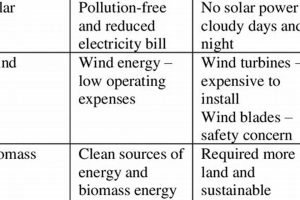
A system of electricity generation where renewable sources, such as solar panels, wind turbines, and hydroelectric dams, are integrated with the established electrical grid. This integration allows for the direct feed-in of generated power, supplementing or replacing traditional power plants. For instance, rooftop solar panels can power a home, with excess electricity flowing back to the grid, benefitting other consumers.
This approach offers significant advantages, including reduced reliance on fossil fuels, decreased greenhouse gas emissions, and enhanced energy security. Historically, power generation relied heavily on centralized, non-renewable sources. The shift towards integrating renewable sources represents a crucial step toward a more sustainable and resilient energy future. This distributed generation model also strengthens grid stability and reduces transmission losses by diversifying power sources.
Further exploration of specific technologies, integration challenges, economic implications, and policy frameworks will provide a more comprehensive understanding of this evolving landscape and its crucial role in future energy paradigms. Topics such as grid modernization, smart grid technologies, and energy storage solutions are essential for maximizing the potential of these systems.
Tips for Implementing Renewable Energy Grid Integration
Successful integration of renewable energy sources requires careful planning and consideration. The following tips offer guidance for maximizing the effectiveness and efficiency of such projects.
Tip 1: Conduct a Thorough Resource Assessment: Evaluate the availability and consistency of renewable resources at the proposed site. Wind speed data, solar irradiance measurements, and hydrological assessments are crucial for selecting appropriate technologies and predicting energy output.
Tip 2: Optimize System Design: Employing advanced modeling and simulation tools helps ensure efficient system design, minimizing energy losses and maximizing power output. Consider factors like grid compatibility, voltage fluctuations, and potential grid instability.
Tip 3: Choose Appropriate Technologies: Different renewable energy technologies suit specific locations and grid characteristics. For example, offshore wind farms may be suitable for coastal areas, while solar farms are more effective in regions with high solar irradiance.
Tip 4: Address Intermittency Challenges: Renewable energy sources can be intermittent. Integrating energy storage solutions, such as batteries or pumped hydro, helps mitigate fluctuations and ensures a stable power supply.
Tip 5: Ensure Grid Stability: Implement advanced grid management systems to maintain grid stability and prevent disruptions caused by fluctuating renewable energy input. This includes smart grids, demand-side management, and grid-forming inverters.
Tip 6: Comply with Regulatory Requirements: Adhere to local and national grid connection standards, permitting processes, and environmental regulations. This ensures legal compliance and facilitates project approval.
Tip 7: Engage with Stakeholders: Collaboration with local communities, grid operators, and regulatory bodies is essential for smooth project development and public acceptance.
By following these tips, stakeholders can ensure the successful integration of renewable energy resources, contributing to a more sustainable and reliable energy future.
These insights into practical implementation pave the way for a deeper understanding of the broader impacts and long-term implications of widespread renewable energy adoption.
1. Renewable Generation

Renewable generation forms the foundation of a grid-connected renewable energy system. The capacity and consistency of renewable sources, such as solar, wind, hydro, and geothermal, directly influence the system’s overall performance and effectiveness. A robust renewable generation component ensures a consistent supply of clean energy to the grid, reducing reliance on fossil fuels. For example, a large-scale wind farm contributes significantly to the energy mix within a grid-connected system, displacing conventional power generation and lowering carbon emissions. The reliability and predictability of renewable generation are crucial for effective grid management and ensuring a stable energy supply.
Integrating renewable generation with the grid requires careful consideration of resource availability, geographical location, and technological advancements. Solar farms in desert regions with high solar irradiance offer optimal energy production, while offshore wind farms capitalize on consistent wind speeds. Advancements in turbine technology and photovoltaic efficiency further enhance energy capture and conversion. Understanding these factors allows for optimized system design and maximizes the benefits of renewable integration. Furthermore, incorporating energy storage solutions, like pumped hydro or batteries, can address the intermittency of certain renewable sources, improving grid stability and reliability.
Effective renewable generation within a grid-connected system is essential for achieving sustainable energy goals. Successfully harnessing these resources requires a holistic approach, incorporating resource assessment, technological innovation, and grid management strategies. Addressing challenges such as intermittency and grid stability is crucial for maximizing the potential of renewable energy and ensuring a reliable and sustainable energy future. Continued advancements in forecasting and grid integration technologies will further optimize the performance and reliability of grid-connected renewable energy systems, paving the way for a cleaner and more resilient energy landscape.
2. Grid Integration

Grid integration is the crucial link between renewable energy generation and its effective utilization within the established electrical grid. It encompasses the technical and operational aspects that enable seamless power flow from renewable sources to consumers, ensuring grid stability and reliability. Successful grid integration is essential for maximizing the benefits of renewable energy and transitioning towards a sustainable energy future.
- Grid Compatibility:
Matching the technical characteristics of renewable energy systems with the grid’s requirements is paramount. This includes voltage levels, frequency regulation, and power quality. For instance, inverters play a crucial role in converting the direct current (DC) output of solar panels to alternating current (AC) compatible with the grid. Grid compatibility ensures the safe and efficient transfer of power without compromising grid stability.
- Power Flow Management:
Managing the bidirectional flow of electricity between renewable sources and the grid is a complex task. Advanced grid management systems monitor and control power flow, optimizing distribution and minimizing transmission losses. Real-time data analysis and predictive modeling help anticipate fluctuations in renewable generation and adjust grid operations accordingly, maintaining a balanced and reliable power supply. For example, smart grids use advanced sensors and communication technologies to optimize power flow and respond dynamically to changing grid conditions.
- Grid Stability and Reliability:
Integrating intermittent renewable sources can pose challenges to grid stability. Fluctuations in solar and wind power output require robust grid infrastructure and control mechanisms to maintain a consistent voltage and frequency. Energy storage solutions, such as batteries and pumped hydro, play a vital role in smoothing out these fluctuations and ensuring grid reliability. Advanced grid protection systems also prevent cascading failures and ensure the secure operation of the grid.
- Regulatory Compliance:
Grid integration must adhere to strict regulatory standards and interconnection requirements. These regulations ensure the safety and reliability of the grid, protecting both consumers and grid operators. Compliance with grid codes, technical standards, and permitting processes is essential for successful project development and operation. International standards and best practices provide a framework for harmonizing grid integration procedures and promoting cross-border electricity exchange.
These facets of grid integration are interconnected and essential for realizing the full potential of grid-connected renewable energy systems. Effective grid integration not only facilitates the transition to a cleaner energy future but also enhances grid resilience, improves energy security, and fosters economic development. Ongoing research and development in grid modernization and smart grid technologies will further optimize grid integration strategies and unlock new opportunities for integrating renewable energy resources seamlessly and efficiently.
3. Power Conversion

Power conversion plays a critical role in grid-connected renewable energy systems. Renewable sources often generate electricity in a form unsuitable for direct grid integration, necessitating conversion processes to ensure compatibility and efficient power flow. This involves transforming the electrical characteristics of the generated power to match the grid’s requirements, enabling seamless integration and utilization of renewable energy.
- DC to AC Conversion:
Many renewable energy sources, such as solar photovoltaic (PV) panels and fuel cells, produce direct current (DC) electricity. However, electrical grids primarily operate using alternating current (AC). Therefore, power electronic converters, specifically inverters, are essential for converting DC electricity from these sources into AC electricity compatible with the grid. This conversion process ensures seamless integration and allows the renewable energy to be effectively utilized within the AC grid infrastructure. For example, in a rooftop solar PV system, the inverter converts the DC output of the solar panels into AC, enabling the generated electricity to power household appliances or be fed back into the grid.
- Voltage Transformation:
The voltage level of electricity generated by renewable sources may not match the grid voltage. Transformers are employed to step up or step down the voltage to the required level for grid connection. This voltage transformation ensures efficient power transmission and prevents voltage mismatch issues that could damage equipment or destabilize the grid. For instance, in a large-scale wind farm, transformers increase the voltage of the generated electricity to a higher level suitable for long-distance transmission over the grid network.
- Power Quality Control:
Power quality is crucial for maintaining grid stability and ensuring the reliable operation of electrical equipment. Power conversion systems incorporate features to control power quality parameters, such as harmonic distortion and voltage fluctuations, ensuring compliance with grid standards. Advanced power electronic converters with active filtering capabilities can mitigate harmonics and improve power quality, enhancing grid stability and preventing interference with other grid-connected devices. This is particularly relevant in areas with high penetration of non-linear loads.
- Synchronization with the Grid:
Connecting renewable energy sources to the grid requires precise synchronization of the generated electricity with the grid’s frequency and phase. Power conversion systems utilize synchronization techniques to ensure seamless integration and prevent disruptions to grid operations. This precise synchronization allows the renewable energy to be injected into the grid in a controlled manner, maintaining grid stability and preventing frequency deviations. Advanced grid-forming inverters can even contribute to grid stability by providing voltage and frequency support, enhancing the overall resilience of the power system.
These facets of power conversion are integral to the effective operation of grid-connected renewable energy systems. Efficient and reliable power conversion enables the seamless integration of renewable sources, maximizing their contribution to the energy mix and facilitating the transition towards a sustainable energy future. Advancements in power electronics and control systems continue to improve the performance and efficiency of power conversion technologies, further enhancing the viability and effectiveness of grid-connected renewable energy systems.
4. System Control

System control is essential for the stable and efficient operation of a grid-connected renewable energy system. It encompasses the technologies, strategies, and algorithms that govern the flow of power, maintain grid stability, and optimize the performance of renewable energy sources. Effective system control ensures the seamless integration of renewable energy into the grid while addressing the inherent intermittency and variability of these resources.
- Real-Time Monitoring and Data Acquisition:
Continuous monitoring of system parameters, such as voltage, frequency, power output, and grid conditions, provides crucial data for effective control. Supervisory control and data acquisition (SCADA) systems collect and analyze this data, enabling operators to assess system performance and make informed control decisions. For example, real-time monitoring of wind speed and direction allows for adjustments to wind turbine blade pitch, optimizing energy capture while protecting the turbines from excessive stress. This real-time data is fundamental for predictive maintenance and optimizing operational efficiency.
- Power Flow Control and Grid Stability:
Maintaining grid stability is paramount when integrating intermittent renewable sources. Advanced control algorithms regulate power flow between renewable generators and the grid, mitigating fluctuations and preventing grid instability. Techniques like droop control and virtual synchronous generators (VSGs) emulate the behavior of conventional power plants, providing grid-stabilizing services such as frequency regulation and voltage support. For example, in a solar power plant, advanced inverters with grid-forming capabilities can contribute to grid stability by injecting reactive power and supporting grid voltage during disturbances.
- Forecasting and Predictive Control:
Accurate forecasting of renewable energy generation is crucial for effective grid management. Predictive models, based on weather data, historical generation patterns, and other relevant factors, anticipate fluctuations in renewable energy output. This information enables grid operators to proactively adjust dispatch schedules, optimize energy storage utilization, and ensure a balanced power supply. Accurate forecasting minimizes the impact of intermittency and enhances grid reliability. For instance, predicting solar power output based on cloud cover forecasts allows grid operators to optimize the dispatch of other generation resources and prevent imbalances in supply and demand.
- Communication and Coordination:
Effective communication and coordination between various components of the grid-connected renewable energy system are essential for optimized control. Communication protocols, such as IEC 61850, enable seamless data exchange between renewable generators, energy storage systems, grid operators, and other control devices. This real-time communication facilitates coordinated control actions, enhancing grid stability and maximizing the utilization of renewable energy. For instance, communication between a battery energy storage system and a solar power plant allows the battery to absorb excess solar generation during periods of high production and discharge stored energy during periods of low solar output, smoothing out power fluctuations and optimizing grid utilization.
These facets of system control work in concert to ensure the reliable and efficient operation of grid-connected renewable energy systems. Advanced control strategies, coupled with real-time monitoring, forecasting, and communication capabilities, enable the seamless integration of renewable sources, maximizing their contribution to the energy mix while maintaining grid stability and reliability. Ongoing advancements in control technologies and grid management strategies continue to refine and optimize system control, paving the way for a more sustainable and resilient energy future.
5. Economic Viability

Economic viability is a critical factor in the widespread adoption and long-term sustainability of grid-connected renewable energy systems. Analyzing the economic aspects involves evaluating costs, benefits, and financial incentives associated with these systems, considering both the initial investment and ongoing operational expenses. The cost-effectiveness of renewable energy technologies has improved significantly in recent years, driven by technological advancements, economies of scale, and supportive government policies. For instance, the declining cost of solar photovoltaic (PV) modules has made solar energy increasingly competitive with conventional fossil fuel-based generation. Furthermore, government subsidies, tax credits, and feed-in tariffs can enhance the financial attractiveness of renewable energy projects, incentivizing investment and accelerating deployment. The economic viability of these systems depends not only on the cost of generation but also on factors such as grid connection costs, land availability, and permitting processes.
A thorough economic assessment requires considering both direct and indirect costs and benefits. Direct costs include capital expenditures for equipment, installation, and grid connection, as well as operational and maintenance expenses. Indirect costs may involve environmental impacts, land use changes, and potential grid upgrades. Benefits encompass reduced reliance on fossil fuels, decreased greenhouse gas emissions, and enhanced energy security. Evaluating the levelized cost of electricity (LCOE) provides a standardized metric for comparing the cost-competitiveness of different energy sources, including renewable and conventional generation technologies. Furthermore, incorporating externalities, such as the social cost of carbon emissions, into economic analyses provides a more comprehensive assessment of the true costs and benefits of different energy choices. Real-life examples, such as the rapid growth of the wind energy sector in some regions due to favorable wind resources and supportive policies, demonstrate the practical significance of economic viability in driving renewable energy adoption.
The economic viability of grid-connected renewable energy systems is essential for the transition to a sustainable energy future. As technology continues to advance and costs decline, renewable energy is becoming increasingly competitive with conventional energy sources. Supportive policies and financial incentives play a crucial role in accelerating this transition. Addressing challenges such as grid integration costs, intermittency, and energy storage requirements remains vital for maximizing the economic benefits and ensuring the long-term sustainability of these systems. A clear understanding of the economic drivers and barriers is crucial for policymakers, investors, and stakeholders to make informed decisions and facilitate the widespread deployment of grid-connected renewable energy systems.
Frequently Asked Questions
This section addresses common inquiries regarding grid-connected renewable energy systems, providing concise and informative responses.
Question 1: What are the primary benefits of connecting renewable energy systems to the grid?
Connecting renewable energy systems to the grid offers several advantages. It enables the utilization of existing grid infrastructure, reducing the need for extensive and costly standalone systems. Excess generated electricity can be fed back into the grid, offsetting consumption elsewhere and potentially generating revenue. Grid connection also provides access to a reliable backup power source when renewable generation is insufficient.
Question 2: How does grid connection impact the reliability of renewable energy systems?
Grid connection enhances the reliability of renewable energy systems by providing a consistent power source when renewable generation is unavailable, such as during periods of low wind or solar irradiance. The grid acts as a backup, ensuring a continuous supply of electricity to consumers.
Question 3: What are the key challenges associated with grid integration of renewable energy?
Integrating renewable energy into the grid presents technical challenges. Intermittency of renewable sources requires grid management strategies to balance supply and demand. Grid stability can be affected by fluctuating renewable generation, necessitating advanced control systems. Upgrading grid infrastructure may be required to accommodate increased renewable energy penetration.
Question 4: How do grid-connected renewable energy systems contribute to environmental sustainability?
Grid-connected renewable energy systems displace fossil fuel-based generation, reducing greenhouse gas emissions and mitigating climate change. Utilizing clean energy sources minimizes air and water pollution, contributing to a healthier environment. These systems promote sustainable energy practices and reduce reliance on finite resources.
Question 5: What are the economic implications of grid-connected renewable energy systems?
Grid-connected renewable energy systems offer economic benefits. Reduced reliance on fossil fuels decreases dependence on volatile fuel prices. Investing in renewable energy creates jobs in manufacturing, installation, and maintenance. Feed-in tariffs and other incentives can provide revenue streams for renewable energy generators. The decreasing cost of renewable energy technologies is making them increasingly competitive with conventional energy sources.
Question 6: What role do government policies play in promoting grid-connected renewable energy?
Government policies are crucial for promoting grid-connected renewable energy. Feed-in tariffs, tax credits, and renewable portfolio standards incentivize investment in renewable energy projects. Streamlined permitting processes and grid connection regulations facilitate project development. Government support for research and development accelerates technological advancements and cost reductions.
Understanding these fundamental aspects is crucial for informed decision-making regarding grid-connected renewable energy systems. Further research and consultation with experts are encouraged.
This concludes the frequently asked questions section. The following section will delve into case studies of successful grid-connected renewable energy projects worldwide.
Conclusion
Grid-connected renewable energy systems represent a transformative approach to power generation, offering a pathway toward a more sustainable and resilient energy future. This exploration has highlighted the multifaceted nature of these systems, encompassing renewable generation technologies, grid integration challenges, power conversion processes, system control mechanisms, and economic considerations. The technical complexities of integrating intermittent renewable sources necessitate sophisticated grid management strategies, advanced power electronics, and robust control algorithms. Moreover, the economic viability of these systems hinges on factors such as technology costs, government policies, and grid infrastructure investments.
The transition to a cleaner energy landscape requires continued innovation, policy support, and stakeholder collaboration. Addressing the remaining technical and economic barriers will unlock the full potential of grid-connected renewable energy systems, paving the way for a future powered by clean, reliable, and affordable energy. The ongoing evolution of smart grid technologies, energy storage solutions, and grid management strategies holds immense promise for optimizing the performance and integration of renewable energy resources. Ultimately, the widespread adoption of these systems is crucial for mitigating climate change, enhancing energy security, and fostering a more sustainable energy future for all.