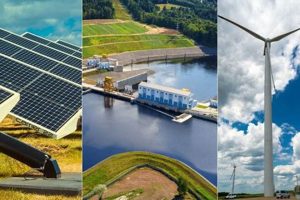
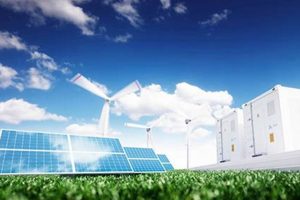
The development, design, and implementation of technologies harnessing sources like solar, wind, hydro, geothermal, and biomass power represent crucial aspects of a sustainable energy future. For example, designing efficient wind turbine blades to maximize energy capture or developing innovative photovoltaic materials for solar panels are specific applications within this field. This multidisciplinary field draws upon mechanical, electrical, chemical, and civil engineering principles, often incorporating elements of environmental science and policy.
Addressing climate change and reducing reliance on finite fossil fuels necessitates a global shift toward cleaner energy sources. Historically, energy production relied heavily on polluting and unsustainable resources. However, advancements in technology and growing environmental awareness have propelled the growth of sustainable energy solutions. This transition offers significant economic opportunities through job creation and technological innovation, contributing to energy independence and security.
This discussion will further explore key areas within sustainable power generation, encompassing specific technologies, ongoing research, and future challenges. The subsequent sections will delve into the distinct branches of this field, highlighting their unique contributions to a more sustainable energy landscape.
Tips for a Career in Sustainable Energy Engineering
Pursuing a career focused on sustainable energy solutions requires careful planning and a dedication to continuous learning. The following tips offer guidance for individuals interested in contributing to this vital field.
Tip 1: Develop a Strong Foundation in STEM. A solid background in science, technology, engineering, and mathematics is essential. Focus on coursework in physics, chemistry, and calculus, laying the groundwork for specialized engineering disciplines.
Tip 2: Specialize in a Relevant Engineering Discipline. Consider specializing in areas like mechanical, electrical, chemical, or civil engineering, tailoring skills to specific sustainable energy technologies. For instance, electrical engineers might focus on photovoltaic systems, while mechanical engineers might specialize in wind turbine design.
Tip 3: Gain Practical Experience. Internships, research opportunities, and hands-on projects provide invaluable experience and demonstrate practical skills to potential employers. Seek out opportunities with companies or research institutions working on sustainable energy projects.
Tip 4: Stay Updated on Industry Trends. The field of sustainable energy is constantly evolving. Continuous learning through professional development courses, conferences, and industry publications is crucial for staying abreast of the latest advancements.
Tip 5: Network with Professionals. Attending industry events, joining professional organizations, and connecting with professionals in the field can open doors to career opportunities and provide valuable insights into the industry.
Tip 6: Consider Advanced Education. A master’s or doctoral degree can provide specialized knowledge and research opportunities, enhancing career prospects in areas like materials science, energy policy, or power systems engineering.
Tip 7: Develop Soft Skills. Effective communication, teamwork, and problem-solving skills are vital for collaborating on complex projects and contributing to a successful team environment.
By following these tips, individuals can equip themselves with the necessary skills and knowledge to pursue a rewarding career contributing to a more sustainable future. These actionable steps provide a pathway to a successful and impactful career in a rapidly growing and vital field.
This information serves as a starting point for individuals interested in exploring career paths in sustainable energy engineering. The following conclusion will offer further perspectives on the future of this crucial field.
1. Resource Assessment

Resource assessment forms the foundational basis for effective development and deployment of renewable energy technologies. Accurate evaluation of available resources is crucial for optimizing system design, predicting energy output, and ensuring project viability. Without a comprehensive understanding of resource availability and characteristics, sustainable energy projects risk underperformance or even failure.
- Site Selection and Characterization
Identifying suitable locations for renewable energy installations requires detailed analysis of resource availability, geographical constraints, and environmental impact. For solar power, factors such as solar irradiance, shading, and land availability are critical. Wind energy projects necessitate analyzing wind speed, direction, and turbulence intensity. Precise site characterization minimizes environmental disruption and maximizes energy yield.
- Resource Mapping and Modeling
Creating detailed maps and models of renewable energy resources provides essential data for project planning and forecasting. Sophisticated software tools analyze meteorological data, topographical information, and other relevant factors to predict long-term resource availability. This data informs investment decisions and optimizes system design for maximum energy capture.
- Data Collection and Analysis
Gathering and interpreting data from meteorological stations, satellite imagery, and on-site measurements are essential steps in resource assessment. Analyzing this data provides insights into resource variability, enabling engineers to design robust and efficient systems. Accurate data analysis is critical for predicting energy output and ensuring the long-term success of renewable energy projects.
- Environmental Impact Assessment
Evaluating the potential environmental impact of renewable energy projects is a critical component of resource assessment. Assessing effects on local ecosystems, wildlife, and water resources ensures sustainable development. Minimizing environmental impact through careful site selection and mitigation strategies is essential for responsible development of renewable energy projects.
These facets of resource assessment are interconnected and essential for the successful implementation of sustainable energy projects. Accurate resource assessment informs engineering decisions, optimizes system performance, and minimizes environmental impact, ultimately contributing to a more sustainable energy future. By understanding the nuances of resource availability and its implications, engineers can develop effective strategies for harnessing renewable energy sources and transitioning towards a cleaner energy landscape.
2. Technological Innovation

Technological innovation plays a crucial role in advancing renewable energy engineering, driving cost reductions, improving efficiency, and expanding the reach of sustainable energy solutions. Continuous advancements in materials science, manufacturing processes, and system design are essential for overcoming technical challenges and unlocking the full potential of renewable energy sources. These innovations contribute directly to the widespread adoption and integration of sustainable energy technologies into the existing energy infrastructure.
- Advanced Materials
Developing new materials with enhanced properties is critical for improving the performance and durability of renewable energy technologies. For example, advancements in photovoltaic materials are increasing the efficiency of solar cells, while lighter and stronger composite materials are enabling the construction of larger and more efficient wind turbine blades. These material advancements directly translate to increased energy output and reduced costs.
- Improved Energy Storage
Efficient energy storage is crucial for addressing the intermittent nature of renewable energy sources like solar and wind. Innovations in battery technology, pumped hydro storage, and thermal storage are improving energy storage capacity and efficiency, enabling greater grid stability and reliability. Effective energy storage solutions are essential for maximizing the utilization of renewable energy resources.
- Smart Grid Technologies
Integrating renewable energy sources into the existing power grid requires sophisticated control systems and intelligent monitoring capabilities. Smart grid technologies enable real-time monitoring of energy supply and demand, optimizing grid stability and facilitating the seamless integration of distributed renewable energy resources. These technologies are essential for managing the complexities of a decentralized energy system.
- Artificial Intelligence and Machine Learning
Artificial intelligence and machine learning algorithms are being applied to optimize renewable energy systems, predict energy output, and improve maintenance schedules. These technologies can analyze vast amounts of data to identify patterns and optimize system performance, further enhancing the efficiency and reliability of renewable energy generation. This data-driven approach is transforming the way renewable energy systems are designed and operated.
These technological advancements are interconnected and essential for accelerating the transition to a sustainable energy future. Continued innovation across these areas will drive down costs, increase efficiency, and enhance the reliability of renewable energy systems, paving the way for a cleaner and more sustainable energy landscape. Further research and development efforts will be crucial for overcoming remaining technical challenges and fully realizing the potential of renewable energy resources.
3. Infrastructure Development

Infrastructure development is inextricably linked to the successful deployment and integration of renewable energy technologies. It encompasses the physical structures, systems, and networks necessary to support the generation, transmission, and distribution of renewable energy. Without robust and adaptable infrastructure, the transition to a sustainable energy future faces significant limitations. The absence of adequate transmission lines, for example, can curtail the effectiveness of remotely located wind farms, while a lack of smart grid technologies can hinder the efficient integration of distributed solar power generation.
A key aspect of infrastructure development is the modernization of existing grid systems. Traditional grids, designed primarily for centralized power generation from fossil fuel plants, often lack the flexibility and intelligence required to accommodate the intermittent nature of renewable energy sources. Upgrading transmission lines to handle higher capacity and integrating advanced control systems are crucial for managing fluctuations in renewable energy generation and ensuring grid stability. For instance, the development of high-voltage direct current (HVDC) transmission lines facilitates long-distance transport of electricity from large-scale renewable energy projects, such as offshore wind farms, to population centers. Furthermore, the implementation of smart grid technologies enables real-time monitoring and control of energy flow, optimizing grid performance and accommodating the decentralized nature of renewable energy generation.
Addressing infrastructure challenges requires significant investment and coordinated planning. Collaboration between governments, utilities, and private sector stakeholders is essential for developing long-term infrastructure strategies that support the growth of renewable energy. Policy frameworks that incentivize investment in grid modernization and facilitate permitting processes for new transmission lines are crucial for accelerating the transition to a sustainable energy future. Overcoming these infrastructure challenges is paramount to unlocking the full potential of renewable energy and creating a cleaner, more resilient energy system. The development of robust and adaptable infrastructure is not merely a supporting element, but rather a fundamental prerequisite for the widespread adoption and integration of renewable energy technologies.
4. System Integration
System integration represents a critical aspect of renewable energy engineering, focusing on the seamless incorporation of renewable energy sources into existing power grids and energy systems. Effective system integration ensures the reliable, efficient, and cost-effective delivery of renewable energy while maintaining grid stability and security. This involves addressing technical challenges related to intermittency, grid management, and the diverse characteristics of various renewable energy technologies.
- Grid Compatibility and Stability
Integrating intermittent renewable sources like solar and wind power requires sophisticated grid management strategies to maintain stability and reliability. This includes forecasting renewable energy generation, implementing advanced control systems, and utilizing energy storage solutions to mitigate fluctuations in power output. Grid compatibility considerations are essential for preventing blackouts and ensuring a consistent energy supply. For example, frequency regulation services provided by batteries or pumped hydro storage can compensate for rapid changes in solar or wind power output, ensuring grid stability.
- Energy Storage Solutions
Energy storage plays a vital role in system integration by addressing the intermittent nature of renewable energy. Technologies like batteries, pumped hydro storage, and thermal energy storage can store excess energy generated during periods of high renewable output and release it during periods of low generation or peak demand. This improves grid reliability, reduces reliance on fossil fuel peaker plants, and maximizes the utilization of renewable energy resources. For instance, pairing solar photovoltaic systems with battery storage enables homeowners to use stored solar energy during evening hours, reducing their reliance on the grid.
- Smart Grid Technologies and Communication
Smart grid technologies are essential for optimizing system integration and managing the complexities of a distributed energy system. Advanced sensors, communication networks, and control systems enable real-time monitoring of grid conditions, optimize energy flow, and facilitate the integration of distributed renewable energy resources. These technologies enhance grid flexibility, improve efficiency, and enhance the reliability of renewable energy integration. An example includes using smart meters to provide real-time feedback on energy consumption, enabling consumers to adjust their usage patterns and optimize their energy use based on renewable energy availability.
- Hybrid Renewable Energy Systems
Combining different renewable energy technologies into hybrid systems can enhance reliability and optimize energy output. For example, integrating wind and solar power can compensate for the intermittency of each individual source, providing a more consistent energy supply. Hybrid systems can also incorporate energy storage and other smart grid technologies to further enhance system performance and grid integration. A practical example is a remote microgrid powered by a combination of solar panels, wind turbines, and diesel generators with battery storage, providing a reliable and sustainable energy source for off-grid communities.
Effective system integration is essential for realizing the full potential of renewable energy and achieving a sustainable energy future. By addressing the technical challenges associated with integrating renewable energy sources into existing infrastructure, engineers can ensure a reliable, efficient, and cost-effective transition to a cleaner energy landscape. The continued development and implementation of advanced grid management strategies, energy storage solutions, and smart grid technologies will be crucial for maximizing the benefits of renewable energy and creating a more sustainable and resilient energy system. This interconnected approach to system integration is not merely a technical consideration, but a fundamental requirement for achieving a truly sustainable energy future.
5. Policy and Economics
Policy and economics play a pivotal role in shaping the development, deployment, and adoption of renewable energy technologies. Effective policies and economic incentives are essential for creating a supportive environment that encourages investment, innovation, and market growth within the renewable energy sector. These factors influence not only the technological advancements but also the societal acceptance and widespread integration of sustainable energy solutions. A comprehensive understanding of policy and economic mechanisms is therefore crucial for driving the transition to a renewable energy future.
- Government Incentives and Subsidies
Government policies, such as tax credits, rebates, and feed-in tariffs, can significantly influence the economic viability and market adoption of renewable energy technologies. These incentives can reduce the upfront costs of renewable energy installations, making them more competitive with conventional fossil fuel-based energy sources. For example, production tax credits for wind energy projects have played a significant role in stimulating the growth of the wind power industry in several countries. Such policies can accelerate the deployment of renewable energy technologies and create a more favorable investment climate.
- Carbon Pricing and Emissions Trading
Mechanisms like carbon taxes and emissions trading schemes aim to internalize the environmental costs associated with greenhouse gas emissions. By putting a price on carbon, these policies incentivize businesses and consumers to reduce their carbon footprint and transition to cleaner energy sources. Emissions trading schemes, such as the European Union Emissions Trading System, create a market for carbon allowances, allowing companies to trade emission permits and incentivizing reductions in overall emissions. These market-based approaches can drive investments in renewable energy and accelerate the decarbonization of the energy sector.
- Renewable Portfolio Standards (RPS)
Renewable portfolio standards require electricity suppliers to obtain a certain percentage of their electricity from renewable sources. These policies create a demand for renewable energy, driving investment in new renewable energy projects and fostering market growth. RPS policies can vary significantly between states and countries, but they generally provide a stable and predictable market for renewable energy developers, encouraging long-term investment and technological innovation. These mandates contribute to the diversification of energy sources and the growth of the renewable energy industry.
- Investment in Research and Development
Government funding for research and development plays a crucial role in driving technological advancements and cost reductions in the renewable energy sector. Investments in areas such as materials science, energy storage, and smart grid technologies can lead to breakthroughs that improve the efficiency, reliability, and affordability of renewable energy systems. Publicly funded research institutions and universities play a critical role in developing next-generation renewable energy technologies and training the workforce needed to support the growing industry. This continuous investment in research and development is essential for accelerating the pace of innovation and driving down the costs of renewable energy.
The interplay between policy and economics is crucial for creating a supportive environment for the growth and integration of renewable energy technologies. Effective policies and economic incentives can stimulate investment, accelerate innovation, and drive the market adoption of sustainable energy solutions. A holistic approach that considers both the technological aspects and the policy and economic landscape is essential for achieving a successful transition to a renewable energy future. By aligning policy frameworks with economic incentives, governments can create a powerful synergy that accelerates the deployment of renewable energy technologies, reduces greenhouse gas emissions, and fosters a more sustainable energy future. The continued development and implementation of forward-thinking policies and economic instruments will be essential for unlocking the full potential of renewable energy and creating a cleaner, more resilient, and sustainable energy system for future generations.
Frequently Asked Questions
This section addresses common inquiries regarding the field of renewable energy engineering, providing concise and informative responses to facilitate a deeper understanding of the key concepts and challenges involved.
Question 1: What are the primary engineering disciplines involved in renewable energy systems?
Several engineering disciplines contribute, including mechanical, electrical, chemical, and civil engineering. Each discipline plays a specific role, from designing wind turbine blades (mechanical) to developing efficient solar cells (electrical and chemical) and constructing hydropower dams (civil).
Question 2: How does energy storage address the intermittency of renewable sources like solar and wind power?
Energy storage technologies, such as batteries, pumped hydro, and thermal storage, capture excess energy generated during periods of high renewable output. This stored energy can then be dispatched to the grid during periods of low generation or peak demand, smoothing out the intermittency and ensuring a reliable power supply.
Question 3: What role do smart grids play in the integration of renewable energy sources?
Smart grids utilize advanced sensors, communication networks, and control systems to optimize energy flow and manage the complexities of integrating distributed renewable energy resources. They enable real-time monitoring of grid conditions, enhancing grid flexibility, improving efficiency, and facilitating the seamless integration of renewable energy.
Question 4: How do government policies and incentives influence the adoption of renewable energy technologies?
Policies like tax credits, feed-in tariffs, and renewable portfolio standards can significantly impact the economic viability and market adoption of renewable energy. These incentives can reduce upfront costs, create market demand, and stimulate investment in renewable energy projects.
Question 5: What are the key challenges hindering wider adoption of renewable energy?
Challenges include the intermittency of renewable resources, the need for grid modernization and expansion, high upfront capital costs for some technologies, public acceptance and permitting issues, and the development of cost-effective and efficient energy storage solutions.
Question 6: What are the career prospects in the field of renewable energy engineering?
Career opportunities in renewable energy engineering are expanding rapidly due to the global focus on sustainable energy solutions. Demand is high for engineers specializing in areas like solar, wind, energy storage, smart grids, and energy efficiency. The field offers diverse career paths with opportunities for innovation and impactful contributions to a sustainable future.
Understanding the challenges and opportunities associated with renewable energy is essential for informed decision-making and effective implementation of sustainable energy solutions. Addressing these questions provides a foundational understanding of the key considerations in the transition to a renewable energy future.
The following section will offer a conclusion to this discussion on renewable energy engineering.
Conclusion
The exploration of solutions for sustainable power generation has revealed the multifaceted nature of this crucial field. From resource assessment and technological innovation to infrastructure development, system integration, and the interplay of policy and economics, each aspect contributes significantly to the successful implementation and widespread adoption of renewable energy technologies. The advancements in materials science, the development of efficient energy storage solutions, and the integration of smart grid technologies are key drivers in optimizing the performance and reliability of renewable energy systems. Furthermore, the establishment of supportive policy frameworks and economic incentives plays a vital role in creating a favorable environment for investment and market growth within the renewable energy sector.
The transition to a sustainable energy future requires a concerted and collaborative effort from governments, industries, researchers, and individuals. Continued investment in research and development, coupled with strategic policy implementation, is essential for overcoming remaining technical and economic barriers. Embracing sustainable power generation is not merely a technological endeavor, but a societal imperative with profound implications for environmental stewardship, economic prosperity, and energy security. The ongoing pursuit of innovative solutions and the commitment to widespread adoption of renewable energy technologies will pave the way for a cleaner, more resilient, and sustainable energy landscape for generations to come.