Residential power generation using sustainable resources offers homeowners greater energy independence and a reduced environmental footprint. Examples include rooftop solar photovoltaic (PV) panels converting sunlight into electricity, small-scale wind turbines capturing kinetic energy from wind, and geothermal systems leveraging the earth’s stable temperature for heating and cooling.
Decentralized power production reduces reliance on fossil fuels and contributes to a lower carbon footprint. Historically, reliance on centralized power plants has led to transmission losses and environmental concerns. Distributed generation empowers individuals to actively participate in a cleaner energy future while potentially reducing energy costs. This shift towards localized power generation offers a significant contribution towards mitigating climate change and enhancing grid resilience.
This article will explore the various technologies available for residential power generation, including their installation requirements, cost considerations, and potential return on investment. It will also examine the environmental impact of these technologies and their role in promoting a sustainable energy future. Finally, policy implications and the future of residential renewable energy systems will be discussed.
Tips for Residential Renewable Energy Implementation
Careful planning and consideration are essential for successful integration of renewable energy systems within a residential setting. The following tips provide guidance for homeowners considering this transition.
Tip 1: Conduct a Thorough Energy Assessment: Evaluate current energy consumption patterns to identify areas for improvement and optimize system sizing. Professional energy audits can provide detailed insights into energy usage and potential savings.
Tip 2: Research Available Technologies: Explore various options, including solar photovoltaic (PV), wind turbines, and geothermal systems, to determine the most suitable technology based on location, climate, and energy needs.
Tip 3: Consider Site Suitability: Assess factors such as roof orientation and shading for solar installations, wind resource availability for wind turbines, and land suitability for geothermal systems.
Tip 4: Understand Financial Incentives and Regulations: Research available rebates, tax credits, and net metering policies to maximize financial benefits and ensure compliance with local regulations.
Tip 5: Choose Qualified Installers: Select experienced and certified professionals for system installation and maintenance to ensure optimal performance and safety.
Tip 6: Plan for System Maintenance: Regular maintenance is crucial for maximizing system lifespan and efficiency. Establish a maintenance schedule and budget accordingly.
Tip 7: Monitor System Performance: Track energy production and consumption data to identify potential issues and optimize system operation. Many systems offer monitoring tools and software.
By following these guidelines, homeowners can effectively integrate renewable energy systems, reduce their environmental impact, and potentially lower energy costs over the long term.
The successful adoption of residential renewable energy solutions contributes significantly to a sustainable energy future. The following section will conclude this article by summarizing key findings and offering insights into future trends.
1. Solar Power

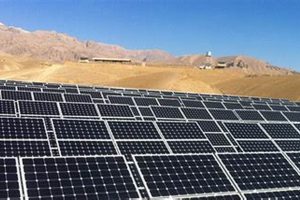
Solar power represents a cornerstone of at-home renewable energy generation. Photovoltaic (PV) panels convert sunlight directly into electricity, offering a clean and sustainable alternative to fossil fuel-based grid power. This direct conversion process minimizes environmental impact while empowering homeowners to generate their own electricity. The modular nature of PV systems allows for scalability, adapting to varying energy demands and roof sizes. For instance, a typical residential installation might offset a significant portion of household electricity consumption, reducing reliance on the grid and lowering utility bills. Furthermore, advancements in battery storage technology allow excess generated electricity to be stored for later use, maximizing self-consumption and enhancing energy independence.
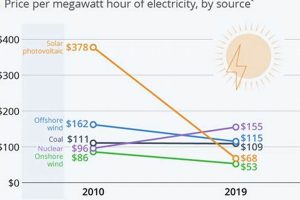
The decreasing cost of solar PV technology, coupled with government incentives such as tax credits and rebates, makes solar power an increasingly attractive option for homeowners. Net metering policies, where excess generated electricity is fed back into the grid for credit, further enhance the economic viability of solar installations. Real-world examples demonstrate the effectiveness of solar power in reducing household energy costs and carbon footprints. Case studies of residential solar installations consistently show significant reductions in annual electricity bills and a corresponding decrease in greenhouse gas emissions. These tangible benefits contribute to the growing popularity of solar power as a primary source of at-home renewable energy.
Integrating solar power into residential settings offers a pathway towards a more sustainable energy future. While initial installation costs represent an investment, the long-term financial and environmental benefits are substantial. Addressing potential challenges such as shading, roof orientation, and local regulations ensures optimal system performance and maximizes return on investment. The continued advancement of solar technology, combined with supportive policies and increasing public awareness, positions solar power as a key driver in the transition towards decentralized and sustainable energy generation.
2. Wind Energy

Wind energy presents a viable option for supplementing or replacing grid electricity in residential settings. Harnessing the kinetic energy of wind through small-scale wind turbines offers a decentralized and sustainable approach to power generation. While not universally applicable due to site-specific wind resource requirements, wind energy provides a compelling alternative where conditions permit. The following facets delve into key aspects of residential wind energy implementation.
- Turbine Selection and Siting
Choosing an appropriate wind turbine is crucial for maximizing energy output and minimizing noise pollution. Factors such as rotor diameter, tower height, and generator capacity must be carefully considered based on local wind conditions and energy demands. Proper siting is essential to avoid turbulence and maximize wind capture. Elevated locations and open areas away from obstructions are generally preferred. Consulting with wind energy professionals can help determine optimal turbine selection and placement.
- Resource Assessment and Permitting
A thorough wind resource assessment is necessary to determine the feasibility and potential output of a residential wind turbine. This assessment typically involves measuring wind speed and direction over an extended period. Local permitting requirements vary and must be addressed before installation. Zoning regulations, building codes, and environmental impact assessments may be required to ensure compliance and minimize potential disruptions.
- System Integration and Grid Interconnection
Integrating a wind turbine into a residential electrical system requires specialized equipment and expertise. A charge controller regulates the flow of electricity from the turbine to batteries or the grid. Grid interconnection allows excess generated electricity to be fed back into the grid, potentially offsetting energy costs through net metering agreements. Safety protocols and disconnection mechanisms are essential to protect both the system and the grid.
- Economic and Environmental Considerations
The economic viability of residential wind energy depends on factors such as initial investment costs, ongoing maintenance, and potential energy savings. Government incentives, including tax credits and rebates, can significantly reduce the upfront cost. Environmentally, wind energy offers a clean and sustainable alternative to fossil fuels, reducing carbon emissions and promoting energy independence. Life-cycle assessments of wind turbines demonstrate a significantly lower environmental impact compared to conventional power generation methods.
By carefully considering these facets, homeowners can determine the suitability and potential benefits of integrating wind energy into their residential energy portfolio. While site-specific factors play a crucial role in determining feasibility, wind energy represents a valuable component of a diversified and sustainable at-home renewable energy strategy. Its continued development and integration contribute significantly to a cleaner and more resilient energy future.
3. Geothermal Systems

Geothermal systems represent a significant component of at-home renewable energy, providing a sustainable and efficient means of heating and cooling. Leveraging the Earth’s relatively constant subsurface temperature, these systems exchange thermal energy with the ground, reducing reliance on fossil fuel-based heating and air conditioning. This direct use of geothermal energy minimizes greenhouse gas emissions and contributes to a smaller carbon footprint. The consistent temperature of the earth, regardless of surface weather conditions, provides a reliable source of thermal energy year-round.
Ground-source heat pumps (GSHPs), a common type of geothermal system, circulate fluid through a network of buried pipes, absorbing heat from the ground in winter and releasing heat into the ground in summer. This closed-loop system effectively transfers thermal energy, reducing the need for conventional furnaces and air conditioners. For example, a GSHP installation in a residential home can significantly reduce annual heating and cooling costs compared to a conventional HVAC system. Studies have shown that geothermal systems can reduce energy consumption by up to 70% and greenhouse gas emissions by up to 60%, demonstrating their practical significance in achieving residential energy efficiency and sustainability.
While geothermal systems offer substantial benefits, implementation requires careful consideration of site-specific factors such as soil type, available land area, and groundwater conditions. Initial installation costs can be higher than conventional HVAC systems, but the long-term operational savings and environmental benefits typically offset this investment. Advancements in drilling technology and system design are continuously improving the efficiency and affordability of geothermal systems. The increasing adoption of geothermal technologies reflects a growing recognition of their crucial role in achieving a sustainable residential energy future. Further research and development, coupled with supportive policies and public awareness, are essential to fully realize the potential of geothermal energy as a cornerstone of at-home renewable energy solutions.
4. Energy Efficiency

Energy efficiency plays a crucial role in maximizing the effectiveness of at-home renewable energy systems. Reducing overall energy consumption minimizes the required capacity of renewable energy installations, thus lowering upfront costs and maximizing return on investment. Implementing energy-efficient practices, such as improving insulation, upgrading to energy-efficient appliances, and optimizing lighting, reduces reliance on both grid electricity and generated renewable energy. This synergistic relationship enhances the overall sustainability and economic viability of residential renewable energy adoption. For example, a well-insulated home requires less heating and cooling, reducing the demand placed on a geothermal system or minimizing the number of solar panels needed to offset electricity consumption.
Prioritizing energy efficiency before investing in renewable energy technologies offers several advantages. Lower energy demand translates to smaller system requirements, resulting in reduced installation costs and a faster payback period. Furthermore, energy efficiency measures often provide immediate cost savings, reducing utility bills even before renewable energy generation begins. Practical applications include sealing air leaks, installing double-paned windows, using programmable thermostats, and choosing Energy Star-certified appliances. These measures contribute to a more comprehensive and cost-effective approach to residential energy management. An energy audit can identify specific areas for improvement and quantify potential savings, guiding homeowners toward the most effective energy efficiency upgrades.
Integrating energy efficiency with at-home renewable energy represents a holistic and sustainable approach to residential energy management. Reducing energy consumption through efficiency measures amplifies the impact of renewable energy generation, maximizing both economic and environmental benefits. This integrated approach not only lowers energy costs and reduces carbon footprints but also enhances grid stability and energy independence. Addressing the challenge of optimizing both energy efficiency and renewable energy generation requires a comprehensive assessment of individual household needs and available resources. Ultimately, combining these strategies offers a pathway toward a more sustainable and resilient residential energy future.
5. Cost Savings

Residential renewable energy systems offer significant potential for cost savings, impacting both short-term and long-term household expenditures. Reduced reliance on grid electricity directly lowers utility bills, while government incentives and potential revenue generation further enhance financial benefits. Analyzing the various facets of cost savings associated with at-home renewable energy provides a comprehensive understanding of its economic advantages.
- Reduced Electricity Bills
Generating electricity on-site through solar panels, wind turbines, or other renewable sources directly offsets the amount of electricity purchased from the utility grid. This reduction in electricity consumption translates to lower monthly utility bills, providing immediate cost savings for homeowners. The magnitude of savings depends on factors such as system size, energy consumption patterns, and local electricity rates. Real-world examples demonstrate that homeowners with solar PV systems often experience significant reductions in their annual electricity expenses.
- Government Incentives and Tax Credits
Numerous government programs offer financial incentives to encourage the adoption of residential renewable energy systems. These incentives often take the form of tax credits, rebates, and grants, reducing the upfront cost of system installation. For example, the federal solar investment tax credit (ITC) offers a significant tax credit for homeowners who install solar PV systems. State and local governments may also offer additional rebates and incentives, further enhancing the financial attractiveness of renewable energy investments.
- Net Metering and Potential Revenue Generation
Net metering policies allow homeowners to sell excess generated electricity back to the utility grid, potentially generating revenue. When a renewable energy system produces more electricity than the household consumes, the excess is fed back into the grid, and the homeowner receives credit or payment for this contribution. Net metering effectively transforms a residential property into a small-scale power plant, creating a potential revenue stream and further enhancing the economic benefits of renewable energy adoption.
- Increased Home Value
Studies have shown that homes equipped with renewable energy systems, particularly solar PV systems, tend to have higher market values compared to similar homes without such systems. This increased value reflects the growing consumer demand for sustainable and energy-efficient homes. The perceived value of reduced energy costs and environmental responsibility contributes to a higher resale value, providing a long-term financial benefit for homeowners who invest in renewable energy technologies.
The cumulative effect of these cost-saving mechanisms makes at-home renewable energy an increasingly attractive investment. Reduced reliance on grid electricity, combined with government incentives, potential revenue generation, and increased home value, significantly enhances the financial viability and long-term economic benefits of transitioning to residential renewable energy solutions. The shift towards decentralized, sustainable energy generation offers not only environmental advantages but also a compelling opportunity for homeowners to reduce energy costs and enhance the value of their properties.
6. Environmental Impact

Residential renewable energy systems offer a compelling pathway towards mitigating the environmental impact of conventional energy generation. Transitioning from fossil fuel-based electricity to clean, renewable sources at the household level significantly reduces greenhouse gas emissions, minimizes air and water pollution, and conserves natural resources. Examining the multifaceted environmental benefits of at-home renewable energy underscores its critical role in fostering a sustainable future.
- Reduced Greenhouse Gas Emissions
The combustion of fossil fuels for electricity generation releases significant amounts of greenhouse gases, primarily carbon dioxide, into the atmosphere, contributing to climate change. At-home renewable energy systems, such as solar and wind power, produce electricity without emitting these harmful gases. This direct reduction in greenhouse gas emissions at the source is crucial for mitigating the effects of climate change and transitioning towards a cleaner energy future. For example, replacing a coal-fired power plant with residential solar installations significantly reduces the overall carbon footprint of electricity consumption.
- Minimized Air and Water Pollution
Conventional power plants often release pollutants into the air and water, impacting both human health and ecosystems. Air pollutants such as sulfur dioxide and nitrogen oxides contribute to respiratory problems and acid rain. Water pollution from power plant discharge can contaminate water sources and harm aquatic life. At-home renewable energy systems minimize these environmental risks by generating electricity without combustion or harmful byproducts. This localized approach to clean energy production safeguards both local environments and public health.
- Conservation of Natural Resources
Fossil fuels are finite resources, and their extraction and processing can have significant environmental impacts, including habitat destruction, water contamination, and land degradation. At-home renewable energy systems rely on sustainable resources such as sunlight, wind, and geothermal heat, reducing dependence on finite fossil fuels and minimizing the environmental damage associated with their extraction. This conservation of natural resources promotes long-term environmental sustainability and reduces reliance on environmentally damaging extraction practices.
- Enhanced Energy Independence and Grid Resilience
Decentralized renewable energy generation at the household level enhances energy independence and strengthens grid resilience. By generating their own electricity, homeowners become less reliant on centralized power plants and vulnerable transmission lines. This distributed generation model enhances grid stability and reduces the risk of widespread power outages during extreme weather events or other disruptions. The diversification of energy sources and decentralized generation inherent in at-home renewable energy systems contribute to a more robust and resilient energy infrastructure.
The collective environmental benefits of at-home renewable energy extend beyond individual households, contributing significantly to broader environmental sustainability goals. Reduced greenhouse gas emissions, minimized pollution, resource conservation, and enhanced grid resilience collectively create a more sustainable and environmentally responsible energy future. The widespread adoption of residential renewable energy systems represents a crucial step in mitigating climate change, protecting ecosystems, and fostering a healthier planet for future generations.
Frequently Asked Questions
Addressing common inquiries regarding residential renewable energy systems provides clarity and facilitates informed decision-making. The following questions and answers offer insights into key aspects of at-home renewable energy adoption.
Question 1: What are the primary types of at-home renewable energy systems?
The most common residential renewable energy systems include solar photovoltaic (PV), wind turbines, and geothermal systems. Solar PV panels convert sunlight into electricity, wind turbines harness wind energy, and geothermal systems utilize the earth’s stable temperature for heating and cooling.
Question 2: How much does a typical residential renewable energy system cost?
System costs vary depending on factors such as technology, size, and location. Government incentives, such as tax credits and rebates, can significantly reduce upfront expenses. Consulting with qualified installers provides accurate cost estimates tailored to specific project requirements.
Question 3: What is the typical lifespan of a residential renewable energy system?
Most renewable energy systems have lifespans exceeding 20 years. Solar panels typically last 25-30 years, wind turbines 20-25 years, and geothermal systems can operate for 50 years or more with proper maintenance.
Question 4: What maintenance is required for at-home renewable energy systems?
Maintenance requirements vary depending on the technology. Solar panels require periodic cleaning, wind turbines need occasional lubrication and inspection, and geothermal systems benefit from annual checks of fluid levels and system components.
Question 5: Are there any potential drawbacks to installing residential renewable energy systems?
Potential drawbacks include upfront costs, site suitability limitations, and intermittent energy production for solar and wind systems. However, long-term cost savings, environmental benefits, and increasing energy independence often outweigh these considerations.
Question 6: How can one determine the suitability of their home for renewable energy?
Professional assessments can determine site suitability. Solar panel installations require adequate sunlight exposure, wind turbines need sufficient wind resources, and geothermal systems depend on suitable soil and land conditions.
Careful consideration of these frequently asked questions helps homeowners make informed decisions regarding the feasibility and benefits of integrating renewable energy systems into their homes. Understanding the costs, lifespans, maintenance requirements, and potential drawbacks empowers homeowners to navigate the transition toward a cleaner and more sustainable energy future.
For further information and personalized guidance, consulting with qualified renewable energy professionals is recommended. Their expertise can provide tailored solutions based on individual needs and site-specific conditions.
At-Home Renewable Energy
This exploration of at-home renewable energy has highlighted the diverse technological options available, including solar photovoltaic systems, wind turbines, and geothermal solutions. The analysis encompassed key aspects such as cost savings, environmental impact, and technical considerations relevant to successful implementation. Energy efficiency measures, combined with judicious system selection and proper installation, maximize the benefits of residential renewable energy generation. Government incentives and supportive policies further incentivize the adoption of these technologies, fostering a transition toward decentralized and sustainable energy production.
The shift toward at-home renewable energy represents a pivotal step towards a more sustainable and resilient energy future. Reduced reliance on fossil fuels, minimized environmental impact, and enhanced energy independence are compelling benefits attainable through the adoption of these technologies. Continued technological advancements, coupled with increasing public awareness and supportive policy frameworks, promise to accelerate the transition towards widespread implementation of at-home renewable energy solutions. This transformative shift empowers individuals to actively participate in building a cleaner, more sustainable energy landscape for generations to come.