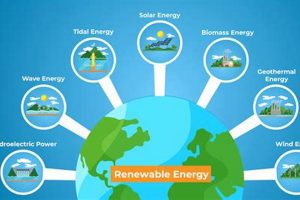
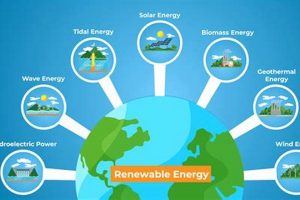
Sustainable energy sources derived from natural processes that are replenished at a higher rate than they are consumed represent a key component of a future with reduced reliance on fossil fuels. Examples include solar, wind, hydro, geothermal, and biomass energy. These resources offer a cleaner alternative to conventional energy production, minimizing environmental impact and promoting energy independence.
The transition to these cleaner energy sources is crucial for mitigating climate change, improving air quality, and ensuring long-term energy security. Historically, reliance on finite fossil fuels has led to environmental degradation and geopolitical instability. Embracing sustainable practices not only reduces greenhouse gas emissions but also stimulates economic growth by creating new jobs and fostering innovation in the energy sector.
This article will further explore the specific advantages and challenges associated with different sustainable energy technologies, their current applications, and their potential to shape the future of energy production and consumption. It will also examine the policy landscape and investment opportunities driving the global shift towards a more sustainable energy future.
Tips for Transitioning to Sustainable Energy
Implementing sustainable energy solutions can be approached strategically through informed decision-making and careful planning. The following tips offer guidance for individuals, businesses, and communities seeking to adopt cleaner energy practices.
Tip 1: Conduct an Energy Audit: Assessing current energy consumption patterns helps identify areas for improvement and potential cost savings. This analysis can inform decisions about appropriate renewable energy technologies and efficiency measures.
Tip 2: Explore Available Incentives: Many governments and utility companies offer financial incentives, such as tax credits and rebates, to encourage the adoption of sustainable energy technologies. Researching these programs can significantly reduce upfront investment costs.
Tip 3: Consider On-Site Generation: Installing solar panels, wind turbines, or other renewable energy systems on-site can reduce reliance on the grid and provide long-term cost savings. The feasibility of on-site generation depends on factors such as location, available space, and energy needs.
Tip 4: Invest in Energy-Efficient Appliances and Equipment: Upgrading to energy-efficient appliances and equipment reduces overall energy consumption and lowers operating costs. Look for products with high energy-efficiency ratings.
Tip 5: Support Community Solar and Wind Projects: Participating in community solar or wind projects provides access to renewable energy benefits for those who may not have suitable locations for individual installations. This collaborative approach expands access to clean energy resources.
Tip 6: Advocate for Policy Changes: Supporting policies that promote renewable energy development and deployment is essential for accelerating the transition to a sustainable energy future. Engaging with policymakers and advocating for supportive legislation can drive systemic change.
By implementing these strategies, individuals, businesses, and communities can contribute to a cleaner, more sustainable energy future while realizing economic benefits and enhancing energy independence.
The following section will delve deeper into the broader implications of embracing sustainable energy, examining its role in mitigating climate change and fostering economic growth.
1. Environmental Protection

Environmental protection forms a cornerstone of sustainable energy development. The utilization of renewable energy sources directly addresses critical environmental challenges associated with conventional energy production. Burning fossil fuels releases greenhouse gases, contributing to climate change and air pollution. Renewable energy sources, in contrast, produce minimal or no greenhouse gas emissions during operation, mitigating these harmful effects. For instance, solar photovoltaic systems generate electricity from sunlight, leaving no carbon footprint during energy production. This inherent environmental advantage underscores the significance of renewable energy in achieving global climate goals and safeguarding ecosystems.
The shift towards renewable energy also reduces dependence on extractive industries, which often have significant environmental impacts. Fossil fuel extraction, including coal mining and oil drilling, can disrupt landscapes, pollute water sources, and damage sensitive habitats. Renewable energy technologies, on the other hand, generally require less land and have a lower overall environmental footprint throughout their lifecycle. This reduced reliance on extractive processes protects biodiversity and minimizes habitat destruction, contributing to a healthier and more resilient planet. For example, wind farms, while requiring land for turbine placement, allow for continued land use for agriculture or other purposes, minimizing disruption compared to open-pit mining.
Transitioning to renewable energy is not without its environmental considerations. Manufacturing and disposal of renewable energy technologies require careful management to minimize environmental impacts. However, lifecycle assessments consistently demonstrate the significant environmental advantages of renewable energy over fossil fuels. Addressing the challenges associated with sustainable energy development, such as responsible sourcing of materials and end-of-life management of components, is crucial for maximizing the environmental benefits. By promoting responsible innovation and sustainable practices throughout the supply chain, the environmental impact of renewable energy can be further minimized, ensuring a truly sustainable energy future.
2. Resource Availability

Resource availability plays a crucial role in determining the feasibility and effectiveness of renewable energy technologies. Different regions possess varying levels of renewable resources, influencing the suitability of specific technologies and the potential for widespread adoption. Careful assessment of available resources is essential for optimizing energy strategies and maximizing the potential of renewable energy systems.
- Solar Energy Resources:
Regions with high solar irradiance, such as desert areas and equatorial regions, are ideal for harnessing solar energy. Photovoltaic systems and concentrated solar power plants can effectively convert sunlight into electricity in these locations. The availability of sunlight varies seasonally and geographically, impacting the consistency of solar energy production. For example, countries with abundant sunshine, such as Spain and Morocco, have invested heavily in large-scale solar power projects. However, regions with limited sunlight may require alternative renewable energy solutions or supplemental energy storage systems.
- Wind Energy Resources:
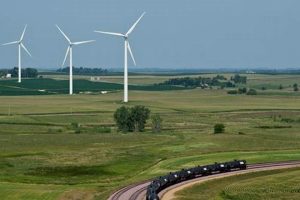
Areas with consistent and strong winds, such as coastal regions, open plains, and mountainous areas, are suitable for wind energy development. Wind turbines convert the kinetic energy of wind into electricity. Wind resources vary depending on geographical location, topography, and seasonal patterns. Denmark, for example, with its extensive coastline and favorable wind conditions, has become a global leader in wind energy production. However, areas with low wind speeds may not be suitable for large-scale wind farms.
- Hydropower Resources:
Regions with substantial water resources, including rivers and lakes, are suitable for hydropower generation. Hydropower plants utilize the flow of water to generate electricity. The availability of water resources is influenced by precipitation patterns, river systems, and reservoir capacity. Countries like Norway and Brazil, with abundant rivers and mountainous terrain, rely heavily on hydropower for electricity generation. However, hydropower projects can have environmental and social impacts, requiring careful planning and mitigation measures.
- Geothermal Energy Resources:
Geothermal energy resources are accessible in areas with high geothermal activity, often near tectonic plate boundaries. Geothermal power plants harness heat from the Earth’s interior to generate electricity. The availability of geothermal resources is geographically limited, making it a viable option only in specific locations. Iceland, for instance, with its abundant geothermal resources, relies heavily on geothermal energy for heating and electricity. However, geothermal development can pose environmental challenges, such as the release of geothermal gases.
Matching available renewable resources with appropriate technologies is essential for maximizing the effectiveness and sustainability of energy systems. Diversifying energy sources by combining different renewable energy technologies can further enhance energy security and resilience. Careful consideration of resource availability, technological advancements, and environmental factors is crucial for shaping a sustainable energy future.
3. Technological Advancements

Technological advancements are pivotal in driving the growth and adoption of sustainable energy sources. Continuous innovation across various domains enhances the efficiency, affordability, and accessibility of renewable energy technologies, paving the way for a cleaner and more sustainable energy future. These advancements encompass materials science, energy storage, grid integration, and data analytics, each playing a critical role in optimizing renewable energy systems.
- Improved Energy Storage:
Advancements in battery technology, pumped hydro storage, and other energy storage solutions address the intermittency of renewable energy sources like solar and wind. More efficient and cost-effective energy storage enables greater grid stability and reliability, facilitating higher penetration of renewable energy into the energy mix. For example, the development of solid-state batteries promises higher energy density and improved safety, expanding the potential applications of energy storage for both grid-scale and residential use. This progress enables better integration of intermittent renewable energy sources and reduces reliance on conventional power plants.
- Smart Grid Technologies:
Smart grids utilize digital technologies to optimize electricity distribution and management. These advancements enable better integration of renewable energy sources, improve grid stability, and enhance energy efficiency. For instance, advanced metering infrastructure and real-time grid monitoring allow for dynamic adjustments to energy supply and demand, accommodating fluctuations in renewable energy generation. Smart grid technologies also facilitate demand-side management, enabling consumers to actively participate in optimizing energy consumption patterns and reducing peak demand.
- Advanced Materials for Renewable Energy:
Research and development in materials science contribute to the development of more efficient and durable renewable energy technologies. For example, advances in photovoltaic materials enhance the efficiency of solar panels, increasing energy output and reducing costs. Similarly, the development of lighter and stronger materials for wind turbine blades allows for larger and more efficient turbines, capturing more wind energy. These advancements improve the performance and cost-competitiveness of renewable energy systems, driving wider adoption.
- Data Analytics and Artificial Intelligence:
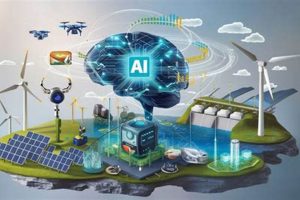
Data analytics and artificial intelligence play an increasingly important role in optimizing renewable energy systems. Predictive modeling and machine learning algorithms can forecast renewable energy generation, enabling more efficient grid management and integration. Data-driven insights can also optimize the operation and maintenance of renewable energy assets, improving performance and reducing downtime. For example, predictive maintenance algorithms can identify potential equipment failures in wind turbines before they occur, minimizing downtime and maximizing energy output.
These interconnected technological advancements collectively drive the ongoing evolution of sustainable energy systems. As innovation continues, renewable energy technologies become increasingly efficient, affordable, and accessible, contributing significantly to the transition towards a cleaner, more sustainable energy future. Further advancements in areas such as artificial photosynthesis, next-generation biofuels, and wave energy conversion hold tremendous potential for diversifying the renewable energy portfolio and accelerating the global shift towards sustainable energy solutions.
4. Economic Opportunities

Renewable energy technologies represent a significant engine for economic growth, creating new industries, jobs, and investment opportunities. The transition to sustainable energy systems stimulates economic activity across various sectors, from manufacturing and installation to operation and maintenance. This economic impact extends beyond direct employment in the renewable energy sector, generating indirect economic benefits through supply chain development and induced spending. For example, the growth of the solar photovoltaic industry has created hundreds of thousands of jobs globally, encompassing manufacturing, installation, sales, and maintenance. Similarly, the wind energy sector has stimulated economic development in rural communities, providing new sources of income and revitalizing local economies.
Investment in renewable energy infrastructure generates economic returns while contributing to a cleaner and more resilient energy system. Public and private investments in renewable energy projects drive innovation, create jobs, and stimulate economic growth. These investments often yield positive economic multipliers, as spending in the renewable energy sector generates ripple effects throughout the economy. For instance, government incentives for renewable energy deployment, such as tax credits and feed-in tariffs, have proven effective in attracting private investment and accelerating the growth of the renewable energy market. Furthermore, investments in renewable energy research and development foster innovation, leading to technological breakthroughs that further reduce costs and improve the performance of renewable energy technologies.
The economic benefits of transitioning to sustainable energy systems extend beyond immediate job creation and investment returns. Reduced reliance on fossil fuel imports enhances energy security and reduces vulnerability to price volatility, contributing to greater economic stability. Furthermore, the health benefits associated with improved air quality, resulting from reduced emissions, translate into significant economic savings through reduced healthcare costs and increased productivity. Embracing sustainable energy, therefore, not only fosters economic growth but also contributes to a healthier and more resilient economy in the long term. The shift towards renewable energy represents a strategic investment in a sustainable future, generating both economic and environmental benefits while enhancing energy security and improving public health.
5. Energy Independence

Energy independence, the ability of a nation or region to meet its energy needs without relying on external sources, is intrinsically linked to the development and deployment of sustainable energy resources. Reliance on imported fossil fuels creates vulnerabilities to geopolitical instability, price fluctuations, and supply disruptions. Transitioning to domestically sourced renewable energy reduces these vulnerabilities, enhancing energy security and promoting self-sufficiency. This shift empowers nations to control their energy destinies and reduces dependence on volatile global energy markets. For example, Denmark’s substantial investment in wind energy has significantly reduced its reliance on imported fossil fuels, enhancing its energy independence and strengthening its national energy security. Similarly, Germany’s Energiewende policy, focusing on renewable energy and energy efficiency, aims to reduce dependence on imported energy sources and promote a more sustainable energy system.
The decentralized nature of many renewable energy technologies further strengthens energy independence. Unlike centralized fossil fuel power plants, renewable energy systems, such as rooftop solar panels and distributed wind turbines, can be deployed closer to points of consumption, reducing transmission losses and enhancing grid resilience. This distributed generation model reduces vulnerability to large-scale grid failures and empowers individuals and communities to generate their own power. Furthermore, diversification of energy sources through a mix of renewable energy technologies, such as solar, wind, hydro, and geothermal, further enhances energy independence by reducing reliance on any single resource. This diversified approach strengthens energy security and resilience, ensuring a reliable and sustainable energy supply.
Achieving true energy independence requires a comprehensive approach encompassing not only the development of renewable energy resources but also improvements in energy efficiency and demand-side management. Reducing energy consumption through efficiency measures minimizes the overall energy demand, further reducing reliance on external energy sources. Demand-side management strategies, such as time-of-use pricing and smart grid technologies, optimize energy consumption patterns and reduce peak demand, further enhancing grid stability and reducing the need for imported energy. The pursuit of energy independence through sustainable energy solutions represents a strategic investment in national security, economic stability, and environmental sustainability. This transition requires long-term planning, policy support, and continued investment in research and development to ensure a secure, resilient, and sustainable energy future.
6. Social Responsibility
Social responsibility, in the context of sustainable energy, encompasses the ethical obligations and commitments associated with the development, deployment, and utilization of renewable energy resources. It acknowledges the broader societal impacts of energy choices and emphasizes the importance of equitable access to clean energy, environmental justice, and intergenerational equity. Transitioning to a sustainable energy future requires not only technological advancements and economic viability but also a commitment to social responsibility, ensuring that the benefits of clean energy are shared broadly and equitably.
- Ethical Sourcing and Labor Practices:
Social responsibility in the renewable energy sector necessitates ethical sourcing of materials and adherence to fair labor practices throughout the supply chain. This includes responsible mining practices for materials such as lithium and cobalt used in batteries, ensuring safe working conditions and fair wages for workers involved in the manufacturing and installation of renewable energy technologies. For example, initiatives promoting transparency and traceability in the supply chain aim to minimize the use of conflict minerals and ensure ethical sourcing of raw materials. Adhering to these principles promotes human rights, environmental protection, and sustainable development.
- Community Engagement and Benefit Sharing:
Engaging local communities in the planning and development of renewable energy projects is crucial for ensuring social acceptance and maximizing societal benefits. This includes meaningful consultations with affected communities, incorporating local knowledge and perspectives, and ensuring that renewable energy projects contribute to local economic development and job creation. For example, community-owned wind farms or solar projects can provide direct economic benefits to local residents, fostering a sense of ownership and shared prosperity. This participatory approach fosters trust, minimizes potential conflicts, and ensures that renewable energy development benefits local communities.
- Environmental Justice and Equity:
Social responsibility also requires addressing environmental justice concerns related to renewable energy deployment. Ensuring that the benefits of clean energy are accessible to all communities, regardless of socioeconomic status or geographic location, is paramount. This includes promoting equitable access to renewable energy technologies and addressing potential disproportionate impacts of renewable energy development on vulnerable communities. For example, initiatives promoting rooftop solar installations in low-income neighborhoods can expand access to clean energy and reduce energy burdens for vulnerable populations. Addressing environmental justice concerns is essential for ensuring a just and equitable transition to a sustainable energy future.
- Intergenerational Equity:
Social responsibility extends to future generations, recognizing the long-term implications of current energy choices. Transitioning to sustainable energy systems is an investment in the future, mitigating climate change and ensuring access to clean and affordable energy for future generations. This intergenerational perspective emphasizes the importance of making responsible energy choices today to safeguard the well-being of future generations. For example, investing in renewable energy research and development lays the foundation for a sustainable energy future, ensuring that future generations benefit from continued innovation and technological advancements in the renewable energy sector.
These interconnected facets of social responsibility underscore the ethical and societal dimensions of transitioning to a sustainable energy future. By integrating social responsibility principles into renewable energy development and deployment, we can ensure a just, equitable, and sustainable energy transition that benefits all members of society, both present and future. This holistic approach, encompassing technological advancements, economic viability, and social responsibility, is essential for achieving a truly sustainable energy future.
Frequently Asked Questions
This section addresses common inquiries regarding the transition to sustainable energy systems, clarifying key concepts and dispelling common misconceptions.
Question 1: What are the primary barriers to wider adoption of sustainable energy technologies?
While costs have decreased significantly, upfront investment costs for some technologies remain a barrier. Grid infrastructure limitations, policy and regulatory challenges, and public perception issues also influence adoption rates. Addressing these barriers requires comprehensive strategies encompassing technological advancements, policy support, public awareness campaigns, and innovative financing mechanisms.
Question 2: How reliable are sustainable energy sources, given their intermittent nature?
Intermittency is being addressed through advancements in energy storage technologies, grid management systems, and diversification of renewable energy sources. Combining different renewable resources, such as solar and wind, coupled with energy storage solutions and smart grid technologies, enhances reliability and ensures a consistent energy supply.
Question 3: What is the role of government policy in promoting the growth of the sustainable energy sector?
Supportive government policies, such as tax incentives, feed-in tariffs, renewable portfolio standards, and carbon pricing mechanisms, are crucial for incentivizing investment and accelerating the deployment of sustainable energy technologies. Consistent and long-term policy frameworks provide investor certainty and promote market stability, driving sustainable energy growth.
Question 4: How do sustainable energy sources contribute to job creation and economic growth?
The renewable energy sector creates jobs across various sectors, including manufacturing, installation, operation, and maintenance. Investment in renewable energy projects stimulates economic activity, generates tax revenue, and reduces reliance on fossil fuel imports, contributing to long-term economic growth and enhanced energy security.
Question 5: What are the environmental benefits of transitioning to sustainable energy systems?
Transitioning to sustainable energy significantly reduces greenhouse gas emissions, mitigating climate change and improving air quality. Reduced reliance on extractive industries minimizes environmental impacts associated with fossil fuel production, protecting ecosystems and biodiversity.
Question 6: What can individuals do to support the transition to sustainable energy?
Individuals can contribute by adopting energy-efficient practices, investing in renewable energy technologies for their homes, supporting policies that promote sustainable energy development, and engaging in community-based renewable energy initiatives. Consumer choices and advocacy play a vital role in driving the transition to a cleaner energy future.
Understanding the benefits and addressing the challenges associated with transitioning to sustainable energy systems is crucial for informed decision-making. Continued innovation, policy support, and public engagement are essential for accelerating the global shift towards a cleaner, more sustainable energy future.
The subsequent section will explore case studies of successful sustainable energy implementations across diverse regions and sectors, providing real-world examples of the transformative potential of renewable energy.
Conclusion
Sustainable, naturally replenishing energy sources offer a multifaceted path towards a future characterized by reduced reliance on finite resources. This exploration has highlighted the critical role these resources play in mitigating environmental challenges, fostering economic growth, and enhancing energy security. From technological advancements driving efficiency gains to the creation of new industries and jobs, the transition to sustainable energy systems offers significant opportunities for positive global impact. Furthermore, the examination of social responsibility within this context underscores the importance of ethical considerations, equitable access, and intergenerational equity in shaping a truly sustainable energy future.
The transition towards sustainable energy represents not merely a technological shift, but a fundamental change in approach to energy production and consumption. The choices made today will determine the energy landscape of tomorrow, impacting global climate, economic prosperity, and societal well-being. Continued investment in research, development, and deployment of these vital technologies, coupled with supportive policies and informed public discourse, is essential for realizing the full potential of a sustainable energy future and ensuring a healthy planet for generations to come.