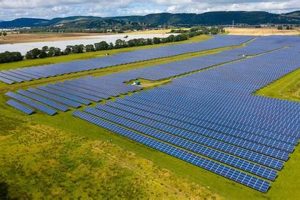
Sustainable energy sources are defined by their ability to regenerate naturally within a timeframe relevant to human consumption. Examples include solar radiation, wind, flowing water, geothermal heat, and biomass. These resources offer a continuous supply of power, unlike finite fossil fuels.
The adoption of these renewable resources is vital for environmental sustainability and energy security. Transitioning away from fossil fuels mitigates the detrimental effects of greenhouse gas emissions, contributing to a healthier planet and reducing reliance on diminishing, geographically concentrated resources. Historically, societies relied primarily on readily available renewable sources like wind and water power. The advent of the industrial revolution marked a shift toward fossil fuels, but the finite nature of these resources and their environmental impact have prompted a renewed focus on sustainable alternatives.
This article will further explore specific types of renewable energy, examining their current applications, future potential, and the challenges associated with their widespread implementation. Topics will include the technological advancements driving innovation, the economic factors influencing adoption rates, and the policy frameworks supporting the global transition towards a sustainable energy future.
Tips for Utilizing Renewable Energy Sources
Integrating renewable energy effectively requires careful consideration of various factors, from individual choices to larger-scale infrastructure planning. The following tips offer practical guidance for maximizing the benefits of sustainable energy.
Tip 1: Evaluate Energy Needs: Conduct a thorough assessment of current energy consumption to identify areas for improvement and potential integration of renewable sources. This analysis forms the basis for informed decision-making.
Tip 2: Explore Available Options: Research the diverse range of renewable energy technologies, considering factors like geographic location, available resources, and specific energy requirements. Options include solar photovoltaic systems, wind turbines, geothermal heat pumps, and biomass boilers.
Tip 3: Consider System Integration: Design systems that seamlessly integrate with existing infrastructure. This may involve incorporating energy storage solutions like batteries to ensure a consistent power supply, even when renewable sources are intermittent.
Tip 4: Prioritize Energy Efficiency: Implementing energy-saving measures reduces overall demand, making the transition to renewable sources more effective and cost-efficient. This includes improvements in insulation, lighting, and appliance efficiency.
Tip 5: Investigate Financial Incentives: Explore available government subsidies, tax credits, and rebates that can significantly reduce the initial investment costs associated with renewable energy installations.
Tip 6: Engage with Local Communities: Participate in community-based renewable energy projects or initiatives. This fosters collaboration, knowledge sharing, and collective progress toward sustainable energy adoption.
Tip 7: Monitor and Optimize Performance: Regularly monitor the performance of renewable energy systems to ensure optimal efficiency and identify any potential maintenance needs. This proactive approach maximizes long-term benefits.
By implementing these strategies, individuals, businesses, and communities can contribute to a more sustainable energy future while realizing economic and environmental benefits.
These practical steps provide a foundation for a successful transition toward sustainable energy. The following sections will explore specific renewable energy technologies in greater detail, offering further insights into their applications and potential.
1. Sustainable Source

The concept of a “sustainable source” is intrinsically linked to energy that can be replenished. It represents the foundation upon which the entire renewable energy sector is built, signifying resources that can be utilized indefinitely without depleting the Earth’s natural reserves. Understanding the facets of sustainability is crucial for comprehending the long-term viability of these energy sources.
- Resource Availability:
A sustainable source must be readily available in sufficient quantities to meet energy demands. Solar radiation, for instance, is abundantly available across the globe, making it a highly viable sustainable source. Conversely, geothermal energy, while renewable, is geographically limited, impacting its widespread applicability.
- Environmental Impact:
Sustainability encompasses minimal environmental disruption. While all energy sources have some environmental footprint, renewable sources like wind and solar have significantly lower impacts compared to fossil fuels, reducing greenhouse gas emissions and minimizing land degradation. Hydropower, while considered renewable, can have significant ecological consequences depending on dam size and location.
- Economic Viability:
Long-term economic feasibility is a critical aspect of sustainability. The cost of implementing and maintaining renewable energy technologies must be competitive with conventional energy sources. Advancements in solar and wind technologies have driven down costs, enhancing their economic viability.
- Social Equity:
A truly sustainable source considers social equity, ensuring access to clean energy for all communities. This includes considerations of affordability, job creation within the renewable energy sector, and minimizing the impact of energy infrastructure on local populations.
These interwoven facets define the characteristics of a sustainable energy source. The ability of a resource to meet these criteria determines its long-term potential to contribute to a future powered by readily replenished energy. Evaluating these components is essential for strategic decision-making in energy policy, investment, and technological development, ensuring a transition towards a genuinely sustainable energy future.
2. Natural replenishment

Natural replenishment is the defining characteristic of renewable energy sources, distinguishing them from finite fossil fuels. This continuous regeneration process ensures a consistent energy supply, reducing reliance on depleting resources and mitigating the environmental consequences associated with their extraction and combustion. Understanding the mechanisms and timescales of natural replenishment is crucial for effectively harnessing these sustainable energy sources.
- Solar Energy:
Solar energy is replenished through the continuous nuclear fusion reactions within the sun. This process releases vast amounts of energy in the form of electromagnetic radiation, a portion of which reaches the Earth and can be captured by photovoltaic cells or concentrated solar power systems. The sun’s energy replenishment cycle operates on a cosmic timescale, ensuring a virtually inexhaustible supply for billions of years.
- Wind Energy:
Wind energy replenishment is driven by atmospheric pressure differences caused by uneven heating of the Earth’s surface by the sun. This temperature variation creates air currents that can be harnessed by wind turbines to generate electricity. Wind patterns are influenced by geographical features and weather systems, making wind a readily replenished, albeit variable, energy source.
- Hydropower:
Hydropower relies on the continuous water cycle, driven by solar energy, which evaporates water, forms clouds, and results in precipitation. This replenishes rivers and reservoirs, providing a consistent source of flowing water that can drive turbines to generate electricity. The rate of replenishment depends on precipitation levels and can be influenced by seasonal variations and climate change.
- Geothermal Energy:
Geothermal energy draws upon the Earth’s internal heat, continuously generated by radioactive decay within the planet’s core. This heat replenishes geothermal reservoirs, providing a consistent source of energy that can be accessed through geothermal power plants or heat pumps. The rate of replenishment varies depending on geological factors.
These diverse replenishment processes underscore the sustainable nature of renewable energy sources. Their inherent ability to regenerate naturally positions them as key components of a future energy landscape characterized by reduced reliance on finite resources and minimized environmental impact. Understanding these natural cycles is crucial for optimizing the utilization of these resources and developing strategies for a sustainable energy future.
3. Environmental Benefits

The environmental advantages of utilizing energy that can be replenished are substantial and multifaceted, representing a core driver for the global transition towards sustainable energy systems. These benefits extend from mitigating climate change to preserving biodiversity and improving air and water quality, creating a healthier planet for present and future generations. Exploring these interconnected advantages reveals the profound positive impact of renewable energy adoption.
- Reduced Greenhouse Gas Emissions
Renewable energy sources produce little to no greenhouse gas emissions during operation, unlike fossil fuels, which release significant quantities of carbon dioxide, methane, and other pollutants. This reduction in emissions is crucial for mitigating climate change and its associated impacts, such as rising sea levels, extreme weather events, and disruptions to ecosystems. The displacement of coal-fired power plants by solar or wind farms, for example, directly reduces the amount of carbon dioxide released into the atmosphere.
- Improved Air Quality
The combustion of fossil fuels releases air pollutants, including particulate matter, sulfur dioxide, and nitrogen oxides, which contribute to respiratory problems and other health issues. Renewable energy sources, being emissions-free during operation, significantly improve air quality, leading to public health benefits and reducing healthcare costs. Replacing diesel generators with solar panels in urban areas, for instance, can demonstrably improve local air quality.
- Water Conservation
Many conventional power plants require substantial amounts of water for cooling purposes, placing stress on water resources, especially in arid regions. Renewable energy sources like solar and wind have minimal water requirements for operation, reducing pressure on freshwater supplies and promoting water conservation. This is particularly relevant in water-stressed regions where competition for water resources is already a significant concern.
- Ecosystem Protection
Fossil fuel extraction, transportation, and combustion can have detrimental impacts on ecosystems, including habitat destruction, land degradation, and water pollution. Renewable energy sources generally have a smaller environmental footprint, minimizing disruption to ecosystems and supporting biodiversity conservation. Shifting from fossil fuel-based transportation to electric vehicles powered by renewable energy, for example, reduces the environmental impact associated with oil extraction and refining.
These interconnected environmental benefits demonstrate the significant positive impact of transitioning to readily replenished energy sources. By mitigating climate change, improving air and water quality, and protecting ecosystems, renewable energy technologies contribute to a healthier and more sustainable future for all. The continued development and deployment of these technologies are essential for achieving global environmental goals and ensuring a sustainable planet for generations to come.
4. Economic Advantages

The transition to energy that can be replenished presents significant economic advantages, fostering growth, creating jobs, and enhancing energy independence. These economic benefits are intertwined with environmental sustainability, creating a positive feedback loop that drives further innovation and investment in the renewable energy sector. Exploring these economic advantages reveals the compelling financial rationale for embracing sustainable energy solutions.
- Job Creation
The renewable energy sector is a significant job creator, offering employment opportunities across various skill levels, from manufacturing and installation to maintenance and research. The growth of the solar and wind industries, for example, has created hundreds of thousands of jobs globally. These jobs are often localized, benefiting communities directly and stimulating regional economic development.
- Investment Opportunities
Renewable energy technologies attract substantial investment, driving innovation and technological advancements. The development of new materials, more efficient solar panels, and advanced energy storage solutions attracts capital from both public and private sectors. This investment fuels economic growth and accelerates the transition towards a sustainable energy future.
- Reduced Energy Costs
While initial investments in renewable energy infrastructure can be significant, the operational costs are generally lower than those of fossil fuel-based power plants. Solar and wind energy, for example, have no fuel costs, and maintenance requirements are relatively low. This translates to long-term cost savings for consumers and businesses, enhancing economic competitiveness.
- Energy Independence and Security
Reliance on imported fossil fuels can create economic vulnerabilities and geopolitical challenges. Renewable energy sources, being domestically available in many cases, enhance energy independence and security, reducing reliance on volatile global energy markets. This stability strengthens national economies and reduces the risk of energy price shocks.
These economic advantages, coupled with the environmental benefits, make a compelling case for the continued expansion of the renewable energy sector. The transition to readily replenished energy sources not only mitigates climate change but also stimulates economic growth, creates jobs, and enhances energy security, laying the foundation for a more sustainable and prosperous future. The interconnectedness of these economic and environmental benefits reinforces the importance of prioritizing investments in renewable energy technologies and policies that support their widespread adoption.
5. Energy Security
Energy security is intrinsically linked to the availability of reliable and affordable energy sources. Reliance on finite, geographically concentrated fossil fuels creates vulnerabilities, exposing nations to price volatility, supply disruptions, and geopolitical instability. Energy that can be replenished, by contrast, offers a pathway to enhanced energy security by diversifying energy portfolios and reducing dependence on imported fuels. For example, a nation heavily reliant on imported oil can enhance its energy security by developing domestic wind and solar resources, reducing its vulnerability to global oil price fluctuations and supply disruptions. Similarly, island nations, often dependent on imported diesel for power generation, can achieve greater energy independence through geothermal or ocean energy development. This shift to domestically sourced, readily replenished resources strengthens national energy security and resilience.
The decentralized nature of many renewable energy technologies further bolsters energy security. Distributed generation, such as rooftop solar panels and small-scale wind turbines, reduces reliance on centralized power plants and transmission grids, making energy systems more resilient to extreme weather events and other disruptions. Microgrids, powered by renewable sources and often incorporating energy storage, can operate independently of the main grid, providing critical services during emergencies and enhancing community resilience. This distributed generation model reduces single points of failure within the energy system and strengthens overall energy security.
Transitioning to energy that can be replenished is a strategic imperative for enhancing long-term energy security. By diversifying energy sources, reducing reliance on imported fuels, and promoting decentralized generation, nations can strengthen their energy independence, mitigate price volatility, and enhance resilience to disruptions. The shift towards readily replenished resources is not merely an environmental imperative; it is a fundamental component of national security and economic stability in the 21st century. Policy frameworks that incentivize renewable energy development and deployment are essential for realizing the full potential of these resources and ensuring a secure and sustainable energy future.
Frequently Asked Questions about Renewable Energy
This section addresses common inquiries regarding renewable energy sources, aiming to provide clear and concise information to facilitate informed decision-making.
Question 1: What are the primary types of renewable energy?
The main types of renewable energy include solar, wind, hydropower, geothermal, biomass, and ocean energy. Each harnesses a naturally replenishing resource, offering a sustainable alternative to fossil fuels.
Question 2: How does renewable energy contribute to environmental sustainability?
Renewable energy sources produce minimal greenhouse gas emissions during operation, mitigating climate change. They also reduce air and water pollution compared to fossil fuels, contributing to a healthier environment.
Question 3: Are renewable energy technologies cost-competitive with conventional energy sources?
While initial investments in renewable energy infrastructure can be substantial, operational costs are often lower due to the absence of fuel expenses. Technological advancements continue to drive down the cost of renewable energy, making it increasingly competitive with fossil fuels.
Question 4: How reliable are renewable energy sources, given their intermittent nature?
Intermittency can be addressed through energy storage solutions like batteries, pumped hydro storage, and grid management strategies. Advancements in energy storage technologies are enhancing the reliability and dispatchability of renewable energy.
Question 5: What is the role of government policy in promoting renewable energy adoption?
Government policies, such as feed-in tariffs, tax credits, and renewable portfolio standards, play a crucial role in incentivizing renewable energy investments and accelerating the transition to a sustainable energy future.
Question 6: How can individuals contribute to the growth of the renewable energy sector?
Individuals can support renewable energy by installing solar panels on their homes, choosing renewable energy options from their electricity providers, advocating for supportive policies, and making energy-efficient choices in their daily lives.
Understanding the benefits and addressing common concerns surrounding renewable energy is essential for fostering informed discussions and promoting widespread adoption. Transitioning to these sustainable resources requires collective action, driven by knowledge and a commitment to a cleaner, more secure energy future.
The following section delves into specific case studies of successful renewable energy integration, illustrating the practical implementation of these technologies and their positive impacts.
Conclusion
This exploration of sustainable energy sources has highlighted their critical role in addressing global energy challenges. From mitigating climate change and improving air quality to enhancing energy security and stimulating economic growth, the benefits of transitioning to readily replenished resources are undeniable. The inherent sustainability of these resources, coupled with continuous technological advancements, positions them as the foundation of a secure and environmentally responsible energy future. The diversity of renewable energy technologies, encompassing solar, wind, hydropower, geothermal, and biomass, offers adaptable solutions for varied geographical and energy needs. Addressing the intermittency of some renewable sources through advancements in energy storage and grid management further strengthens their reliability and viability as primary energy providers.
The transition to a sustainable energy future requires a concerted global effort. Policy frameworks that incentivize renewable energy development and deployment, coupled with continued investment in research and innovation, are crucial for accelerating this transition. Embracing readily replenished resources is not merely a technological or economic imperative; it is a fundamental responsibility to safeguard the planet and ensure a sustainable future for generations to come. The choices made today will determine the energy landscape of tomorrow, and the pursuit of sustainable energy solutions represents a crucial investment in a more secure, prosperous, and environmentally sound future.