Sweden’s energy landscape is characterized by a significant reliance on sources that replenish naturally. Hydropower, wind power, bioenergy, and solar power contribute to the nation’s electricity generation and heating. For example, numerous hydropower plants harness the energy of rivers, while strategically placed wind farms capture kinetic energy from wind. Bioenergy, often derived from forestry residues, plays a significant role in heating and combined heat and power generation.
This commitment to sustainable practices offers numerous advantages, including reduced greenhouse gas emissions, decreased dependence on imported fossil fuels, and the creation of green jobs. Historically, Sweden has prioritized environmental stewardship. The nation’s early adoption of hydropower laid the groundwork for its current transition towards a fully sustainable energy system. This dedication to renewable resources contributes not only to national energy security but also to global efforts to combat climate change.
The following sections will delve deeper into the specific renewable energy sources utilized in Sweden, exploring their individual contributions, future potential, and associated challenges.
Tips for Understanding Renewable Energy in Sweden
Gaining a deeper understanding of Sweden’s renewable energy landscape requires exploring key aspects of its development and implementation. The following tips provide valuable insights into this dynamic field.
Tip 1: Research Hydropower’s Role: Investigate the historical significance of hydropower in Sweden’s energy mix. Explore its current contribution and potential future developments, considering both benefits and environmental impacts.
Tip 2: Analyze Wind Power Strategies: Examine the growth of onshore and offshore wind farms. Consider factors such as government policies, technological advancements, and public acceptance in driving wind power expansion.
Tip 3: Explore Bioenergy’s Contribution: Understand the various sources of bioenergy utilized in Sweden, including forestry residues and agricultural byproducts. Analyze its role in heating and electricity generation.
Tip 4: Investigate Solar Power’s Potential: Assess the current and future prospects of solar energy in Sweden. Consider factors like geographical location, technological advancements, and government incentives that influence its growth.
Tip 5: Examine Energy Storage Solutions: Explore the importance of energy storage technologies, such as pumped hydro and batteries, in balancing intermittent renewable energy sources like solar and wind power.
Tip 6: Consider Grid Modernization: Research the role of grid modernization in integrating increasing amounts of renewable energy. Investigate smart grid technologies and their impact on grid stability and efficiency.
Tip 7: Research Policy and Regulations: Analyze the government policies, incentives, and regulations that support renewable energy development in Sweden. Understand their impact on investment and market growth.
By exploring these aspects, one gains valuable insights into the complexities and opportunities within Sweden’s renewable energy sector. Understanding these facets allows for a more comprehensive understanding of the nation’s sustainable energy transition.
This exploration of key tips provides a foundation for a more detailed analysis of Sweden’s renewable energy landscape in the concluding sections.
1. Hydropower Dominance

Hydropower has historically played a dominant role in Sweden’s renewable energy landscape, shaping its energy infrastructure and influencing its approach to sustainable power generation. Understanding this dominance is crucial for comprehending the nation’s overall energy strategy.
- Historical Significance
Sweden’s early adoption of hydropower established it as a cornerstone of the country’s electricity supply. Numerous rivers and favorable topography provided ample opportunities for harnessing water resources. This early reliance on hydropower laid the groundwork for the country’s current focus on renewable energy sources.
- Current Contribution
Hydropower continues to be a significant contributor to Sweden’s electricity generation. Large-scale hydropower plants provide a reliable baseload power source, complementing intermittent renewable sources like wind and solar. This consistent supply ensures grid stability and reduces reliance on fossil fuel-based power plants.
- Environmental Impacts
While hydropower offers numerous benefits, it also presents environmental challenges. Dam construction can alter river ecosystems, impacting fish migration and aquatic biodiversity. Reservoir creation can also lead to greenhouse gas emissions from submerged vegetation. Mitigating these impacts is crucial for ensuring the long-term sustainability of hydropower.
- Future Role
As Sweden transitions towards a fully sustainable energy system, hydropower will likely continue to play an important role. However, future development must prioritize minimizing environmental impact and balancing energy needs with ecological considerations. Exploring innovative hydropower technologies and optimizing existing infrastructure will be key to maximizing its contribution to a sustainable energy future.
Hydropower’s dominance has undeniably shaped Sweden’s renewable energy journey. Balancing its historical significance, current contributions, and potential environmental impacts is essential for ensuring its sustainable integration into the nation’s future energy mix. Understanding these complexities provides valuable context for evaluating Sweden’s broader renewable energy strategy.
2. Wind Power Expansion
Wind power represents a rapidly growing component of Sweden’s renewable energy portfolio. Its expansion is driven by favorable government policies, technological advancements, and a national commitment to reducing reliance on fossil fuels. Understanding the factors influencing this growth is crucial for evaluating the future of sustainable energy in Sweden.
- Onshore Wind Development
Sweden possesses significant onshore wind resources, particularly in the southern and central regions. Numerous wind farms are already operational, contributing substantially to the nation’s electricity supply. Projects like the Markbygden wind farm, one of the largest in Europe, exemplify the scale of onshore wind development. This expansion creates jobs, stimulates local economies, and reduces greenhouse gas emissions.
- Offshore Wind Potential
Sweden’s extensive coastline and favorable wind conditions present significant opportunities for offshore wind development. While offshore wind is currently less developed than onshore, projects like the Kriegers Flak wind farm in the Baltic Sea demonstrate its growing potential. Offshore wind offers the advantage of capturing stronger and more consistent winds, further enhancing energy generation capacity.
- Grid Integration Challenges
Integrating increasing amounts of wind power into the electricity grid presents technical challenges. Wind power is inherently intermittent, requiring grid management strategies to balance supply and demand. Investing in smart grid technologies and energy storage solutions is crucial for ensuring grid stability and maximizing the benefits of wind energy.
- Policy and Regulatory Support
Government policies and regulations play a vital role in promoting wind power expansion. Incentives, streamlined permitting processes, and long-term energy strategies provide a supportive framework for investment and development. These policy measures are crucial for achieving national renewable energy targets and driving the transition towards a sustainable energy future.
Wind power expansion is a key driver of Sweden’s renewable energy transition. Addressing grid integration challenges and maintaining supportive policies will be crucial for realizing the full potential of wind energy and achieving a sustainable energy future. The continued growth of both onshore and offshore wind power contributes significantly to Sweden’s leadership in renewable energy adoption and its commitment to mitigating climate change.
3. Bioenergy Utilization

Bioenergy plays a significant role in Sweden’s renewable energy landscape, contributing to heating, electricity generation, and transportation fuels. Utilizing various organic materials, bioenergy offers a sustainable alternative to fossil fuels, reducing greenhouse gas emissions and promoting resource efficiency. Understanding its diverse applications and implications is crucial for evaluating its contribution to Sweden’s overall energy strategy.
- Forestry Residues
Sweden’s extensive forests provide a substantial source of biomass for bioenergy production. Forestry residues, such as branches, bark, and sawdust, are utilized in combined heat and power plants, generating both electricity and heat for district heating systems. This efficient use of byproducts minimizes waste and reduces reliance on fossil fuels for heating.
- Agricultural Byproducts
Agricultural byproducts, including straw and manure, also contribute to bioenergy production. Anaerobic digestion of these materials produces biogas, a renewable fuel source used for transportation and electricity generation. Utilizing agricultural residues diversifies bioenergy sources and promotes sustainable agricultural practices.
- Biofuels for Transportation
Biofuels derived from biomass play an increasing role in decarbonizing Sweden’s transportation sector. Biodiesel and bioethanol, produced from crops and organic waste, offer renewable alternatives to conventional fossil fuels. Their use reduces greenhouse gas emissions and decreases dependence on imported oil.
- Sustainability Considerations
While bioenergy offers significant advantages, sustainable practices are crucial for ensuring its long-term viability. Sustainable forestry management, responsible sourcing of biomass, and efficient conversion technologies are essential for minimizing environmental impacts and maximizing the benefits of bioenergy. Addressing these considerations ensures that bioenergy contributes to a truly sustainable energy future.
Bioenergy utilization represents a multifaceted component of Sweden’s renewable energy strategy. From forestry residues to agricultural byproducts and biofuels, its diverse applications contribute significantly to reducing reliance on fossil fuels and achieving national sustainability goals. Continued development of sustainable bioenergy practices is essential for maximizing its contribution to a secure and environmentally sound energy future for Sweden.
4. Solar Power Potential

While not historically a dominant player in Sweden’s renewable energy mix, solar power holds increasing potential for contributing to the nation’s sustainable energy future. Technological advancements, decreasing costs, and growing public awareness are driving increased adoption, positioning solar energy as a valuable complement to other renewable sources.
- Technological Advancements
Improvements in photovoltaic (PV) technology have led to increased efficiency and reduced costs, making solar power more competitive with other energy sources. Advances in solar panel design, materials, and manufacturing processes contribute to higher energy yields and longer lifespans, enhancing the economic viability of solar installations.
- Declining Costs
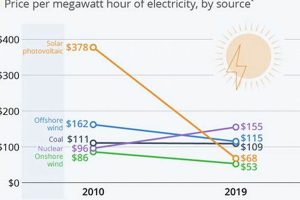
The cost of solar PV systems has decreased significantly in recent years, making solar power increasingly affordable for households and businesses. This cost reduction, coupled with government incentives and financing options, makes solar energy a more attractive investment and accelerates its adoption.
- Rooftop Solar Installations
Rooftop solar installations on residential and commercial buildings offer significant potential for distributed energy generation. Utilizing available roof space reduces land use requirements and empowers individuals and businesses to contribute directly to renewable energy production. Net metering policies further incentivize rooftop solar by allowing consumers to sell excess electricity back to the grid.
- Grid Integration and Storage
Integrating solar power into the electricity grid requires effective management strategies to address its intermittent nature. Energy storage solutions, such as batteries and pumped hydro, play a crucial role in balancing solar energy supply with demand, ensuring grid stability and maximizing the utilization of solar power. Smart grid technologies further enhance grid management by optimizing energy flow and minimizing transmission losses.
Solar power’s growing potential represents an important development for Sweden’s renewable energy landscape. As technology continues to advance and costs decline, solar energy is poised to play an increasingly significant role in achieving the nation’s sustainability goals and reducing reliance on fossil fuels. Its integration with other renewable sources, coupled with smart grid technologies and energy storage solutions, will be crucial for realizing the full potential of solar power and creating a robust and diversified renewable energy system for Sweden’s future.
5. Energy Storage Solutions

The increasing reliance on intermittent renewable energy sources, such as solar and wind power, necessitates robust energy storage solutions to ensure a stable and reliable electricity supply. Within Sweden’s renewable energy landscape, energy storage plays a crucial role in balancing fluctuating energy generation with consumer demand, maximizing the utilization of renewable resources, and minimizing reliance on fossil fuel-based backup power.
- Pumped Hydroelectric Storage
Pumped hydroelectric storage (PHS) represents a mature and widely deployed energy storage technology. PHS systems utilize excess electricity to pump water uphill to a reservoir, storing potential energy. When electricity demand is high, the stored water is released downhill through turbines, generating electricity. Sweden’s existing hydropower infrastructure provides a favorable environment for PHS expansion, offering a cost-effective and scalable storage solution.
- Battery Storage
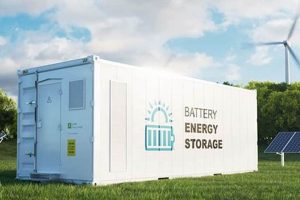
Battery storage technologies, particularly lithium-ion batteries, are rapidly advancing and becoming increasingly cost-competitive. Batteries offer flexibility and rapid response times, making them suitable for grid stabilization and balancing short-term fluctuations in renewable energy generation. Sweden’s growing battery storage capacity complements other storage technologies, enhancing grid resilience and supporting greater integration of renewable resources.
- Thermal Energy Storage
Thermal energy storage (TES) technologies store thermal energy for later use in heating and cooling applications. TES systems can utilize various storage media, including water, molten salt, and phase-change materials. In Sweden, TES can play a significant role in optimizing district heating systems, storing excess heat generated from renewable sources for later distribution, enhancing energy efficiency and reducing reliance on fossil fuels for heating.
- Hydrogen Storage
Hydrogen offers potential as a long-duration energy storage medium. Excess renewable electricity can be used to produce hydrogen through electrolysis, which can then be stored and used later to generate electricity through fuel cells or combustion. While hydrogen storage is still under development, it holds promise for addressing seasonal variations in renewable energy generation and providing a sustainable fuel source for various applications in Sweden.
The effective integration of energy storage solutions is essential for maximizing the benefits of Sweden’s renewable energy resources. By balancing intermittent generation, enhancing grid stability, and enabling greater utilization of renewable energy, energy storage technologies play a crucial role in achieving a sustainable and secure energy future for Sweden. Further development and deployment of these technologies will be crucial for realizing the full potential of Sweden’s renewable energy transition and minimizing reliance on fossil fuels.
6. Grid Modernization Efforts

Grid modernization is essential for successfully integrating high levels of renewable energy into Sweden’s electricity system. The inherent intermittency of sources like solar and wind power necessitates a more flexible and responsive grid to maintain stability and reliability. Modernization efforts address this challenge through several key strategies.
One crucial aspect is enhancing grid flexibility. This involves implementing advanced control systems and technologies that enable real-time monitoring and management of electricity flow. Smart grids, equipped with sensors and automated controls, optimize energy distribution, balancing fluctuating renewable generation with consumer demand. Furthermore, integrating advanced metering infrastructure (AMI) provides real-time data on energy consumption, enabling demand-side management programs that incentivize consumers to shift their energy use to periods of high renewable generation. For example, dynamic pricing models encourage consumers to use electricity during sunny or windy periods when renewable energy is abundant, reducing strain on the grid during peak demand periods.
Another vital component of grid modernization involves strengthening transmission and distribution infrastructure. Upgrading existing power lines and substations and constructing new interconnections enhances the grid’s capacity to transport electricity from remote renewable energy sources, such as offshore wind farms, to population centers. This increased capacity is crucial for accommodating the growing influx of renewable energy and ensuring efficient power delivery across the country. Investments in high-voltage direct current (HVDC) transmission lines facilitate long-distance transport of electricity with minimal losses, further optimizing the integration of remotely located renewable energy resources. These modernization efforts are essential for ensuring that Sweden’s electricity grid can reliably accommodate increasing levels of renewable energy, paving the way for a sustainable and secure energy future.
7. Policy and Regulatory Frameworks

Policy and regulatory frameworks are essential for driving the growth and development of Sweden’s renewable energy sector. These frameworks provide the foundation for investment, innovation, and market stability, shaping the trajectory of the nation’s transition towards a sustainable energy future. Understanding these frameworks is crucial for evaluating the effectiveness of current policies and identifying areas for future improvement.
- Renewable Energy Targets
Sweden has established ambitious renewable energy targets, including achieving 100% renewable electricity generation by 2040. These targets provide a clear direction for policy development and incentivize investment in renewable energy projects. The targets create a sense of urgency and commitment, driving innovation and technological advancements within the sector. For example, the target of phasing out nuclear power by 2045 further reinforces the focus on renewable energy sources.
- Financial Incentives and Support Schemes
Various financial incentives and support schemes are in place to encourage renewable energy development. These include feed-in tariffs, green certificates, and tax exemptions. Such mechanisms provide financial stability and reduce investment risks, attracting private sector participation and accelerating the deployment of renewable energy technologies. For instance, the electricity certificate system guarantees a minimum price for renewable electricity, stimulating investment in new projects.
- Permitting and Approval Processes
Streamlined permitting and approval processes are crucial for facilitating the timely development of renewable energy projects. Clear regulations and efficient administrative procedures minimize delays and reduce bureaucratic hurdles, enabling developers to bring projects online more quickly. This efficiency is particularly important for large-scale projects, such as wind farms and hydropower plants, which require extensive permitting and environmental impact assessments. Effective permitting processes ensure that projects meet environmental standards while avoiding unnecessary delays.
- International Cooperation and Agreements
International cooperation and agreements play a significant role in shaping Sweden’s renewable energy landscape. Participation in international initiatives, such as the European Union’s renewable energy directives, provides a framework for collaboration and knowledge sharing. These agreements facilitate cross-border electricity trade, enabling Sweden to export surplus renewable energy and import renewable energy from neighboring countries when needed. International cooperation fosters innovation and accelerates the transition to a sustainable energy future across the region.
These policy and regulatory frameworks are interconnected and work in concert to create a supportive environment for renewable energy development in Sweden. The combination of ambitious targets, financial incentives, streamlined permitting processes, and international cooperation provides a strong foundation for continued growth in the sector. These frameworks are crucial not only for achieving national sustainability goals but also for contributing to global efforts to mitigate climate change and transition towards a cleaner energy future. Regular review and adaptation of these frameworks are essential for ensuring their ongoing effectiveness and responsiveness to evolving technological and market dynamics within the renewable energy sector.
Frequently Asked Questions about Renewable Energy in Sweden
This section addresses common inquiries regarding Sweden’s renewable energy landscape, offering concise and informative responses.
Question 1: What is the primary source of renewable energy in Sweden?
Hydropower historically constitutes the largest share of Sweden’s renewable energy generation, leveraging the nation’s abundant water resources.
Question 2: How significant is wind power in Sweden’s energy mix?
Wind power is rapidly expanding, with both onshore and offshore wind farms contributing significantly to electricity generation and holding substantial potential for future growth.
Question 3: What role does bioenergy play in Sweden’s energy system?
Bioenergy, derived from forestry residues and agricultural byproducts, plays a substantial role in heating and combined heat and power generation, reducing reliance on fossil fuels.
Question 4: What is the current status and future potential of solar power in Sweden?
While solar power currently represents a smaller portion of the energy mix, declining costs and technological advancements are increasing its viability and potential for future contribution.
Question 5: How does Sweden address the intermittency of renewable energy sources?
Energy storage solutions, including pumped hydro and batteries, play a crucial role in balancing intermittent renewable energy generation with demand, ensuring grid stability.
Question 6: What policy measures support renewable energy development in Sweden?
Supportive government policies, including renewable energy targets, financial incentives, and streamlined permitting processes, drive investment and innovation within the renewable energy sector.
Addressing these common questions provides a foundational understanding of Sweden’s commitment to renewable energy and its ongoing transition towards a sustainable energy future. Further research and exploration can offer more in-depth insights into specific aspects of this dynamic landscape.
For a more comprehensive analysis of Sweden’s renewable energy sector, please continue to the following sections.
Sweden Renewable Energy
Sweden’s commitment to renewable energy sources represents a multifaceted approach to achieving a sustainable energy future. From the historical dominance of hydropower to the rapid expansion of wind power, the utilization of bioenergy, and the growing potential of solar power, the nation’s energy landscape showcases a diverse portfolio of renewable resources. Addressing the intermittency of renewable generation through energy storage solutions and grid modernization is crucial for ensuring a stable and reliable electricity supply. Supportive policy and regulatory frameworks further incentivize investment and innovation, driving the transition towards a cleaner energy future. Sweden’s experience offers valuable insights for other nations pursuing similar sustainable energy goals, demonstrating the feasibility and benefits of transitioning away from fossil fuels.
The ongoing development and integration of renewable energy technologies remain crucial for achieving long-term sustainability goals. Continued investment in research, innovation, and infrastructure will be essential for maximizing the potential of renewable resources and mitigating the impacts of climate change. Sweden’s dedication to renewable energy serves as an example of the transformative potential of sustainable practices, offering a pathway towards a cleaner, more secure, and environmentally responsible energy future for all.