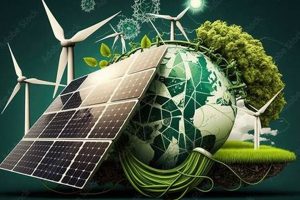
The region encompassing southwestern Iowa presents a unique landscape for the development of sustainable power generation. Wind, solar, and biomass resources offer potential pathways towards energy independence and economic growth in the area. For instance, the region’s consistent wind patterns make it suitable for harnessing wind power through turbines, while ample sunshine offers opportunities for solar panel installations. Agricultural activities provide a readily available source of biomass, which can be converted into biofuels or used directly for heating and electricity generation.
Developing sustainable power sources in this part of Iowa offers multiple advantages. It contributes to reducing greenhouse gas emissions, improving local air quality, and diversifying energy sources, reducing reliance on fossil fuels. Furthermore, investment in this sector can stimulate job creation in rural communities and contribute to the state’s overall economic development. Historically, agriculture has been the dominant industry in southwestern Iowa. The integration of renewable energy technologies can complement existing agricultural practices, offering farmers additional revenue streams and promoting environmental stewardship.
This discussion will explore the specific opportunities and challenges associated with implementing various forms of sustainable energy production in southwestern Iowa. Topics will include the economic feasibility of different renewable energy technologies, their environmental impact, and the potential for community-based initiatives. Additionally, the regulatory landscape and policies promoting renewable energy development in the state will be examined.
Tips for Supporting Sustainable Power in Southwestern Iowa
Residents and businesses can contribute to the growth of clean power generation in southwestern Iowa through informed choices and active participation. The following tips offer practical guidance on supporting this important transition.
Tip 1: Explore Local Renewable Energy Programs: Investigate available incentive programs for installing solar panels, geothermal systems, or other renewable energy technologies in homes and businesses. Utilize resources like the Iowa Energy Office or DSIRE (Database of State Incentives for Renewables & Efficiency) to learn about current opportunities.
Tip 2: Support Community Solar Initiatives: Consider participating in community solar projects if individual installations are not feasible. These projects allow residents to share the benefits of a larger solar array.
Tip 3: Advocate for Policy Changes: Contact elected officials at the local and state levels to express support for policies that encourage renewable energy development. Advocate for streamlining permitting processes and strengthening renewable portfolio standards.
Tip 4: Invest in Renewable Energy Companies: Explore investment opportunities in companies that develop, manufacture, or install renewable energy technologies. This can include investing in publicly traded companies or supporting local installers and developers.
Tip 5: Reduce Energy Consumption: Improving energy efficiency in homes and businesses reduces overall energy demand and supports the transition to sustainable sources. Simple measures like upgrading insulation, using energy-efficient appliances, and reducing energy waste can have a significant impact.
Tip 6: Educate and Engage: Stay informed about advancements in renewable energy technologies and share this knowledge with others. Participate in community discussions and advocate for greater adoption of sustainable practices.
By implementing these strategies, individuals and communities can play a crucial role in fostering the growth of sustainable power, contributing to a cleaner environment and a more resilient energy future for southwestern Iowa.
The transition to renewable energy represents a significant opportunity for economic growth and environmental sustainability in southwestern Iowa. By understanding the potential of these resources and actively supporting their development, the region can secure a cleaner, more prosperous future.
1. Wind Power Potential

Wind power represents a cornerstone of renewable energy development in southwestern Iowa. The region’s topography and geographical location contribute to consistent and robust wind resources, making it particularly suitable for wind energy harvesting. Data collected from meteorological stations and wind resource assessments confirm the viability of large-scale wind farm installations. The relatively flat terrain and lack of significant obstructions allow for optimal wind turbine placement and efficient energy capture. This inherent wind power potential positions southwestern Iowa as a key player in the state’s transition to renewable energy sources.
The development of wind energy projects in southwestern Iowa offers substantial economic and environmental benefits. Wind farms create jobs in construction, maintenance, and operation, injecting capital into local economies. Landowners leasing land for turbines receive a steady stream of income, providing economic diversification for rural communities. Furthermore, wind energy displaces fossil fuel-based electricity generation, reducing greenhouse gas emissions and mitigating the adverse effects of climate change. Examples of successful wind farms in the region demonstrate the practical feasibility and economic viability of harnessing this resource. These projects showcase the potential for further expansion and highlight the role of wind power in achieving state-level renewable energy goals.
Realizing the full potential of wind energy in southwestern Iowa requires addressing key challenges. Grid infrastructure upgrades are necessary to accommodate the influx of electricity generated by wind farms and ensure efficient transmission to consumers. Careful siting and environmental impact assessments are crucial for minimizing potential impacts on wildlife and ecosystems. Furthermore, community engagement and transparent communication are essential for building public support and ensuring the responsible development of wind energy projects. Overcoming these challenges will unlock the transformative potential of wind power in contributing to a sustainable energy future for southwestern Iowa.
2. Solar energy feasibility

Solar energy feasibility in southwestern Iowa is a critical component of the region’s renewable energy landscape. The region receives a substantial amount of solar radiation, making it suitable for photovoltaic (PV) solar energy generation. Analyzing solar irradiance data, coupled with technological advancements in solar panel efficiency, indicates the potential for significant solar energy contribution to the region’s energy mix. Factors influencing feasibility include available land area for solar farms, proximity to existing transmission infrastructure, and the overall cost-effectiveness of solar installations compared to other renewable energy options. Examples such as the growing number of residential and commercial solar installations demonstrate increasing practicality. Furthermore, government incentives and policies, like net metering programs and tax credits, play a role in enhancing the economic viability of solar projects.
Evaluating solar energy feasibility involves careful consideration of several factors. Intermittency, the fluctuation of solar power generation due to weather conditions, requires strategies like energy storage solutions or integration with other renewable sources to ensure a stable energy supply. Environmental impact assessments are necessary to minimize potential effects on land use and ecosystems. Additionally, community acceptance and engagement are crucial for successful project implementation. Examining existing solar projects within Iowa and similar geographic regions provides valuable insights into best practices and potential challenges. For example, analyzing the performance of solar farms in neighboring states can inform decisions regarding panel technology, installation methods, and grid integration strategies.
Understanding solar energy feasibility in southwestern Iowa is essential for developing a comprehensive renewable energy strategy. Successful integration of solar power can diversify the region’s energy portfolio, reduce reliance on fossil fuels, and contribute to economic development. However, addressing challenges related to intermittency, land use, and community acceptance is crucial for maximizing the long-term benefits of solar energy. Continued research, technological advancements, and supportive policies will further enhance the feasibility and unlock the full potential of solar power in southwestern Iowa’s transition to a sustainable energy future.
3. Biomass Utilization

Biomass utilization represents a significant component of sustainable energy strategies in southwestern Iowa, leveraging the region’s rich agricultural heritage. Given the abundance of agricultural residues and dedicated energy crops, biomass offers a readily available and renewable energy source. Exploring the various facets of biomass utilization provides insights into its potential for contributing to the region’s energy independence and economic development.
- Agricultural Residues:
Agricultural residues, such as corn stover and soybean straw, represent a substantial biomass resource. These byproducts of crop production can be collected and processed into biofuels, such as ethanol or biodiesel, or used for direct combustion in biomass power plants. This approach not only provides a renewable energy source but also offers an additional revenue stream for farmers and reduces agricultural waste.
- Dedicated Energy Crops:
Cultivating dedicated energy crops, like switchgrass and miscanthus, specifically for biomass energy production provides a sustainable and environmentally friendly alternative to traditional fossil fuels. These crops can be grown on marginal lands, minimizing competition with food crops and offering potential benefits for soil health and carbon sequestration.
- Biogas Production:
Anaerobic digestion of organic matter, including animal manure and food waste, produces biogas, a mixture of methane and carbon dioxide. Biogas can be used for electricity generation, heating, or upgraded to biomethane, a renewable natural gas substitute. This process offers a sustainable solution for managing organic waste while generating clean energy.
- Economic and Environmental Implications:
Biomass utilization contributes to economic development by creating jobs in biomass processing, transportation, and bioenergy production. Furthermore, it reduces reliance on fossil fuels, mitigating greenhouse gas emissions and improving local air quality. However, sustainable biomass utilization requires careful consideration of land use, water resources, and potential impacts on biodiversity to ensure long-term environmental benefits.
Integrating biomass utilization into southwestern Iowa’s renewable energy portfolio offers a pathway towards a more diversified and sustainable energy future. By leveraging existing agricultural infrastructure and expertise, the region can maximize the economic and environmental benefits of biomass while contributing to national renewable energy goals. Further research and development in biomass conversion technologies and sustainable land management practices will enhance the efficiency and environmental sustainability of biomass utilization in the region.
4. Grid Integration Challenges

Integrating renewable energy sources into the existing power grid presents significant challenges for southwestern Iowa. The region’s current grid infrastructure, primarily designed for centralized fossil fuel-based power plants, requires substantial upgrades to accommodate the distributed and intermittent nature of renewable energy generation. Addressing these challenges is crucial for maximizing the benefits of renewable energy and ensuring a reliable and stable electricity supply.
- Transmission Capacity:
The existing transmission lines in southwestern Iowa may lack the capacity to transport the increased electricity generated by new renewable energy projects. Upgrading transmission infrastructure, including building new high-voltage power lines and substations, is essential to prevent grid congestion and ensure efficient delivery of renewable energy to consumers. For example, connecting large-scale wind farms to the grid may require significant investments in transmission infrastructure to avoid curtailment, where wind turbines are shut down due to insufficient grid capacity.
- Intermittency and Variability:
Renewable energy sources like wind and solar are inherently intermittent, meaning their output fluctuates based on weather conditions. Managing this variability requires advanced grid management technologies, such as energy storage systems and demand-side management programs. For instance, battery storage can store excess energy generated during periods of high wind or solar output and release it when generation is low, ensuring a consistent electricity supply. Furthermore, integrating smart grid technologies can help balance supply and demand by providing real-time information about energy consumption and generation.
- Grid Stability and Reliability:
Integrating large amounts of renewable energy can affect grid stability and reliability. Maintaining grid frequency and voltage within acceptable limits requires sophisticated grid control systems and technologies like reactive power compensation. For example, as wind power penetration increases, grid operators need to ensure sufficient inertia and system strength to maintain grid stability during disturbances or sudden changes in wind speed. Investing in advanced grid management tools and technologies is crucial for maintaining grid reliability as renewable energy penetration increases.
- Cost of Grid Upgrades:
Upgrading the grid to accommodate renewable energy generation entails significant financial investments. Cost-effective solutions, such as utilizing existing transmission corridors and exploring innovative grid technologies, are necessary to minimize the cost burden on consumers. Regulatory policies and financial incentives can play a role in attracting investment in grid infrastructure upgrades and supporting the transition to renewable energy. Public-private partnerships and innovative financing mechanisms can also facilitate grid modernization efforts.
Successfully integrating renewable energy into the grid in southwestern Iowa requires a coordinated approach involving policymakers, grid operators, renewable energy developers, and local communities. Addressing grid integration challenges is essential for unlocking the full potential of renewable energy resources, contributing to economic development, and ensuring a reliable and sustainable electricity supply for the region’s future.
5. Economic Development Opportunities

Renewable energy development in southwestern Iowa presents significant economic development opportunities, offering the potential to diversify the region’s economy, create jobs, and attract investment. Exploring the economic implications of this transition reveals pathways toward sustainable growth and enhanced prosperity for the region.
- Job Creation:
Renewable energy projects generate employment opportunities across various sectors, including manufacturing, construction, installation, maintenance, and operation. For example, wind turbine manufacturing facilities create skilled manufacturing jobs, while wind and solar farm construction requires a local workforce. Furthermore, ongoing maintenance and operation of renewable energy facilities provide long-term employment opportunities, contributing to stable economic growth in rural communities. The influx of skilled workers can also stimulate related industries and services, further amplifying the economic impact.
- Investment and Revenue Generation:
Renewable energy projects attract significant investments, both from private companies and government incentives. This investment capital stimulates local economies and contributes to infrastructure development. Landowners leasing land for wind or solar farms receive lease payments, providing a stable income stream and diversifying agricultural revenue. Furthermore, renewable energy projects can generate property tax revenue for local governments, supporting public services and infrastructure improvements. For example, a wind farm development can contribute significant property tax revenue to a county, supporting schools, roads, and other essential services.
- Supply Chain Development:
The growth of the renewable energy sector in southwestern Iowa fosters the development of a local supply chain. Businesses providing components, services, and support for renewable energy projects emerge and expand, creating further economic opportunities. This localized supply chain reduces reliance on external suppliers, strengthens regional economic resilience, and enhances the overall economic impact of renewable energy development. For example, local businesses might specialize in providing transportation, logistics, or maintenance services for wind farms, generating economic activity within the region.
- Rural Revitalization:
Renewable energy development can play a vital role in revitalizing rural communities in southwestern Iowa. New job opportunities and increased economic activity attract residents and businesses, stimulating population growth and enhancing the overall quality of life in rural areas. This revitalization can counter population decline and contribute to the long-term sustainability of rural communities. Renewable energy projects can also provide opportunities for community ownership and investment, further empowering local residents and fostering a sense of shared prosperity.
The economic development opportunities associated with renewable energy in southwestern Iowa offer a pathway toward a more diversified and sustainable economy. By leveraging the region’s renewable resources, southwestern Iowa can attract investment, create jobs, revitalize rural communities, and contribute to a more prosperous future for its residents. Continued investment in renewable energy infrastructure and workforce development will be crucial for realizing the full economic potential of this transition.
6. Environmental Impact Reduction

Environmental impact reduction is a central driver of renewable energy development in southwestern Iowa. Transitioning from fossil fuels to renewable sources offers significant environmental benefits, contributing to cleaner air, reduced greenhouse gas emissions, and a healthier ecosystem. Exploring the environmental implications of renewable energy adoption in the region highlights the potential for long-term ecological sustainability.
- Greenhouse Gas Emission Reduction
Renewable energy sources, unlike fossil fuels, produce little to no greenhouse gas emissions during operation. Utilizing wind, solar, and biomass resources significantly reduces carbon dioxide and other greenhouse gas emissions, mitigating the impacts of climate change. This reduction contributes to cleaner air and a healthier environment for residents. For example, replacing a coal-fired power plant with a wind farm eliminates the emissions associated with coal combustion, resulting in a substantial decrease in greenhouse gas emissions.
- Improved Air Quality
Renewable energy technologies like wind and solar power produce no air pollutants during operation. This contrasts sharply with fossil fuel-based power plants, which emit pollutants such as sulfur dioxide, nitrogen oxides, and particulate matter. Transitioning to renewable energy improves local air quality, reducing respiratory illnesses and other health problems associated with air pollution. For instance, communities near coal-fired power plants often experience higher rates of respiratory illnesses, a problem mitigated by transitioning to renewable energy sources.
- Water Conservation
Renewable energy technologies, particularly wind and solar, require significantly less water than traditional power plants. Conventional power plants utilize large amounts of water for cooling purposes, putting strain on local water resources. Renewable energy reduces water consumption, contributing to water conservation and mitigating potential water scarcity issues. This benefit becomes increasingly important in regions facing water stress or drought conditions, ensuring sustainable water resource management.
- Reduced Land Degradation
While renewable energy projects require land for infrastructure, their overall impact on land degradation is significantly lower than that of fossil fuel extraction. For example, while wind farms occupy a footprint, the land beneath the turbines can still be used for agricultural purposes. Furthermore, restoring abandoned coal mines or repurposing brownfield sites for solar energy projects can contribute to land reclamation and revitalization. Careful siting and environmental impact assessments minimize potential disruptions to ecosystems and prioritize land-use efficiency.
The environmental benefits of renewable energy adoption in southwestern Iowa are substantial and contribute to a healthier and more sustainable environment. Reduced greenhouse gas emissions, improved air quality, water conservation, and reduced land degradation are key advantages of transitioning to renewable energy sources. These environmental improvements enhance the quality of life for residents, protect ecosystems, and contribute to the long-term ecological health of the region. Furthermore, the environmental benefits of renewable energy align with broader state and national goals for environmental sustainability, positioning southwestern Iowa as a leader in the transition to a cleaner energy future.
7. Community engagement initiatives
Community engagement initiatives play a vital role in the successful development and implementation of renewable energy projects in southwestern Iowa. Securing public support and addressing community concerns are essential for fostering a smooth transition to a sustainable energy future. Active engagement builds trust, facilitates informed decision-making, and ensures that renewable energy projects align with community values and priorities.
- Public Forums and Information Sessions:
Open public forums and information sessions provide platforms for community members to learn about proposed renewable energy projects, voice their concerns, and engage in constructive dialogue with project developers and stakeholders. These forums offer opportunities to address misconceptions, provide accurate information about project impacts, and build consensus. For example, a wind energy developer might host a series of public meetings to present project details, answer questions about noise levels and visual impacts, and discuss potential economic benefits for the community.
- Community Ownership and Investment Opportunities:
Offering community ownership models, such as community-owned wind or solar farms, allows residents to directly invest in and benefit from renewable energy projects. These initiatives empower local communities, foster a sense of shared ownership, and enhance project acceptance. Community investment models can generate local revenue, create job opportunities, and contribute to the economic development of the region. For instance, a community-owned solar project could offer residents the opportunity to purchase shares in the project, receiving dividends based on the electricity generated.
- Collaboration with Local Organizations and Leaders:
Engaging with local organizations, community leaders, and elected officials is essential for building support and addressing community concerns. Collaborating with established community groups leverages existing networks and fosters trust. Working with local leaders ensures that renewable energy projects align with community priorities and contribute to broader economic development goals. For example, partnering with local agricultural organizations can facilitate communication with farmers and address concerns about land use and potential impacts on agricultural practices.
- Educational Programs and Outreach:
Developing educational programs and outreach initiatives raises awareness about the benefits of renewable energy, addresses common misconceptions, and promotes community acceptance. These programs can target schools, community centers, and other local venues, providing information about the environmental and economic benefits of renewable energy. Outreach efforts can involve presentations, workshops, and online resources, fostering informed decision-making and encouraging community participation in the transition to sustainable energy. For instance, a renewable energy advocacy group might organize workshops for local businesses to explain the benefits of installing solar panels and provide information about available incentives.
Effective community engagement initiatives are essential for the successful integration of renewable energy in southwestern Iowa. By fostering open communication, building trust, and addressing community concerns, these initiatives pave the way for a smooth transition to a sustainable energy future. Engaged communities are more likely to embrace renewable energy projects, recognizing their potential to contribute to both environmental sustainability and economic prosperity in the region. This collaborative approach ensures that renewable energy development aligns with community values and priorities, creating a shared vision for a cleaner and more resilient energy future.
Frequently Asked Questions about Renewable Energy in Southwestern Iowa
This section addresses common inquiries regarding renewable energy development in southwestern Iowa. Understanding these key aspects is crucial for informed decision-making and fostering a sustainable energy future.
Question 1: How does renewable energy development impact agricultural land use in southwestern Iowa?
Renewable energy projects, such as wind and solar farms, require land for infrastructure. However, careful siting and land management practices can minimize impact on agricultural activities. Wind turbines, for example, occupy a relatively small footprint, allowing continued agricultural use of the surrounding land. Dual-use practices, like combining solar farms with grazing or pollinator habitats, can further enhance land-use efficiency.
Question 2: What are the economic benefits of renewable energy for southwestern Iowa communities?
Renewable energy projects generate economic benefits through job creation, investment, and increased tax revenue. Construction, operation, and maintenance of renewable energy facilities create local jobs. Landowners receive lease payments for hosting infrastructure, providing additional income. Furthermore, increased property tax revenue supports local governments and public services.
Question 3: Does renewable energy development affect wildlife and ecosystems?
Potential impacts on wildlife, such as bird and bat populations, are carefully considered during project development. Environmental impact assessments and mitigation strategies, such as careful turbine placement and operational adjustments, minimize risks to wildlife and preserve biodiversity. Ongoing monitoring and research contribute to adaptive management practices and minimize long-term ecological impacts.
Question 4: How does renewable energy address intermittency challenges related to wind and solar power?
Intermittency, the fluctuating nature of wind and solar power, is addressed through grid management strategies and technological advancements. Energy storage solutions, such as batteries, store excess energy generated during peak periods for use when production is lower. Diversifying renewable energy sources and integrating them with grid management technologies enhances grid stability and reliability.
Question 5: What role do government policies play in supporting renewable energy development in southwestern Iowa?
Government policies, including renewable portfolio standards, tax incentives, and streamlined permitting processes, create a favorable environment for renewable energy investment and development. These policies encourage private sector participation, reduce financial barriers, and accelerate the transition to a cleaner energy future.
Question 6: How can community members participate in renewable energy initiatives in southwestern Iowa?
Community members can participate in renewable energy initiatives through various avenues. Attending public forums, engaging with local officials, and supporting community-owned renewable energy projects are pathways to active involvement. Exploring individual actions, such as installing rooftop solar panels or participating in energy efficiency programs, further supports the transition to renewable energy.
Renewable energy development in southwestern Iowa offers significant potential for economic growth and environmental sustainability. Understanding the key aspects addressed in these FAQs empowers individuals and communities to make informed decisions and contribute to the regions clean energy future.
To further explore specific renewable energy projects and initiatives in southwestern Iowa, consult resources available through the Iowa Energy Office and other relevant organizations.
Southwest Iowa Renewable Energy
Southwest Iowa renewable energy resources offer a significant opportunity for a transition to a more sustainable energy future. This exploration has highlighted the region’s potential for wind, solar, and biomass energy production, emphasizing the economic and environmental benefits associated with this transition. Key challenges, such as grid integration and community acceptance, have been addressed, along with strategies for maximizing the positive impacts of renewable energy development. The analysis underscores the importance of policy support, technological advancements, and community engagement in realizing the full potential of these resources.
The future of energy in southwestern Iowa hinges on continued investment in renewable energy infrastructure, supportive policies, and ongoing community engagement. Embracing these opportunities will not only contribute to a cleaner environment and a more resilient energy system but also foster economic growth and enhance the quality of life for residents. The transition to renewable energy represents a crucial step toward a more sustainable and prosperous future for southwestern Iowa.