Clean power generated from sustainable sources harnessed on or near individual homes encompasses a range of technologies. For instance, photovoltaic panels convert sunlight directly into electricity, while small wind turbines capture kinetic energy from moving air. Geothermal systems utilize the earth’s stable temperature for heating and cooling, and solar thermal collectors heat water using sunlight. These systems offer homeowners greater control over their energy production and consumption.
Distributed generation offers numerous advantages, including reduced reliance on centralized power grids, lower greenhouse gas emissions, and potential cost savings over time. Historically, reliance on fossil fuels has dominated the energy landscape. However, growing environmental concerns and advancements in technology have made locally sourced, sustainable power increasingly viable and attractive. This shift empowers individuals to contribute to a more sustainable future while potentially enhancing their property value and energy independence.
This exploration will delve into the specific technologies, their practical applications, economic considerations, and environmental impact, offering a comprehensive understanding of the evolving landscape of sustainable power generation for individual homes.
Tips for Implementing Sustainable Home Power
Careful planning and consideration are crucial for successful integration of sustainable energy systems into homes. The following tips offer guidance for maximizing benefits and minimizing potential challenges.
Tip 1: Conduct a Thorough Energy Audit: Understanding current energy consumption patterns is the first step. A professional energy audit can identify areas for improvement and help determine the most suitable renewable energy technologies for a specific home.
Tip 2: Evaluate Site Suitability: The local climate, available sunlight, wind resources, and roof orientation significantly impact the effectiveness of different technologies. Careful assessment ensures optimal system performance.
Tip 3: Research Available Incentives: Numerous financial incentives, including tax credits, rebates, and grants, can significantly reduce the upfront costs of sustainable energy installations. Thorough research is essential to leverage available programs.
Tip 4: Choose Qualified Installers: Proper installation is critical for system longevity and efficiency. Selecting experienced and certified installers ensures high-quality workmanship and adherence to safety standards.
Tip 5: Consider System Integration: Integrating multiple technologies, such as solar panels with battery storage, can enhance energy independence and optimize overall system performance. Careful planning is essential for seamless integration.
Tip 6: Understand Maintenance Requirements: Sustainable energy systems require regular maintenance to ensure optimal performance and longevity. Understanding these requirements upfront helps avoid unexpected costs and downtime.
Tip 7: Monitor System Performance: Regular monitoring of system output allows for early detection of potential issues and ensures optimal energy production. Many systems offer remote monitoring capabilities for convenient tracking.
By following these tips, homeowners can effectively transition to sustainable power, minimizing environmental impact and potentially reducing long-term energy costs. Empowering individuals with this knowledge promotes informed decision-making and facilitates a wider adoption of clean energy solutions.
This exploration concludes with a look at the future of sustainable home power and its role in a broader transition to a cleaner energy landscape.
1. Solar Photovoltaic (PV) Systems

Solar photovoltaic (PV) systems represent a cornerstone of residential renewable energy. These systems directly convert sunlight into electricity via the photovoltaic effect, offering a clean and sustainable alternative to conventional fossil fuel-based power generation. The integration of PV systems within the residential sector reduces reliance on centralized grids and lowers carbon emissions. For instance, a home equipped with a rooftop solar array can generate a significant portion of its electricity needs, decreasing its dependence on grid-supplied power derived from fossil fuels. This distributed generation model enhances energy independence at the household level and contributes to a more resilient energy infrastructure.
The practical significance of PV systems extends beyond individual homes. Widespread adoption contributes to a reduction in peak demand on power grids, lessening the need for new power plants and transmission infrastructure. Furthermore, the modular nature of PV systems allows for scalability, from small rooftop installations to larger ground-mounted arrays, catering to diverse energy needs and property sizes. Real-world examples demonstrate the effectiveness of this technology. In regions with high solar irradiance, PV systems have proven capable of significantly offsetting household electricity consumption, resulting in substantial cost savings for homeowners over the system’s lifespan. Moreover, advancements in battery storage technology allow excess solar energy to be stored and used during periods of low sunlight, further enhancing energy independence and grid stability.
The ongoing development of more efficient and cost-effective PV technologies reinforces their crucial role in the future of residential renewable energy. While challenges such as initial installation costs and intermittency of solar radiation remain, continued innovation and supportive policies are driving wider adoption. Ultimately, solar PV systems represent a key pathway towards a decentralized, decarbonized, and more resilient energy future for residential consumers.
2. Small Wind Turbines

Small wind turbines offer a compelling avenue for generating clean electricity at the residential level, complementing other renewable energy sources and contributing to energy independence. These turbines, typically installed on rooftops or freestanding towers, convert the kinetic energy of wind into electrical power, providing an alternative to grid-supplied electricity, often derived from fossil fuels.
- Turbine Design and Capacity:
Small wind turbines designed for residential use come in various configurations, including horizontal-axis wind turbines (HAWTs) and vertical-axis wind turbines (VAWTs). HAWTs, resembling traditional windmills, are generally more efficient in capturing wind energy, while VAWTs offer advantages in turbulent wind conditions and require less space. Turbine capacity, measured in kilowatts (kW), dictates the potential power output, ranging from a few hundred watts to several kilowatts, depending on the turbine size and local wind resources. A 1 kW turbine, for instance, could potentially generate enough electricity to power a significant portion of a small home’s lighting and appliance needs.
- Site Assessment and Installation:
Successful implementation necessitates careful assessment of the site’s wind resource potential. Factors such as average wind speed, prevailing wind direction, and surrounding obstacles, like trees or buildings, significantly influence energy output. Professional site assessments employing anemometers (wind speed measuring devices) determine the feasibility and optimal turbine placement. Installation typically involves securing the turbine to a sturdy rooftop mount or erecting a freestanding tower, ensuring structural integrity and compliance with local building codes. The complexity of installation varies based on turbine size and site conditions.
- Economic Considerations and Incentives:
The initial cost of small wind turbines varies depending on capacity and installation complexity. However, long-term operational costs are minimal due to the absence of fuel consumption. Financial incentives, such as tax credits, rebates, and net metering programs, can significantly offset initial investment costs and shorten the payback period. Net metering allows homeowners to sell excess generated electricity back to the grid, further enhancing the economic viability of small wind turbines.
- Environmental Impact and Grid Integration:
Small wind turbines offer a clean energy solution, reducing reliance on fossil fuels and lowering carbon emissions. Their localized nature minimizes transmission losses associated with centralized power generation. Integrating small wind turbines with existing grid infrastructure or combining them with other renewable energy sources, such as solar PV and battery storage, creates a more resilient and distributed energy system. This reduces strain on the grid and enhances the overall reliability of power supply.
By considering these facets, homeowners can effectively evaluate the potential of small wind turbines to contribute to their energy needs and participate in a more sustainable energy future. Integrating small wind turbines within the broader context of residential renewable energy diversifies energy sources, enhances energy independence, and promotes a transition toward cleaner power generation.
3. Geothermal Energy

Geothermal energy presents a compelling option within the residential renewable energy landscape, offering a consistent and sustainable source of heating and cooling. Harnessing the earth’s relatively constant subsurface temperatures, geothermal systems provide an alternative to conventional HVAC systems reliant on fossil fuels. This technology significantly reduces a home’s environmental footprint and offers potential long-term cost savings.
- Geothermal Heat Pumps:
Geothermal heat pumps (GHPs), also known as ground-source heat pumps, are the most common application of geothermal energy in residential settings. These systems utilize a network of buried pipes, called a ground loop, to exchange thermal energy with the earth. During winter, the GHP extracts heat from the relatively warmer ground and transfers it indoors. Conversely, in summer, the process reverses, transferring heat from the home into the cooler ground. This consistent temperature differential allows GHPs to provide efficient heating and cooling year-round, regardless of fluctuating outdoor air temperatures. Examples include homes in colder climates using GHPs for space heating and domestic hot water, achieving significant reductions in energy consumption compared to conventional furnaces and boilers.
- Ground Loop Configurations:
Ground loops come in various configurations, each suited to different site characteristics and geological conditions. Horizontal loops, installed in trenches, are common for properties with ample land area. Vertical loops, drilled deep into the earth, are more suitable for limited spaces or areas with shallow bedrock. Closed-loop systems circulate a fluid through the pipes, while open-loop systems utilize groundwater directly. Choosing the appropriate loop configuration depends on factors such as available land, soil type, and groundwater availability. A home built on a rocky hillside might necessitate a vertical loop system, whereas a home situated on a large flat lot might benefit from a horizontal loop.
- Installation and Cost Considerations:
Installing a geothermal system requires specialized equipment and expertise. The initial investment can be higher compared to conventional HVAC systems due to the ground loop installation. However, the long-term operational costs are typically lower due to the system’s high efficiency and the relatively stable temperature of the earth. Furthermore, financial incentives, such as tax credits and rebates, can help offset upfront costs, making geothermal systems more financially attractive. Over the system’s lifespan, the reduced energy consumption and lower maintenance requirements can result in substantial savings compared to conventional systems.
- Environmental Benefits and Sustainability:
Geothermal energy offers significant environmental advantages over traditional heating and cooling methods. It reduces reliance on fossil fuels, thereby lowering greenhouse gas emissions. Because it relies on a renewable resource the earth’s thermal energy geothermal energy contributes to a more sustainable energy future. Moreover, geothermal systems operate quietly and have a longer lifespan compared to conventional HVAC systems, reducing noise pollution and the environmental impact associated with equipment replacement. Geothermal systems can be integrated with other renewable energy sources, such as solar PV, to further enhance a home’s sustainability and energy independence.
The integration of geothermal energy within the broader framework of residential renewable energy contributes significantly to reducing reliance on fossil fuels and promoting a more sustainable energy future. By harnessing the earth’s natural thermal energy, homeowners can achieve significant reductions in energy consumption, lower their environmental impact, and potentially realize long-term cost savings, establishing geothermal systems as a valuable component of a comprehensive residential renewable energy strategy.
4. Solar Thermal Collectors

Solar thermal collectors represent a valuable technology within the residential renewable energy landscape, providing a sustainable means of heating water for domestic use. Unlike photovoltaic (PV) systems that generate electricity, solar thermal collectors directly harness solar radiation to heat water, reducing reliance on conventional water heating methods that typically consume significant amounts of energy derived from fossil fuels.
- Collector Types and Functionality:
Solar thermal collectors generally fall into two main categories: flat-plate collectors and evacuated tube collectors. Flat-plate collectors consist of a dark absorber plate enclosed within an insulated box with a transparent cover. Evacuated tube collectors utilize a series of vacuum-sealed tubes containing absorber fins, offering higher efficiency, particularly in colder climates. Both types absorb solar radiation and transfer the heat to a circulating fluid, which then heats water in a storage tank. A typical household installation might involve a series of flat-plate collectors mounted on a south-facing roof, connected to a storage tank that provides hot water for showers, laundry, and dishwashing.
- System Design and Integration:
Effective system design considers factors such as collector area, storage tank capacity, and the household’s hot water demand. Integrating solar thermal systems with existing conventional water heaters ensures a reliable hot water supply even during periods of low solar radiation. For example, a home might use a solar thermal system as the primary water heating source, supplemented by a gas or electric backup heater for cloudy days or periods of high demand. Proper system sizing and integration maximize the solar contribution and minimize reliance on backup heating.
- Cost-Effectiveness and Return on Investment:
The initial cost of installing a solar thermal system varies depending on collector type, system size, and installation complexity. However, the long-term operational costs are significantly lower due to reduced energy consumption. Financial incentives, such as tax credits and rebates, can further enhance the economic viability of solar thermal systems. Over their lifespan, these systems can provide substantial cost savings compared to conventional water heating methods, offering a compelling return on investment. A homeowner might analyze their current water heating costs and compare them to the projected savings from a solar thermal system to determine the financial benefits over time.
- Environmental Impact and Sustainability:
Solar thermal collectors offer a clean and sustainable alternative to conventional water heating, reducing reliance on fossil fuels and lowering greenhouse gas emissions. By harnessing a renewable resource solar energy these systems contribute to a more sustainable energy future and reduce the environmental impact associated with conventional water heating. The reduced reliance on fossil fuels also contributes to improved air quality and reduces dependence on finite energy resources. Furthermore, the long lifespan of solar thermal systems minimizes the environmental impact associated with manufacturing and disposal of replacement equipment.
Integrating solar thermal collectors within a broader residential renewable energy strategy contributes significantly to reducing household energy consumption and promoting a more sustainable lifestyle. By harnessing solar energy for water heating, homeowners can lower their environmental impact, realize long-term cost savings, and enhance their energy independence, aligning with the broader goals of residential renewable energy adoption and a transition toward a cleaner energy future.
5. Battery Storage Solutions

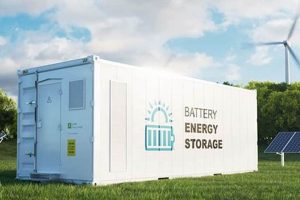
Battery storage solutions play a crucial role in maximizing the effectiveness and realizing the full potential of residential renewable energy systems. Intermittent renewable energy sources, such as solar and wind power, generate electricity only when sunlight or wind is available. Battery storage addresses this intermittency by storing excess energy generated during peak production periods for later use when generation is low or nonexistent. This capability enhances energy independence, reduces reliance on the grid, and improves the overall reliability of renewable energy systems. For instance, a home equipped with solar panels and battery storage can store excess solar energy generated during the day and utilize it in the evening, reducing or eliminating the need to draw power from the grid during peak demand periods.
The integration of battery storage with residential renewable energy systems offers several practical advantages. It enables homeowners to maximize self-consumption of generated renewable energy, reducing reliance on grid-supplied electricity and lowering electricity bills. Battery storage can also provide backup power during grid outages, enhancing energy security and resilience. Furthermore, advanced battery systems can participate in demand response programs, providing grid services and potentially generating additional revenue streams for homeowners. A homeowner with a battery system could participate in a utility program that incentivizes reducing electricity consumption during peak demand periods, contributing to grid stability and earning financial benefits.
Continued advancements in battery technology, including improved energy density, longer lifespan, and reduced costs, are further driving the adoption of battery storage in residential settings. While challenges remain, such as upfront costs and the need for effective battery management systems, the integration of battery storage with residential renewable energy systems represents a significant step towards a more sustainable, resilient, and decentralized energy future. This shift empowers homeowners to take greater control of their energy production and consumption, contributing to a cleaner and more reliable energy landscape.
Frequently Asked Questions about Home-Based Sustainable Power
This section addresses common inquiries regarding the integration of sustainable energy solutions within residential settings.
Question 1: What is the typical return on investment for residential renewable energy systems?
The return on investment varies depending on factors such as system type, local energy costs, available incentives, and geographic location. Generally, systems offer attractive long-term financial benefits through reduced energy bills and potential revenue generation.
Question 2: How much maintenance do sustainable energy systems require?
Maintenance requirements vary by technology. Solar photovoltaic systems typically require minimal maintenance, such as occasional cleaning. Other systems, like geothermal heat pumps, may require more periodic inspections and servicing. Preventive maintenance ensures optimal performance and longevity.
Question 3: Do sustainable energy systems increase property value?
Studies suggest that homes equipped with sustainable energy systems can experience increased property values. The perceived value of lower energy costs and environmental responsibility often translates into higher market valuations.
Question 4: What are the environmental benefits of adopting home-based sustainable power?
Significant environmental benefits result from reduced reliance on fossil fuels. Lower greenhouse gas emissions, improved air quality, and decreased dependence on finite resources contribute to a more sustainable energy landscape. The decentralized nature of these systems reduces transmission losses associated with centralized power generation.
Question 5: Are sustainable energy systems suitable for all types of homes?
Suitability depends on factors such as available space, roof orientation, local climate conditions, and energy consumption patterns. A professional assessment can determine the feasibility and optimal system configuration for a specific residence.
Question 6: How can one get started with exploring sustainable energy options for their home?
Consulting with qualified renewable energy installers and conducting a thorough energy audit are crucial first steps. Researching available incentives and exploring local regulations also contributes to informed decision-making.
Implementing sustainable energy solutions empowers homeowners to contribute to a cleaner energy future while potentially realizing significant long-term economic and environmental benefits. Carefully evaluating individual circumstances and available options ensures successful integration of these technologies within the residential sector.
Further exploration of specific technologies and their applications within the context of residential energy management follows.
Residential Renewable Energy
Decentralized, clean power generation offers a compelling pathway toward a more sustainable energy future. This exploration has examined various technologies, including solar photovoltaic systems, small wind turbines, geothermal systems, solar thermal collectors, and battery storage solutions, highlighting their potential to reduce reliance on conventional fossil fuels, lower greenhouse gas emissions, and enhance energy independence at the household level. The economic and environmental benefits of adopting these technologies, coupled with ongoing technological advancements and supportive policies, are driving wider adoption and transforming the residential energy landscape.
The transition toward widespread implementation of sustainable power generation represents a significant opportunity to mitigate the impacts of climate change and create a more resilient and equitable energy system. Empowering homeowners to actively participate in this transformation through informed decision-making and the adoption of appropriate technologies is essential for realizing a future powered by clean, sustainable energy. Continued innovation, supportive policies, and increased public awareness are crucial for accelerating this transition and securing a sustainable energy future for generations to come.