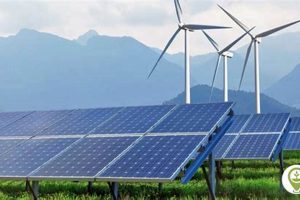
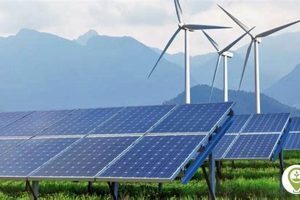
The expense associated with implementing and maintaining power generation systems utilizing resources like solar, wind, hydro, geothermal, and biomass varies significantly depending on several factors. These factors include technology type, project size, geographic location, resource availability, and government policies. For example, large-scale solar farms often have lower per-unit costs than smaller residential rooftop installations, while onshore wind power tends to be more economical than offshore wind.
Understanding the financial implications of transitioning to sustainable power sources is critical for informed decision-making by governments, businesses, and individuals. Historically, renewable energy technologies were often more expensive than conventional fossil fuel-based generation. However, technological advancements, economies of scale, and supportive policies have driven down costs substantially in recent years, making them increasingly competitive. This shift has significant implications for energy security, environmental sustainability, and economic development.
This exploration will delve deeper into the specific cost components of various renewable energy technologies, analyze the factors influencing price fluctuations, and examine the potential for future cost reductions. Furthermore, it will consider the broader economic and societal benefits associated with investing in a cleaner energy future.
Tips for Evaluating Renewable Energy Expenses
Careful consideration of various factors is essential when assessing the financial implications of renewable energy projects.
Tip 1: Consider Long-Term Costs: Evaluate not only the initial investment but also ongoing operational and maintenance expenses, including potential replacement costs over the system’s lifespan. A comprehensive lifecycle cost analysis provides a more accurate picture of the true financial commitment.
Tip 2: Factor in Geographic Location: Resource availability significantly impacts project viability and cost-effectiveness. Solar power is more suitable in regions with abundant sunlight, while wind power requires consistent wind resources.
Tip 3: Research Available Incentives: Many governments offer financial incentives, such as tax credits, rebates, and grants, to encourage renewable energy adoption. Understanding these programs can significantly reduce upfront and long-term costs.
Tip 4: Compare Different Technologies: Each renewable energy technology has unique cost characteristics. Comparing options like solar photovoltaics, wind turbines, and geothermal systems allows for informed decisions based on specific project needs and resource availability.
Tip 5: Evaluate Project Scale: Economies of scale often apply to renewable energy projects. Larger installations may benefit from lower per-unit costs compared to smaller-scale deployments.
Tip 6: Assess Grid Connection Costs: Connecting a renewable energy system to the existing electricity grid can incur significant expenses. Understanding these connection costs is crucial for accurate budget planning.
Tip 7: Seek Expert Advice: Consulting with experienced renewable energy professionals can provide valuable insights into project feasibility, cost optimization, and technology selection.
By carefully considering these factors, one can gain a more complete understanding of the financial implications associated with renewable energy projects and make informed decisions that align with budgetary constraints and long-term sustainability goals.
This analysis of cost considerations provides a foundation for understanding the broader economic and environmental benefits of transitioning to renewable energy sources, which will be explored further in the concluding sections.
1. Capital Costs

Capital costs represent a significant portion of the overall expense associated with renewable energy projects. Understanding these upfront investments is crucial for accurately assessing the financial viability and long-term cost-effectiveness of transitioning to sustainable power sources.
- Equipment Purchase and Installation:
This facet encompasses the acquisition and installation of key components, such as solar panels, wind turbines, or hydroelectric generators. For example, the cost of solar panels can vary depending on their efficiency, size, and manufacturer. Installation expenses include labor, mounting hardware, and electrical wiring. These costs contribute significantly to the initial investment required for renewable energy projects.
- Balance of System Components:
Beyond the primary generating equipment, balance of system (BOS) components are essential for a functioning renewable energy system. These include inverters, transformers, switchgear, and cabling. For a solar photovoltaic system, the BOS costs can represent a substantial portion of the total capital expenditure, often comprising 20-30% of the project cost. These components play a critical role in converting and transmitting the generated electricity.
- Land Acquisition and Site Preparation:
Securing suitable land and preparing the site for construction represent another significant capital cost. For large-scale solar or wind farms, substantial land areas are required, and the cost of acquiring these lands can vary significantly depending on location and land use regulations. Site preparation activities, such as grading, clearing vegetation, and building access roads, further contribute to these upfront expenses.
- Permitting and Interconnection:
Obtaining necessary permits and approvals from regulatory agencies can involve significant time and expense. Interconnecting the renewable energy system to the existing electricity grid also incurs costs, including equipment upgrades, transmission line construction, and grid connection fees. These costs, while often overlooked, contribute significantly to the overall capital outlay.
These capital cost components collectively influence the overall financial commitment required for renewable energy projects. While these upfront investments can be substantial, declining technology costs, government incentives, and long-term operational savings contribute to the increasing economic viability of renewable energy sources.
2. Operating Costs

Operating costs represent a crucial component of the overall expense associated with renewable energy systems. While often overshadowed by the substantial upfront capital costs, ongoing operational expenses significantly influence the long-term financial viability of renewable energy projects. A comprehensive understanding of these recurring costs is essential for accurate cost projections and informed decision-making.
Several factors contribute to the operating costs of renewable energy systems. These include scheduled maintenance, such as regular inspections and component replacements, and unscheduled repairs due to unforeseen equipment failures or extreme weather events. Operational expenses also encompass insurance premiums, land lease payments (if applicable), and monitoring and control system costs. For example, wind turbines require periodic lubrication and blade inspections, while solar photovoltaic systems may necessitate inverter replacements after several years of operation. The magnitude of these operating costs varies depending on the technology, project scale, and geographic location. Generally, renewable energy technologies exhibit lower operating costs compared to conventional fossil fuel-based power plants, primarily due to the absence of fuel costs.
Minimizing operating costs is essential for maximizing the economic benefits of renewable energy investments. Strategies for optimizing operational efficiency include implementing preventative maintenance programs, utilizing advanced monitoring and control technologies, and negotiating favorable long-term service agreements. Accurate forecasting of operating costs, coupled with effective cost management strategies, enhances the financial attractiveness and overall cost-competitiveness of renewable energy projects. This understanding enables stakeholders to make informed decisions about technology selection, project sizing, and financing options, ultimately contributing to the wider adoption of sustainable energy solutions.
3. Maintenance Costs

Maintenance costs represent a critical factor influencing the overall expense of renewable energy systems. These costs, while recurring, are often less predictable than capital costs and can significantly impact the long-term financial viability of a project. A thorough understanding of potential maintenance requirements and associated expenses is essential for accurate lifecycle cost assessments and informed investment decisions. The frequency and complexity of maintenance vary significantly across different renewable energy technologies. For instance, wind turbines require regular inspections of gearboxes, blades, and other mechanical components, while solar photovoltaic systems necessitate periodic cleaning of panels and occasional inverter replacements.
Several factors influence the magnitude of maintenance costs. Environmental conditions, such as extreme temperatures, high winds, or corrosive saltwater environments, can accelerate wear and tear on equipment, increasing maintenance frequency and expenses. The quality of components and the initial installation workmanship also play a crucial role in determining long-term maintenance requirements. Well-designed and properly installed systems generally require less frequent and less costly maintenance. Furthermore, the accessibility of the site and the availability of qualified maintenance personnel can affect the cost and efficiency of maintenance operations. Remote locations or specialized maintenance requirements can increase travel time and labor costs.
Effective maintenance strategies are essential for minimizing downtime and maximizing the operational lifespan of renewable energy assets. Preventative maintenance programs, which involve regular inspections, component replacements, and performance monitoring, can help identify and address potential issues before they escalate into costly repairs. Remote monitoring and diagnostic tools enable early detection of performance anomalies, allowing for timely intervention and optimized maintenance scheduling. Investing in high-quality components and ensuring proper installation practices can reduce long-term maintenance burdens. Ultimately, a comprehensive understanding of maintenance costs and the implementation of effective maintenance strategies are crucial for ensuring the long-term economic viability and sustainable operation of renewable energy projects.
4. Fuel Costs

Fuel costs represent a critical distinction between renewable and conventional energy sources, significantly impacting the overall cost of energy generation. Conventional power plants rely on the combustion of fossil fuels, such as coal, natural gas, or oil, which constitute a substantial and recurring expense. These fuel costs are subject to market volatility, geopolitical influences, and supply chain disruptions, introducing price uncertainty and potentially impacting the affordability of electricity generated from these sources. In contrast, renewable energy technologies, such as solar, wind, and hydro, harness naturally replenishing resources, effectively eliminating fuel costs as an operational expense. This inherent advantage contributes significantly to the long-term cost stability and predictability of renewable energy generation. For instance, a solar photovoltaic system, once installed, generates electricity without requiring ongoing fuel purchases, unlike a natural gas power plant that necessitates continuous fuel procurement.
The absence of fuel costs for renewable energy technologies offers several economic benefits. It insulates electricity prices from fluctuating fuel markets, providing greater price stability for consumers and businesses. This predictability enhances long-term financial planning and reduces exposure to volatile energy markets. Furthermore, the elimination of fuel expenses reduces the operating costs of renewable energy systems, making them increasingly competitive with conventional generation sources. This cost advantage is particularly pronounced in regions with limited access to affordable fossil fuels or where fuel transportation costs are substantial. For example, island nations or remote communities often rely on expensive imported diesel fuel for power generation, making renewable energy a cost-effective alternative.
The decoupling of electricity generation from fuel costs represents a significant advantage for renewable energy technologies. This characteristic contributes to long-term cost stability, enhances price predictability, and reduces operational expenses. As renewable energy technologies continue to mature and achieve cost parity with conventional generation, the absence of fuel costs becomes an increasingly compelling factor driving the global transition towards a sustainable energy future. This shift has profound implications for energy security, economic development, and environmental sustainability.
5. Transmission Costs
Transmission costs represent a significant component within the overall expense of renewable energy integration. These costs encompass the infrastructure required to deliver electricity generated from renewable sources, often located in remote areas, to population centers where demand exists. A key factor influencing transmission costs is the distance between generation and consumption points. Renewable resources like large-scale solar farms or wind projects are frequently situated far from urban areas, necessitating extensive transmission line construction to connect them to the existing grid. This distance-dependent cost can significantly impact the overall economic viability of renewable energy projects, particularly in sparsely populated regions or areas with challenging terrain.
Integrating renewable energy into the existing grid often requires substantial upgrades to accommodate the intermittent nature of these resources. Solar and wind power generation fluctuates depending on weather conditions, requiring grid operators to invest in advanced technologies, such as smart grids and energy storage systems, to maintain grid stability and reliability. These grid modernization efforts contribute significantly to transmission costs and necessitate careful planning and coordination between renewable energy developers and grid operators. For example, integrating a large offshore wind farm may require upgrading onshore substations and transmission lines to handle the influx of variable power generation. Similarly, connecting remote solar farms to the grid can necessitate the construction of new high-voltage transmission lines across long distances.
Understanding transmission costs is crucial for accurately assessing the overall cost-competitiveness of renewable energy. These costs can vary significantly depending on geographic factors, grid infrastructure requirements, and policy landscapes. Accurately accounting for transmission expenses enables informed decision-making regarding project siting, technology selection, and grid integration strategies. Furthermore, optimizing transmission infrastructure planning and investing in grid modernization efforts can minimize costs and facilitate the efficient integration of renewable energy resources into the electricity system. This understanding is essential for achieving a cost-effective and sustainable energy transition.
6. Government Incentives

Government incentives play a crucial role in influencing the overall cost of renewable energy adoption. These incentives aim to stimulate investment in renewable energy technologies by reducing upfront costs, mitigating financial risks, and accelerating the transition to a sustainable energy future. Understanding the various types of government incentives and their impact on project economics is essential for both developers and consumers considering renewable energy investments.
- Investment Tax Credits (ITCs):
ITCs offer a direct reduction in tax liability for eligible renewable energy projects. For example, in the United States, the federal Investment Tax Credit provides a significant percentage reduction in the tax burden for investments in solar, wind, and other qualifying renewable energy technologies. This incentive effectively lowers the upfront cost of these projects, making them more financially attractive to investors. The availability and specific terms of ITCs can vary depending on the technology, project size, and location.
- Production Tax Credits (PTCs):
PTCs provide a per-unit tax credit for the electricity generated from renewable energy sources over a specified period. This incentivizes the production of renewable energy by offering a financial reward based on operational output. For example, wind energy projects can receive a PTC for each kilowatt-hour of electricity generated. These credits provide a predictable revenue stream, enhancing project bankability and attracting investment. Like ITCs, PTCs are subject to specific eligibility criteria and may vary depending on the technology and policy landscape.
- Rebates and Grants:
Rebates and grants provide direct financial assistance for renewable energy installations, reducing upfront costs for consumers and businesses. Rebates typically offer a fixed amount or percentage reduction in the purchase price of renewable energy equipment, such as solar panels or wind turbines. Grants provide funding for specific renewable energy projects, often targeting research, development, or demonstration initiatives. These incentives can significantly lower the initial investment required for renewable energy adoption, accelerating market penetration and driving down costs over time.
- Renewable Portfolio Standards (RPS):
RPS policies mandate that a certain percentage of electricity generation within a specific jurisdiction must come from renewable sources. These regulations create a market demand for renewable energy, stimulating investment and driving innovation in the sector. RPS policies can vary significantly in their stringency and implementation mechanisms. Some RPS programs include tradable renewable energy credits (RECs), which allow utilities to comply with their obligations by purchasing RECs from renewable energy generators. These market-based mechanisms can enhance the cost-effectiveness of RPS implementation and provide additional revenue streams for renewable energy projects.
These government incentives, while diverse in their implementation, collectively contribute to reducing the cost of renewable energy and accelerating its adoption. By lowering upfront costs, providing predictable revenue streams, and stimulating market demand, these policies incentivize investment in renewable energy technologies, driving innovation and contributing to a more sustainable energy future. The specific combination and design of these incentives significantly influence the overall cost-competitiveness of renewable energy and play a crucial role in shaping the energy landscape.
Frequently Asked Questions about Renewable Energy Costs
This section addresses common inquiries regarding the financial aspects of renewable energy, providing clear and concise responses to facilitate informed decision-making.
Question 1: How do the upfront costs of renewable energy compare to traditional fossil fuel-based systems?
Renewable energy technologies often entail higher initial capital expenditures compared to conventional systems. However, decreasing technology costs and government incentives are rapidly narrowing this gap.
Question 2: What factors influence the long-term operational costs of renewable energy systems?
Maintenance requirements, insurance premiums, and potential component replacements contribute to long-term operational expenses. These costs are typically lower than those associated with fossil fuel-based systems due to the absence of fuel purchases and reduced emissions control requirements.
Question 3: How do government incentives impact the overall cost of renewable energy?
Incentives such as tax credits, rebates, and grants can significantly reduce the net cost of renewable energy systems, making them more financially attractive to consumers and businesses.
Question 4: Are there financing options available to offset the upfront costs of renewable energy installations?
Various financing mechanisms, including loans, leases, and power purchase agreements (PPAs), enable individuals and organizations to adopt renewable energy technologies without substantial upfront capital outlay.
Question 5: How does the cost of renewable energy vary across different technologies and geographic locations?
Resource availability, local market conditions, and policy landscapes influence the cost of renewable energy technologies. Solar energy may be more cost-effective in sun-rich regions, while wind power is advantageous in areas with consistent wind resources.
Question 6: What is the expected payback period for a renewable energy investment?
The payback period, representing the time required for energy cost savings to offset the initial investment, varies depending on factors such as energy prices, system size, and available incentives. Declining technology costs and rising energy prices are generally shortening payback periods for renewable energy investments.
Careful consideration of these frequently asked questions provides a deeper understanding of the financial aspects of renewable energy adoption. Evaluating both upfront and long-term costs, along with available incentives and financing options, enables informed decisions that align with individual circumstances and organizational goals.
This FAQ section provides a foundation for understanding the broader economic and environmental benefits associated with the transition to renewable energy, which will be explored in the following sections.
Conclusion
The financial implications of adopting renewable energy technologies represent a complex interplay of factors. Capital costs, operating expenses, maintenance requirements, transmission infrastructure investments, and the availability of government incentives collectively influence the overall cost-competitiveness of renewable energy sources. While upfront costs can be substantial, declining technology prices, coupled with supportive policies and the absence of fuel expenses, are driving down the long-term cost of renewable energy generation. Furthermore, considerations such as geographic location, resource availability, and project scale play a crucial role in determining the economic viability of specific renewable energy projects. A comprehensive understanding of these factors is essential for informed decision-making by individuals, businesses, and policymakers.
The transition to a sustainable energy future requires careful evaluation of not only the costs but also the broader economic and societal benefits associated with renewable energy adoption. Reduced reliance on volatile fossil fuel markets, enhanced energy security, job creation in the renewable energy sector, and mitigation of climate change represent compelling arguments for continued investment in and deployment of renewable energy technologies. As technology advancements continue and economies of scale are realized, renewable energy is poised to become an increasingly cost-effective and essential component of the global energy mix. This transition represents a significant opportunity to build a more sustainable, resilient, and prosperous future.