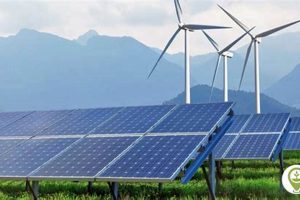
Power purchase agreements (PPAs) in the renewable energy sector facilitate the development and deployment of clean power generation. These agreements involve a developer building and operating a renewable energy facility, such as a solar or wind farm, and selling the generated electricity to a buyer (often a utility or corporation) at a predetermined price over a fixed period. This provides price stability for both the buyer and the seller, enabling long-term investment in clean energy infrastructure.
These agreements play a critical role in mitigating climate change by enabling the growth of carbon-free electricity generation. They offer buyers a stable, long-term supply of clean energy at a predictable price, hedging against volatile fossil fuel markets. For developers, PPAs provide the financial security necessary to secure financing and construct new projects. The increasing prevalence of these agreements underscores the growing demand for sustainable energy solutions and the shift toward a decarbonized energy future.
This exploration of PPAs in the renewable energy sector will delve into the intricacies of contract structures, the various stakeholders involved, and the impact of these agreements on the broader energy landscape. Further discussion will cover market trends, regulatory frameworks, and future prospects for power purchase agreements as drivers of a sustainable energy transition.
Tips for Utilizing Power Purchase Agreements for Renewable Energy
Successfully navigating the complexities of power purchase agreements (PPAs) requires careful consideration of various factors. The following tips offer guidance for organizations seeking to procure renewable energy through these agreements.
Tip 1: Clearly Define Energy Needs: Thoroughly assess current and projected energy consumption to determine the appropriate scale for a PPA. This includes analyzing historical energy usage data, accounting for future growth projections, and evaluating potential efficiency improvements.
Tip 2: Understand PPA Structures: Familiarize stakeholders with the different PPA structures available, including physical and virtual PPAs. Each structure presents distinct advantages and disadvantages related to energy delivery, risk allocation, and accounting treatment.
Tip 3: Evaluate Counterparty Risk: Assess the financial stability and creditworthiness of the PPA provider to mitigate the risk of default. Due diligence should involve reviewing the provider’s financial statements, project history, and credit rating.
Tip 4: Negotiate Key Contract Terms: Pay close attention to key contract provisions, including pricing mechanisms, contract duration, and termination clauses. Seek expert legal counsel to ensure favorable terms and minimize potential risks.
Tip 5: Consider Additionality: Prioritize PPAs that support the development of new renewable energy projects. This ensures that the agreement directly contributes to increasing clean energy capacity and maximizing environmental benefits.
Tip 6: Explore Aggregation Opportunities: Smaller organizations can benefit from joining forces to negotiate PPAs collectively. Aggregation increases purchasing power and can lead to more favorable contract terms.
Tip 7: Monitor Market Trends: Stay informed about evolving market dynamics, policy changes, and technological advancements in the renewable energy sector. This knowledge enables informed decision-making and allows organizations to capitalize on emerging opportunities.
By implementing these strategies, organizations can effectively leverage power purchase agreements to secure cost-effective, sustainable energy solutions and contribute to a cleaner energy future.
This understanding of PPAs equips organizations with the necessary tools to navigate the renewable energy market and contribute to a more sustainable future. The following conclusion will summarize the key takeaways and emphasize the importance of PPAs in driving the transition to clean energy.
1. Long-term Price Stability

Long-term price stability is a crucial aspect of power purchase agreements (PPAs) within the renewable energy sector. It provides financial predictability for both buyers and sellers, facilitating investment and growth in clean energy infrastructure. This stability is achieved through fixed or predictable pricing mechanisms within the PPA, shielding participants from the volatility often associated with traditional fossil fuel markets.
- Budget Certainty for Buyers
PPAs offer buyers a fixed or predictable price per kilowatt-hour (kWh) of electricity over the contract term, typically ranging from 10 to 25 years. This allows organizations to accurately forecast energy costs, simplifying budgeting and financial planning. For example, a manufacturing company can confidently project its energy expenses over the long term, enabling more effective resource allocation.
- Investment Security for Developers
The guaranteed revenue stream provided by a PPA reduces the financial risks associated with developing and operating renewable energy projects. This predictability attracts investors and lenders, facilitating access to capital for project financing. For instance, a solar farm developer can secure financing more easily with a signed PPA, as it demonstrates a reliable revenue stream to repay loans.
- Hedging Against Price Volatility
PPAs act as a hedge against fluctuating fossil fuel prices. As traditional energy markets experience price swings, the fixed price of a PPA provides stability and protects buyers from unexpected cost increases. This is particularly valuable during periods of market uncertainty or geopolitical instability.
- Enabling Long-Term Planning
The long-term nature of PPAs enables both buyers and sellers to engage in long-term strategic planning. Buyers can align their renewable energy procurement with their sustainability goals, while developers can make informed investment decisions based on predictable revenue streams. This predictable timeframe fosters sustainable growth and development within the renewable energy sector.
The long-term price stability offered by PPAs is a fundamental driver of growth in the renewable energy market. By providing financial predictability and mitigating risks, these agreements empower organizations to transition to cleaner energy sources while maintaining budgetary control and supporting sustainable investment.
2. Risk Mitigation

Risk mitigation is a critical component of power purchase agreements (PPAs) for renewable energy. These agreements inherently involve long-term commitments and financial investments, necessitating careful consideration of potential risks. Effective risk mitigation strategies are essential for ensuring the success and viability of renewable energy projects procured through PPAs. Several key risks are addressed through well-structured PPAs.
Counterparty Risk: This involves the risk of one party failing to fulfill its contractual obligations. For buyers, this could mean the developer failing to deliver the promised energy. For developers, it could be the buyer defaulting on payments. PPAs mitigate this risk through creditworthiness assessments, performance guarantees, and clearly defined default remedies. For example, a PPA might stipulate penalties for non-performance or require the posting of letters of credit.
Price Volatility Risk: While PPAs offer price stability over the long term, variations in energy market prices can still impact project profitability. Strategies like indexed pricing mechanisms or hedging instruments can be incorporated into PPAs to mitigate this risk. For instance, linking the PPA price to a recognized market index can help ensure fair pricing over time.
Regulatory Risk: Changes in government policies, regulations, or incentives can significantly affect the economics of renewable energy projects. PPAs can address this by including clauses that allocate responsibility for regulatory changes or provide mechanisms for renegotiation in case of significant policy shifts. This ensures that both parties share the burden of unforeseen regulatory changes.
Operational Risk: Unexpected technical issues, equipment failures, or natural disasters can disrupt energy production. PPAs can mitigate this risk by requiring performance guarantees, insurance coverage, and robust maintenance plans. These provisions ensure that the project remains operational and continues delivering the agreed-upon energy output.
Careful attention to risk mitigation is fundamental for successful renewable energy procurement through PPAs. By addressing potential risks proactively, these agreements foster confidence among investors, developers, and buyers, contributing to the continued growth and stability of the renewable energy market.
3. Clean Energy Access

Clean energy access is intrinsically linked to power purchase agreements (PPAs) for renewable energy. PPAs serve as a crucial mechanism for expanding access to clean energy sources, particularly in regions with limited infrastructure or high energy costs. By enabling the development and financing of new renewable energy projects, PPAs facilitate the deployment of clean energy technologies, reducing reliance on fossil fuels and promoting a transition to a more sustainable energy system. This connection is particularly significant in developing economies, where PPAs can play a transformative role in providing access to reliable and affordable clean electricity. For example, a PPA might enable a remote community to access solar power for the first time, replacing diesel generators and reducing both pollution and energy costs. Similarly, in developed markets, PPAs can help corporations and institutions achieve their sustainability targets by providing a pathway to procure clean energy directly from renewable energy projects. A multinational corporation might enter a PPA to power its data centers with wind energy, demonstrating its commitment to reducing its carbon footprint and contributing to global climate goals.
The impact of PPAs on clean energy access extends beyond simply increasing the availability of clean electricity. By creating a stable market for renewable energy, PPAs attract investment, stimulate technological innovation, and drive down costs. This creates a positive feedback loop, further accelerating the adoption of clean energy solutions. Furthermore, PPAs can promote local economic development by creating jobs in the renewable energy sector and generating revenue for communities hosting renewable energy projects. For example, the construction and operation of a wind farm under a PPA can create jobs for local residents and provide a new source of tax revenue for the surrounding area. However, challenges remain, such as ensuring equitable distribution of benefits and addressing potential environmental impacts associated with renewable energy projects. Navigating these challenges effectively requires careful planning, community engagement, and robust regulatory frameworks.
Clean energy access is not merely a byproduct of PPAs but a central objective. PPAs contribute significantly to achieving global sustainable development goals by enabling wider access to clean, reliable, and affordable energy. The practical significance of understanding this connection lies in recognizing the potential of PPAs to drive a just and equitable energy transition, benefiting both the environment and communities worldwide. Addressing the remaining challenges through collaborative efforts and innovative solutions is crucial for maximizing the positive impact of PPAs and ensuring a sustainable energy future for all.
4. Project Financing

Project financing plays a crucial role in the development and deployment of renewable energy projects facilitated by Power Purchase Agreements (PPAs). The inherent characteristics of renewable energy projects, such as high upfront capital costs and long operational lifespans, necessitate specialized financing structures. Project finance provides a framework for securing the substantial investments required to bring these projects to fruition, leveraging the predictable revenue stream generated by the PPA as the primary source of repayment.
- Non-Recourse or Limited Recourse Debt
Project financing often relies on non-recourse or limited recourse debt, where the lender’s recourse is primarily limited to the project’s assets and cash flows. This structure minimizes the financial risk for the project sponsors, making it more attractive for investors. For example, in a wind farm project financed through non-recourse debt, the lender’s primary security would be the wind turbines, land, and the revenue generated from the PPA. This insulation from broader corporate liabilities incentivizes investment in renewable energy projects.
- Role of Power Purchase Agreements (PPAs)
The PPA underpins the financial viability of a renewable energy project by providing a long-term, predictable revenue stream. This contractual commitment to purchase electricity at a predetermined price assures lenders of the project’s ability to generate revenue and repay debt obligations. The bankability of a PPA is a critical factor in securing project financing. A strong PPA with a creditworthy offtaker significantly reduces the perceived risk of the project, facilitating access to more favorable financing terms.
- Special Purpose Vehicles (SPVs)
Renewable energy projects are typically structured through Special Purpose Vehicles (SPVs), legally separate entities created solely for the purpose of developing and operating the project. This isolates the project’s financial risks and liabilities from the parent company, further enhancing the attractiveness of the investment for lenders and investors. This separation also streamlines the financing process and simplifies accounting and tax considerations.
- Due Diligence and Risk Assessment
Lenders undertake extensive due diligence and risk assessments before providing project financing. This includes evaluating the technical feasibility of the project, the strength of the PPA, the creditworthiness of the offtaker, and the regulatory environment. Thorough due diligence mitigates potential risks and ensures the long-term viability of the project. Independent engineering reviews, resource assessments, and market analyses are crucial components of this process.
The availability of project financing is inextricably linked to the growth of the renewable energy sector. By mitigating risks and providing access to capital, project finance, underpinned by robust PPAs, enables the development of large-scale renewable energy projects that contribute to a sustainable energy transition. The interconnectedness of these elements underscores the importance of well-structured PPAs and comprehensive due diligence in driving the expansion of clean energy capacity.
5. Sustainability Goals
Sustainability goals, increasingly central to corporate strategies, are intrinsically linked to the adoption of renewable energy through Power Purchase Agreements (PPAs). These agreements provide a direct pathway for organizations to reduce their carbon footprint and contribute to broader environmental objectives. The alignment between PPAs and sustainability goals is crucial for driving the transition to a cleaner energy future and fostering responsible corporate citizenship.
- Emissions Reduction Targets
Many organizations set specific targets for reducing greenhouse gas emissions. PPAs directly contribute to these targets by replacing fossil fuel-based electricity with clean, renewable energy. A company aiming to reduce its Scope 2 emissions (those associated with purchased electricity) can utilize a PPA to procure renewable energy, thereby demonstrably lowering its carbon footprint. For example, a retailer committing to a 50% emissions reduction might achieve a significant portion of this goal through a wind energy PPA.
- Renewable Energy Portfolio Standards (RPS)
Several jurisdictions have implemented Renewable Portfolio Standards (RPS), mandating that a certain percentage of electricity consumption comes from renewable sources. PPAs provide a mechanism for organizations to comply with these regulations and contribute to regional or national renewable energy targets. A utility obligated to source 30% of its electricity from renewables might utilize PPAs to contract with solar or wind developers, ensuring compliance with the RPS and contributing to the state’s renewable energy goals.
- Environmental, Social, and Governance (ESG) Performance
ESG factors are increasingly important for investors and stakeholders evaluating corporate performance. Procuring renewable energy through PPAs demonstrates a commitment to environmental stewardship, enhancing an organization’s ESG profile and attracting socially responsible investors. A technology company seeking to improve its ESG rating might highlight its renewable energy procurement through PPAs in its sustainability reports, demonstrating its commitment to environmental responsibility and attracting investors focused on sustainable practices.
- Long-Term Cost Savings
While sustainability is a primary driver, PPAs can also contribute to long-term cost savings. The fixed price of renewable energy under a PPA can provide a hedge against volatile fossil fuel prices, offering budgetary certainty and potentially reducing energy costs over the long term. This economic benefit further strengthens the business case for aligning sustainability goals with renewable energy procurement through PPAs. A manufacturing company concerned about fluctuating energy prices might utilize a PPA to lock in a fixed price for solar energy, protecting itself from future price increases and ensuring long-term cost stability.
The integration of PPAs into corporate sustainability strategies is essential for achieving ambitious emissions reduction targets and fostering a more sustainable future. These agreements provide a tangible mechanism for organizations to demonstrate their commitment to environmental responsibility, enhance their ESG performance, and contribute to a cleaner energy landscape. By aligning sustainability goals with renewable energy procurement, organizations can drive positive change while simultaneously achieving long-term economic benefits.
Frequently Asked Questions about Power Purchase Agreements for Renewable Energy
This FAQ section addresses common inquiries regarding power purchase agreements (PPAs) for renewable energy procurement.
Question 1: What is the typical duration of a renewable energy PPA?
PPA contract lengths typically range from 10 to 25 years, providing long-term price stability and enabling project financing.
Question 2: What are the different types of renewable energy PPAs available?
Common PPA structures include physical PPAs, where the buyer receives the physical delivery of electricity generated by the project, and virtual PPAs, which are financial contracts that do not involve the physical delivery of power.
Question 3: How are PPA prices determined?
PPA prices are typically based on a fixed price per kilowatt-hour (kWh) or a price indexed to a market benchmark. Factors influencing the price include project costs, financing terms, and market conditions.
Question 4: What are the key risks associated with PPAs, and how are they mitigated?
Key risks include counterparty risk, price volatility risk, regulatory risk, and operational risk. Mitigation strategies include creditworthiness assessments, performance guarantees, hedging instruments, and robust contract provisions.
Question 5: What are the benefits of using a PPA for renewable energy procurement?
Benefits include long-term price stability, reduced carbon footprint, compliance with renewable energy targets, enhanced ESG performance, and potential cost savings.
Question 6: What is the role of additionality in renewable energy PPAs?
Additionality refers to the concept that the PPA should directly support the development of new renewable energy projects, ensuring that the agreement contributes to increasing overall clean energy capacity.
Understanding these key aspects of PPAs is crucial for informed decision-making regarding renewable energy procurement.
The following section delves further into specific case studies and practical examples of successful PPA implementations across various industries.
Power Purchase Agreements
This exploration of power purchase agreements (PPAs) has highlighted their crucial role in facilitating the growth and development of the renewable energy sector. From providing long-term price stability and mitigating risks to enabling project financing and supporting corporate sustainability goals, PPAs serve as a vital mechanism for driving the transition to a cleaner energy future. The various PPA structures, key contract terms, and risk mitigation strategies discussed underscore the complexities and considerations involved in successfully implementing these agreements. The importance of understanding market trends, regulatory frameworks, and the role of additionality in maximizing the environmental and economic benefits of PPAs has also been emphasized.
The continued expansion of renewable energy capacity hinges on the effective utilization of PPAs. As the global demand for clean energy intensifies, PPAs will remain a critical tool for organizations seeking to procure sustainable energy solutions, contribute to emissions reduction targets, and foster a more resilient and environmentally responsible energy landscape. The future of energy lies in embracing innovative solutions like PPAs to accelerate the transition towards a decarbonized world and ensure a sustainable energy future for generations to come.