Capitalizing on the growing renewable energy sector involves allocating resources to projects like solar farms, wind turbine installations, biomass power plants, geothermal facilities, and hydropower systems. For example, funding the development of a large-scale solar project in a sun-rich region represents a specific avenue for engaging with this dynamic market. Investing can take numerous forms, including direct project financing, purchasing stock in publicly traded renewable energy companies, or participating in specialized investment funds.
The increasing global demand for clean energy sources presents a compelling rationale for such ventures. These investments contribute to mitigating climate change by reducing reliance on fossil fuels, fostering energy independence, and creating economic opportunities through new industries and jobs. Historically, renewable energy investments have often been policy-driven, supported by government subsidies and incentives. However, as technology advances and costs decline, the market is becoming increasingly driven by private sector investment, signaling a shift towards greater market maturity and long-term sustainability.
The following sections will delve deeper into specific areas within the renewable energy investment landscape, exploring various technologies, market trends, potential risks and returns, and the evolving regulatory environment.
Careful consideration of several key factors is essential for successful engagement with the renewable energy investment landscape.
Tip 1: Diversify across Technologies and Geographic Locations: Diversification mitigates risks associated with specific technologies or regional market fluctuations. A portfolio encompassing solar, wind, and other renewable energy sources across different geographic areas can provide greater stability.
Tip 2: Conduct Thorough Due Diligence: Rigorous research is critical before committing capital. This includes assessing the financial viability of projects, evaluating the track record of developers and operators, and understanding the regulatory environment.
Tip 3: Consider the Long-Term Perspective: Renewable energy investments are often long-term ventures with extended payback periods. Investors should align their investment horizons with the projected lifecycle of the assets.
Tip 4: Understand Policy and Regulatory Frameworks: Government policies and regulations play a significant role in the renewable energy sector. Staying informed about policy changes, incentives, and potential regulatory risks is crucial.
Tip 5: Evaluate Potential Risks and Returns: Like any investment, renewable energy projects carry inherent risks. A comprehensive risk assessment should be undertaken, balancing potential returns with the identified risks.
Tip 6: Seek Expert Advice: Navigating the complexities of renewable energy investments can benefit from professional guidance. Consulting with financial advisors, legal experts, and technical specialists can provide valuable insights and support.
Tip 7: Monitor Performance and Adapt Accordingly: Ongoing monitoring of investment performance is essential. Market conditions and technological advancements can necessitate adjustments to investment strategies over time.
By carefully considering these tips, investors can position themselves to capitalize on the opportunities presented by the evolving renewable energy sector while mitigating potential risks.
The insights provided here offer a foundation for informed decision-making in this dynamic and increasingly important area of investment.
1. Solar Projects

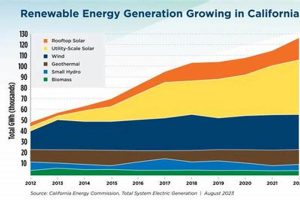
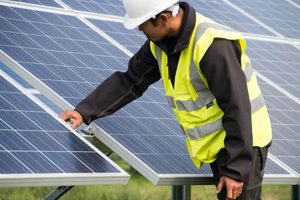
Solar projects represent a significant component of renewable energy investment, driven by declining costs, technological advancements, and increasing global demand for clean electricity. These projects encompass a wide range of scales and applications, from utility-scale solar farms generating hundreds of megawatts to distributed rooftop installations powering individual homes and businesses. The declining cost of photovoltaic (PV) panels has made solar energy increasingly competitive with traditional fossil fuel-based generation, attracting substantial investment from both public and private sectors. Furthermore, advancements in solar technology, including improved panel efficiency and energy storage solutions, enhance the reliability and viability of solar projects as long-term investments. The growing emphasis on environmental sustainability and reducing carbon emissions further strengthens the investment case for solar energy. For example, large-scale solar farms in desert regions with high solar irradiance offer substantial power generation potential, while rooftop solar installations provide distributed generation and grid resilience.
Investing in solar projects can take various forms, including direct investment in project development, acquisition of operating solar assets, or participation in specialized solar investment funds. Due diligence is crucial, encompassing factors such as site assessment, technology selection, permitting and regulatory compliance, power purchase agreements, and financial modeling. Analyzing the long-term performance and financial viability of solar projects requires considering factors like solar resource availability, system degradation, operational and maintenance costs, and electricity pricing. Real-world examples include the rapid growth of solar farms in regions like the southwestern United States, the increasing adoption of rooftop solar in residential and commercial sectors globally, and the emergence of innovative financing models for community solar projects. These examples demonstrate the practical application and growing significance of solar projects within the broader renewable energy investment landscape.
Solar projects offer a compelling investment opportunity within the renewable energy sector, contributing to a cleaner energy future while providing potential financial returns. However, challenges remain, including intermittency of solar power, grid integration issues, and land use considerations. Addressing these challenges through technological advancements, policy support, and innovative project design is critical for maximizing the potential of solar energy as a key driver of the global transition to sustainable energy systems.
2. Wind Farms

Wind farms represent a substantial and rapidly growing segment within renewable energy investment. Harnessing wind energy through large-scale turbine installations offers a proven and increasingly cost-competitive means of generating clean electricity. The global shift towards decarbonization and energy independence fuels continued expansion of wind power capacity, creating attractive investment opportunities.
- Onshore Wind Development
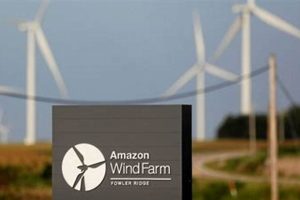
Onshore wind farms, located on land, represent the most established form of wind energy development. Technological advancements in turbine design and efficiency have significantly reduced the cost of onshore wind energy, making it competitive with, or even cheaper than, fossil fuel-based generation in many regions. Examples include large wind farms in the central United States, northern Europe, and parts of China. Investment opportunities in onshore wind encompass project development, turbine manufacturing, and operation and maintenance services. However, factors such as land availability, community acceptance, and potential environmental impacts require careful consideration.
- Offshore Wind Development
Offshore wind farms, situated in bodies of water, offer significant potential due to higher and more consistent wind speeds compared to onshore locations. While offshore wind projects typically involve higher upfront investment costs, the greater energy yield and reduced visual impact can make them attractive long-term investments. Examples include large offshore wind farms in the North Sea, the Baltic Sea, and emerging projects along the coastlines of the United States and Asia. Investment opportunities exist across various stages of offshore wind development, including site assessment, turbine installation, grid connection, and ongoing maintenance.
- Technological Advancements
Ongoing technological advancements in wind turbine technology, such as larger rotor diameters, improved blade designs, and advanced control systems, continue to enhance the efficiency and cost-effectiveness of wind energy generation. These advancements drive down the levelized cost of energy (LCOE) for wind power, making it an increasingly attractive investment proposition. Investment opportunities exist in research and development, manufacturing, and deployment of next-generation wind turbine technologies.
- Policy and Regulatory Landscape
Government policies and regulations play a critical role in shaping the wind energy investment landscape. Supportive policies, such as tax incentives, feed-in tariffs, and renewable portfolio standards, can incentivize investment in wind projects. Understanding the regulatory environment, including permitting processes and grid connection requirements, is essential for successful wind farm development. Changes in policy can significantly impact the financial viability of wind projects, highlighting the importance of careful policy analysis and risk assessment.
These facets of wind farm development highlight the diverse range of investment opportunities within this growing sector of the renewable energy market. From established onshore projects to emerging offshore technologies, wind energy offers a compelling combination of environmental benefits and potential financial returns. As global demand for clean energy continues to rise, wind farms are poised to play an increasingly prominent role in the future energy landscape, creating attractive investment opportunities for those seeking to participate in the transition to a sustainable energy future.
3. Hydropower
Hydropower represents a mature yet evolving sector within renewable energy investment. Leveraging the energy of moving water to generate electricity, hydropower offers a reliable and established technology with a significant global presence. However, balancing the benefits of clean energy generation with potential environmental and social impacts requires careful consideration for sustainable hydropower development and investment.
- Conventional Hydropower Plants
Large-scale hydropower projects, typically involving dams and reservoirs, provide a substantial portion of renewable electricity generation worldwide. Examples include the Three Gorges Dam in China and the Itaipu Dam in Brazil and Paraguay. These projects offer significant power generation capacity and grid stability but can have substantial environmental and social consequences, including habitat alteration, displacement of communities, and greenhouse gas emissions from reservoir decomposition. Investment opportunities in conventional hydropower often involve large-scale infrastructure projects requiring substantial capital and long development timelines.
- Run-of-River Hydropower
Run-of-river hydropower projects utilize the natural flow of rivers without requiring large dams or reservoirs. These projects minimize environmental impact compared to conventional hydropower and offer a more flexible approach to power generation. Examples include smaller-scale projects in mountainous regions or along existing river systems. Investment opportunities in run-of-river projects can be more accessible than large-scale conventional hydropower, attracting smaller developers and investors focused on sustainable development.
- Pumped Hydroelectric Storage
Pumped hydroelectric storage (PHS) utilizes two reservoirs at different elevations to store excess energy and generate electricity during periods of high demand. PHS plays a crucial role in grid balancing and integrating intermittent renewable energy sources like solar and wind. Examples include existing PHS facilities around the world, with growing interest in developing new projects to support the increasing penetration of variable renewable energy. Investment opportunities in PHS focus on infrastructure development, grid integration technologies, and advanced control systems.
- Modernization and Upgrades
Modernizing existing hydropower plants offers opportunities to enhance efficiency, improve environmental performance, and extend the operational life of aging infrastructure. Upgrading turbines, generators, and control systems can increase power output and reduce environmental impacts. Investment in hydropower modernization represents a significant area of focus, offering a cost-effective approach to increasing renewable energy generation capacity while addressing environmental concerns associated with older hydropower facilities.
These facets of hydropower illustrate the diverse investment opportunities within this established yet evolving sector. Balancing the need for clean energy generation with the imperative of environmental and social sustainability requires careful consideration of project design, community engagement, and long-term impacts. As the global energy landscape transitions towards greater reliance on renewable sources, hydropower, in its various forms, will continue to play a crucial role, offering investors opportunities to participate in the development of sustainable energy solutions.
4. Biomass Energy

Biomass energy, the utilization of organic matter for energy production, presents a multifaceted component within the renewable energy investment landscape. Its potential to contribute to decarbonization, enhance energy security, and stimulate rural economies positions it as a significant area for investment exploration. However, sustainable resource management and technological advancements are crucial for realizing its full potential.
- Biopower Generation
Generating electricity from biomass combustion represents a mature technology within the bioenergy sector. Biomass power plants utilize organic materials such as wood residues, agricultural crops, and dedicated energy crops to generate electricity, offering a baseload renewable energy source. Examples include dedicated biomass power plants and co-firing facilities that integrate biomass combustion with existing fossil fuel-based power generation. Investment opportunities exist in plant construction, biomass supply chain development, and technology upgrades for increased efficiency and emissions reduction. However, sustainable biomass sourcing and potential air quality impacts warrant careful consideration.
- Biofuels Production
Producing liquid fuels from biomass offers a pathway to decarbonize the transportation sector. Biofuels, such as ethanol and biodiesel, can be used as substitutes or blends with conventional fossil fuels in vehicles. Examples include ethanol production from corn or sugarcane and biodiesel production from vegetable oils or animal fats. Investment opportunities exist in biofuel refineries, feedstock production, and research and development of advanced biofuel technologies. Sustainable feedstock sourcing and potential land use change impacts require careful evaluation.
- Biogas Production
Anaerobic digestion of organic waste produces biogas, a mixture of methane and carbon dioxide, which can be used for electricity generation, heat production, or as a transportation fuel. Examples include biogas digesters on farms, wastewater treatment plants, and landfills. Investment opportunities exist in digester construction, biogas upgrading technologies, and utilization infrastructure. Biogas offers a valuable pathway for waste management, renewable energy generation, and greenhouse gas emission reductions.
- Advanced Bioenergy Technologies
Research and development of advanced bioenergy technologies offer promising pathways for enhancing the efficiency and sustainability of biomass utilization. Examples include pyrolysis, gasification, and hydrothermal liquefaction, which convert biomass into higher-value fuels and chemicals. Investment in these innovative technologies can contribute to the development of next-generation bioenergy solutions with reduced environmental impacts and increased economic potential.
These diverse facets of biomass energy highlight its potential to contribute significantly to a sustainable energy future. Strategic investment, coupled with sustainable resource management and technological advancements, is essential to unlock the full potential of biomass as a valuable component within the broader renewable energy portfolio. Furthermore, the integration of biomass energy with other renewable energy sources, such as solar and wind, can enhance grid stability and resilience, offering further investment opportunities in hybrid energy systems.
5. Geothermal Plants

Geothermal energy, harnessed from the Earth’s internal heat, offers a consistent and reliable source of renewable power. Geothermal plants represent a significant investment opportunity within the renewable energy sector, providing baseload power generation capacity and contributing to decarbonization efforts. While geothermal resources are geographically limited, regions with suitable geological conditions can benefit significantly from geothermal energy development. Exploring the various facets of geothermal plants reveals distinct investment opportunities and challenges.
- Conventional Geothermal Power Plants
Conventional geothermal power plants utilize high-temperature geothermal resources, typically found in volcanically active regions, to generate electricity. Steam from geothermal reservoirs drives turbines, producing clean and reliable power. Examples include The Geysers geothermal field in California and geothermal power plants in Iceland and Indonesia. Investment opportunities in conventional geothermal involve resource exploration, well drilling, power plant construction, and operation. However, upfront capital costs can be significant, and geological uncertainties pose inherent risks.
- Enhanced Geothermal Systems (EGS)
Enhanced Geothermal Systems (EGS) expand the reach of geothermal energy by accessing heat from dry, hot rock formations. EGS involves injecting water into fractured rock, extracting the heated water to generate electricity. While EGS holds significant potential, technological challenges and induced seismicity concerns require careful management. Investment opportunities in EGS focus on technological advancements in drilling, reservoir stimulation, and power generation. Further research and development are crucial for realizing the full potential of EGS.
- Geothermal Heat Pumps
Geothermal heat pumps utilize the relatively constant temperature of the shallow subsurface to provide heating and cooling for buildings. These systems offer significant energy efficiency improvements compared to conventional HVAC systems, reducing reliance on fossil fuels for heating and cooling. Investment opportunities exist in geothermal heat pump manufacturing, installation, and maintenance. Government incentives and growing awareness of energy efficiency are driving increased adoption of geothermal heat pumps in residential and commercial sectors.
- Direct Use Applications
Geothermal energy can be directly utilized for various applications beyond electricity generation, including space heating, industrial processes, and agricultural uses. Examples include geothermal district heating systems, greenhouse heating, and aquaculture. Investment opportunities in direct use applications focus on infrastructure development, system integration, and optimizing geothermal resource utilization for specific applications.
These facets of geothermal energy highlight its diverse applications and investment potential within the renewable energy sector. While conventional geothermal power plants provide established baseload power generation, advancements in EGS and direct use applications expand the reach and versatility of geothermal energy. Addressing technical challenges and managing potential environmental impacts are crucial for unlocking the full potential of geothermal energy as a valuable contributor to a sustainable energy future. Further research, development, and strategic investment in geothermal technologies will play a key role in expanding access to this reliable and clean energy source.
6. Green Hydrogen Production

Green hydrogen production represents a rapidly emerging and increasingly crucial component of investment opportunities in renewable energy. Electrolysis, powered by renewable electricity sources such as solar and wind, splits water into hydrogen and oxygen, producing a clean and versatile energy carrier without greenhouse gas emissions. This connection between renewable energy investment and green hydrogen production is pivotal for decarbonizing sectors challenging to electrify directly, such as heavy industry, long-haul transportation, and seasonal energy storage. The increasing cost-competitiveness of renewable electricity makes green hydrogen production an economically viable pathway for achieving deep decarbonization goals. For example, regions with abundant solar or wind resources, such as Australia, Chile, and parts of North Africa, are attracting significant investment in green hydrogen production facilities powered by renewable energy. These projects aim to export green hydrogen or utilize it domestically for industrial applications, demonstrating the practical significance of this connection.
The integration of green hydrogen production with renewable energy projects offers several advantages. Excess renewable electricity, often curtailed during periods of low demand, can be utilized for hydrogen production, maximizing the utilization of renewable energy assets and enhancing their financial viability. Green hydrogen can be stored and transported, addressing the intermittency challenges associated with some renewable energy sources. Furthermore, green hydrogen serves as a feedstock for various industrial processes, including ammonia production for fertilizers and refining processes in the petrochemical industry, enabling decarbonization of these essential sectors. For instance, several pilot projects are exploring the use of green hydrogen in steel production, replacing coke ovens with hydrogen-based processes to significantly reduce carbon emissions from this energy-intensive industry. Such applications highlight the practical potential of green hydrogen as a key enabler of a clean energy transition.
Green hydrogen production represents a strategic investment opportunity within the broader renewable energy landscape. Its potential to decarbonize hard-to-abate sectors, enhance energy security, and create new economic opportunities positions it as a critical component of a sustainable energy future. While challenges remain, including scaling up production, reducing costs, and developing efficient storage and transportation infrastructure, ongoing technological advancements and increasing policy support are driving rapid progress in the green hydrogen sector. Integrating green hydrogen production with renewable energy projects offers a synergistic approach to decarbonization, maximizing the benefits of both technologies and accelerating the global transition to a clean energy system.
7. Energy Storage Solutions

Energy storage solutions represent a crucial and rapidly evolving component of investment opportunities in renewable energy. The intermittent nature of renewable energy sources, such as solar and wind, necessitates effective energy storage to ensure a reliable and continuous power supply. This inherent connection between energy storage and renewable energy investment drives innovation and deployment of various storage technologies, creating significant market opportunities. For example, the increasing penetration of solar photovoltaic (PV) systems in residential and commercial sectors has led to a surge in demand for battery storage solutions to store excess solar energy generated during peak sunlight hours for use during the evening or on cloudy days. This demonstrates a direct cause-and-effect relationship between renewable energy adoption and the growing importance of energy storage.
Several energy storage technologies are attracting investment, each with its own advantages and applications. Lithium-ion batteries have become a dominant technology for grid-scale energy storage and electric vehicle applications due to their high energy density, relatively low cost, and long lifespan. Pumped hydroelectric storage (PHS) offers a mature and proven technology for large-scale energy storage, utilizing reservoirs at different elevations to store and release water to generate electricity. Flow batteries, particularly vanadium redox flow batteries, are gaining traction for long-duration energy storage applications, offering flexibility and scalability for grid integration of renewable energy sources. Thermal energy storage technologies, such as molten salt and compressed air energy storage, provide alternative approaches for storing energy in the form of heat or compressed air, respectively. Investing in research, development, and deployment of these diverse energy storage technologies represents a significant opportunity within the renewable energy sector. For instance, the Hornsdale Power Reserve in South Australia, a large-scale lithium-ion battery system, provides grid stability and frequency regulation services, demonstrating the practical application and significance of energy storage in supporting renewable energy integration.
The integration of energy storage solutions with renewable energy projects enhances the reliability, dispatchability, and economic viability of renewable energy generation. Addressing the intermittency challenges of renewable sources through effective energy storage is crucial for achieving higher penetrations of renewable energy in the electricity grid. This integration creates a synergistic relationship, maximizing the value of renewable energy investments and accelerating the transition to a cleaner and more sustainable energy system. However, challenges remain, including reducing the cost of energy storage technologies, improving their performance and lifespan, and developing efficient integration strategies for different grid applications. Continued investment in research, development, and deployment of advanced energy storage solutions will play a critical role in overcoming these challenges and realizing the full potential of renewable energy as a primary source of power generation.
Frequently Asked Questions about Renewable Energy Investments
This section addresses common inquiries regarding investments in renewable energy, providing concise and informative responses.
Question 1: What are the primary risks associated with renewable energy investments?
Risks include policy and regulatory changes, technological advancements that might render existing technologies obsolete, resource availability fluctuations (e.g., sunlight, wind), project development delays, grid connection challenges, and competition within the market.
Question 2: How can one evaluate the financial viability of a renewable energy project?
Evaluating financial viability requires thorough due diligence, including assessing projected energy output, operating costs, financing terms, power purchase agreements, market dynamics, and potential risks. Independent expert review is often advisable.
Question 3: What role do government policies play in renewable energy investment?
Government policies, such as tax incentives, subsidies, renewable portfolio standards, and carbon pricing mechanisms, significantly influence the attractiveness and profitability of renewable energy investments. Policy stability and predictability are critical for long-term investment decisions.
Question 4: How does the intermittency of renewable energy sources affect investment decisions?
Intermittency requires careful consideration of energy storage solutions, grid management strategies, and backup power options. Integrating energy storage technologies and forecasting tools enhances the reliability and value of intermittent renewable energy projects.
Question 5: What are the potential environmental and social impacts of renewable energy projects, and how can they be mitigated?
Potential impacts vary depending on the specific technology and location. Environmental assessments, community engagement, and sustainable project design are essential for minimizing impacts and maximizing benefits. Examples include land use considerations for solar and wind farms, water usage for hydropower, and habitat impacts for all project types.
Question 6: What are the long-term growth prospects for the renewable energy investment sector?
Long-term growth prospects are generally considered positive, driven by increasing global demand for clean energy, declining technology costs, supportive government policies, and growing awareness of climate change. However, market dynamics, technological advancements, and geopolitical factors can influence specific investment outcomes.
Understanding these key aspects of renewable energy investments empowers informed decision-making and contributes to navigating this dynamic and evolving market effectively.
For further insights and specific investment guidance, consult with qualified financial advisors and renewable energy specialists.
Investment Opportunities in Renewable Energy
Exploration of investment opportunities in renewable energy reveals a multifaceted landscape encompassing diverse technologies, market dynamics, and policy frameworks. From established technologies like solar and wind power to emerging areas such as green hydrogen and advanced energy storage, the renewable energy sector presents a wide spectrum of investment possibilities. Key considerations include technological maturity, resource availability, regulatory environment, project development risks, and potential financial returns. Careful due diligence, diversification across technologies and geographies, and a long-term perspective are essential for successful engagement with this dynamic market. Furthermore, understanding the interplay between government policies, technological advancements, and market forces is crucial for navigating the complexities of renewable energy investments.
The transition to a sustainable energy future necessitates substantial investment in renewable energy technologies. Capitalizing on these investment opportunities requires a comprehensive understanding of the risks and rewards, coupled with a commitment to long-term sustainability. As global demand for clean energy continues to grow, strategic investments in renewable energy will play a pivotal role in mitigating climate change, enhancing energy security, and fostering economic growth. The future of energy hinges on continued innovation, policy support, and informed investment decisions within the renewable energy sector.