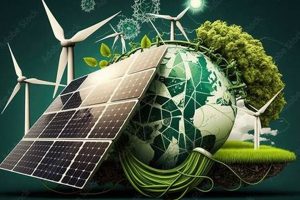
Utilizing power generated from sources that naturally replenish themselvessuch as solar, wind, hydro, geothermal, and biomassforms the basis of a sustainable energy system. For instance, a household using electricity generated by a wind farm or a business relying on solar panels demonstrates this principle in action.
The shift towards such sustainable practices offers significant advantages, including a reduction in greenhouse gas emissions, decreased reliance on finite fossil fuels, and the potential for enhanced energy security and independence. Historically, energy systems have been heavily reliant on fossil fuels. However, growing environmental concerns and technological advancements are driving a global transition towards cleaner alternatives. This shift presents economic opportunities through the creation of new industries and jobs, particularly in rural communities.
The following sections will delve into the specific types of renewable energy resources, their respective applications, the challenges and opportunities associated with their integration into existing infrastructure, and the future prospects of a global energy landscape powered by sustainable sources.
Tips for Supporting Renewable Energy Use
Individuals and organizations can contribute to the growth of sustainable energy practices through informed choices and mindful actions. The following tips offer practical guidance on supporting the transition to a cleaner energy future.
Tip 1: Invest in Energy-Efficient Appliances: Choosing appliances with high energy efficiency ratings reduces overall electricity demand, lessening the strain on energy resources. Look for appliances with Energy Star certifications.
Tip 2: Explore Rooftop Solar Installations: Installing solar panels on residential or commercial rooftops provides a direct way to generate clean electricity and reduce reliance on grid-supplied power.
Tip 3: Support Community Solar Projects: Participating in community solar initiatives allows individuals and businesses to benefit from solar power even without rooftop installations, expanding access to renewable energy options.
Tip 4: Reduce Energy Consumption: Practicing mindful energy use, such as turning off lights when leaving a room and unplugging electronics not in use, minimizes overall energy demand.
Tip 5: Advocate for Policy Changes: Supporting policies that incentivize renewable energy development and deployment, such as tax credits and renewable portfolio standards, accelerates the transition to a sustainable energy system.
Tip 6: Choose Renewable Energy Suppliers: Opting for electricity plans from suppliers that prioritize renewable energy sources increases the demand for clean power and supports further development.
Tip 7: Educate and Engage: Raising awareness about the benefits of renewable energy within communities and networks encourages broader adoption and support for sustainable practices.
By implementing these strategies, individuals and organizations can actively contribute to a more sustainable energy landscape and a cleaner environment. Collective action through informed choices and mindful consumption patterns accelerates the global shift towards renewable energy sources.
The concluding section will offer a final perspective on the significance of embracing renewable energy for a secure and sustainable future.
1. Growth

Growth in renewable energy consumption represents a critical indicator of the global transition towards sustainable energy systems. This expansion reflects not only increasing demand for clean power but also the declining costs and improving technologies associated with renewable energy sources. Understanding the factors driving this growth provides insights into the evolving energy landscape.
- Technological Advancements
Continuous innovation in renewable energy technologies, such as improved solar panel efficiency and more powerful wind turbines, plays a significant role in driving growth. These advancements lead to cost reductions and increased performance, making renewable energy more competitive with traditional fossil fuels. For instance, the development of more efficient photovoltaic cells has significantly reduced the cost of solar power, leading to wider adoption.
- Policy Support
Government policies and incentives, such as feed-in tariffs, tax credits, and renewable portfolio standards, create favorable market conditions for renewable energy growth. These policies encourage investment in renewable energy projects and stimulate demand by making clean energy more accessible and affordable. The European Union’s renewable energy targets, for example, have driven substantial growth in wind and solar capacity across member states.
- Investment and Financing
Increased investment in renewable energy projects, both from public and private sectors, fuels the expansion of the industry. This investment supports research and development, infrastructure development, and project deployment, accelerating the growth of renewable energy capacity. The growth of green bonds and other sustainable finance instruments provides further capital for renewable energy projects.
- Consumer Demand
Growing consumer awareness of environmental issues and the benefits of renewable energy contributes to increased demand for clean power. Consumers are increasingly choosing renewable energy options for their homes and businesses, driving the growth of the sector. Community solar projects and rooftop solar installations exemplify this consumer-driven growth.
These interconnected factors contribute to the overall growth in renewable energy consumption, shaping a global energy landscape increasingly reliant on sustainable sources. This transition towards cleaner energy systems presents both opportunities and challenges, requiring ongoing innovation, policy support, and investment to maintain momentum and achieve long-term sustainability goals.
2. Infrastructure

Reliable and efficient infrastructure forms the backbone of renewable energy consumption, enabling the integration of these intermittent power sources into the broader energy system. Adequate infrastructure facilitates the transmission, distribution, and storage of renewable energy, ensuring its availability to consumers when and where it is needed. Examining key infrastructural components provides insight into the complexities and challenges associated with supporting widespread renewable energy utilization.
- Transmission Networks
Robust transmission networks are essential for transporting electricity generated from renewable sources, often located in remote areas, to population centers. High-voltage transmission lines carry large amounts of electricity over long distances, connecting renewable energy generation facilities to the grid. Expanding and upgrading transmission infrastructure is crucial for accommodating the increasing influx of renewable energy. For example, offshore wind farms require dedicated transmission lines to bring power onshore, highlighting the importance of transmission infrastructure in integrating geographically dispersed renewable sources.
- Distribution Systems
Distribution systems deliver electricity from the transmission network to end-users, such as homes and businesses. Modernizing distribution infrastructure to accommodate the fluctuating nature of renewable energy is crucial for maintaining grid stability and reliability. Smart grids, incorporating advanced technologies, enable efficient management of distributed renewable energy resources, ensuring seamless integration and minimizing power disruptions. For example, distributed solar generation necessitates grid modernization to handle bidirectional power flows and voltage fluctuations.
- Energy Storage Solutions
Energy storage technologies address the intermittency of renewable energy sources, such as solar and wind, by storing excess energy generated during peak periods and releasing it when generation is low. Batteries, pumped hydro storage, and other storage solutions provide grid stability and ensure a continuous supply of renewable energy. The deployment of large-scale battery storage facilities alongside solar farms, for example, allows for the provision of solar power even during nighttime hours, enhancing the reliability and dispatchability of renewable energy.
- Smart Grid Technologies
Smart grids utilize digital technologies to optimize grid operations, enhance efficiency, and improve the integration of renewable energy sources. Advanced sensors, communication networks, and data analytics enable real-time monitoring and control of the grid, facilitating the seamless integration of distributed renewable generation and optimizing energy flow. Smart meters, for instance, provide consumers with real-time information about their energy consumption, enabling them to manage their energy use more effectively and contribute to grid stability.
These interconnected infrastructural components are crucial for maximizing the benefits of renewable energy consumption. Investing in and developing these areas addresses the challenges associated with integrating intermittent renewable sources, paving the way for a more sustainable and resilient energy future. Continued advancements in grid technologies, storage solutions, and transmission capacity are essential for realizing the full potential of renewable energy and achieving a decarbonized energy system.
3. Technology

Technological advancements play a crucial role in driving the increased consumption of renewable energy. Innovations across various sectors, from energy generation and storage to grid management and energy efficiency, directly influence the feasibility, affordability, and accessibility of renewable energy sources. This interconnectedness between technological progress and renewable energy consumption forms a positive feedback loop, with each advancement further propelling the transition towards a sustainable energy future.
Improvements in photovoltaic technology, for example, have dramatically reduced the cost of solar energy, making it a competitive alternative to conventional fossil fuels. Similarly, advancements in wind turbine design, including larger rotor diameters and improved blade aerodynamics, have increased energy capture efficiency and lowered the cost of wind power. These technological breakthroughs have directly contributed to the exponential growth of solar and wind energy consumption globally. Furthermore, the development of advanced energy storage solutions, such as lithium-ion batteries and pumped hydro storage, addresses the intermittency challenges associated with renewable sources, enabling greater grid integration and reliability. Smart grid technologies, incorporating sophisticated sensors, communication networks, and data analytics, optimize energy distribution and management, further enhancing the efficiency and reliability of renewable energy integration. For instance, the integration of smart inverters in solar photovoltaic systems allows for more effective grid management and voltage regulation, enhancing grid stability and facilitating higher penetrations of solar energy.
The practical significance of this technological progress lies in its ability to accelerate the decarbonization of the energy sector. By making renewable energy sources more efficient, reliable, and cost-effective, technological advancements drive their wider adoption, reducing reliance on fossil fuels and mitigating the associated environmental impacts. Continued investment in research and development, coupled with supportive policies and market mechanisms, is essential to further accelerate technological innovation and unlock the full potential of renewable energy consumption for a sustainable future. This ongoing cycle of innovation and adoption will be crucial in achieving global climate goals and ensuring a secure and sustainable energy future for all.
4. Policy

Government policies play a crucial role in shaping the landscape of renewable energy consumption. These policies influence market dynamics, incentivize investments, and set targets for renewable energy deployment, directly impacting the adoption rate and overall consumption of renewable energy sources. Understanding the various policy mechanisms and their effects is essential for analyzing the growth and trajectory of the renewable energy sector.
- Renewable Portfolio Standards (RPS)
RPS policies mandate that electricity suppliers source a specific percentage of their electricity from renewable sources. These mandates create a guaranteed market for renewable energy, driving investment in new renewable energy projects and increasing their overall consumption. For example, California’s RPS requires that 60% of the state’s electricity come from renewable sources by 2030, stimulating significant growth in solar and wind energy within the state.
- Feed-in Tariffs (FITs)
FITs offer guaranteed prices for renewable energy fed into the grid. This policy mechanism provides price stability and encourages investment in renewable energy projects by ensuring a predictable return for developers. Germany’s early adoption of FITs played a significant role in the rapid growth of its solar photovoltaic industry, demonstrating the effectiveness of this policy in stimulating renewable energy consumption.
- Tax Credits and Incentives
Tax credits and other financial incentives, such as investment tax credits and production tax credits, reduce the cost of renewable energy technologies, making them more financially attractive for consumers and businesses. These incentives stimulate demand for renewable energy systems and accelerate their deployment, leading to increased consumption. The federal Investment Tax Credit in the United States, for example, has played a significant role in promoting the growth of the solar industry.
- Carbon Pricing Mechanisms
Carbon pricing mechanisms, such as carbon taxes or cap-and-trade systems, internalize the environmental cost of fossil fuels, making renewable energy sources more competitive. By increasing the price of carbon emissions, these policies create a financial incentive for businesses and consumers to switch to cleaner energy sources, driving an increase in renewable energy consumption. The European Union Emissions Trading System, for instance, puts a price on carbon emissions, encouraging businesses to reduce their emissions by transitioning to renewable energy sources.
The effectiveness of these policies in promoting renewable energy consumption hinges on their design, implementation, and enforcement. A comprehensive and well-designed policy framework, incorporating a mix of policy instruments, creates a supportive environment for renewable energy development and accelerates the transition towards a more sustainable energy system. By influencing market dynamics, incentivizing investments, and setting clear targets, policies play a critical role in shaping the future of renewable energy consumption and achieving global climate goals.
5. Economics

Economic factors exert a significant influence on the consumption of renewable energy, impacting both the pace of adoption and the overall market dynamics. Understanding the economic drivers and barriers associated with renewable energy is crucial for developing effective policies and fostering a sustainable energy transition. The interplay between cost, investment, job creation, and market competition shapes the economic landscape of renewable energy consumption.
Declining costs of renewable energy technologies, particularly solar and wind power, have played a pivotal role in increasing their competitiveness against fossil fuels. As production scales up and technological advancements continue, the cost of renewable energy generation decreases, making it an increasingly attractive option for consumers and businesses. This cost competitiveness drives market adoption and stimulates further investment in the sector. For instance, the falling price of solar panels has led to a surge in rooftop solar installations globally, demonstrating the powerful influence of cost reductions on consumer behavior. Conversely, the economic viability of renewable energy projects can be influenced by fluctuating fossil fuel prices, creating uncertainty and potentially hindering investment in renewable energy infrastructure.
Furthermore, the renewable energy sector represents a significant source of economic growth and job creation. Investments in renewable energy projects generate employment opportunities across various stages of the value chain, from manufacturing and installation to maintenance and operation. This job creation potential can stimulate local economies and contribute to broader economic development. For example, the growth of the wind energy industry has created numerous jobs in manufacturing, installation, and maintenance, revitalizing communities and providing skilled employment opportunities. The economic benefits associated with renewable energy consumption extend beyond job creation, including reduced reliance on imported fossil fuels, improved energy security, and decreased healthcare costs associated with air pollution. Understanding the economic dimensions of renewable energy consumption is critical for policymakers, investors, and businesses seeking to navigate the energy transition and capitalize on the opportunities presented by a sustainable energy future. Balancing economic considerations with environmental goals is essential for creating a resilient and prosperous energy system that benefits both the economy and the environment.
Frequently Asked Questions
This section addresses common inquiries regarding the utilization of energy derived from renewable sources.
Question 1: How does using renewable energy sources benefit the environment?
Renewable energy sources produce little to no greenhouse gas emissions during operation, mitigating air pollution and contributing to a healthier environment. This contrasts sharply with conventional fossil fuels, which release significant amounts of pollutants when burned.
Question 2: Are renewable energy sources reliable enough to meet global energy demands?
Advancements in energy storage technologies, coupled with grid management strategies, address the intermittency of renewable sources like solar and wind. These technologies enable a consistent and reliable energy supply even when the sun isn’t shining or the wind isn’t blowing. Furthermore, diversifying renewable energy sources within a region strengthens overall energy security and reduces reliance on any single source.
Question 3: What is the economic impact of transitioning to renewable energy?
The transition to renewable energy creates economic opportunities through new industries and jobs in manufacturing, installation, maintenance, and research. It also reduces reliance on imported fossil fuels, leading to greater energy independence and price stability. While initial investments in renewable energy infrastructure can be substantial, long-term operational costs are generally lower than those associated with fossil fuel-based power plants.
Question 4: How can individuals contribute to increased renewable energy use?
Individuals can support renewable energy through various actions: investing in energy-efficient appliances, exploring rooftop solar installations, participating in community solar projects, reducing overall energy consumption, advocating for supportive policies, and choosing electricity suppliers that prioritize renewable sources.
Question 5: What are the main challenges hindering wider adoption of renewable energy?
Challenges include the intermittency of certain renewable sources, the need for substantial upfront investments in infrastructure, and the integration of renewable energy into existing grid systems. Overcoming these challenges requires ongoing technological innovation, supportive policies, and public awareness campaigns.
Question 6: What is the long-term outlook for renewable energy consumption?
The long-term outlook for renewable energy is positive, with projections indicating continued growth and increasing market share. Technological advancements, declining costs, and growing environmental awareness are driving factors behind this projected growth. Renewable energy is poised to play an increasingly vital role in meeting global energy demands and mitigating climate change.
Transitioning to renewable energy sources presents numerous benefits, from environmental protection and economic growth to enhanced energy security and independence. Addressing the associated challenges requires collaborative efforts from governments, industries, and individuals.
The subsequent section will delve into specific case studies of successful renewable energy integration projects worldwide.
Conclusion
Exploration of renewable energy consumption reveals its multifaceted nature, encompassing technological advancements, infrastructural development, policy frameworks, economic considerations, and growing public awareness. Declining costs, coupled with supportive policies, have propelled market growth and diversified energy portfolios. Addressing intermittency challenges through innovative storage solutions and smart grid technologies further enhances reliability and integration. The transition underscores a global shift toward sustainable practices, fostering economic growth and job creation while mitigating environmental impacts.
Continued focus on research, development, and deployment of renewable energy technologies remains crucial for a sustainable future. Policy support and international cooperation are essential to accelerate this transition, ensuring energy security, affordability, and accessibility for all. The shift toward renewable energy consumption represents not merely a technological advancement but a fundamental transformation of energy systems, paving the way for a cleaner, more resilient, and sustainable future.