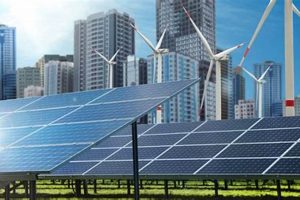
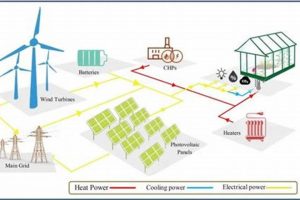
Solutions that capture energy generated from sources like solar, wind, and hydro, storing it for later use, are vital for a stable and reliable power grid. For instance, excess solar energy generated during peak sunlight hours can be stored and utilized during the evening or on cloudy days. This capacity to retain and dispatch energy on demand makes variable renewable sources more dispatchable, mirroring the predictable output of traditional power plants.
This ability to balance energy supply and demand offers significant advantages. It enhances grid stability by smoothing out the intermittent nature of renewables, reducing reliance on fossil fuel peaker plants, and improving overall power quality. Historically, the lack of efficient and cost-effective solutions has been a major hurdle for widespread renewable energy adoption. However, advancements in battery technology, pumped hydro, and other storage methods are rapidly changing the landscape, paving the way for a cleaner and more sustainable energy future.
The following sections will delve into the various technologies employed, explore the economic and environmental impacts, and analyze the future trends shaping this critical component of the global energy transition.
Tips for Implementing Renewable Energy Storage Solutions
Effective integration of storage solutions requires careful consideration of several factors. These tips provide guidance for successful implementation and maximize benefits.
Tip 1: Accurate Load Profiling: Thorough analysis of energy consumption patterns is crucial for determining the appropriate storage capacity and discharge duration. This involves understanding peak demand periods, daily variations, and seasonal fluctuations.
Tip 2: Technology Selection: Different storage technologies offer varying performance characteristics, lifespans, and costs. Choosing the right technology depends on the specific application, geographic location, and desired scale.
Tip 3: Grid Integration Considerations: Seamless integration with the existing grid infrastructure is essential. This requires careful planning and coordination with grid operators to ensure compatibility and avoid disruptions.
Tip 4: Economic Evaluation: Conducting a comprehensive cost-benefit analysis helps determine the financial viability of a storage project. This involves assessing upfront costs, operational expenses, and potential revenue streams.
Tip 5: Regulatory Compliance: Understanding and complying with relevant regulations and permitting requirements is essential for successful project deployment. This includes navigating interconnection agreements and environmental impact assessments.
Tip 6: System Optimization: Continuous monitoring and optimization of the storage system are vital for maximizing performance and efficiency. This involves utilizing sophisticated control algorithms and data analytics.
Tip 7: Safety Protocols: Implementing robust safety protocols ensures the safe and reliable operation of the storage system. This includes addressing fire hazards, thermal runaway risks, and cybersecurity threats.
By carefully addressing these considerations, stakeholders can unlock the full potential of storage, accelerating the transition to a more sustainable and resilient energy future.
The concluding section will summarize the key findings and offer a perspective on the future of renewable energy storage.
1. Grid Stability

Maintaining a stable electricity grid is paramount for ensuring reliable power delivery. The intermittent nature of renewable energy sources, such as solar and wind, presents a challenge to grid stability. Fluctuations in power output can lead to frequency deviations and voltage instability, potentially causing blackouts or damage to grid infrastructure. Integrating energy storage systems addresses these challenges, providing a crucial tool for grid operators to manage the variability of renewables and maintain a balanced and reliable power supply.
- Frequency Regulation
Frequency regulation is essential for maintaining a stable grid frequency. Energy storage systems can respond rapidly to fluctuations in grid frequency caused by variations in renewable energy generation or changes in demand. For example, batteries can inject power into the grid within milliseconds when frequency drops, helping to restore balance and prevent cascading failures. This rapid response capability makes storage a valuable asset for maintaining grid stability in the presence of intermittent renewable sources.
- Voltage Support
Maintaining voltage levels within acceptable limits is critical for ensuring the proper functioning of electrical equipment. Energy storage systems can provide voltage support by injecting reactive power into the grid, helping to regulate voltage levels and prevent voltage sags or swells. This capability is particularly important in areas with high penetration of distributed renewable generation, where voltage fluctuations can be more pronounced.
- Ramp Rate Control
Renewable energy sources, particularly solar and wind, can experience rapid changes in output due to changing weather conditions. These rapid changes, known as ramp rates, can pose challenges for grid operators. Energy storage systems can smooth out these ramp rates by absorbing excess energy during periods of high generation and releasing it during periods of low generation, providing a more predictable and manageable power output to the grid. For instance, a battery system can absorb excess solar power during peak sunlight hours and then discharge it during the evening ramp-down period, minimizing the impact on grid stability.
- Black Start Capability
In the event of a widespread blackout, energy storage systems equipped with black start capability can provide the initial power needed to restart critical grid infrastructure. This capability can reduce the duration and impact of blackouts, enhancing grid resilience and reliability. For example, a pumped hydro storage facility can be used to restart a power plant following a blackout, enabling the restoration of power to the grid more quickly.
By providing these essential grid services, energy storage systems play a crucial role in facilitating the integration of renewable energy sources and ensuring a stable and reliable electricity grid. The ability to regulate frequency, provide voltage support, manage ramp rates, and offer black start capability makes storage an indispensable tool for grid operators navigating the transition to a cleaner and more sustainable energy future. As renewable energy penetration continues to increase, the importance of energy storage for grid stability will only grow.
2. Cost Reduction

Cost reduction represents a significant driver for the adoption of energy storage systems within the renewable energy sector. While the initial investment in storage technologies can be substantial, the potential for long-term cost savings is considerable. These savings stem from various factors, including reduced reliance on fossil fuel-based peaker plants, optimized energy consumption patterns, and participation in ancillary service markets.
- Reduced Peaker Plant Reliance
Peaker plants, typically powered by fossil fuels, are designed to meet peak electricity demand. They are expensive to operate due to their infrequent use and reliance on costly fuels. Energy storage systems can effectively replace or reduce the need for peaker plants by providing a readily available source of power during peak demand periods. This substitution leads to significant cost savings by avoiding the high operating costs associated with peaker plants. For example, a utility can deploy battery storage to meet evening peak demand instead of firing up a natural gas peaker plant, resulting in lower fuel and maintenance costs.
- Energy Consumption Optimization
Energy storage enables consumers, both residential and commercial, to optimize their energy consumption patterns. By storing excess renewable energy generated during off-peak hours, consumers can utilize this stored energy during peak demand periods when electricity prices are typically higher. This time-shifting of energy consumption reduces reliance on the grid during expensive peak periods, resulting in lower electricity bills. Furthermore, some storage systems can be programmed to automatically optimize energy usage based on real-time pricing signals, further maximizing cost savings.
- Ancillary Service Market Participation
Ancillary services are essential for maintaining grid stability and reliability. Energy storage systems can participate in these markets by providing services such as frequency regulation and voltage support. Grid operators compensate providers for these services, creating a revenue stream for storage owners and operators. This revenue stream helps offset the initial investment costs of storage systems and contributes to their overall cost-effectiveness. For instance, a battery storage system can provide frequency regulation services to the grid, earning revenue while simultaneously supporting grid stability.
- Transmission & Distribution Deferral
Investing in energy storage can defer or even eliminate the need for costly upgrades to transmission and distribution infrastructure. By locating storage strategically within the grid, utilities can reduce congestion on transmission lines and postpone the need for building new substations or transmission lines. This deferral of infrastructure investments represents a significant cost saving for utilities and ratepayers. For example, deploying distributed battery storage can reduce peak demand on a local distribution feeder, avoiding the need for a costly upgrade to the feeder capacity. This localized approach to grid management improves efficiency and minimizes infrastructure investment.
The convergence of these cost-saving factors underscores the significant economic benefits of integrating energy storage systems with renewable energy sources. As storage technologies continue to mature and costs decline, the economic case for widespread adoption will only strengthen, paving the way for a more sustainable and affordable energy future. This transition will not only benefit individual consumers and businesses but also contribute to broader economic growth and job creation within the renewable energy sector.
3. Technology Advancements

Technology advancements are intrinsically linked to the progress and viability of energy storage systems for renewable energy integration. These advancements drive improvements in performance, efficiency, cost-effectiveness, and the overall lifecycle of storage solutions. Several key areas of innovation are significantly impacting the landscape of renewable energy storage.
Battery technology is undergoing rapid development, with advancements in lithium-ion batteries, flow batteries, and solid-state batteries leading to increased energy density, faster charging rates, and longer lifespans. For instance, the development of solid-state electrolytes promises to enhance battery safety and performance significantly. Furthermore, research into alternative battery chemistries, such as sodium-ion and magnesium-ion batteries, aims to reduce reliance on scarce and expensive materials like lithium and cobalt. These advancements contribute to lower costs, improved safety, and wider accessibility of battery storage solutions for renewable energy applications.
Beyond batteries, advancements in other storage technologies also play a crucial role. Pumped hydro storage, a mature technology, is benefiting from innovations in turbine design and control systems, enhancing its efficiency and responsiveness. Compressed air energy storage (CAES) is gaining traction with advancements in adiabatic compression and expansion technologies, improving energy recovery and reducing reliance on fossil fuels for heating. Thermal energy storage solutions, such as molten salt and phase-change materials, are becoming increasingly efficient and cost-effective, enabling better utilization of solar thermal energy and waste heat recovery. Furthermore, advancements in power electronics and control systems are crucial for optimizing the performance and integration of various storage technologies with the grid, ensuring seamless operation and maximizing their value.
These ongoing technology advancements are essential for overcoming the challenges associated with renewable energy integration. They enhance the reliability, affordability, and scalability of energy storage solutions, paving the way for a more sustainable and resilient energy future. Continued research and development in these areas will be crucial for achieving widespread adoption of renewable energy and mitigating the impacts of climate change.
4. Environmental Impact
Energy storage systems play a crucial role in mitigating the environmental impact of energy generation and consumption. By enabling greater integration of renewable energy sources, these systems contribute significantly to reducing greenhouse gas emissions and minimizing the reliance on fossil fuels. Furthermore, the environmental footprint of manufacturing, deploying, and eventually decommissioning these systems requires careful consideration and ongoing efforts towards sustainable practices.
- Reduced Greenhouse Gas Emissions
A primary environmental benefit of energy storage coupled with renewables is the substantial reduction in greenhouse gas emissions. By displacing fossil fuel-based power generation, particularly from peaker plants, storage systems contribute to a cleaner energy mix. This displacement directly lowers carbon dioxide, methane, and other greenhouse gas emissions associated with fossil fuel combustion, mitigating the impacts of climate change. For instance, utilizing battery storage to meet peak demand instead of relying on a natural gas peaker plant significantly reduces CO2 emissions.
- Land Use and Ecosystem Impacts
While renewable energy sources generally have a lower land use impact than fossil fuels, energy storage systems can introduce their own land use considerations. Pumped hydro storage, for example, requires significant land area for reservoirs. Battery storage facilities also require land for their installation. Minimizing land use impacts requires careful site selection, considering factors such as biodiversity, ecosystem preservation, and potential impacts on local communities. Furthermore, responsible sourcing of raw materials for battery production is crucial for minimizing environmental damage associated with mining and extraction.
- Manufacturing and Material Sourcing
The manufacturing process of energy storage systems, especially batteries, has environmental implications. The extraction and processing of raw materials, such as lithium, cobalt, and nickel, can be energy-intensive and generate pollution. Furthermore, the manufacturing process itself can involve the use of hazardous chemicals. Minimizing these impacts requires adopting sustainable manufacturing practices, including using recycled materials, reducing water and energy consumption, and implementing proper waste management strategies. Additionally, promoting research and development of alternative battery chemistries with less environmentally impactful materials is essential for long-term sustainability.
- End-of-Life Management and Recycling
As energy storage systems reach the end of their operational life, proper decommissioning and recycling are crucial for minimizing environmental impact. Batteries, in particular, contain valuable materials that can be recovered and reused. Establishing robust recycling infrastructure and processes for batteries and other storage technologies is essential for minimizing waste and reducing the need for new material extraction. Furthermore, responsible disposal of non-recyclable components is necessary to prevent soil and water contamination. Developing closed-loop systems for material sourcing and recycling is a key aspect of sustainable energy storage deployment.
Considering these environmental facets is crucial for ensuring that the transition to renewable energy, facilitated by energy storage systems, is truly sustainable. Balancing the benefits of reduced greenhouse gas emissions with the potential impacts of land use, material sourcing, and end-of-life management requires a holistic approach. Ongoing research, technological advancements, and policy initiatives focused on minimizing the environmental footprint of energy storage are essential for achieving a clean and sustainable energy future.
5. Energy Independence

Energy independence represents a critical driver for the adoption of renewable energy coupled with robust storage solutions. Reliance on imported fossil fuels creates vulnerabilities to price volatility, geopolitical instability, and supply chain disruptions. Domestically sourced renewable energy, combined with energy storage, reduces this dependence, enhancing national energy security and resilience. This decoupling from volatile global fossil fuel markets stabilizes energy prices and strengthens domestic energy supplies. For example, a nation investing in solar and wind power paired with battery storage reduces its reliance on imported oil and natural gas, bolstering its energy independence and shielding its economy from external energy shocks. This shift also fosters domestic job creation within the renewable energy and storage sectors.
Furthermore, energy storage empowers communities and individuals to achieve greater energy autonomy. Microgrids, incorporating local renewable generation and storage, can operate independently of the main power grid, providing resilience during grid outages and reducing dependence on centralized power systems. This localized approach to energy generation and storage enhances community resilience and fosters greater control over energy resources. For instance, a community microgrid powered by solar panels and supported by battery storage can maintain essential services during a grid outage, showcasing the practical benefits of energy independence at the local level. This enhanced resilience is particularly crucial in remote areas or regions prone to natural disasters.
In conclusion, the pursuit of energy independence serves as a powerful catalyst for the adoption of renewable energy and energy storage systems. From a national perspective, it enhances energy security and reduces reliance on volatile global markets. At the community level, it empowers greater resilience and self-sufficiency. The transition to a more decentralized and sustainable energy future, underpinned by renewable resources and robust storage solutions, is intrinsically linked to achieving greater energy independence across all scales, from individual households to entire nations. This transition requires strategic planning, policy support, and continued technological advancements to overcome existing challenges and unlock the full potential of energy independence.
6. Reliability Improvement

Reliability improvement in power systems is significantly enhanced by the integration of energy storage systems, particularly when coupled with renewable energy sources. Renewable energy sources, while environmentally beneficial, are inherently intermittent. Solar power fluctuates with cloud cover and time of day, while wind power varies with wind speed. This intermittency poses a challenge to grid reliability, potentially leading to power fluctuations and outages. Energy storage systems address this challenge by acting as a buffer, storing excess energy generated during periods of high renewable output and releasing it during periods of low output or peak demand. This smoothing effect enhances the reliability of the power supply, ensuring a consistent flow of electricity even when renewable sources are unavailable. For example, a solar farm paired with battery storage can provide reliable power even at night, mitigating the intermittency of solar power and ensuring a continuous energy supply.
The practical significance of this reliability improvement is multifaceted. For critical infrastructure, such as hospitals and data centers, reliable power is essential for continuous operation. Energy storage systems provide a backup power source, ensuring uninterrupted service even during grid disturbances or power outages. In remote areas with limited grid access, renewable energy combined with storage can provide a reliable and independent power supply, reducing dependence on expensive and logistically challenging fuel deliveries for diesel generators. Furthermore, increased grid reliability facilitated by energy storage systems allows for higher penetration of renewable energy sources, contributing to a cleaner energy mix and reducing reliance on fossil fuels. For instance, in regions with high wind power penetration, storage systems can mitigate the impact of sudden drops in wind speed, preventing grid instability and ensuring a consistent power supply. This capability allows for greater utilization of wind energy without compromising grid reliability.
In summary, energy storage systems are essential for enhancing the reliability of renewable energy integration. They address the inherent intermittency of renewable sources, providing a consistent and dependable power supply. This reliability improvement has far-reaching benefits, ensuring the continuous operation of critical infrastructure, enabling greater energy access in remote areas, and facilitating the transition to a cleaner and more sustainable energy future. Addressing the challenges of intermittency through effective storage solutions is crucial for unlocking the full potential of renewable energy and achieving a secure and sustainable energy landscape.
Frequently Asked Questions
This section addresses common inquiries regarding the integration of energy storage systems with renewable energy sources.
Question 1: What are the primary types of energy storage technologies used with renewable energy?
Several storage technologies are commonly deployed, including batteries (lithium-ion, flow batteries), pumped hydro storage, compressed air energy storage (CAES), thermal energy storage (molten salt, phase-change materials), and flywheels. The optimal choice depends on the specific application, scale, and location.
Question 2: How do energy storage systems improve grid stability with intermittent renewable sources like solar and wind?
Storage systems compensate for the fluctuating nature of renewables. They absorb excess energy during periods of high generation and release it during periods of low generation or peak demand, ensuring a consistent and reliable power supply to the grid. This capability enables greater integration of renewable energy without compromising grid stability.
Question 3: What are the key economic benefits of integrating energy storage with renewable energy?
Economic benefits include reduced reliance on expensive peaker plants, optimization of energy consumption patterns leading to lower electricity bills, potential revenue streams from ancillary service markets, and deferred investments in transmission and distribution infrastructure upgrades.
Question 4: What are the environmental advantages of using energy storage with renewable energy?
Key environmental advantages include reduced greenhouse gas emissions due to decreased reliance on fossil fuel-based power generation, improved air quality, and reduced water consumption compared to traditional power plants. However, the environmental impact of manufacturing and end-of-life management of storage systems requires careful consideration.
Question 5: How do energy storage systems contribute to energy independence?
By enabling greater reliance on domestically sourced renewable energy, storage systems reduce dependence on imported fossil fuels, enhancing energy security and resilience against price volatility and supply disruptions. This can also empower local communities through microgrids, enabling greater energy autonomy.
Question 6: What are the key challenges and future prospects for energy storage technologies?
Challenges include high upfront costs for some technologies, material availability and supply chain constraints, and the need for further technological advancements to improve efficiency and lifespan. Future prospects involve continued cost reductions, improved performance characteristics, and wider adoption driven by policy support and increasing demand for reliable and sustainable energy solutions.
Understanding these key aspects of energy storage integration is crucial for informed decision-making and successful implementation of renewable energy strategies.
The next section will offer concluding remarks and perspectives on the future of renewable energy storage.
Conclusion
Energy storage systems are integral to the widespread adoption and efficacy of renewable energy sources. This exploration has highlighted the critical role these systems play in grid stabilization, cost reduction, and overall reliability improvement within the power sector. Technological advancements continue to drive innovation, enhancing performance and cost-effectiveness across various storage methods, from batteries to pumped hydro and beyond. The environmental benefits, particularly the reduction of greenhouse gas emissions, are undeniable, though lifecycle impacts require ongoing attention. Furthermore, the contribution of energy storage to enhanced energy independence, both nationally and locally, underscores its strategic importance. Addressing key challenges, such as material sourcing and end-of-life management, will be crucial for maximizing the positive impact of these technologies.
The future of energy relies heavily on the continued development and deployment of robust and efficient energy storage solutions. Strategic investments in research, development, and infrastructure are essential to unlock the full potential of renewable energy and create a truly sustainable energy landscape. The transition to a cleaner, more resilient, and independent energy future hinges on embracing these technologies as a cornerstone of the global energy transition. The imperative for action is clear: continued progress in energy storage is not merely a technological pursuit but a fundamental necessity for a sustainable and prosperous future.