The reliance on cobalt within the energy storage sector stems from its crucial role in battery technologies essential for renewable energy systems. Lithium-ion batteries, frequently employed in electric vehicles and grid-scale energy storage, utilize cobalt in their cathodes. This element contributes to enhanced battery performance characteristics, including greater energy density, longer lifespan, and improved thermal stability. For example, electric vehicles powered by batteries with cobalt-containing cathodes can travel further on a single charge and experience slower battery degradation over time.
Stable and reliable energy storage is paramount for the widespread adoption of renewable energy sources like solar and wind. These sources, by their nature, generate power intermittently. Advanced battery systems, often incorporating cobalt, offer a solution to this intermittency, storing surplus energy generated during peak production periods for use when generation is low. This capability enhances grid stability, balances energy supply and demand, and ultimately facilitates a transition away from fossil fuels. Historically, battery technologies have played a less critical role in the energy landscape. However, with the increasing urgency of climate change mitigation and the growing demand for sustainable energy solutions, their significance, and consequently the importance of materials like cobalt, has dramatically increased.
This exploration into the intersection of battery materials and the energy transition will further examine the challenges associated with cobalt sourcing and the ongoing research into alternative materials. Subsequent sections will delve into sustainable mining practices, recycling initiatives, and promising new battery chemistries designed to lessen dependence on specific elements while maintaining performance and reliability.
The increasing demand for cobalt in energy storage applications presents both opportunities and challenges. Understanding the nuances of this critical material is essential for informed decision-making and responsible technological advancement.
Tip 1: Support Ethical Sourcing: Consumers can prioritize purchasing electric vehicles and electronic devices from manufacturers committed to responsible cobalt sourcing practices. Transparency and traceability within supply chains are crucial for minimizing environmental and social risks associated with cobalt mining.
Tip 2: Advocate for Recycling Initiatives: Increased investment in and development of efficient cobalt recycling technologies are essential for reducing reliance on newly mined materials. Consumers can support policies and initiatives that promote battery recycling and recovery of valuable metals.
Tip 3: Research Alternative Battery Chemistries: Stay informed about research and development efforts focused on alternative battery chemistries that minimize or eliminate cobalt dependence. Understanding the potential of these alternatives can inform future purchasing decisions and support innovation in the battery sector.
Tip 4: Understand Lifecycle Impacts: Consider the full lifecycle environmental impact of battery technologies, including material extraction, manufacturing, use, and end-of-life management. A comprehensive assessment helps evaluate the true sustainability of different energy storage solutions.
Tip 5: Encourage Industry Transparency: Greater transparency from manufacturers regarding the composition and sourcing of battery materials is essential for informed consumer choices and responsible supply chain management. Public pressure can play a crucial role in driving greater accountability within the industry.
Tip 6: Support Policy Changes: Policies that incentivize sustainable mining practices, recycling initiatives, and research into alternative materials can significantly influence the trajectory of the energy storage sector. Engaging in advocacy and supporting relevant legislation are important steps towards a more sustainable future.
By considering these tips, stakeholders across the value chain can contribute to a more responsible and sustainable approach to utilizing critical materials in the renewable energy transition. Informed choices and collaborative efforts are essential for maximizing the benefits of renewable energy while minimizing potential negative consequences.
These insights provide a foundation for understanding the complexities surrounding the use of cobalt in renewable energy technologies and inform the discussion towards a more sustainable and equitable energy future.
1. Battery Performance

Battery performance is intrinsically linked to the viability of renewable energy integration. Cobalt plays a crucial role in achieving the performance characteristics required for effective energy storage solutions, particularly in lithium-ion batteries. The inclusion of cobalt in cathode materials enhances energy density, allowing batteries to store more energy within a given volume or weight. This is critical for applications like electric vehicles, where range is a primary concern, and for grid-scale energy storage, where maximizing capacity is essential. Furthermore, cobalt contributes to improved cycle life, meaning batteries can undergo more charge-discharge cycles before their performance degrades. This durability is essential for long-term reliability and cost-effectiveness of renewable energy systems. For instance, a wind farm paired with a battery storage system incorporating cobalt-rich batteries can provide a more consistent power output, even during periods of low wind. This capability enables greater reliance on intermittent renewable sources and facilitates a more stable transition away from fossil fuels.
The specific performance benefits conferred by cobalt within a battery depend on factors such as the cathode chemistry, the concentration of cobalt used, and other materials incorporated into the battery design. For example, nickel-manganese-cobalt (NMC) batteries offer a balance of high energy density, long lifespan, and relatively lower cost compared to some other chemistries. However, the precise ratio of these metals within the cathode can significantly influence the batterys overall performance. Higher cobalt content generally leads to improved stability and lifespan, but also increases the cost and raises ethical sourcing concerns. Therefore, ongoing research explores optimizing cathode chemistries to minimize cobalt content without compromising performance, while also investigating alternative materials to reduce reliance on cobalt altogether.
Understanding the relationship between cobalt and battery performance is crucial for evaluating the trade-offs involved in different battery technologies and making informed decisions about their application within renewable energy systems. The challenges associated with cobalt sourcing and its potential environmental and social impacts necessitate ongoing research and development in alternative materials and battery designs. Ultimately, achieving a sustainable and reliable renewable energy future requires continuous innovation in battery technology to balance performance requirements with responsible material sourcing and minimize negative impacts.
2. Energy Storage

Energy storage is a critical enabler of the transition to renewable energy sources. Intermittent sources like solar and wind power require effective storage solutions to ensure a consistent and reliable energy supply. This is where cobalt, a key component in certain battery chemistries, plays a significant role, linking energy storage technologies to the broader context of cobalt renewable energy.
- Battery Chemistries and Cobalt’s Role
Various battery chemistries utilize cobalt, most notably lithium-ion batteries. Cobalt within the cathode material contributes to high energy density, long cycle life, and thermal stability. These characteristics are essential for applications ranging from electric vehicles to grid-scale energy storage. For example, lithium-nickel-manganese-cobalt oxide (NMC) batteries are widely used in electric vehicles due to their balance of performance and cost.
- Grid Stability and Reliability
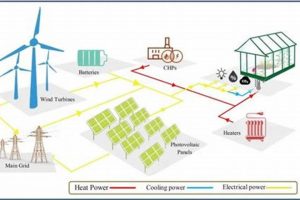
Energy storage systems, often reliant on cobalt-containing batteries, enhance grid stability by managing the fluctuations inherent in renewable energy generation. When renewable generation exceeds demand, excess energy can be stored and then discharged when generation is low. This smoothing effect is crucial for maintaining a reliable power supply and integrating larger percentages of renewable energy into the grid. Grid-scale battery installations, for instance, can provide ancillary services like frequency regulation, further enhancing grid stability.
- Decentralized Energy Storage
Cobalt-based batteries also enable decentralized energy storage solutions, allowing homes and businesses to store energy generated from rooftop solar panels or other local renewable sources. This reduces reliance on the grid, enhances energy independence, and increases resilience during grid outages. Residential battery systems are a prime example of this decentralized approach, providing backup power and enabling greater self-consumption of renewable energy.
- Challenges and Alternatives
While cobalt plays a vital role in current energy storage technologies, its use presents challenges related to supply chain security, ethical sourcing, and cost. Research and development efforts are focused on exploring alternative battery chemistries that reduce or eliminate cobalt dependence, such as solid-state batteries and sodium-ion batteries. These alternatives hold the potential to address the limitations associated with cobalt while maintaining the necessary performance characteristics for effective energy storage.
The evolution of energy storage technologies is inextricably linked to the pursuit of sustainable and reliable renewable energy systems. While cobalt currently plays a significant role in enabling effective energy storage, ongoing research and development of alternative materials and battery chemistries are crucial for addressing the long-term sustainability and ethical considerations associated with cobalt use in the renewable energy sector. The future of energy storage will likely involve a diversified portfolio of technologies, each playing a specific role in optimizing the integration of renewable energy sources and ensuring a resilient and sustainable energy future.
3. Supply Chain Complexity

The supply chain for cobalt, a critical material in certain renewable energy technologies, presents significant complexities. These complexities influence the availability, cost, and sustainability of renewable energy deployments, particularly those reliant on battery storage. A primary driver of this complexity is the geographical concentration of cobalt reserves, with a substantial portion originating from the Democratic Republic of Congo (DRC). This concentration creates vulnerabilities to political instability, resource nationalism, and price volatility. Furthermore, artisanal and small-scale mining (ASM) in the DRC raises significant ethical concerns related to human rights and environmental degradation. These factors contribute to price fluctuations and supply disruptions, impacting the manufacturing of batteries for electric vehicles and grid-scale energy storage.
The multi-layered nature of the cobalt supply chain further exacerbates these challenges. Ore extraction, refining, and processing often occur in different countries, involving numerous intermediaries and transportation steps. This intricate network increases the risk of delays, logistical bottlenecks, and price markups. Moreover, ensuring transparency and traceability throughout the supply chain is crucial for addressing ethical sourcing concerns and promoting responsible mining practices. For example, tracing the origin of cobalt used in a specific electric vehicle battery back to the mine site can help verify that it was produced under acceptable labor and environmental conditions. This level of traceability, however, is challenging to achieve due to the complex and often opaque nature of the cobalt supply chain.
Understanding the complexities of the cobalt supply chain is essential for mitigating risks and promoting sustainable practices within the renewable energy sector. Diversification of cobalt sources, investment in recycling technologies, and research into alternative battery materials are crucial strategies for reducing reliance on single-source suppliers and minimizing potential disruptions. Furthermore, supporting initiatives that promote responsible mining practices and improve working conditions in cobalt-producing regions is essential for ensuring a socially and environmentally responsible transition to renewable energy. Ultimately, addressing the supply chain challenges associated with cobalt is crucial for realizing the full potential of renewable energy technologies and achieving a sustainable energy future.
4. Ethical Sourcing Concerns

Ethical sourcing concerns are inextricably linked to cobalt’s role in renewable energy. The demand for cobalt in batteries for electric vehicles and energy storage systems has intensified scrutiny on its extraction and production. A significant portion of the global cobalt supply originates from the Democratic Republic of Congo (DRC), where artisanal and small-scale mining (ASM) practices often involve hazardous working conditions, child labor, and environmental damage. These practices raise serious ethical questions about the social and environmental costs associated with the renewable energy transition. For instance, reports document miners working in precarious conditions with inadequate safety equipment, exposed to toxic dust and heavy metals. Furthermore, the involvement of children in mining operations deprives them of education and exposes them to significant health risks. These ethical dilemmas challenge the narrative of renewable energy as inherently “clean” and necessitate a comprehensive approach to responsible sourcing.
The complexity of global supply chains further complicates ethical sourcing efforts. Tracing cobalt from its origin through multiple intermediaries to the final product is challenging. This lack of transparency makes it difficult to ensure that cobalt used in renewable energy technologies meets ethical standards. Companies face pressure to demonstrate responsible sourcing practices and ensure their supply chains are free from human rights abuses and environmental degradation. Initiatives like the Responsible Minerals Initiative and the Global Battery Alliance aim to promote ethical sourcing and improve transparency within the cobalt supply chain. These initiatives encourage companies to conduct due diligence, map their supply chains, and implement responsible sourcing policies. Furthermore, technological advancements in blockchain technology offer potential solutions for tracking and verifying the origin of cobalt, enhancing transparency and accountability.
Addressing ethical sourcing concerns is crucial for ensuring that the transition to renewable energy is genuinely sustainable and equitable. Ignoring these concerns undermines the credibility of renewable energy initiatives and perpetuates social and environmental injustice. Moving forward, a multi-pronged approach is required. This includes supporting initiatives that promote responsible mining practices, investing in alternative battery chemistries that reduce reliance on cobalt, and fostering greater transparency and traceability within the cobalt supply chain. Ultimately, the long-term success of renewable energy depends not only on technological advancements but also on a commitment to ethical sourcing and responsible production practices.
5. Recycling Potential

Cobalt’s recycling potential represents a crucial aspect of sustainable renewable energy systems. As demand for cobalt in batteries for electric vehicles and energy storage increases, so does the importance of recovering and reusing this valuable material. Recycling cobalt reduces the need for primary mining, lessening the environmental and social impacts associated with extraction while conserving finite resources. Moreover, recycling contributes to greater supply chain security by diversifying cobalt sources and reducing reliance on geographically concentrated mining operations. For example, several pilot projects and industrial-scale initiatives are demonstrating the feasibility of recovering cobalt from spent lithium-ion batteries, yielding high-purity cobalt suitable for re-integration into battery manufacturing. This closed-loop approach minimizes environmental impact and contributes to a more circular economy.
The economic viability of cobalt recycling is influenced by several factors, including the market price of cobalt, the cost of recycling technologies, and the availability of collection and sorting infrastructure for end-of-life batteries. As battery chemistries evolve and cobalt content fluctuates, recycling processes must adapt to efficiently recover materials from diverse battery types. For instance, direct recycling processes, which recover cathode materials without breaking them down into their constituent elements, offer potential advantages in terms of energy efficiency and cost reduction. Furthermore, advancements in hydrometallurgical and pyrometallurgical techniques are improving the efficiency and reducing the environmental footprint of cobalt recovery. The development of robust and economically viable recycling infrastructure is essential for maximizing the recovery of cobalt from end-of-life batteries and other products.
Realizing the full potential of cobalt recycling requires a concerted effort from various stakeholders, including battery manufacturers, recycling companies, policymakers, and consumers. Incentivizing battery collection and recycling through extended producer responsibility schemes and deposit-refund systems can promote higher recovery rates. Furthermore, standardization of battery designs and labeling can simplify the sorting and dismantling process, improving recycling efficiency. Research into innovative recycling technologies and the development of efficient collection networks are crucial for establishing a circular economy for cobalt and minimizing the environmental footprint of renewable energy technologies. Ultimately, integrating cobalt recycling into the broader renewable energy strategy is essential for achieving a sustainable and resilient energy future.
6. Geopolitical Implications
The increasing reliance on cobalt for renewable energy technologies, particularly battery storage, introduces significant geopolitical implications. The uneven distribution of cobalt reserves globally, coupled with the concentration of refining and processing capacity in specific regions, creates dependencies and vulnerabilities that can influence international relations, trade policies, and economic development strategies. Understanding these geopolitical dynamics is crucial for navigating the complex landscape of renewable energy transitions and ensuring a stable and secure energy future.
- Resource Nationalism and Supply Chain Security
The concentration of cobalt reserves in a small number of countries, notably the Democratic Republic of Congo (DRC), creates potential for resource nationalism, where countries may prioritize domestic needs or exert greater control over the extraction and export of strategic resources. This can lead to supply disruptions, price volatility, and trade disputes, impacting the manufacturing of batteries and other renewable energy technologies. Diversifying cobalt sources through exploration and development in other regions, as well as investing in recycling technologies, are crucial strategies for mitigating supply chain risks and reducing reliance on single-source suppliers.
- International Competition and Strategic Partnerships
The growing demand for cobalt has intensified international competition for access to this critical material. Countries are forging strategic partnerships and engaging in resource diplomacy to secure cobalt supplies. This competition can influence international relations and trade negotiations, potentially leading to trade wars or the formation of new alliances. Furthermore, the control over cobalt resources can become a source of geopolitical leverage, influencing regional power dynamics and international negotiations.
- Economic Development and Industrial Policy
Cobalt mining and processing can contribute to economic development in resource-rich countries, but also raise concerns about equitable distribution of benefits, environmental sustainability, and social impacts. Countries are developing industrial policies aimed at maximizing the value derived from cobalt resources, including investments in downstream processing and manufacturing of battery components. However, ensuring that these initiatives benefit local communities and contribute to sustainable development requires careful planning, transparent governance, and responsible environmental management.
- Human Rights and Environmental Concerns
The extraction and processing of cobalt can have significant environmental and social impacts, including deforestation, soil erosion, water pollution, and human rights abuses. These concerns raise important ethical questions about the sustainability of renewable energy technologies and the need for responsible sourcing practices. International cooperation and regulatory frameworks are crucial for ensuring that cobalt production adheres to high environmental and social standards, protecting ecosystems and respecting human rights.
The geopolitical implications of cobalt in renewable energy are multifaceted and dynamic. Addressing these challenges requires a holistic approach that considers supply chain security, international cooperation, ethical sourcing, and sustainable development. Navigating these complexities effectively is crucial for ensuring a responsible and equitable transition to a renewable energy future. The interplay of these factors will shape the future landscape of renewable energy and influence the global distribution of power and resources.
7. Material Alternatives Research

Material alternatives research is crucial for mitigating the challenges associated with cobalt dependence in renewable energy technologies, particularly battery storage. The reliance on cobalt raises concerns regarding supply chain vulnerabilities, ethical sourcing, and price volatility. Research efforts focus on identifying and developing alternative materials that can replicate or surpass cobalt’s performance characteristics in batteries while offering improved sustainability and supply chain resilience. This research encompasses a wide range of materials and battery chemistries, aiming to create a more diversified and responsible foundation for the renewable energy transition.
- Alternative Cathode Materials
Extensive research explores alternative cathode materials that reduce or eliminate cobalt content while maintaining or improving battery performance. Promising candidates include nickel-rich layered oxides (NCA and NMC with higher nickel content), lithium-iron-phosphate (LFP), and lithium-manganese-rich oxides (LMR). For example, LFP batteries are gaining traction in stationary energy storage applications due to their long lifespan and enhanced safety, while NCA and high-nickel NMC chemistries are being explored for electric vehicles due to their higher energy density. The trade-offs between energy density, cost, and lifespan are key considerations in selecting appropriate alternative cathode materials for specific applications.
- Solid-State Electrolytes
Solid-state batteries represent a significant shift in battery technology, replacing the liquid or gel electrolyte with a solid material. This transition offers potential advantages in terms of safety, energy density, and lifespan. Solid-state electrolytes also enable the use of metallic lithium anodes, which can further enhance energy density. While still in early stages of development, solid-state batteries hold significant promise for transforming the energy storage landscape and reducing reliance on critical materials like cobalt. Several companies and research institutions are actively pursuing the development and commercialization of solid-state battery technology for various applications, including electric vehicles and grid-scale energy storage.
- Beyond Lithium-ion: Exploring Other Battery Chemistries
Research extends beyond lithium-ion batteries to explore alternative battery chemistries altogether. Sodium-ion batteries, magnesium-ion batteries, and flow batteries are among the technologies under investigation. These alternative chemistries utilize more abundant and less geographically concentrated materials, potentially offering advantages in terms of cost and supply chain security. For instance, sodium-ion batteries utilize sodium, a readily available element, in place of lithium, offering a potential pathway towards more sustainable and cost-effective energy storage. While these technologies are generally at earlier stages of development compared to lithium-ion, they represent important avenues for diversification and innovation in the energy storage sector.
- Advanced Manufacturing Techniques and Material Design
Material alternatives research also encompasses advanced manufacturing techniques and material design strategies to optimize battery performance and reduce material usage. Techniques like 3D printing and advanced coating processes can improve electrode fabrication and enhance battery efficiency. Furthermore, computational modeling and materials characterization techniques play crucial roles in identifying and designing new materials with tailored properties for specific battery applications. These advancements contribute to a more holistic approach to materials research, integrating material science, manufacturing processes, and computational modeling to accelerate the development of sustainable and high-performance battery technologies.
The ongoing research into material alternatives represents a crucial endeavor for ensuring the long-term sustainability and resilience of renewable energy systems. By reducing dependence on critical materials like cobalt, these research efforts aim to create a more diversified and ethically sound foundation for the energy transition. The development and implementation of alternative materials and battery chemistries will play a pivotal role in shaping the future of energy storage and enabling a wider adoption of renewable energy sources.
Frequently Asked Questions
This section addresses common inquiries regarding the role and implications of cobalt within the renewable energy sector.
Question 1: Why is cobalt used in renewable energy technologies?
Cobalt is primarily used in lithium-ion batteries, a key technology for energy storage in renewable energy systems. Its presence in battery cathodes contributes to higher energy density, longer lifespan, and improved thermal stability.
Question 2: What are the ethical concerns surrounding cobalt mining?
A significant portion of cobalt is mined in the Democratic Republic of Congo (DRC), where artisanal and small-scale mining operations often involve hazardous working conditions, child labor, and environmental damage. These practices raise serious ethical concerns regarding human rights and responsible sourcing.
Question 3: Are there alternatives to cobalt in batteries?
Research and development efforts actively explore cobalt alternatives, including different cathode materials like nickel-rich layered oxides (NCA and NMC), lithium-iron-phosphate (LFP), and lithium-manganese-rich oxides (LMR). Furthermore, alternative battery chemistries like sodium-ion and solid-state batteries are under development.
Question 4: What is being done to address the ethical sourcing of cobalt?
Industry initiatives, such as the Responsible Minerals Initiative, aim to promote responsible sourcing practices and improve transparency within the cobalt supply chain. These initiatives encourage due diligence, supply chain mapping, and the implementation of responsible sourcing policies. Furthermore, consumers can support companies committed to ethical sourcing.
Question 5: How does cobalt recycling contribute to sustainability?
Recycling cobalt from end-of-life batteries reduces the demand for newly mined cobalt, lessening the environmental and social burden associated with extraction. Recycling also enhances supply chain security by diversifying cobalt sources.
Question 6: What are the geopolitical implications of cobalt dependence?
The geographical concentration of cobalt reserves creates dependencies and vulnerabilities that can influence international relations, trade policies, and economic development strategies. Resource nationalism, supply chain security, and international competition for access to cobalt are key geopolitical considerations.
Understanding these key aspects of cobalt’s role in renewable energy is crucial for informed decision-making and promoting a responsible and sustainable energy transition. The development and implementation of sustainable sourcing practices, recycling initiatives, and material alternatives will be essential for mitigating the challenges associated with cobalt dependence and ensuring a more equitable and environmentally sound renewable energy future.
For further exploration, the following section delves into the specific challenges and opportunities associated with integrating renewable energy technologies into existing power grids.
Cobalt and the Future of Renewable Energy
This exploration has examined the multifaceted role of cobalt within the renewable energy landscape, particularly its significance in energy storage technologies. From its contribution to battery performance and grid stability to the complex ethical sourcing concerns and geopolitical implications associated with its supply chain, the analysis has highlighted the complexities and trade-offs inherent in utilizing this critical material. The exploration underscored the importance of responsible sourcing, recycling initiatives, and research into alternative materials as crucial strategies for mitigating the challenges and maximizing the benefits of cobalt within the renewable energy sector. The discussion emphasized the interconnectedness of material science, technological innovation, and geopolitical factors in shaping the future of energy storage and the broader transition to sustainable energy systems.
The future of renewable energy hinges on continuous innovation and a commitment to responsible practices throughout the entire value chain. Moving forward, collaborative efforts among researchers, policymakers, industry stakeholders, and consumers are essential for navigating the complexities associated with critical materials like cobalt. A diversified approach to energy storage, incorporating both technological advancements and responsible resource management, is crucial for ensuring a secure, sustainable, and equitable energy future. Ultimately, the responsible utilization of materials like cobalt will play a defining role in the successful transition to a cleaner and more sustainable energy landscape.